Long Beach vs. Los Angeles in photos
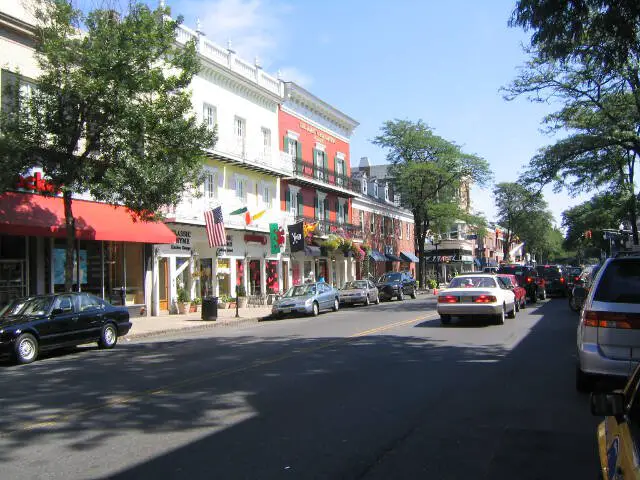
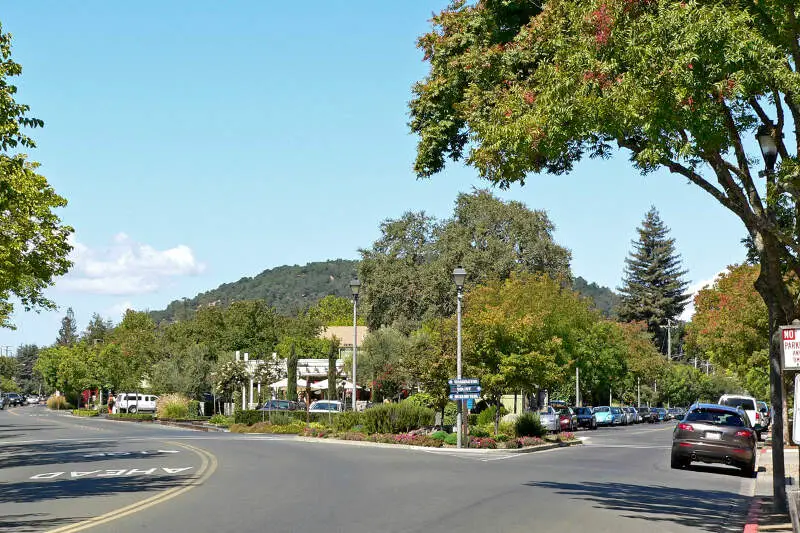
A side-by-side look at each city.
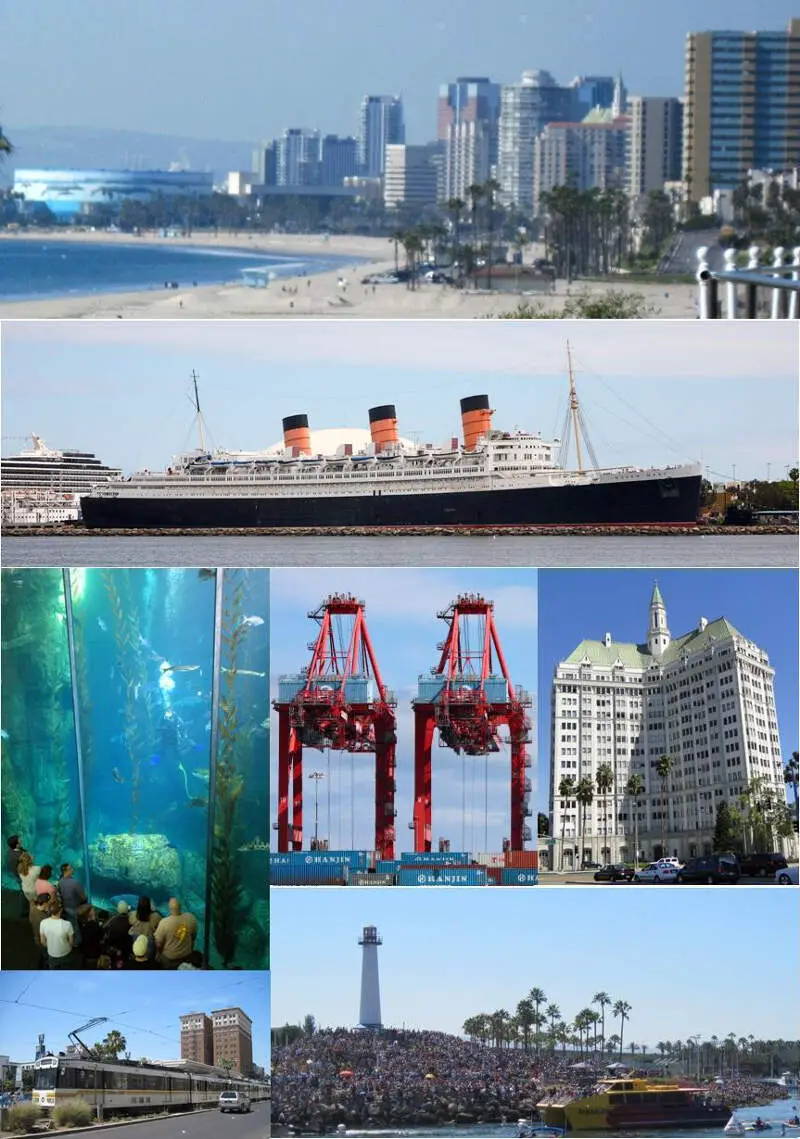
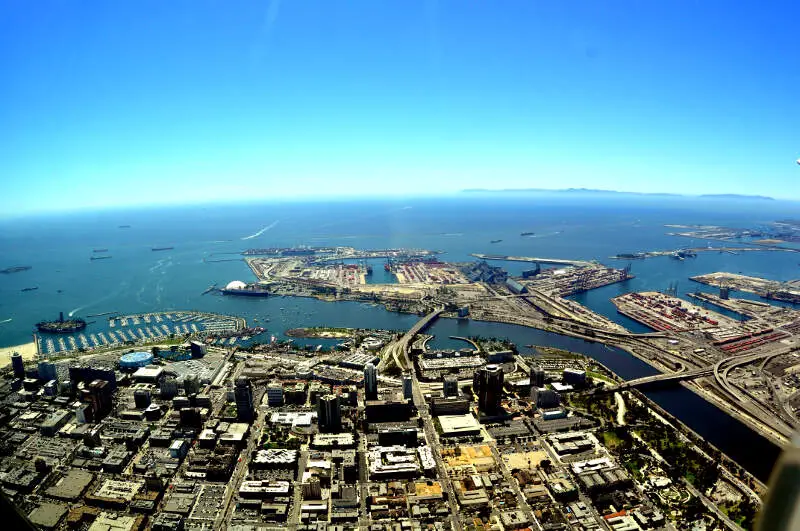
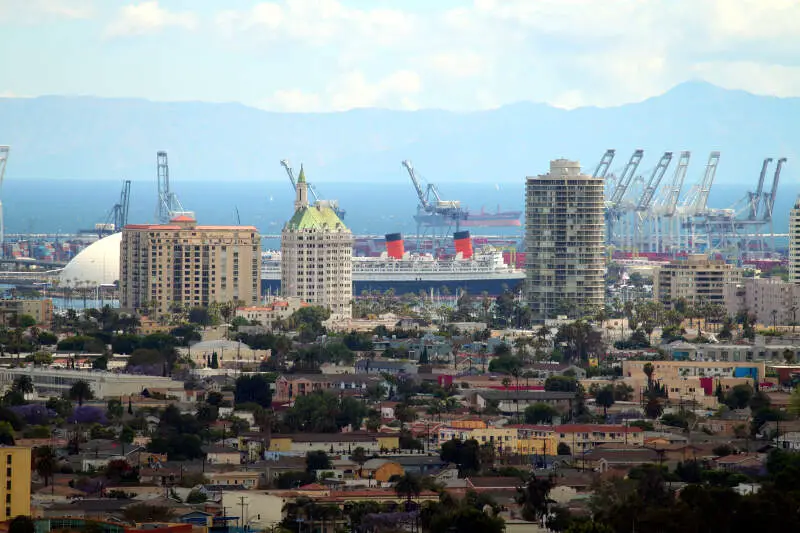
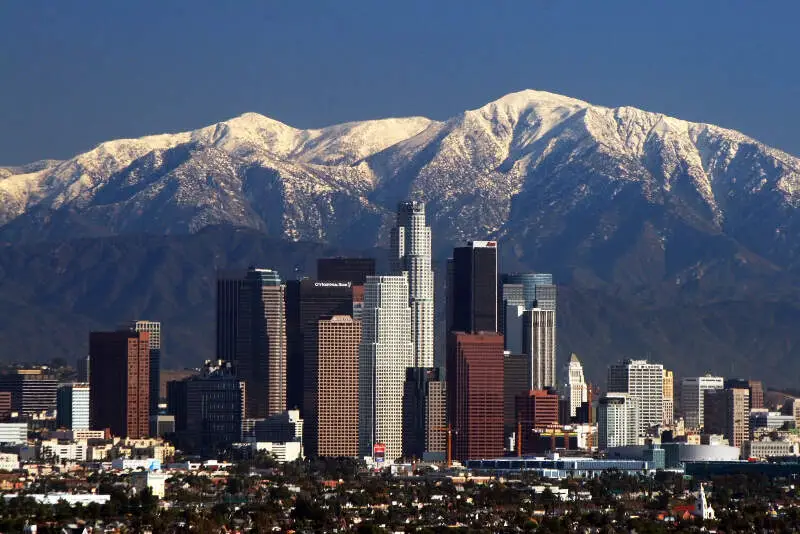

Cost of living
Long Beach is the cheaper city overall — 9% higher in Los Angeles than its rival. Index baseline: 100 = national average.
| Living expense | Long Beach | Los Angeles | US average |
|---|---|---|---|
| Overall | 163 | 179 | 100 |
| Services | 110 | 117 | 100 |
| Groceries | 119 | 123 | 100 |
| Health | 267 | 309 | 100 |
| Housing | 118 | 128 | 100 |
| Transportation | 121 | 128 | 100 |
| Utilities | 124 | 134 | 100 |
Lower index = cheaper. 100 = U.S. national average. Bar inside each cell scales relative to the highest value in the table.
Sources: HomeSnacks Cost of Living indices, normalized so 100 = U.S. national average. Drill in: Long Beach cost of living, Los Angeles cost of living, or the cheapest cities in America.
Housing breakdown
Home prices are higher in Los Angeles. Compare absolute price and price-to-income — a $500k home in a $100k-income city is very different from one in a $50k-income city.
| Metric | Long Beach | Los Angeles | United States |
|---|---|---|---|
| Median Home Value | $857,860 | $952,183 | $332,700 |
| Median Rent | $1,871 | $1,933 | $1,413 |
| Median Income | $87,430 | $81,939 | $80,734 |
| Home Value To Income | 9.8x | 11.6x | 4.1x |
| Rent To Monthly Income | 0.26x | 0.28x | 0.21x |
Source: U.S. Census Bureau ACS 2020-2024. See also states with the highest rent in America.
Crime
Los Angeles is the safer city — total crime rate of 2,212 per 100k people vs 4,155 for Long Beach. US average: 2,119.
| Crime (per 100k) | Long Beach | Los Angeles | US average |
|---|---|---|---|
| Total crime | 4,155 | 2,212 | 2,119 |
| Murder | 8 | 7 | 5 |
| Robbery | 223 | 210 | 61 |
| Aggravated Assault | 400 | 471 | 256 |
| Violent Crime | 676 | 728 | 359 |
| Burglary | 705 | 373 | 229 |
| Larceny | 1,796 | 852 | 1,272 |
| Car Theft | 978 | 260 | 259 |
| Property Crime | 3,479 | 1,484 | 1,760 |
Lower = safer. Bar inside each cell scales relative to the highest crime rate in the table.
Source: FBI Uniform Crime Reporting (2024). All rates are per 100,000 people. City pages: Long Beach crime, Los Angeles crime. See also: safest cities in America.
Diversity
Long Beach is more racially diverse — lower HHI (closer to 0) means a more even mix across groups.
| Group | Long Beach | Los Angeles | United States |
|---|---|---|---|
| White | 26.2% | 28.1% | 57.4% |
| African American | 11.4% | 8.1% | 11.9% |
| American Indian | 0.3% | 0.1% | 0.5% |
| Asian | 12.7% | 11.9% | 5.9% |
| Hawaiian | 0.6% | 0.1% | 0.2% |
| Other | 0.5% | 0.7% | 0.6% |
| Two Or More | 4.5% | 3.8% | 4.3% |
| Hispanic | 43.8% | 47.2% | 19.3% |
Source: U.S. Census ACS 2020-2024. Lower HHI = more even racial mix. See also: most diverse cities in America.
SnackAbility — overall quality of life
Long Beach scores higher overall — 7/10 vs 6/10. SnackAbility is our 1–10 quality-of-life score; the median U.S. city scores a 7.
Scores are 0–10; both bars share the same scale.
SnackAbility is a HomeSnacks proprietary 1–10 score blending jobs, housing, education, commute, amenities, affordability, crime, and diversity. Median U.S. city ≈ 7. Data: Census, BLS, FBI. See also: best places to live in America.
Getting around: Long Beach vs. Los Angeles
How each city handles commuting, transit, walkability, and car culture — the day-to-day reality that shapes where you'd actually want to live.
Long Beach sits at the southern terminus of the LA Metro network, and the A Line (formerly the Blue Line) can get you to Downtown LA in roughly 45 minutes without touching the 710 or the 405. Long Beach Transit buses cover the city's compact grid well, and the flat street layout makes cycling a realistic daily option in neighborhoods like Bixby Knolls and Belmont Shore. If you do commute by car, budget extra time for the 710 Freeway (one of the most congested freight corridors in the country), especially during morning port shift changes.
Los Angeles offers a broader but less coherent transit picture. The expanding Metro Rail system now includes lines to Inglewood, the Westside, and the Valley, but the network still leaves vast swaths of the city unreachable without a car. A cost of living index of 179 (versus Long Beach's 163) means parking, insurance, and gas costs hit harder here.
In both cities, car ownership is close to mandatory outside a handful of transit-dense corridors, but Long Beach's smaller footprint makes car-free living marginally more achievable.
Jobs and careers in Long Beach vs. Los Angeles
The local job market, dominant industries, and which city to choose based on your career.
The Port of Long Beach (the second-busiest container port in the nation) anchors a major logistics, freight, and supply-chain sector. Boeing's Space and Defense division and MemorialCare Health System are among the largest local employers, and Cal State Long Beach sends a steady stream of graduates into regional industries.
Long Beach's median household income of $87,430 edges out Los Angeles's $81,939, and that gap compounds against Long Beach's lower cost of living index of 163.
Los Angeles offers scale that few American metros can match: entertainment and streaming concentrated in Burbank, Culver City, and Hollywood; a tech corridor in Silicon Beach stretching from Playa Vista to Santa Monica; and the largest apparel manufacturing base in the US. The trade-off is fierce competition for marquee roles and a cost of living index of 179 that can quietly neutralize salary gains. For most professional fields, Long Beach gives you reasonable access to LA's job market while keeping more of your paycheck.
Weather and climate
What to expect day-to-day — sun, fog, heat, rain, and the seasonal extremes that shape the lifestyle.
Both cities share a Mediterranean climate: warm, dry summers and mild winters with occasional rain between December and March. Long Beach, near the ocean at the southern edge of LA County, typically sees slightly warmer winter temperatures and less of the persistent June Gloom marine layer that keeps coastal neighborhoods overcast through mid-summer. Expect summer highs in the low-to-mid 80s and January lows rarely below 50°F, with little variation year to year.
Los Angeles spans a far larger geography, and the weather range reflects that. The San Fernando Valley can hit the low 100s in August while West LA stays at 75°F under clouds. The inland basin also traps smog more aggressively during heat events.
Neither city sees meaningful snow at sea level, and both enjoy well over 270 sunny days annually. Long Beach sits downwind of major port activity, which can affect air quality on its own terms, so if you have respiratory sensitivities, that's worth researching before you choose.
Culture, nightlife, and entertainment
Food, music, neighborhoods, and the city vibe that gives each place its personality.
Long Beach has built a genuine cultural identity rather than just drifting in LA's orbit. The East Village Arts District and Retro Row along Fourth Street anchor an independent gallery and live-music scene; Belmont Shore offers a walkable strip of restaurants and bars you can actually reach on foot. The city's LGBTQ+ community supports a lively nightlife cluster near Broadway and Alamitos, and events at the Queen Mary and the Long Beach Convention Center bring in major acts throughout the year.
Los Angeles is one of the world's great cultural cities: the Hollywood Bowl, the Getty, LACMA, the Broad, Dodger Stadium, SoFi Stadium, and a restaurant scene that competes with any in the country. The catch is access. Getting to these things usually means a car, a reservation, and two or three hours.
If you want a world-class menu on demand and can tolerate the logistics, LA wins outright. If you want to walk to a good bar or catch a local band on a Tuesday, Long Beach holds its own far better than its size suggests.
Outdoor activities and day trips
Parks, beaches, hikes, and the weekend escapes that define life outside the city limits.
Long Beach delivers solid coastal access right in the city limits. Alamitos Beach and Junipero Beach are walkable from large residential neighborhoods, and the Colorado Lagoon offers a quieter, kayak-friendly alternative. El Dorado Regional Park covers over 800 acres of trails, disc golf, and a nature center inland.
The standout day trip is the Catalina Express ferry, which leaves from Long Beach Harbor and puts you in Avalon in about an hour for hiking, snorkeling, and mountain biking on a largely car-free island.
Los Angeles wins on sheer outdoor variety. Griffith Park's 4,300 acres of trails sit inside city limits with panoramic views of the basin; the Santa Monica Mountains run from Malibu through Topanga to the Valley with serious multi-mile routes; and the Angeles National Forest, roughly an hour northeast, offers year-round hiking and winter snow. Beach options stretch from Malibu through El Segundo to Redondo Beach.
If getting into genuinely different terrain (desert, alpine, and coast) on the same weekend matters to you, the geographic range accessible from LA is difficult to beat.
Bottom line: which city is right for you?
Based on the head-to-head data above, here's the short version — pick the city that lines up with what you actually care about.
Choose Long Beach if you prioritize…
- a lower cost of living (cheaper groceries, services, and day-to-day expenses).
- a more racially diverse community (lower HHI on Census data).
- a higher overall SnackAbility quality-of-life score.
Choose Los Angeles if you prioritize…
- lower crime — a safer place to live, work, and raise a family.
- more affordable housing relative to Long Beach.
Methodology: winners are picked from public data — U.S. Census Bureau ACS (income, home value, rent, race/HHI), FBI Uniform Crime Reporting (crime rates per 100k), and HomeSnacks' proprietary SnackAbility quality-of-life score, which blends Bureau of Labor Statistics data with the above.
Other comparisons
Still weighing your options? See how these two cities stack up against other places we've compared head-to-head.