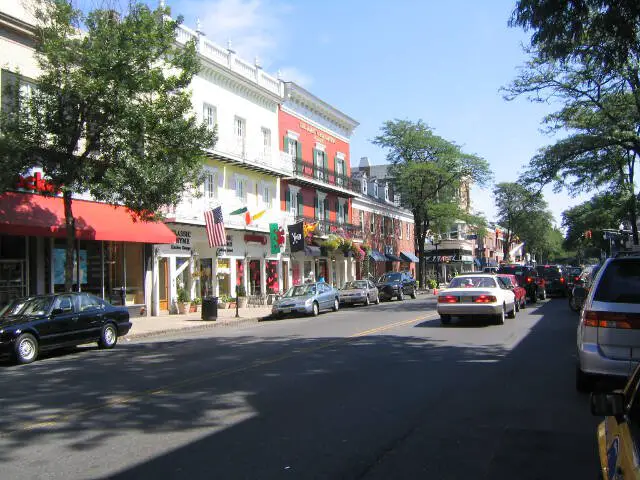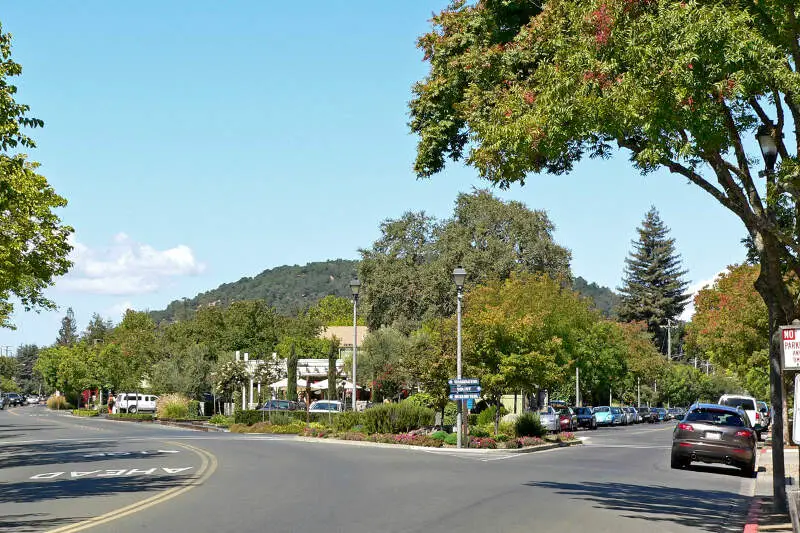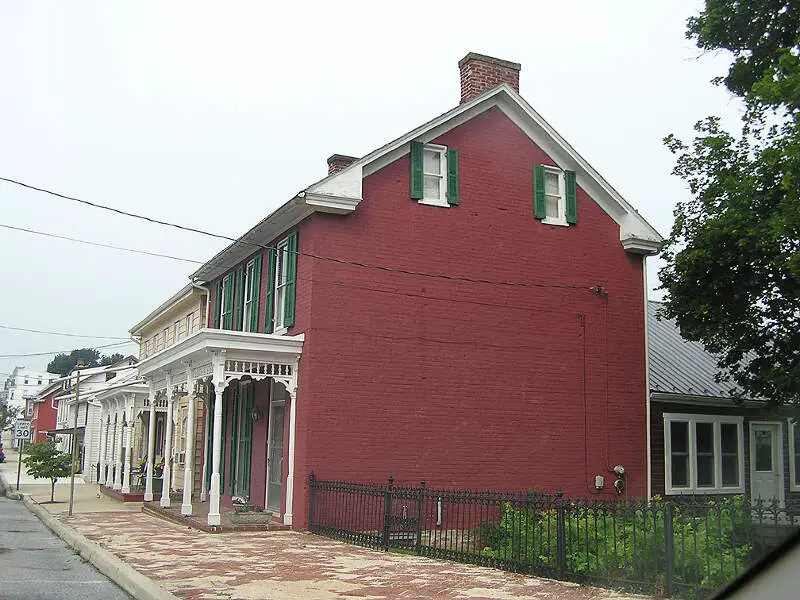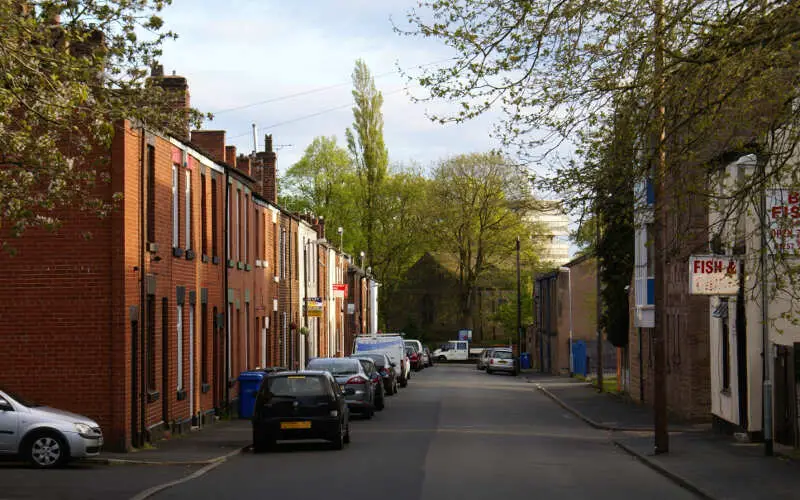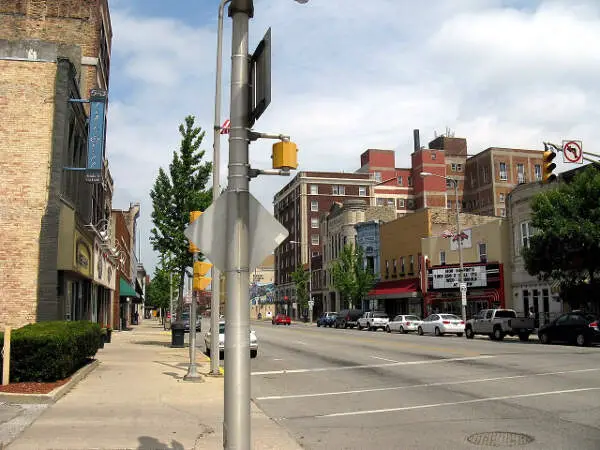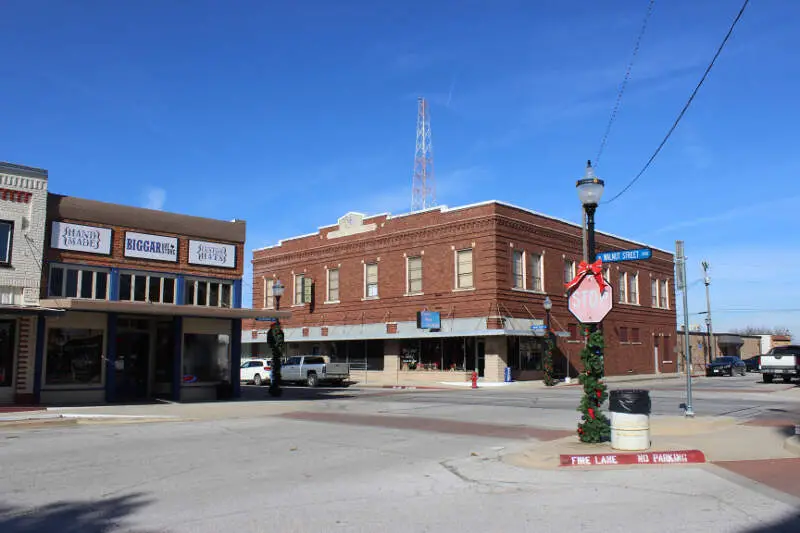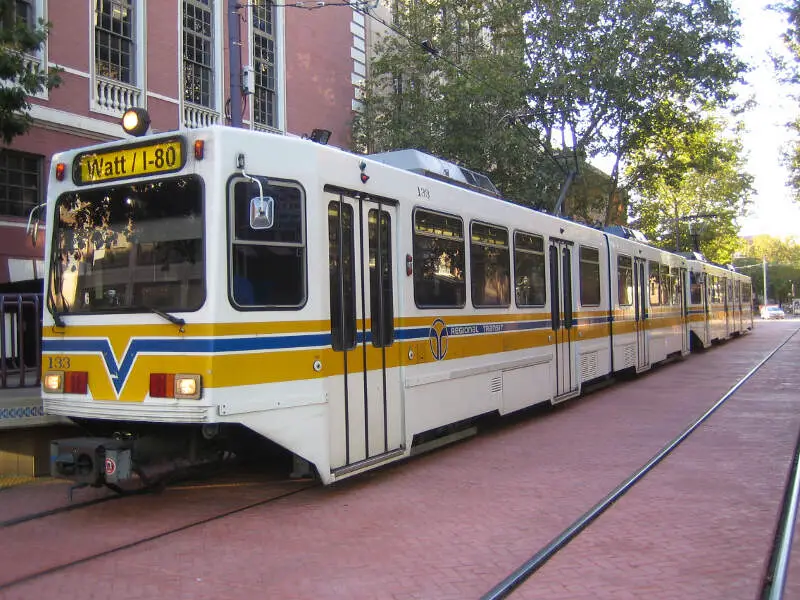
Sacramento vs. San Francisco in photos
A side-by-side look at each city.





Cost of living
Sacramento is the cheaper city overall — 45% higher in San Francisco than its rival. Index baseline: 100 = national average.
| Living expense | Sacramento | San Francisco | US average |
|---|---|---|---|
| Overall | 137 | 247 | 100 |
| Services | 109 | 122 | 100 |
| Groceries | 122 | 125 | 100 |
| Health | 184 | 518 | 100 |
| Housing | 124 | 132 | 100 |
| Transportation | 121 | 128 | 100 |
| Utilities | 122 | 139 | 100 |
Lower index = cheaper. 100 = U.S. national average. Bar inside each cell scales relative to the highest value in the table.
Sources: HomeSnacks Cost of Living indices, normalized so 100 = U.S. national average. Drill in: Sacramento cost of living, San Francisco cost of living, or the cheapest cities in America.
Housing breakdown
Home prices are higher in Sacramento. Compare absolute price and price-to-income — a $500k home in a $100k-income city is very different from one in a $50k-income city.
| Metric | Sacramento | San Francisco | United States |
|---|---|---|---|
| Median Home Value | $479,765 | $1,356,661 | $332,700 |
| Median Rent | $1,779 | $2,476 | $1,413 |
| Median Income | $87,321 | $140,970 | $80,734 |
| Home Value To Income | 5.5x | 9.6x | 4.1x |
| Rent To Monthly Income | 0.24x | 0.21x | 0.21x |
Source: U.S. Census Bureau ACS 2020-2024. See also states with the highest rent in America.
Crime
Sacramento is the safer city — total crime rate of 3,302 per 100k people vs 4,526 for San Francisco. US average: 2,119.
| Crime (per 100k) | Sacramento | San Francisco | US average |
|---|---|---|---|
| Total crime | 3,302 | 4,526 | 2,119 |
| Murder | 9 | 4 | 5 |
| Robbery | 192 | 267 | 61 |
| Aggravated Assault | 520 | 290 | 256 |
| Violent Crime | 755 | 596 | 359 |
| Burglary | 442 | 637 | 229 |
| Larceny | 1,596 | 2,619 | 1,272 |
| Car Theft | 510 | 673 | 259 |
| Property Crime | 2,547 | 3,929 | 1,760 |
Lower = safer. Bar inside each cell scales relative to the highest crime rate in the table.
Source: FBI Uniform Crime Reporting (2024). All rates are per 100,000 people. City pages: Sacramento crime, San Francisco crime. See also: safest cities in America.
Diversity
Sacramento is more racially diverse — lower HHI (closer to 0) means a more even mix across groups.
| Group | Sacramento | San Francisco | United States |
|---|---|---|---|
| White | 29.3% | 36.8% | 57.4% |
| African American | 11.8% | 4.7% | 11.9% |
| American Indian | 0.2% | 0.2% | 0.5% |
| Asian | 20.1% | 34.9% | 5.9% |
| Hawaiian | 1.5% | 0.3% | 0.2% |
| Other | 0.8% | 0.8% | 0.6% |
| Two Or More | 6.9% | 6.1% | 4.3% |
| Hispanic | 29.4% | 16.2% | 19.3% |
Source: U.S. Census ACS 2020-2024. Lower HHI = more even racial mix. See also: most diverse cities in America.
SnackAbility — overall quality of life
San Francisco scores higher overall — 8.5/10 vs 7/10. SnackAbility is our 1–10 quality-of-life score; the median U.S. city scores a 7.
Scores are 0–10; both bars share the same scale.
SnackAbility is a HomeSnacks proprietary 1–10 score blending jobs, housing, education, commute, amenities, affordability, crime, and diversity. Median U.S. city ≈ 7. Data: Census, BLS, FBI. See also: best places to live in America.
Getting around: Sacramento vs. San Francisco
How each city handles commuting, transit, walkability, and car culture — the day-to-day reality that shapes where you'd actually want to live.
Sacramento and San Francisco sit about 90 miles apart, and getting around each city reflects how differently they're built. San Francisco has BART, Muni Metro, the cable cars, and a dense bus network, so a car is genuinely optional for many residents. Commuting by car means the Bay Bridge or 101, stop-and-go traffic, and parking costs that can rival a car payment.
Sacramento's SacRT light rail and bus system is serviceable but much less comprehensive, so most residents drive. The grid street layout makes driving predictable, and congestion rarely matches what you'll hit in SF. If you work in the Bay Area but want lower housing costs, the Capitol Corridor Amtrak train connects Sacramento to the East Bay and Oakland daily, making an occasional reverse commute feasible.
Jobs and careers in Sacramento vs. San Francisco
The local job market, dominant industries, and which city to choose based on your career.
San Francisco is still the center of the global tech industry. Salesforce, Stripe, Wells Fargo, and the headquarters or major offices of dozens of software and biotech firms are based there, and median household income of $140,970 reflects it. The catch is a cost of living index of 247, which means your dollar goes roughly half as far as the US average.
Sacramento's economy runs on state government (it's the state capital), healthcare systems like UC Davis Health and Sutter, and a growing tech scene as Bay Area workers relocate. Median household income is $87,321, which sounds lower, but against a cost of living index of 137 it often leaves more money at the end of the month. Median home values of $479,765 versus San Francisco's $1,356,661 make homeownership a real possibility rather than a long shot.
Weather and climate
What to expect day-to-day — sun, fog, heat, rain, and the seasonal extremes that shape the lifestyle.
If San Francisco's microclimates wear on you (the June gloom, fog rolling through the Golden Gate, temperatures that rarely crack 70 even in summer), Sacramento runs hotter and drier by comparison. The Central Valley climate means summers regularly hit the mid-90s and above. Winters are mild, with daytime highs in the 50s and most rain falling between November and March.
San Francisco's year-round moderation (roughly 50-65°F on most days) suits people who dislike extremes, and the city almost never sees frost or hail. Sacramento means triple-digit July heat waves and occasional tule fog in winter that can drop visibility near zero. Neither city gets meaningful snow, but Sacramento's summer heat is a real lifestyle factor worth thinking through before you commit.
Culture, nightlife, and entertainment
Food, music, neighborhoods, and the city vibe that gives each place its personality.
San Francisco has SFMOMA, the de Young Museum, the San Francisco Symphony at Davies Hall, and neighborhoods like the Castro and Mission that have shaped American counterculture for decades. Nightlife runs from dive bars in the Tenderloin to Michelin-starred tasting menus in Hayes Valley.
Sacramento has grown its own scene, especially in Midtown, where restaurants and bars have expanded significantly over the past decade. The Golden 1 Center brings major concerts and NBA action (the Kings), and the Farm-to-Fork Festival reflects the city's proximity to some of the richest agricultural land in the country. San Francisco's options are broader, but Sacramento's scene is livelier than most outsiders expect, and median rent of $1,779 versus $2,476 means you have more money left to spend on it.
Outdoor activities and day trips
Parks, beaches, hikes, and the weekend escapes that define life outside the city limits.
Sacramento sits at the confluence of the American and Sacramento Rivers, and that geography shapes outdoor life here. The American River Parkway is a 32-mile corridor of trails running from Folsom Lake to downtown, one of the best urban bike and running paths in California. Folsom Lake draws kayakers, swimmers, and sailors on weekends, and Lake Tahoe is roughly two hours away, putting serious skiing, hiking, and backcountry camping within reach.
San Francisco gives you a different kind of outdoor access: the Marin Headlands and Point Reyes National Seashore are a bridge-crossing away, and Golden Gate Park offers 1,000 acres of greenery in the city core. Ocean beaches like Baker Beach frame views that are hard to match anywhere. If mountain and river recreation is the priority, Sacramento wins; if coastal scenery and wind-swept headlands suit you more, San Francisco is tough to beat.
Bottom line: which city is right for you?
Based on the head-to-head data above, here's the short version — pick the city that lines up with what you actually care about.
Choose Sacramento if you prioritize…
- a lower cost of living (cheaper groceries, services, and day-to-day expenses).
- lower crime — a safer place to live, work, and raise a family.
- more affordable housing relative to San Francisco.
- a more racially diverse community (lower HHI on Census data).
Choose San Francisco if you prioritize…
- a higher overall SnackAbility quality-of-life score.
Methodology: winners are picked from public data — U.S. Census Bureau ACS (income, home value, rent, race/HHI), FBI Uniform Crime Reporting (crime rates per 100k), and HomeSnacks' proprietary SnackAbility quality-of-life score, which blends Bureau of Labor Statistics data with the above.
Other comparisons
Still weighing your options? See how these two cities stack up against other places we've compared head-to-head.