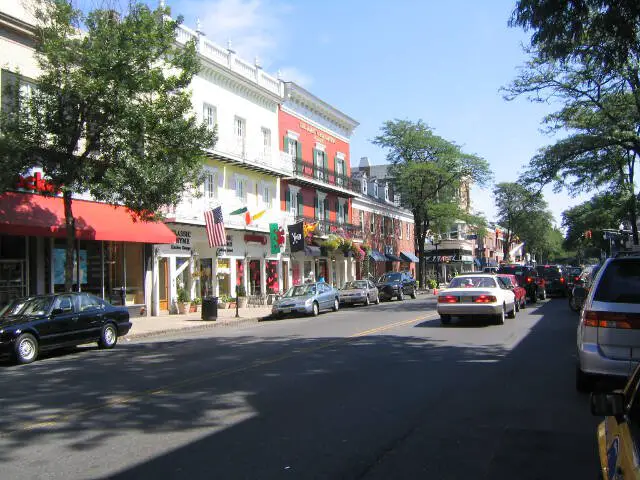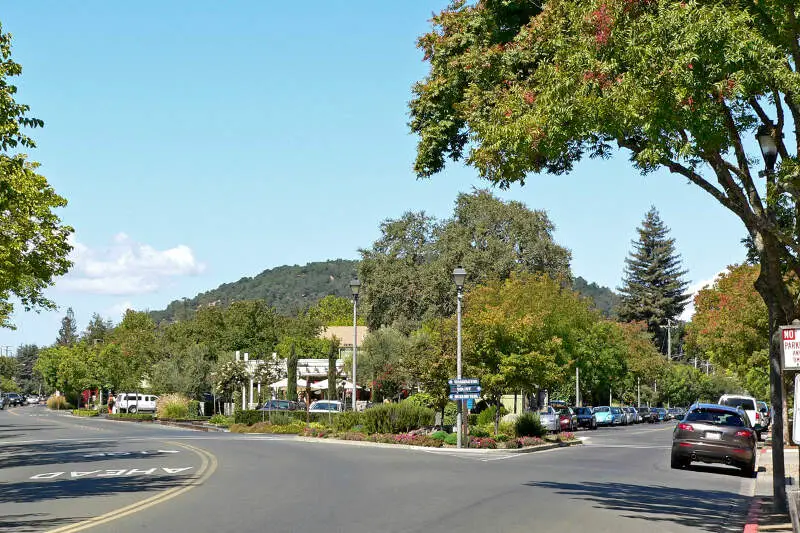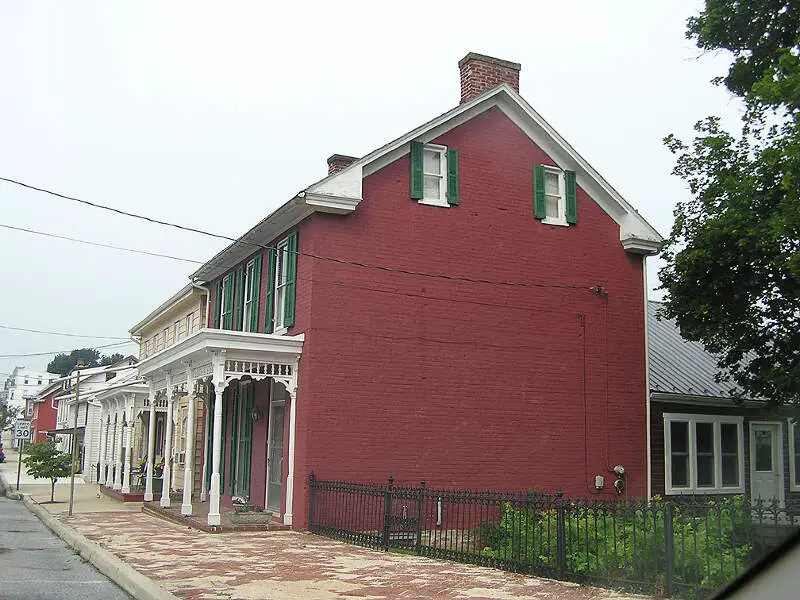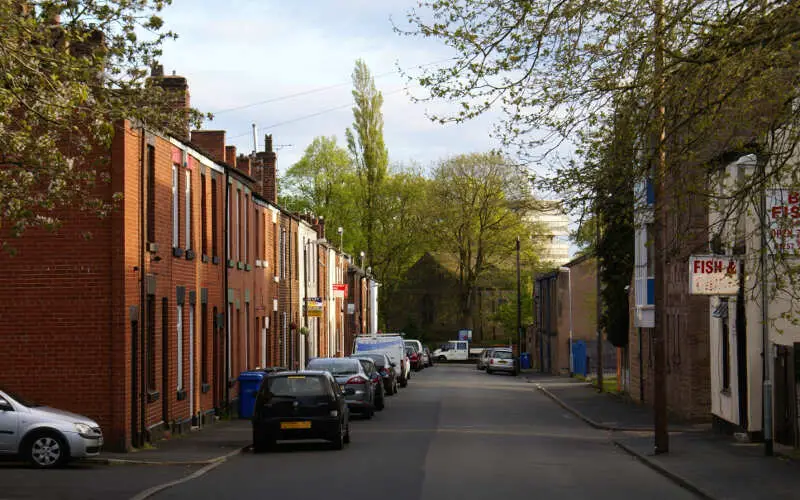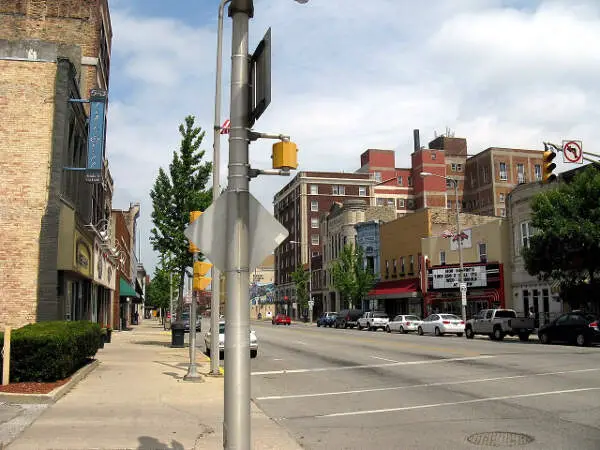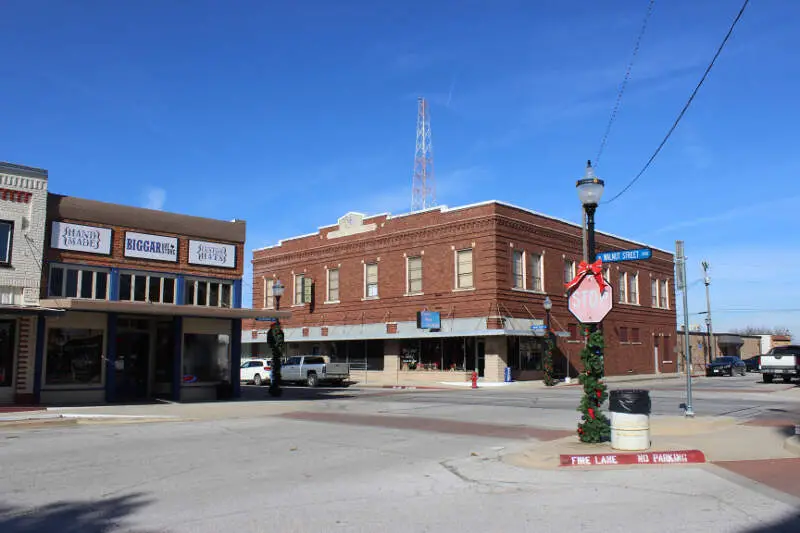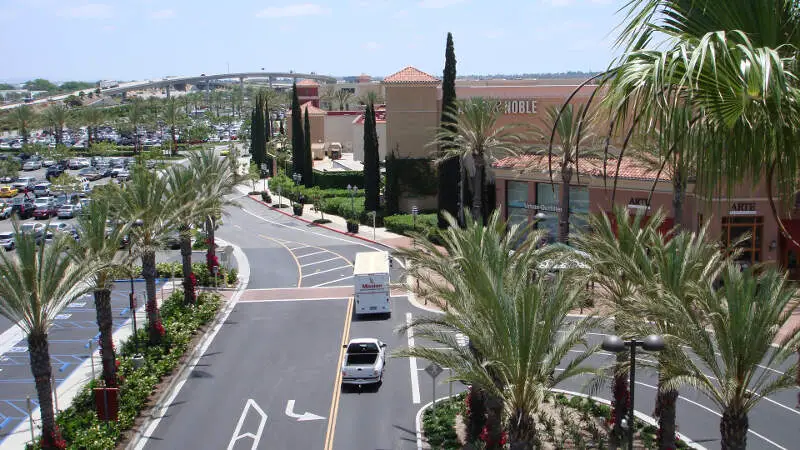
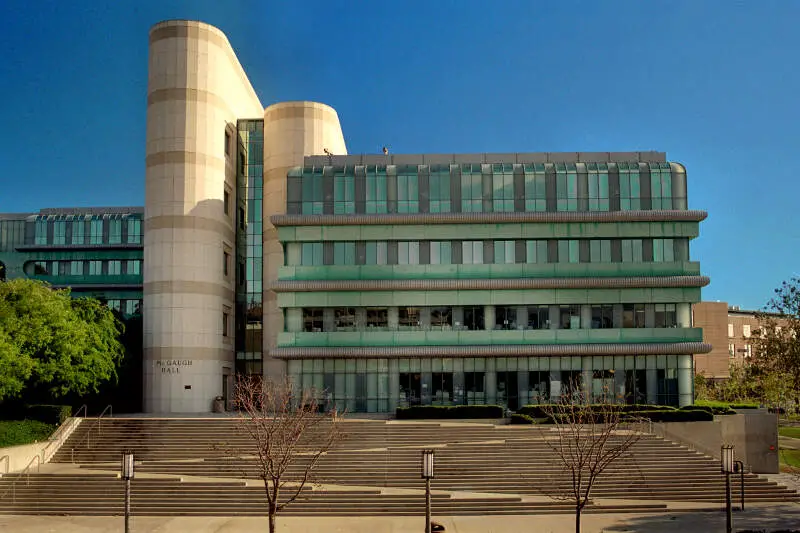
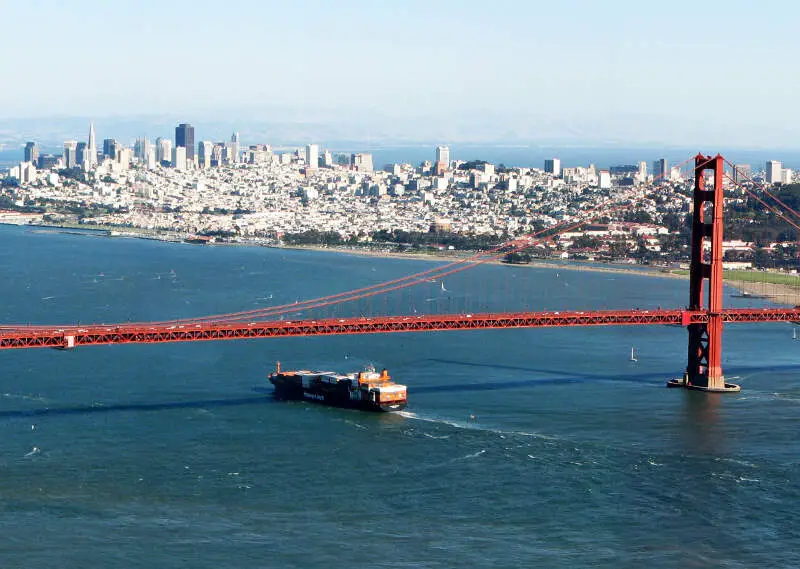
Irvine vs. San Francisco in photos
A side-by-side look at each city.



Cost of living
Irvine is the cheaper city overall — 15% higher in San Francisco than its rival. Index baseline: 100 = national average.
| Living expense | Irvine | San Francisco | US average |
|---|---|---|---|
| Overall | 209 | 247 | 100 |
| Services | 119 | 122 | 100 |
| Groceries | 120 | 125 | 100 |
| Health | 409 | 518 | 100 |
| Housing | 124 | 132 | 100 |
| Transportation | 125 | 128 | 100 |
| Utilities | 129 | 139 | 100 |
Lower index = cheaper. 100 = U.S. national average. Bar inside each cell scales relative to the highest value in the table.
Sources: HomeSnacks Cost of Living indices, normalized so 100 = U.S. national average. Drill in: Irvine cost of living, San Francisco cost of living, or the cheapest cities in America.
Housing breakdown
Home prices are higher in Irvine. Compare absolute price and price-to-income — a $500k home in a $100k-income city is very different from one in a $50k-income city.
| Metric | Irvine | San Francisco | United States |
|---|---|---|---|
| Median Home Value | $1,557,981 | $1,356,661 | $332,700 |
| Median Rent | $2,997 | $2,476 | $1,413 |
| Median Income | $136,719 | $140,970 | $80,734 |
| Home Value To Income | 11.4x | 9.6x | 4.1x |
| Rent To Monthly Income | 0.26x | 0.21x | 0.21x |
Source: U.S. Census Bureau ACS 2020-2024. See also states with the highest rent in America.
Crime
Irvine is the safer city — total crime rate of 1,474 per 100k people vs 4,526 for San Francisco. US average: 2,119.
| Crime (per 100k) | Irvine | San Francisco | US average |
|---|---|---|---|
| Total crime | 1,474 | 4,526 | 2,119 |
| Murder | 2 | 4 | 5 |
| Robbery | 22 | 267 | 61 |
| Aggravated Assault | 47 | 290 | 256 |
| Violent Crime | 84 | 596 | 359 |
| Burglary | 198 | 637 | 229 |
| Larceny | 1,122 | 2,619 | 1,272 |
| Car Theft | 70 | 673 | 259 |
| Property Crime | 1,390 | 3,929 | 1,760 |
Lower = safer. Bar inside each cell scales relative to the highest crime rate in the table.
Source: FBI Uniform Crime Reporting (2024). All rates are per 100,000 people. City pages: Irvine crime, San Francisco crime. See also: safest cities in America.
Diversity
San Francisco is more racially diverse — lower HHI (closer to 0) means a more even mix across groups.
| Group | Irvine | San Francisco | United States |
|---|---|---|---|
| White | 34.3% | 36.8% | 57.4% |
| African American | 1.9% | 4.7% | 11.9% |
| American Indian | 0.1% | 0.2% | 0.5% |
| Asian | 44.6% | 34.9% | 5.9% |
| Hawaiian | 0.4% | 0.3% | 0.2% |
| Other | 0.8% | 0.8% | 0.6% |
| Two Or More | 6.4% | 6.1% | 4.3% |
| Hispanic | 11.4% | 16.2% | 19.3% |
Source: U.S. Census ACS 2020-2024. Lower HHI = more even racial mix. See also: most diverse cities in America.
SnackAbility — overall quality of life
Irvine scores higher overall — 9/10 vs 8.5/10. SnackAbility is our 1–10 quality-of-life score; the median U.S. city scores a 7.
Scores are 0–10; both bars share the same scale.
SnackAbility is a HomeSnacks proprietary 1–10 score blending jobs, housing, education, commute, amenities, affordability, crime, and diversity. Median U.S. city ≈ 7. Data: Census, BLS, FBI. See also: best places to live in America.
Getting around: Irvine vs. San Francisco
How each city handles commuting, transit, walkability, and car culture — the day-to-day reality that shapes where you'd actually want to live.
Irvine is built around the car. The master-planned grid feeds onto the 405, the 5, and the 133 toll road, and most errands require driving — walkability scores are low despite the tidy sidewalks.
The Metrolink Orange County line stops at Irvine station and can reach downtown L.A., but service is infrequent enough that most residents treat it as a backup. Dedicated bike paths exist, though they connect parks more than offices.
San Francisco flips the equation. BART links you to the East Bay and SFO, Muni buses and light rail cover most neighborhoods, and cable cars still climb through Nob Hill. If you commute by car, expect to pay dearly: garage rates rival rents in other cities, and street parking is a competitive sport.
Cycling along the Embarcadero and protected lanes on Market Street makes two-wheel commuting genuinely practical for a lot of the workforce.
Jobs and careers in Irvine vs. San Francisco
The local job market, dominant industries, and which city to choose based on your career.
Irvine has quietly assembled one of Southern California's strongest employment bases, concentrated around the Irvine Spectrum and the UCI Research Park corridor. Edwards Lifesciences, Broadcom, and Western Digital anchor major campuses here, and UC Irvine itself employs tens of thousands.
The biotech and medical-device sector runs particularly deep, drawing life-sciences talent from across the country. Median household income is $136,719, well above the national average.
San Francisco's economy leans heavily toward big tech and finance: Salesforce, Uber, and Airbnb have large offices here, and the Financial District is home to Wells Fargo and major investment firms. At $140,970, median household income edges slightly above Irvine's, but San Francisco's cost of living index of 247 (versus Irvine's 209) means purchasing power is considerably tighter.
Remote and hybrid work has reshuffled hiring, but the city still pulls top-tier talent and venture capital at a scale Irvine cannot match.
Weather and climate
What to expect day-to-day — sun, fog, heat, rain, and the seasonal extremes that shape the lifestyle.
Both cities run on Mediterranean climates, but they feel nothing alike on a July afternoon. Irvine delivers reliably warm, sunny days: summer highs push into the mid-80s, the city averages fewer than 15 inches of rain annually, and most of that falls between December and March. The inland location means evenings cool off pleasantly, and you can plan outdoor events almost any day from April through October without obsessing over the forecast.
San Francisco is famously fickle. Karl the Fog rolls in off the Pacific most summer mornings and can linger through noon in neighborhoods like the Sunset and Richmond. Actual summer highs often sit in the low 60s, which blindsides transplants expecting California warmth.
Winters are mild and rainy rather than cold (hard frost is rare), but if you want reliable beach weather, a day trip to Marin or the Peninsula serves you better than the city itself. Pack a jacket regardless of the season.
Culture, nightlife, and entertainment
Food, music, neighborhoods, and the city vibe that gives each place its personality.
Irvine is a planned city, and its cultural calendar reflects that: polished, family-oriented, and still maturing. The Bren Events Center at UCI brings touring acts and visiting performers, and the Irvine Spectrum Center is the main hub for dining and weekend crowds.
Craft breweries and upscale casual restaurants have multiplied in recent years, but late-night options thin out quickly. The overall vibe is "dinner and home by ten" rather than a true bar scene, and that suits the demographic well.
San Francisco operates on a different frequency. The Mission District packs taquerias, wine bars, and dive bars into a few walkable blocks. The Castro is one of the country's best-known LGBTQ+ neighborhoods, and North Beach keeps the Beat Generation's literary coffee-shop tradition alive alongside excellent Italian restaurants.
If you want live music, gallery openings on First Thursdays, or a 1 a.m. bowl of ramen after a show at the Fillmore, the city obliges in a way Irvine simply does not.
Outdoor activities and day trips
Parks, beaches, hikes, and the weekend escapes that define life outside the city limits.
Irvine's preserved open space is one of its genuine selling points. The Irvine Ranch Natural Landmarks protect tens of thousands of acres of wilderness within and around the city, and Quail Hill Wilderness Park puts hiking trails minutes from most neighborhoods.
Laguna Beach and Crystal Cove State Park are roughly 20 minutes south, so ocean days are easy and frequent. The Great Park (built on the former El Toro air base) adds cycling loops, sports fields, and a weekend farmers market.
San Francisco packs a lot of natural access into a dense urban footprint. Golden Gate Park stretches three miles from the Panhandle to Ocean Beach and holds everything from bison paddocks to world-class museums. The Presidio has forested trails with bay views, and the Marin Headlands are a short drive across the Golden Gate Bridge for serious hiking.
If you want to ski Tahoe and surf Santa Cruz on the same weekend, both are within two to three hours — a range of day trips Irvine cannot quite match.
Bottom line: which city is right for you?
Based on the head-to-head data above, here's the short version — pick the city that lines up with what you actually care about.
Choose Irvine if you prioritize…
- a lower cost of living (cheaper groceries, services, and day-to-day expenses).
- lower crime — a safer place to live, work, and raise a family.
- more affordable housing relative to San Francisco.
- a higher overall SnackAbility quality-of-life score.
Choose San Francisco if you prioritize…
- a more racially diverse community (lower HHI on Census data).
Methodology: winners are picked from public data — U.S. Census Bureau ACS (income, home value, rent, race/HHI), FBI Uniform Crime Reporting (crime rates per 100k), and HomeSnacks' proprietary SnackAbility quality-of-life score, which blends Bureau of Labor Statistics data with the above.
Other comparisons
Still weighing your options? See how these two cities stack up against other places we've compared head-to-head.