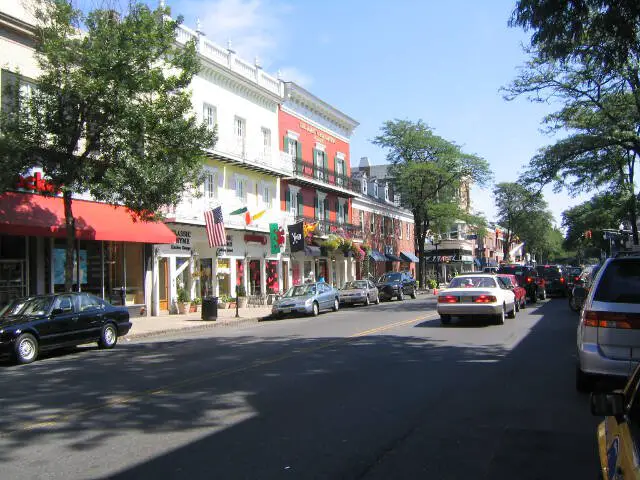
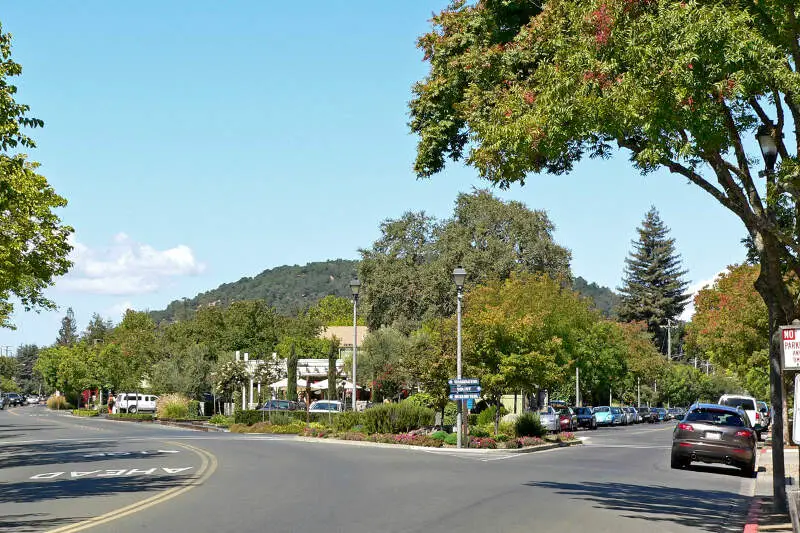
Chicago vs. San Francisco in photos
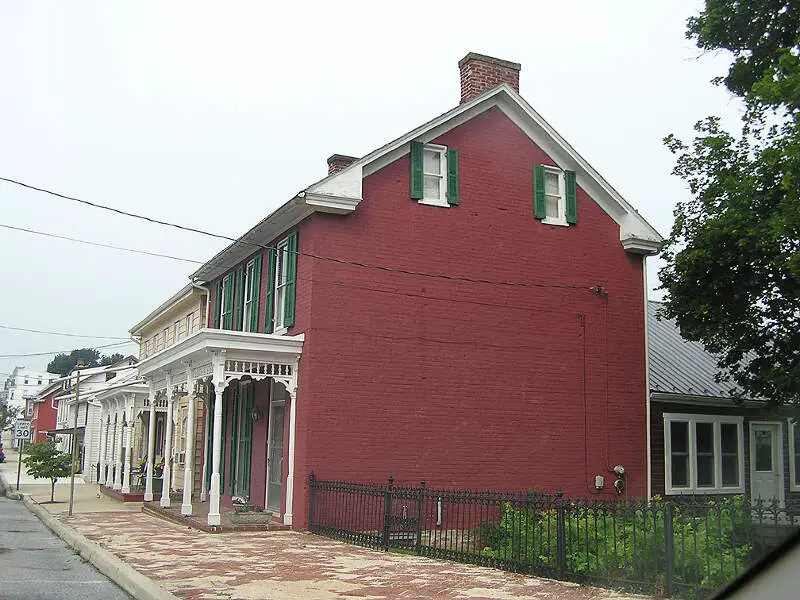
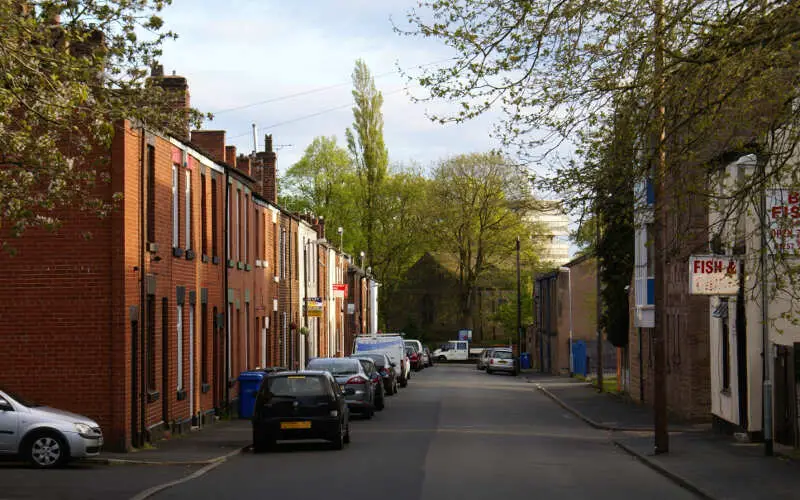
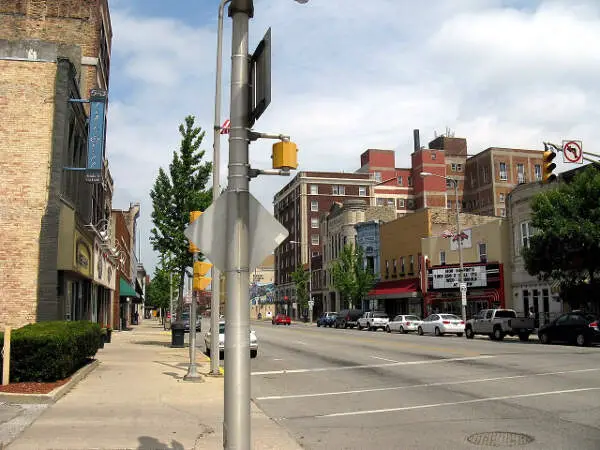
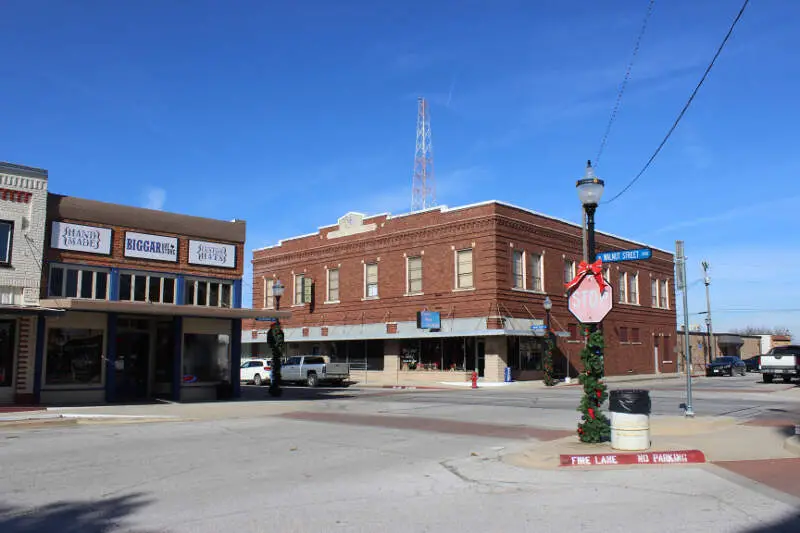
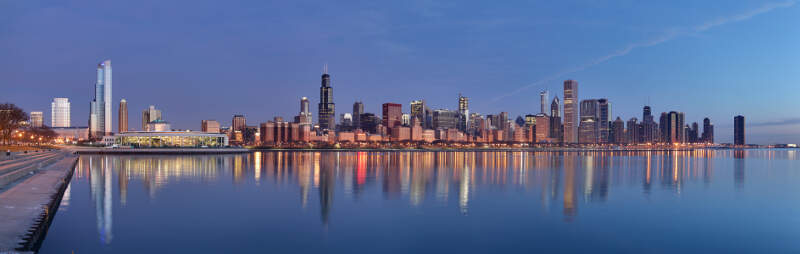
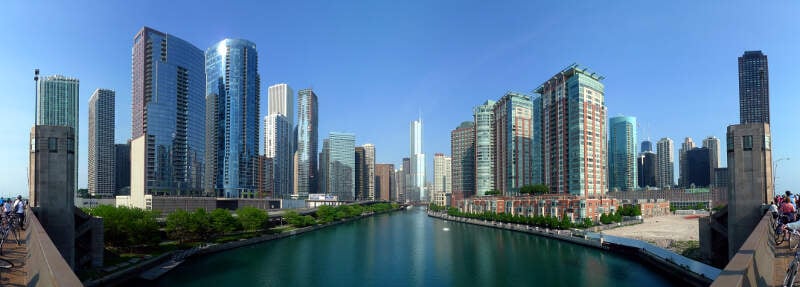
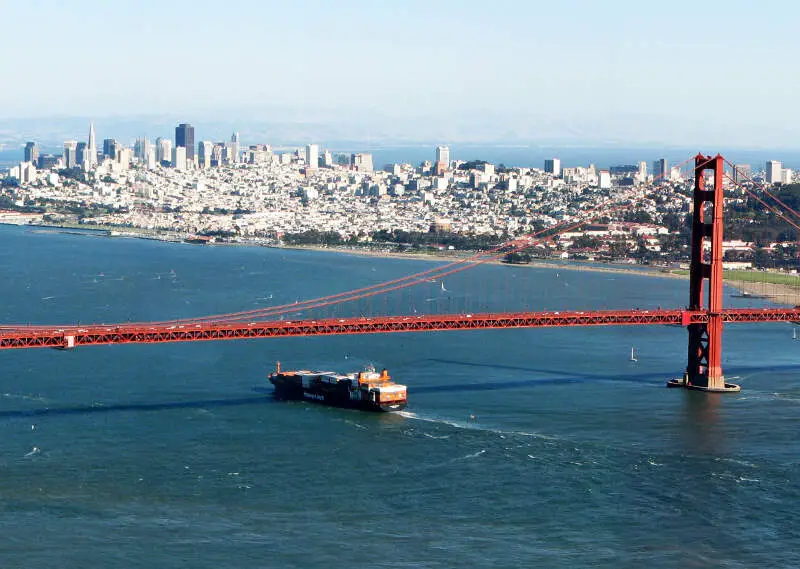
A side-by-side look at each city.


Cost of living
Chicago is the cheaper city overall — 54% higher in San Francisco than its rival. Index baseline: 100 = national average.
| Living expense | Chicago | San Francisco | US average |
|---|---|---|---|
| Overall | 114 | 247 | 100 |
| Services | 103 | 122 | 100 |
| Groceries | 99 | 125 | 100 |
| Health | 140 | 518 | 100 |
| Housing | 107 | 132 | 100 |
| Transportation | 104 | 128 | 100 |
| Utilities | 103 | 139 | 100 |
Lower index = cheaper. 100 = U.S. national average. Bar inside each cell scales relative to the highest value in the table.
Sources: HomeSnacks Cost of Living indices, normalized so 100 = U.S. national average. Drill in: Chicago cost of living, San Francisco cost of living, or the cheapest cities in America.
Housing breakdown
Home prices are higher in Chicago. Compare absolute price and price-to-income — a $500k home in a $100k-income city is very different from one in a $50k-income city.
| Metric | Chicago | San Francisco | United States |
|---|---|---|---|
| Median Home Value | $317,282 | $1,356,661 | $332,700 |
| Median Rent | $1,440 | $2,476 | $1,413 |
| Median Income | $77,902 | $140,970 | $80,734 |
| Home Value To Income | 4.1x | 9.6x | 4.1x |
| Rent To Monthly Income | 0.22x | 0.21x | 0.21x |
Source: U.S. Census Bureau ACS 2020-2024. See also states with the highest rent in America.
Crime
Chicago is the safer city — total crime rate of 4,012 per 100k people vs 4,526 for San Francisco. US average: 2,119.
| Crime (per 100k) | Chicago | San Francisco | US average |
|---|---|---|---|
| Total crime | 4,012 | 4,526 | 2,119 |
| Murder | 17 | 4 | 5 |
| Robbery | 335 | 267 | 61 |
| Aggravated Assault | 128 | 290 | 256 |
| Violent Crime | 540 | 596 | 359 |
| Burglary | 295 | 637 | 229 |
| Larceny | 2,319 | 2,619 | 1,272 |
| Car Theft | 859 | 673 | 259 |
| Property Crime | 3,472 | 3,929 | 1,760 |
Lower = safer. Bar inside each cell scales relative to the highest crime rate in the table.
Source: FBI Uniform Crime Reporting (2024). All rates are per 100,000 people. City pages: Chicago crime, San Francisco crime. See also: safest cities in America.
Diversity
Chicago is more racially diverse — lower HHI (closer to 0) means a more even mix across groups.
| Group | Chicago | San Francisco | United States |
|---|---|---|---|
| White | 32.1% | 36.8% | 57.4% |
| African American | 27.4% | 4.7% | 11.9% |
| American Indian | 0.1% | 0.2% | 0.5% |
| Asian | 7.2% | 34.9% | 5.9% |
| Hawaiian | 0.0% | 0.3% | 0.2% |
| Other | 0.4% | 0.8% | 0.6% |
| Two Or More | 3.0% | 6.1% | 4.3% |
| Hispanic | 29.7% | 16.2% | 19.3% |
Source: U.S. Census ACS 2020-2024. Lower HHI = more even racial mix. See also: most diverse cities in America.
SnackAbility — overall quality of life
San Francisco scores higher overall — 8.5/10 vs 7/10. SnackAbility is our 1–10 quality-of-life score; the median U.S. city scores a 7.
Scores are 0–10; both bars share the same scale.
SnackAbility is a HomeSnacks proprietary 1–10 score blending jobs, housing, education, commute, amenities, affordability, crime, and diversity. Median U.S. city ≈ 7. Data: Census, BLS, FBI. See also: best places to live in America.
Getting around: Chicago vs. San Francisco
How each city handles commuting, transit, walkability, and car culture — the day-to-day reality that shapes where you'd actually want to live.
Chicago's CTA runs eight L lines covering most neighborhoods you'd actually want to live in: Wicker Park, Logan Square, the Loop, Hyde Park. Metra commuter rail fills in the gaps for suburban commutes.
If you drive, expect real slowdowns on the Kennedy and Dan Ryan at rush hour, though parking is far more available and affordable than in most coastal metros. The Lakefront Trail and the 606 make cycling a genuine option too.
San Francisco's transit is more fragmented. BART links the city to Oakland, Berkeley, and the South Bay, while Muni handles trips within city limits, though reliability complaints are common. Caltrain connects downtown to Silicon Valley for the tech commute.
Driving in San Francisco means dealing with hills, very scarce parking, and some of the worst traffic per road mile in the U.S. If your job is in the South Bay, budget serious time or a Caltrain pass.
Jobs and careers in Chicago vs. San Francisco
The local job market, dominant industries, and which city to choose based on your career.
Chicago holds its own as a job market outside of tech. Major employers span finance (CME Group, Morningstar, Northern Trust), healthcare (Northwestern Medicine, Rush), law, and professional services. A growing tech scene is anchored by Salesforce's Chicago office and a cluster of fintech startups in the West Loop.
The median household income of $77,902 goes further here than the raw number suggests. Chicago's cost of living index is 114, compared to San Francisco's 247.
San Francisco is still the center of gravity for venture-backed technology, and the median household income of $140,970 reflects that. Salesforce, Uber, Lyft, Airbnb, and dozens of high-growth startups are headquartered here, with Google, Meta, and Apple within commuting range on the Peninsula.
Those salaries are heavily offset by housing costs, though. The median home value is $1,356,661 compared to $317,282 in Chicago, and median rent runs $2,476 versus $1,440.
Weather and climate
What to expect day-to-day — sun, fog, heat, rain, and the seasonal extremes that shape the lifestyle.
Chicago earns its winter reputation honestly. Temperatures routinely drop below 10°F from December through February, wind chill makes it feel worse, and lake-effect snow can drop several inches overnight.
Summers are warm and often humid, with July highs in the mid-to-upper 80s and stretches of 90-degree heat. Spring and fall are crisp, sunny, and manageable, though the window is short.
San Francisco's climate is famously mild but frequently misunderstood. Downtown and the Sunset rarely crack 70°F even in August, and Karl the Fog rolls in most summer mornings, sometimes burning off by early afternoon, sometimes not.
Winters are cool and wet, roughly 40s to 60s, with rain concentrated between November and March. Move to the Mission or the East Bay and you'll find warmer, sunnier microclimates.
For anyone who dislikes extremes, San Francisco wins; for anyone who wants actual seasons, Chicago delivers.
Culture, nightlife, and entertainment
Food, music, neighborhoods, and the city vibe that gives each place its personality.
Chicago has a cultural depth that surprises people who've never lived there. The blues and jazz scenes are rooted in institutions like Andy's Jazz Club and the Green Mill. The restaurant scene ranges from Michelin-starred spots in the West Loop to no-frills Polish delis in Avondale.
Neighborhoods like Pilsen, Boystown, Chinatown, and Bronzeville each carry their own distinct identity. Theater is a serious civic priority: the Steppenwolf and Goodman companies produce nationally recognized work year-round.
San Francisco's culture skews younger and more transient, with a nightlife scene that leans toward cocktail bars and DJ nights rather than late-hours clubs (last call is 2 a.m. statewide). The Mission's taqueria strip, North Beach's Italian cafes, and the Ferry Building farmers market give the city genuine culinary character.
The Castro remains a historically significant LGBTQ+ anchor neighborhood. Rapid tech-era gentrification has hollowed out some of the arts infrastructure that defined the city in earlier decades, and many longtime cultural institutions have relocated or closed.
Outdoor activities and day trips
Parks, beaches, hikes, and the weekend escapes that define life outside the city limits.
Chicago's greatest outdoor asset is its lakefront. The 18-mile Lakefront Trail runs from Edgewater down to South Shore, passing through Grant Park, Millennium Park, Maggie Daley Park, and Montrose Beach.
In summer, the lake is a genuine recreation hub: kayaking, paddleboarding, beach volleyball, and open-water swimming are all accessible without leaving city limits. Lincoln Park and the Chicago Botanic Garden round out the green space, though flat terrain and no mountains or ocean limit the variety.
San Francisco's outdoor access is hard to match. Golden Gate Park has 1,000 acres in the middle of the city, and the Marin Headlands across the bridge offer serious hiking with ocean views within 30 minutes of downtown. Land's End trails sit at the edge of the Pacific.
Day trips to Point Reyes, Muir Woods, Napa Valley, or Lake Tahoe (about 3.5 hours) are realistic on a weekend. If outdoor recreation diversity matters to you, trail running, surfing, skiing, and cycling are all within reach, and San Francisco's geography is simply in a different category than Chicago's.
Bottom line: which city is right for you?
Based on the head-to-head data above, here's the short version — pick the city that lines up with what you actually care about.
Choose Chicago if you prioritize…
- a lower cost of living (cheaper groceries, services, and day-to-day expenses).
- lower crime — a safer place to live, work, and raise a family.
- more affordable housing relative to San Francisco.
- a more racially diverse community (lower HHI on Census data).
Choose San Francisco if you prioritize…
- a higher overall SnackAbility quality-of-life score.
Methodology: winners are picked from public data — U.S. Census Bureau ACS (income, home value, rent, race/HHI), FBI Uniform Crime Reporting (crime rates per 100k), and HomeSnacks' proprietary SnackAbility quality-of-life score, which blends Bureau of Labor Statistics data with the above.
Other comparisons
Still weighing your options? See how these two cities stack up against other places we've compared head-to-head.