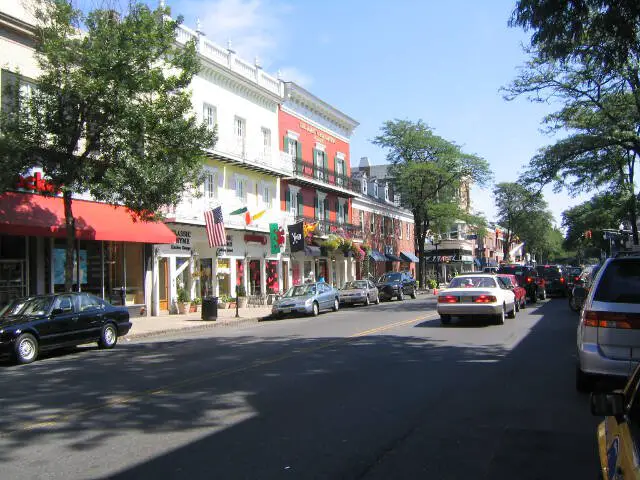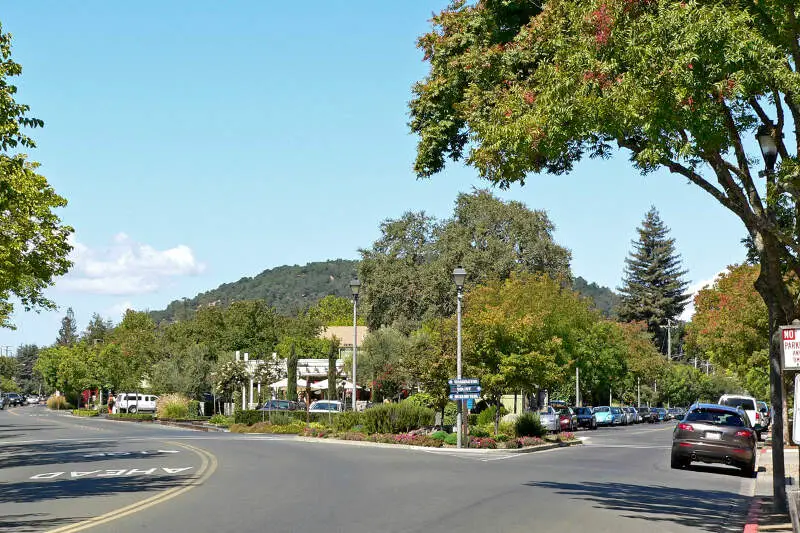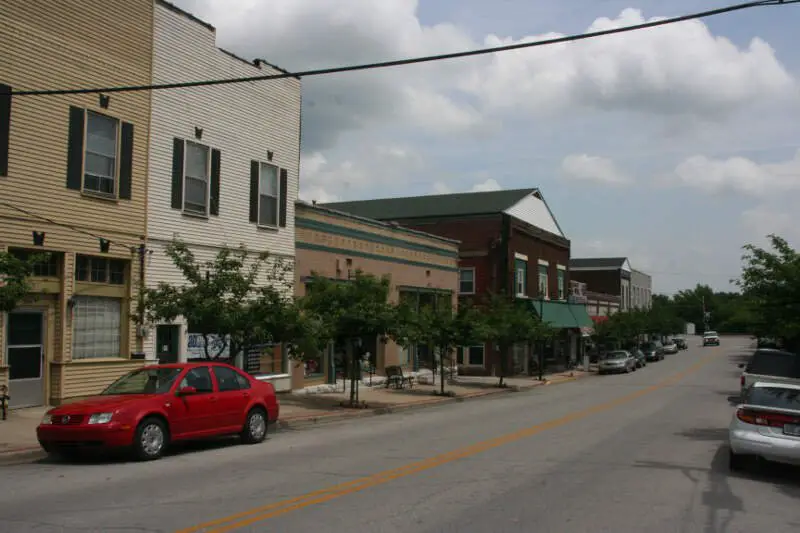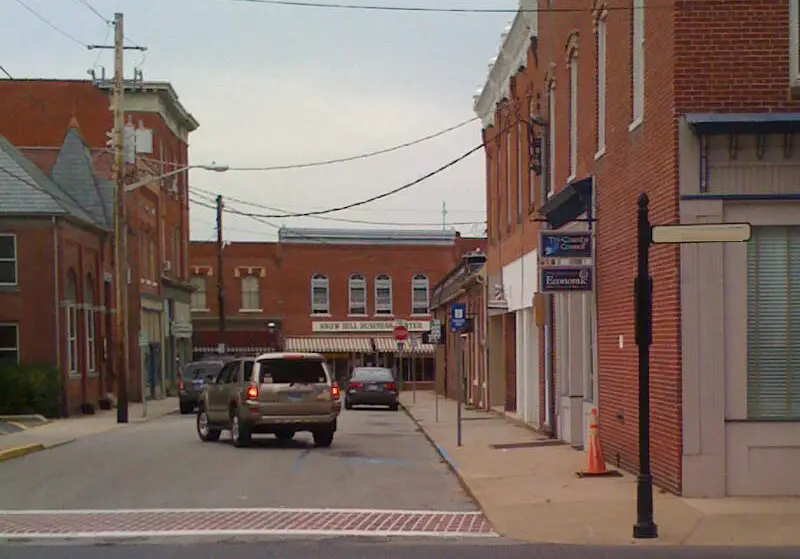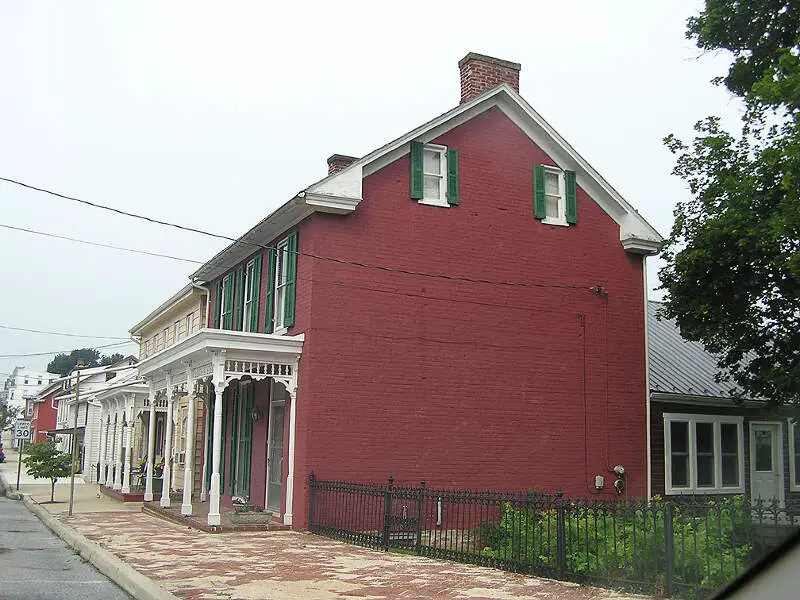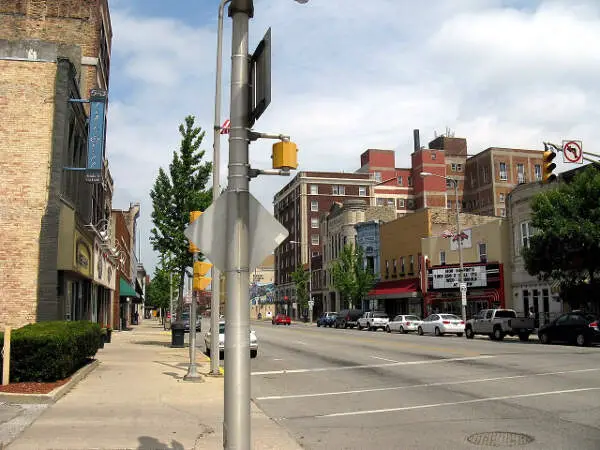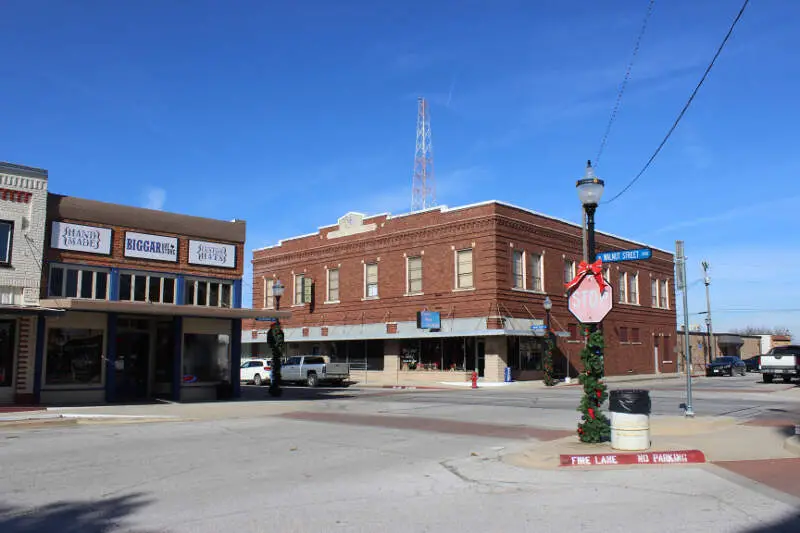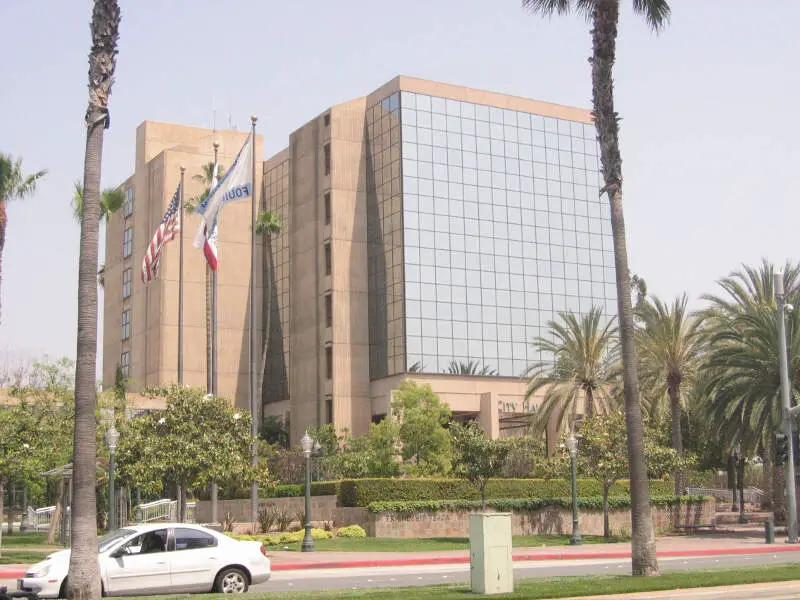
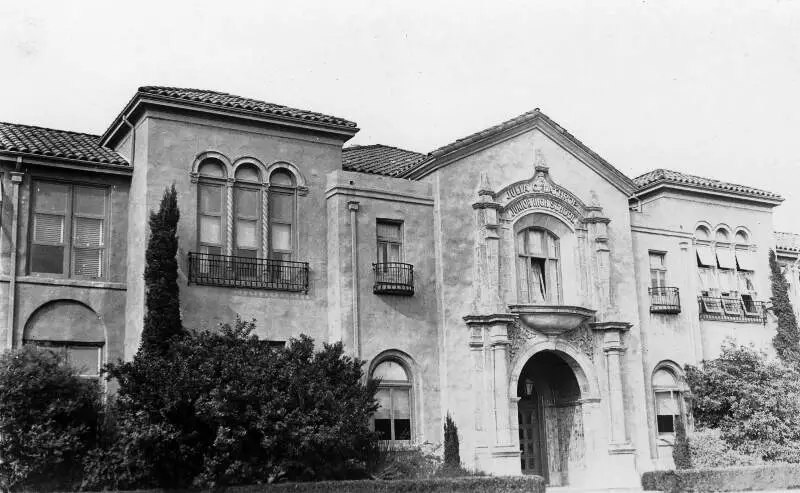
Santa Ana vs. Anaheim in photos
A side-by-side look at each city.




Cost of living
Santa Ana is the cheaper city overall — 4% higher in Anaheim than its rival. Index baseline: 100 = national average.
| Living expense | Santa Ana | Anaheim | US average |
|---|---|---|---|
| Overall | 161 | 168 | 100 |
| Services | 116 | 113 | 100 |
| Groceries | 118 | 119 | 100 |
| Health | 259 | 279 | 100 |
| Housing | 118 | 118 | 100 |
| Transportation | 122 | 119 | 100 |
| Utilities | 128 | 125 | 100 |
Lower index = cheaper. 100 = U.S. national average. Bar inside each cell scales relative to the highest value in the table.
Sources: HomeSnacks Cost of Living indices, normalized so 100 = U.S. national average. Drill in: Santa Ana cost of living, Anaheim cost of living, or the cheapest cities in America.
Housing breakdown
Home prices are higher in Anaheim. Compare absolute price and price-to-income — a $500k home in a $100k-income city is very different from one in a $50k-income city.
| Metric | Santa Ana | Anaheim | United States |
|---|---|---|---|
| Median Home Value | $866,065 | $950,503 | $332,700 |
| Median Rent | $2,082 | $2,175 | $1,413 |
| Median Income | $93,999 | $95,227 | $80,734 |
| Home Value To Income | 9.2x | 10.0x | 4.1x |
| Rent To Monthly Income | 0.27x | 0.27x | 0.21x |
Source: U.S. Census Bureau ACS 2020-2024. See also states with the highest rent in America.
Crime
Santa Ana is the safer city — total crime rate of 2,195 per 100k people vs 2,728 for Anaheim. US average: 2,119.
| Crime (per 100k) | Santa Ana | Anaheim | US average |
|---|---|---|---|
| Total crime | 2,195 | 2,728 | 2,119 |
| Murder | 5 | 4 | 5 |
| Robbery | 106 | 105 | 61 |
| Aggravated Assault | 330 | 437 | 256 |
| Violent Crime | 493 | 596 | 359 |
| Burglary | 226 | 348 | 229 |
| Larceny | 1,160 | 1,433 | 1,272 |
| Car Theft | 316 | 351 | 259 |
| Property Crime | 1,702 | 2,132 | 1,760 |
Lower = safer. Bar inside each cell scales relative to the highest crime rate in the table.
Source: FBI Uniform Crime Reporting (2024). All rates are per 100,000 people. City pages: Santa Ana crime, Anaheim crime. See also: safest cities in America.
Diversity
Anaheim is more racially diverse — lower HHI (closer to 0) means a more even mix across groups.
| Group | Santa Ana | Anaheim | United States |
|---|---|---|---|
| White | 8.9% | 22.8% | 57.4% |
| African American | 0.7% | 2.3% | 11.9% |
| American Indian | 0.1% | 0.1% | 0.5% |
| Asian | 12.3% | 18.0% | 5.9% |
| Hawaiian | 0.1% | 0.3% | 0.2% |
| Other | 0.2% | 0.4% | 0.6% |
| Two Or More | 1.0% | 3.0% | 4.3% |
| Hispanic | 76.6% | 53.2% | 19.3% |
Source: U.S. Census ACS 2020-2024. Lower HHI = more even racial mix. See also: most diverse cities in America.
SnackAbility — overall quality of life
Anaheim scores higher overall — 8/10 vs 7/10. SnackAbility is our 1–10 quality-of-life score; the median U.S. city scores a 7.
Scores are 0–10; both bars share the same scale.
SnackAbility is a HomeSnacks proprietary 1–10 score blending jobs, housing, education, commute, amenities, affordability, crime, and diversity. Median U.S. city ≈ 7. Data: Census, BLS, FBI. See also: best places to live in America.
Getting around: Santa Ana vs. Anaheim
How each city handles commuting, transit, walkability, and car culture — the day-to-day reality that shapes where you'd actually want to live.
Both Santa Ana and Anaheim sit deep in Orange County's freeway grid, so if you commute by car, expect real time on the I-5, SR-22, SR-57, or SR-91 depending on your direction. Santa Ana has a slight edge for transit riders: it anchors the OC Streetcar corridor along Fourth Street and Bristol, and the downtown Amtrak/Metrolink station gives you a one-seat ride to Los Angeles Union Station.
Anaheim counters with ARTIC (the Anaheim Regional Transportation Intermodal Center near Angel Stadium), where Metrolink and OCTA buses converge. The Anaheim Resort Transit (ART) shuttles make car-free trips to the Disneyland resort district genuinely workable.
Neither city is walkable by national standards, but Santa Ana's denser urban core means more errands can be done on foot or by bike than in Anaheim's more spread-out layout.
Jobs and careers in Santa Ana vs. Anaheim
The local job market, dominant industries, and which city to choose based on your career.
The two cities post nearly identical median household incomes ($93,999 in Santa Ana versus $95,227 in Anaheim), but their job markets have distinct personalities. Santa Ana is Orange County's government hub: the county seat brings courts, social services, and public administration jobs, and major healthcare employers like CHOC Children's and Providence St. Joseph Hospital anchor the sector. Legal and professional services firms cluster around the civic center.
Anaheim leans heavily on entertainment and hospitality. Disney is the region's largest private employer, and the Anaheim Convention Center, Honda Center, and Angel Stadium support a network of event, food-service, and facilities jobs. Anaheim also has a meaningful manufacturing and biotech corridor along the 91 freeway near Anaheim Hills.
If you want stability in government or healthcare, Santa Ana is the stronger base; if you're in hospitality, events, or sports business, Anaheim is hard to beat.
Weather and climate
What to expect day-to-day — sun, fog, heat, rain, and the seasonal extremes that shape the lifestyle.
You'll find the climates in Santa Ana and Anaheim nearly indistinguishable. Both sit far enough inland to miss the marine layer that cools coastal cities like Newport Beach, so summers run warmer and sunnier. Expect July highs regularly in the low 90s, cooler evenings, and far less humidity than most of the country.
Winters are genuinely mild, with daytime temperatures typically in the 65–75°F range and overnight lows rarely dipping below 45°F. Rainfall is sparse and almost entirely confined to December through March.
The one shared hazard is the Santa Ana wind events: hot, dry offshore gusts that blow through the region every fall and occasionally in spring, spiking wildfire risk in surrounding hillside communities. Anaheim Hills, on Anaheim's eastern edge, sits closer to that fire-prone interface than central Santa Ana does.
Culture, nightlife, and entertainment
Food, music, neighborhoods, and the city vibe that gives each place its personality.
Santa Ana punches well above its tourism profile in local culture. The Artists Village near downtown and the Grand Central Art Center, operated by Cal State Fullerton, anchor a genuine arts scene with galleries, studios, and live music venues. The Fourth Street corridor (locally called "Calle Cuatro") is lined with taquerias, Mexican bakeries, and Latin music spots that reflect the city's deep roots as one of California's most Latino major cities.
Anaheim's cultural identity is shaped almost entirely by the resort district: Downtown Disney, the Disneyland parks, and a revolving calendar of Angels and Ducks games give the city outsized entertainment infrastructure. That's great if you want world-class concerts at the Honda Center or a theme park on a Tuesday, but the local independent bar and restaurant scene outside the resort district is thinner.
If you value a gritty, authentic neighborhood food-and-arts culture, Santa Ana wins; if you want built-in entertainment on demand, Anaheim has few peers.
Outdoor activities and day trips
Parks, beaches, hikes, and the weekend escapes that define life outside the city limits.
Neither city is a nature destination on its own, but both put you within easy reach of genuinely good outdoor options. From Santa Ana, the Santa Ana River Trail (a paved multi-use path) runs from downtown toward the coast at Huntington Beach, one of the better urban cycling corridors in Southern California. Centennial Regional Park and Delhi Park cover everyday needs, and Santiago Oaks Regional Park and Irvine Regional Park are under 30 minutes away in the foothills.
Anaheim residents have quick access to Yorba Regional Park along the river. Anaheim Hills, the city's eastern, hillier section, offers canyon hiking and equestrian trails with views toward the Cleveland National Forest. Both cities sit about 45 minutes from Newport and Huntington beaches and roughly 90 minutes from Big Bear Lake for skiing or summer hiking.
The practical difference is small, but Anaheim Hills gives that city a slight natural-recreation edge for residents willing to live on its eastern side.
Bottom line: which city is right for you?
Based on the head-to-head data above, here's the short version — pick the city that lines up with what you actually care about.
Choose Santa Ana if you prioritize…
- a lower cost of living (cheaper groceries, services, and day-to-day expenses).
- lower crime — a safer place to live, work, and raise a family.
Choose Anaheim if you prioritize…
- more affordable housing relative to Santa Ana.
- a more racially diverse community (lower HHI on Census data).
- a higher overall SnackAbility quality-of-life score.
Methodology: winners are picked from public data — U.S. Census Bureau ACS (income, home value, rent, race/HHI), FBI Uniform Crime Reporting (crime rates per 100k), and HomeSnacks' proprietary SnackAbility quality-of-life score, which blends Bureau of Labor Statistics data with the above.
Other comparisons
Still weighing your options? See how these two cities stack up against other places we've compared head-to-head.