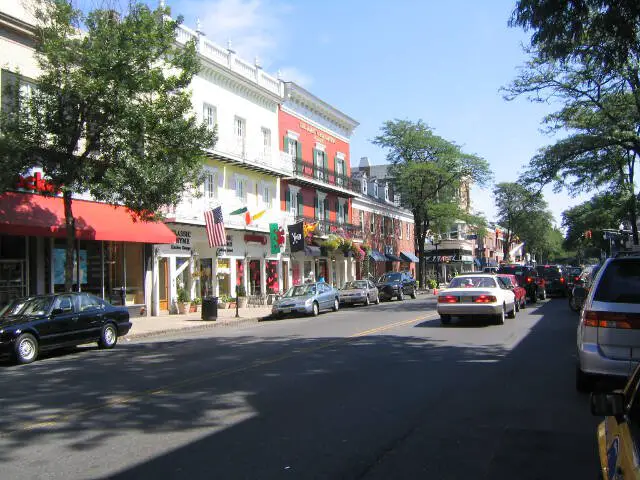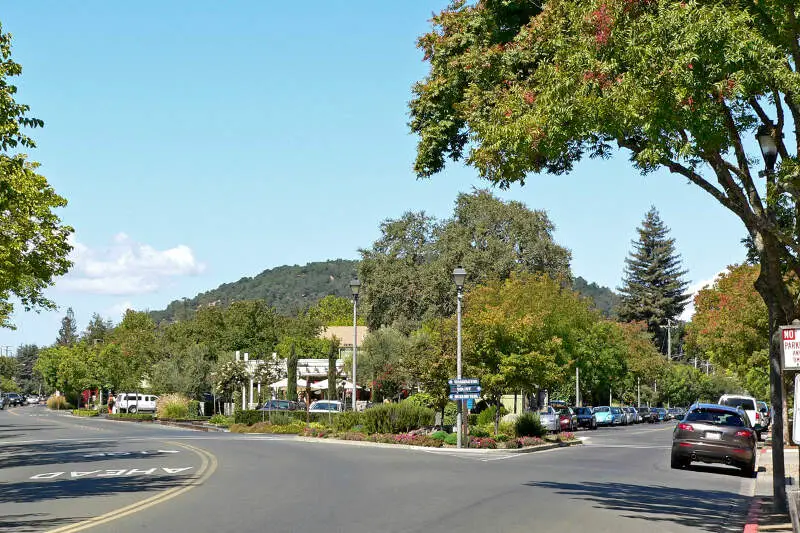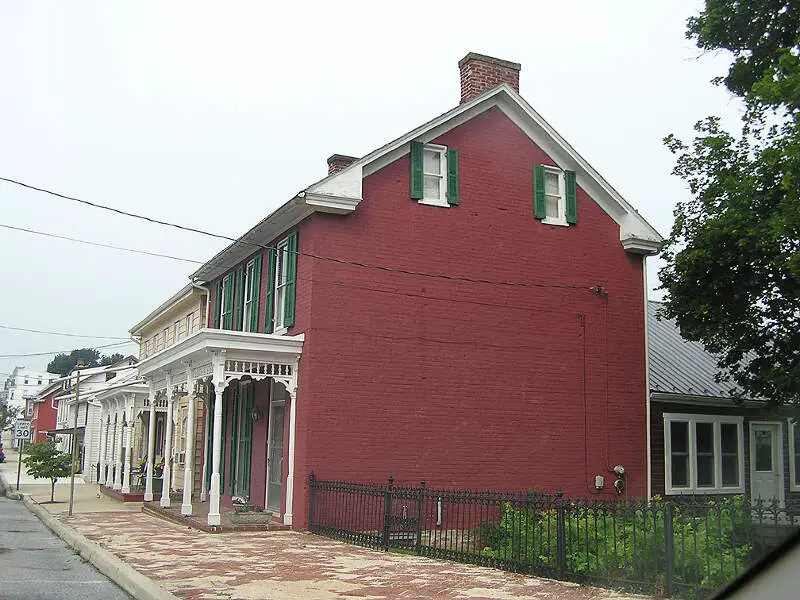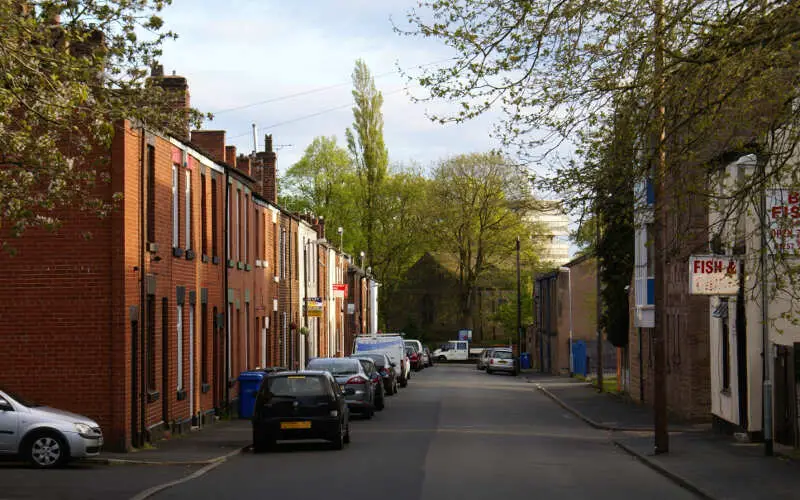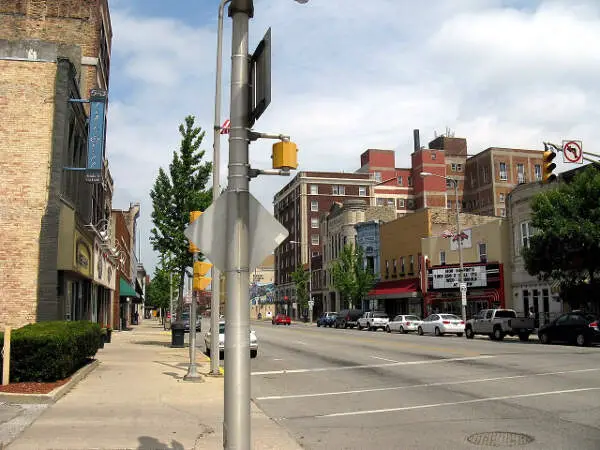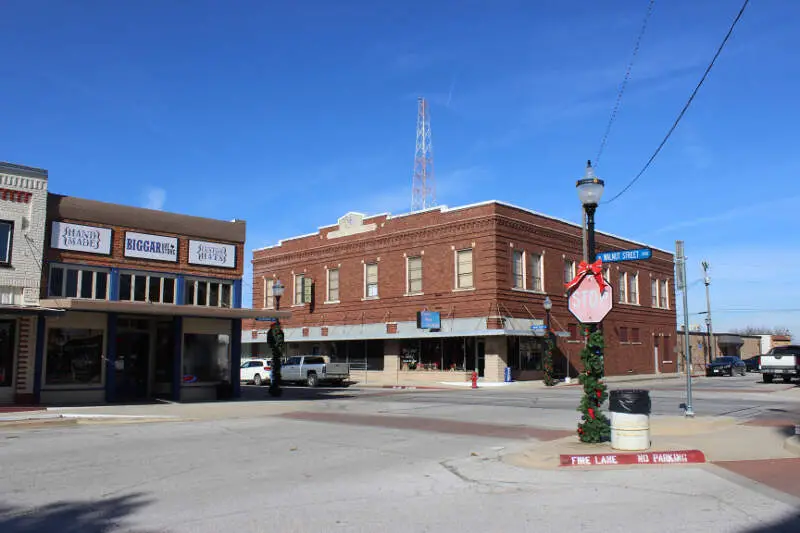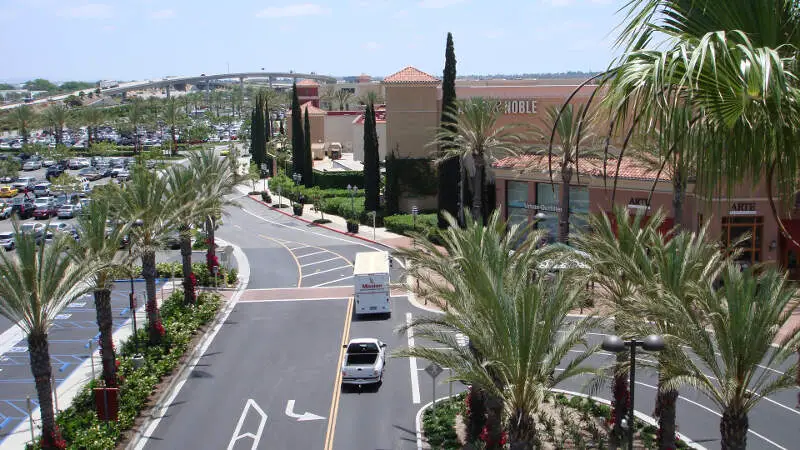
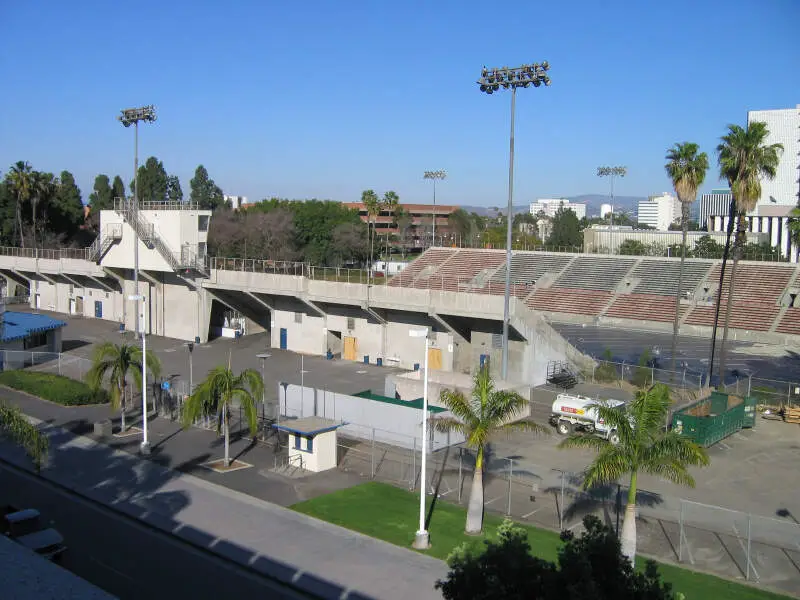
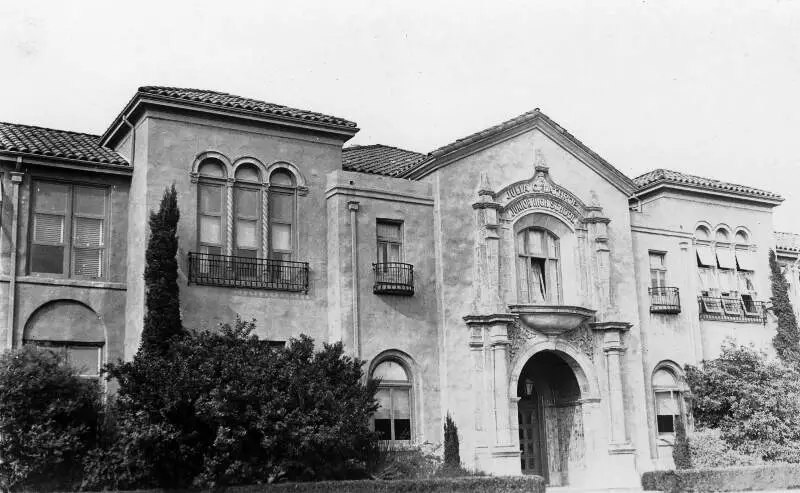
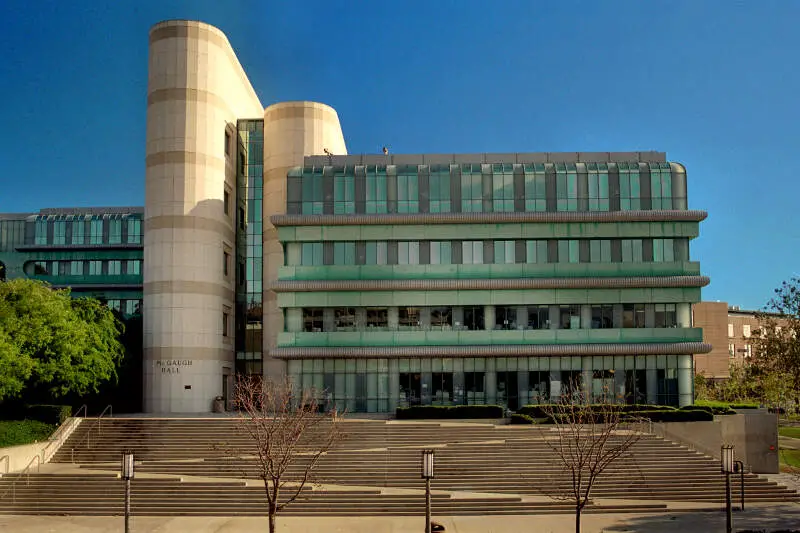
Santa Ana vs. Irvine in photos
A side-by-side look at each city.


Cost of living
Santa Ana is the cheaper city overall — 23% higher in Irvine than its rival. Index baseline: 100 = national average.
| Living expense | Santa Ana | Irvine | US average |
|---|---|---|---|
| Overall | 161 | 209 | 100 |
| Services | 116 | 119 | 100 |
| Groceries | 118 | 120 | 100 |
| Health | 259 | 409 | 100 |
| Housing | 118 | 124 | 100 |
| Transportation | 122 | 125 | 100 |
| Utilities | 128 | 129 | 100 |
Lower index = cheaper. 100 = U.S. national average. Bar inside each cell scales relative to the highest value in the table.
Sources: HomeSnacks Cost of Living indices, normalized so 100 = U.S. national average. Drill in: Santa Ana cost of living, Irvine cost of living, or the cheapest cities in America.
Housing breakdown
Home prices are higher in Santa Ana. Compare absolute price and price-to-income — a $500k home in a $100k-income city is very different from one in a $50k-income city.
| Metric | Santa Ana | Irvine | United States |
|---|---|---|---|
| Median Home Value | $866,065 | $1,557,981 | $332,700 |
| Median Rent | $2,082 | $2,997 | $1,413 |
| Median Income | $93,999 | $136,719 | $80,734 |
| Home Value To Income | 9.2x | 11.4x | 4.1x |
| Rent To Monthly Income | 0.27x | 0.26x | 0.21x |
Source: U.S. Census Bureau ACS 2020-2024. See also states with the highest rent in America.
Crime
Irvine is the safer city — total crime rate of 1,474 per 100k people vs 2,195 for Santa Ana. US average: 2,119.
| Crime (per 100k) | Santa Ana | Irvine | US average |
|---|---|---|---|
| Total crime | 2,195 | 1,474 | 2,119 |
| Murder | 5 | 2 | 5 |
| Robbery | 106 | 22 | 61 |
| Aggravated Assault | 330 | 47 | 256 |
| Violent Crime | 493 | 84 | 359 |
| Burglary | 226 | 198 | 229 |
| Larceny | 1,160 | 1,122 | 1,272 |
| Car Theft | 316 | 70 | 259 |
| Property Crime | 1,702 | 1,390 | 1,760 |
Lower = safer. Bar inside each cell scales relative to the highest crime rate in the table.
Source: FBI Uniform Crime Reporting (2024). All rates are per 100,000 people. City pages: Santa Ana crime, Irvine crime. See also: safest cities in America.
Diversity
Irvine is more racially diverse — lower HHI (closer to 0) means a more even mix across groups.
| Group | Santa Ana | Irvine | United States |
|---|---|---|---|
| White | 8.9% | 34.3% | 57.4% |
| African American | 0.7% | 1.9% | 11.9% |
| American Indian | 0.1% | 0.1% | 0.5% |
| Asian | 12.3% | 44.6% | 5.9% |
| Hawaiian | 0.1% | 0.4% | 0.2% |
| Other | 0.2% | 0.8% | 0.6% |
| Two Or More | 1.0% | 6.4% | 4.3% |
| Hispanic | 76.6% | 11.4% | 19.3% |
Source: U.S. Census ACS 2020-2024. Lower HHI = more even racial mix. See also: most diverse cities in America.
SnackAbility — overall quality of life
Irvine scores higher overall — 9/10 vs 7/10. SnackAbility is our 1–10 quality-of-life score; the median U.S. city scores a 7.
Scores are 0–10; both bars share the same scale.
SnackAbility is a HomeSnacks proprietary 1–10 score blending jobs, housing, education, commute, amenities, affordability, crime, and diversity. Median U.S. city ≈ 7. Data: Census, BLS, FBI. See also: best places to live in America.
Getting around: Santa Ana vs. Irvine
How each city handles commuting, transit, walkability, and car culture — the day-to-day reality that shapes where you'd actually want to live.
Both cities sit inside Orange County's freeway grid, so car ownership is basically assumed in either place. Santa Ana is where the 5, 55, and 22 freeways converge, making the road network central to daily life and noticeably congested during rush hour. The Metrolink Orange County Line stops at Santa Ana Station, and OCTA buses run frequently across the city, useful if you work in the county core without a car.
Irvine runs on the same Metrolink line and benefits from a master-planned street grid that tends to move traffic more smoothly than Santa Ana's older layout. John Wayne Airport sits right inside Irvine's borders, which matters if you travel for work. Irvine also has one of Southern California's most extensive off-street bike trail networks, connecting neighborhoods directly to UCI's campus and major parks, practical in a way Santa Ana's bike infrastructure simply isn't yet.
Jobs and careers in Santa Ana vs. Irvine
The local job market, dominant industries, and which city to choose based on your career.
Santa Ana's economy leans on the public sector, healthcare, and services. Orange County's government offices are headquartered here, CHOC (Children's Hospital of Orange County) is a major employer, and a dense retail and hospitality base fills out the job market. The median household income sits at $93,999, reflecting a working- to middle-class range.
Irvine's median household income of $136,719 is driven by tech, biotech, and finance. Edwards Lifesciences, Broadcom, Blizzard Entertainment, and dozens of firms clustered around the Irvine Spectrum and UCI Research Park make this a strong white-collar job market. UC Irvine adds academic, research, and healthcare careers on top.
If your field is life sciences, software, or finance, Irvine puts you closer to the action. Santa Ana is more competitive for those industries but far more affordable to live in while you commute.
Weather and climate
What to expect day-to-day — sun, fog, heat, rain, and the seasonal extremes that shape the lifestyle.
Santa Ana and Irvine share the same basic Mediterranean climate: warm, dry summers and mild winters. Their microclimates diverge enough to notice, though. Santa Ana sits slightly more inland and regularly sees summer highs push into the low-to-mid 90s; it also gave its name to the Santa Ana winds, those hot, dry gusts that roll through in fall and early winter.
Irvine runs a few degrees cooler in peak summer, partly due to its more open, green-canopy layout, and is slightly better buffered from the worst wind events. Winter is gentle in both cities, with lows that rarely dip below the low 40s and no snow. Annual rainfall hovers around 13 to 14 inches in each city, concentrated between November and March.
Both cities clock roughly 280 sunny days per year, so outdoor plans hold up reliably most of the time regardless of which side of the 405 you land on.
Culture, nightlife, and entertainment
Food, music, neighborhoods, and the city vibe that gives each place its personality.
Downtown Santa Ana (DTSA) has become one of Orange County's most culturally interesting neighborhoods, and it's easy to underestimate. The Artists Village anchors a walkable strip of galleries, independent bars, and restaurants, and the Bowers Museum gives the area real institutional weight. The city's majority-Latino community shapes a food scene that stands apart in the county: taquerias, panaderias, and mercados along Fourth Street and Bristol serve some of the most authentic Mexican food in Southern California.
Irvine's cultural life is more campus-driven and suburban. UCI's Bren Events Center hosts concerts and touring acts, and the Claire Trevor School of the Arts keeps a serious performance calendar.
The Irvine Spectrum Center draws crowds for dining and weekend entertainment, but late-night bar culture is thin. Most Irvine residents who want a proper night out head to Newport Beach, Laguna Beach, or DTSA itself. If nightlife energy matters to you, Santa Ana has a clear edge.
Outdoor activities and day trips
Parks, beaches, hikes, and the weekend escapes that define life outside the city limits.
Santa Ana has usable green space for a dense urban city. Santiago Park follows the Santa Ana River and links into a regional trail network, and Centennial Regional Park provides open fields and picnic areas. Truly wild terrain, though, requires a short drive out of the city's core.
Irvine offers considerably more. The Great Park, built on the former El Toro Marine Corps Air Station, anchors hundreds of acres of sports fields, a balloon, a farmers market, and open lawn. Irvine Regional Park in the adjacent hills has hiking, equestrian trails, and a small zoo.
The Irvine Open Space Preserve connects directly to Whiting Ranch Wilderness Park and Cleveland National Forest trailheads, putting serious mountain biking and hiking inside city limits. For beach days, both cities sit roughly 15 to 20 minutes from Newport Beach and Laguna Beach by car, so coastal access is comparable. Irvine just gives you considerably more to do before you even leave town.
Bottom line: which city is right for you?
Based on the head-to-head data above, here's the short version — pick the city that lines up with what you actually care about.
Choose Santa Ana if you prioritize…
- a lower cost of living (cheaper groceries, services, and day-to-day expenses).
- more affordable housing relative to Irvine.
Choose Irvine if you prioritize…
- lower crime — a safer place to live, work, and raise a family.
- a more racially diverse community (lower HHI on Census data).
- a higher overall SnackAbility quality-of-life score.
Methodology: winners are picked from public data — U.S. Census Bureau ACS (income, home value, rent, race/HHI), FBI Uniform Crime Reporting (crime rates per 100k), and HomeSnacks' proprietary SnackAbility quality-of-life score, which blends Bureau of Labor Statistics data with the above.
Other comparisons
Still weighing your options? See how these two cities stack up against other places we've compared head-to-head.