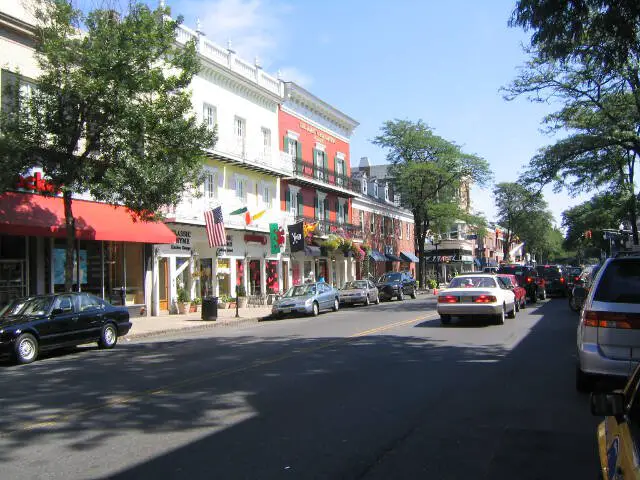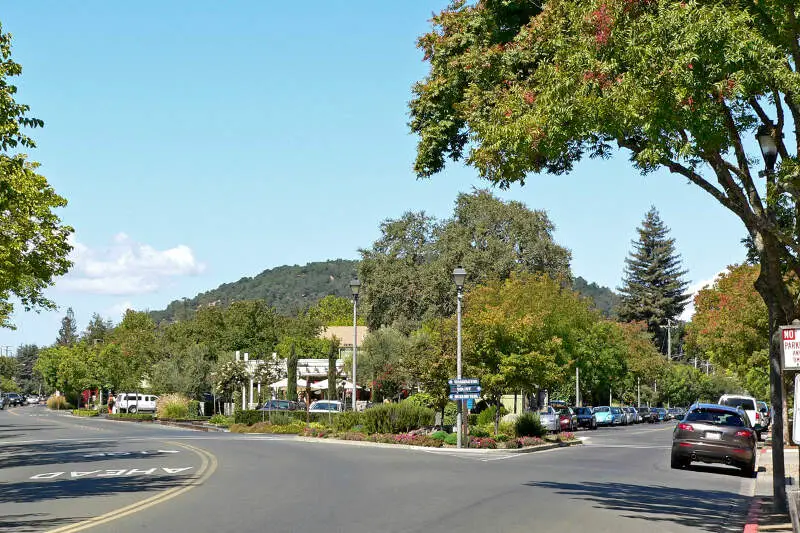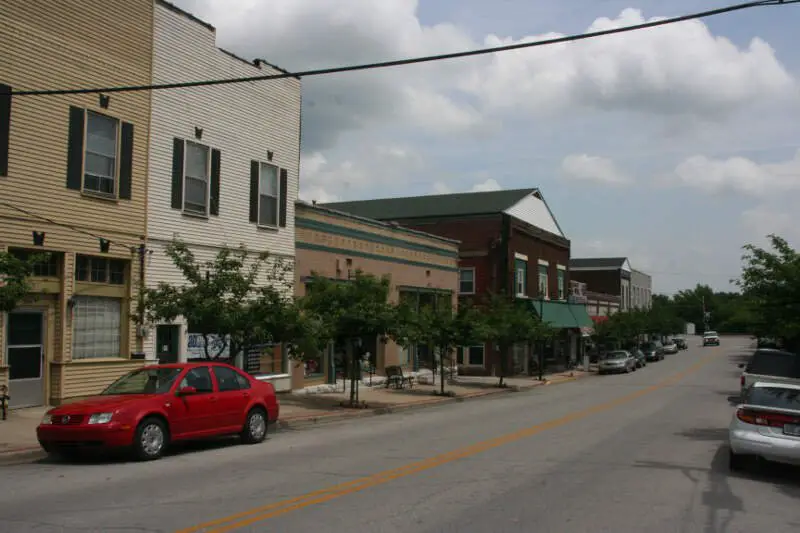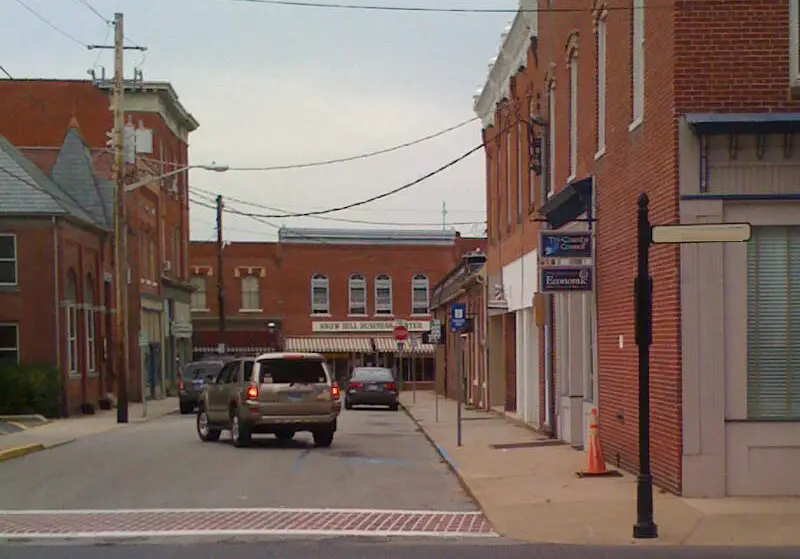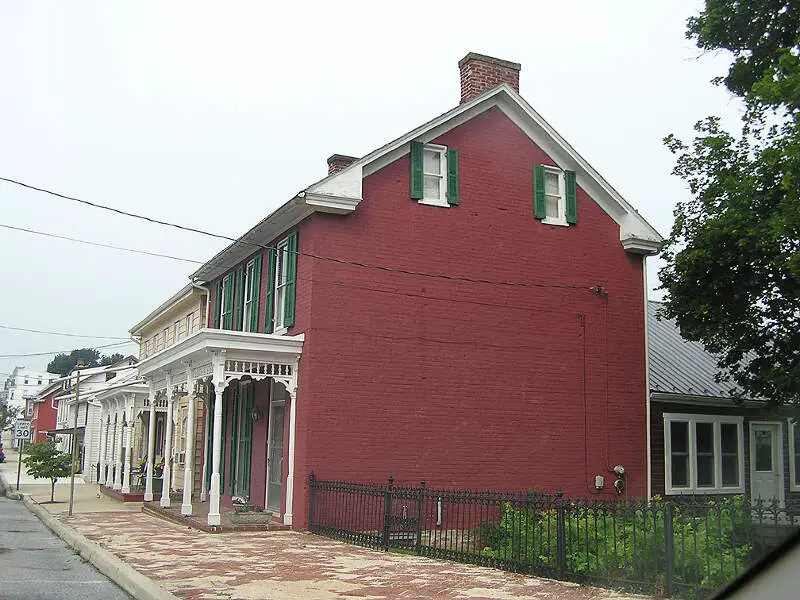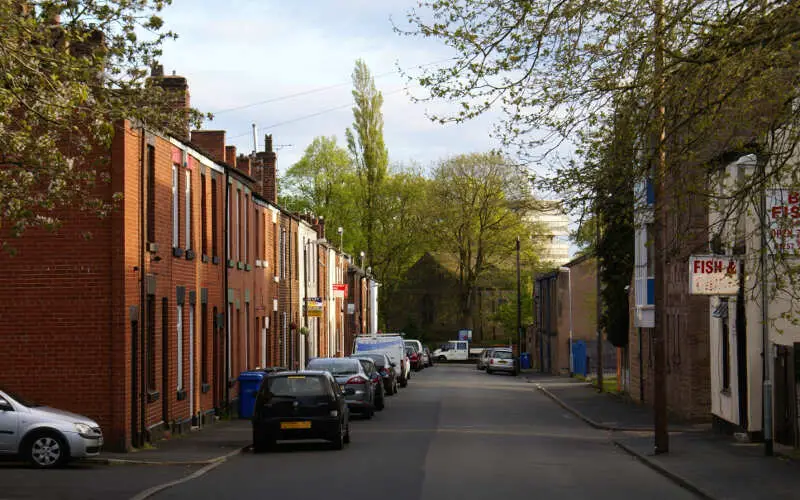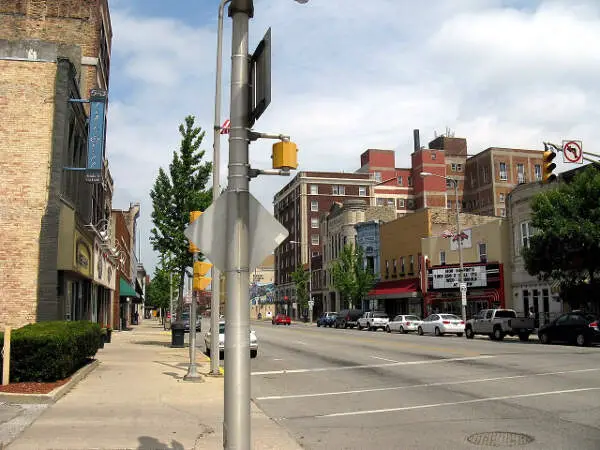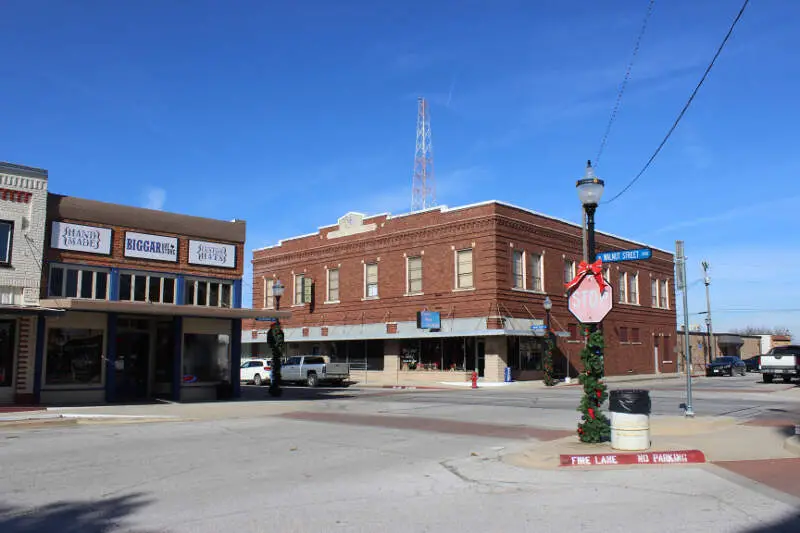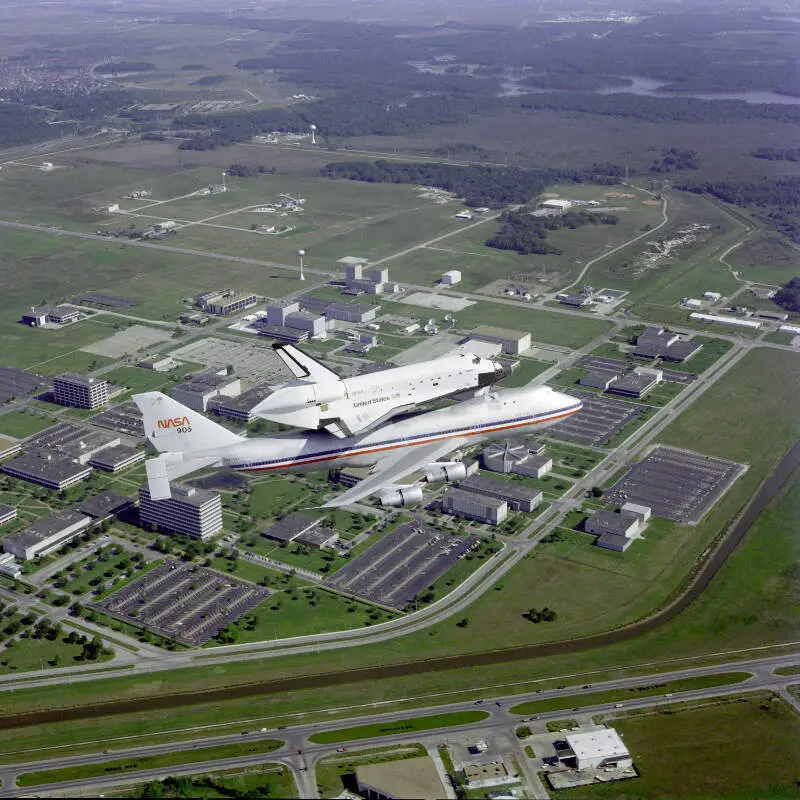
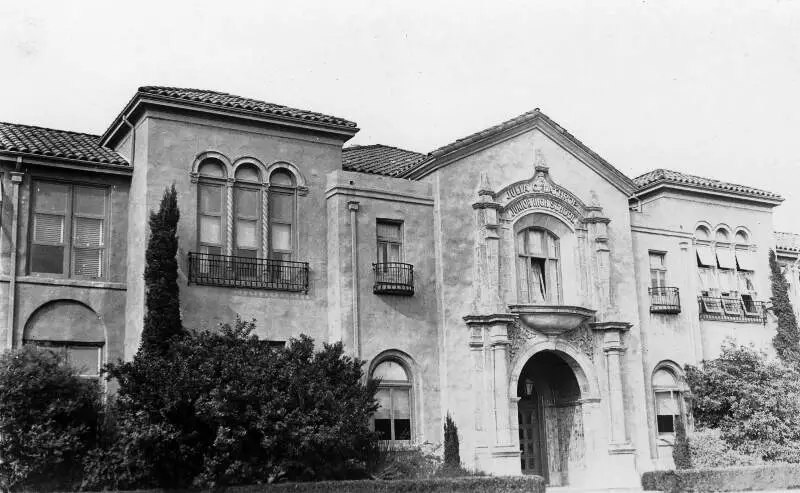
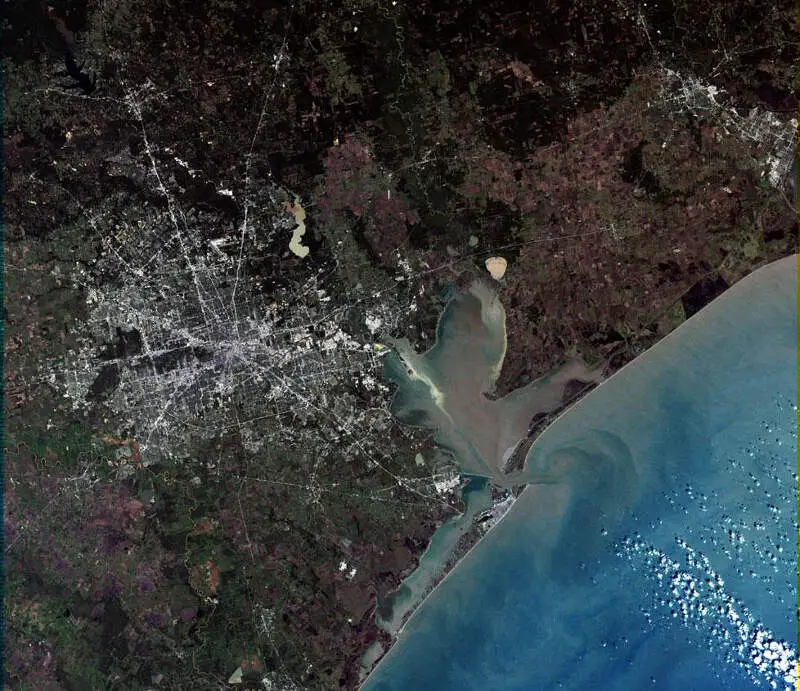
Santa Ana vs. Houston in photos
A side-by-side look at each city.



Cost of living
Houston is the cheaper city overall — 55% higher in Santa Ana than its rival. Index baseline: 100 = national average.
| Living expense | Santa Ana | Houston | US average |
|---|---|---|---|
| Overall | 161 | 104 | 100 |
| Services | 116 | 104 | 100 |
| Groceries | 118 | 98 | 100 |
| Health | 259 | 106 | 100 |
| Housing | 118 | 102 | 100 |
| Transportation | 122 | 104 | 100 |
| Utilities | 128 | 98 | 100 |
Lower index = cheaper. 100 = U.S. national average. Bar inside each cell scales relative to the highest value in the table.
Sources: HomeSnacks Cost of Living indices, normalized so 100 = U.S. national average. Drill in: Santa Ana cost of living, Houston cost of living, or the cheapest cities in America.
Housing breakdown
Home prices are higher in Santa Ana. Compare absolute price and price-to-income — a $500k home in a $100k-income city is very different from one in a $50k-income city.
| Metric | Santa Ana | Houston | United States |
|---|---|---|---|
| Median Home Value | $866,065 | $264,336 | $332,700 |
| Median Rent | $2,082 | $1,361 | $1,413 |
| Median Income | $93,999 | $64,813 | $80,734 |
| Home Value To Income | 9.2x | 4.1x | 4.1x |
| Rent To Monthly Income | 0.27x | 0.25x | 0.21x |
Source: U.S. Census Bureau ACS 2020-2024. See also states with the highest rent in America.
Crime
Santa Ana is the safer city — total crime rate of 2,195 per 100k people vs 5,442 for Houston. US average: 2,119.
| Crime (per 100k) | Santa Ana | Houston | US average |
|---|---|---|---|
| Total crime | 2,195 | 5,442 | 2,119 |
| Murder | 5 | 14 | 5 |
| Robbery | 106 | 274 | 61 |
| Aggravated Assault | 330 | 787 | 256 |
| Violent Crime | 493 | 1,148 | 359 |
| Burglary | 226 | 645 | 229 |
| Larceny | 1,160 | 2,946 | 1,272 |
| Car Theft | 316 | 703 | 259 |
| Property Crime | 1,702 | 4,293 | 1,760 |
Lower = safer. Bar inside each cell scales relative to the highest crime rate in the table.
Source: FBI Uniform Crime Reporting (2024). All rates are per 100,000 people. City pages: Santa Ana crime, Houston crime. See also: safest cities in America.
Diversity
Houston is more racially diverse — lower HHI (closer to 0) means a more even mix across groups.
| Group | Santa Ana | Houston | United States |
|---|---|---|---|
| White | 8.9% | 23.2% | 57.4% |
| African American | 0.7% | 22.3% | 11.9% |
| American Indian | 0.1% | 0.1% | 0.5% |
| Asian | 12.3% | 6.9% | 5.9% |
| Hawaiian | 0.1% | 0.1% | 0.2% |
| Other | 0.2% | 0.4% | 0.6% |
| Two Or More | 1.0% | 2.8% | 4.3% |
| Hispanic | 76.6% | 44.2% | 19.3% |
Source: U.S. Census ACS 2020-2024. Lower HHI = more even racial mix. See also: most diverse cities in America.
SnackAbility — overall quality of life
Santa Ana scores higher overall — 7/10 vs 4/10. SnackAbility is our 1–10 quality-of-life score; the median U.S. city scores a 7.
Scores are 0–10; both bars share the same scale.
SnackAbility is a HomeSnacks proprietary 1–10 score blending jobs, housing, education, commute, amenities, affordability, crime, and diversity. Median U.S. city ≈ 7. Data: Census, BLS, FBI. See also: best places to live in America.
Getting around: Santa Ana vs. Houston
How each city handles commuting, transit, walkability, and car culture — the day-to-day reality that shapes where you'd actually want to live.
Santa Ana sits at the intersection of the 5, 22, and 55 freeways in Orange County, which sounds like a commuter's advantage until you're stuck in peak-hour gridlock on all three. The OC Streetcar now runs between Santa Ana's Regional Transportation Center and Garden Grove, and Metrolink offers a slow but parking-friendly connection into downtown Los Angeles. Most residents still drive everywhere; OCTA buses fill in the gaps but don't change that basic reality.
Houston is even more car-dependent, with one of the highest per-capita vehicle miles traveled of any large U.S. city. The METRO rail system (the Red, Green, and Purple lines) covers a narrow corridor through Midtown and the Museum District but skips most neighborhoods, and commutes across a metro nearly 70 miles wide on the I-610 loop, I-10, and I-45 can be punishing. If you work near the Texas Medical Center or downtown Houston, METRO rail is worth using; otherwise, plan your life around your car.
Jobs and careers in Santa Ana vs. Houston
The local job market, dominant industries, and which city to choose based on your career.
Santa Ana is the Orange County seat, so local government, courts, and healthcare anchor a lot of employment. CHOC Children's Hospital and Western Medical Center are major local employers, and the broader OC economy puts you within a short drive of headquarters for Edwards Lifesciences, Broadcom, and the Disneyland Resort in Anaheim. The median household income here is $93,999, well above Houston's $64,813, but that gap closes fast against Orange County's cost of living index of 161 versus Houston's 104.
Houston is the country's energy capital, with ExxonMobil, Chevron, Shell, and ConocoPhillips all maintaining major presences here. The Texas Medical Center, the world's largest medical complex, employs over 100,000 people, and NASA's Johnson Space Center supports a meaningful aerospace sector. Texas has no state income tax, which matters when comparing take-home pay, and if your career is in energy, medicine, or aerospace, Houston's job market is hard to beat at that cost of living.
Weather and climate
What to expect day-to-day — sun, fog, heat, rain, and the seasonal extremes that shape the lifestyle.
Santa Ana has a classic Mediterranean climate, with summers in the mid-to-upper 80s, mild winters that rarely dip below the 50s, and roughly 280 sunny days a year. The main wild card is the Santa Ana winds, hot, dry offshore gusts that arrive in fall and early winter, spike fire risk across the region, and can push temperatures into the 90s in October. Humidity stays low year-round, which keeps even the warmer months comfortable compared to most of the country.
Summers in Houston run long and humid, with 90-plus-degree days from May through September and dew points that make the heat feel worse than the thermometer shows. Winters are usually mild, but ice storms (and, as 2021 showed, far worse) can arrive with little warning, and hurricane season runs June through November across the Gulf Coast.
Annual rainfall tops 50 inches, roughly four times what Santa Ana receives. If you're coming from a dry climate, the humidity adjustment takes a full season.
Culture, nightlife, and entertainment
Food, music, neighborhoods, and the city vibe that gives each place its personality.
Downtown Santa Ana (known locally as DTSA) is one of Orange County's most interesting urban neighborhoods, with independent galleries, cocktail bars, and restaurants packed into a walkable grid around 4th Street and the Artists Village. The city has a deep Mexican-American cultural identity that shows up in its food scene, street murales, and festivals like the annual Fiestas Patrias celebration. You're also 10 minutes from Anaheim's entertainment corridor and a short drive from the Newport Beach and Laguna Beach arts communities.
Houston's cultural scene is deeper than its reputation as a sprawling car city suggests. The Museum District collects 19 institutions within walking distance, including the Menil Collection and the Museum of Fine Arts, and Montrose is the city's bohemian and LGBTQ hub, with independent restaurants, dive bars, and live music venues. The Theater District downtown rivals most U.S. cities in programming, and the city's demographic diversity means you can find exceptional Vietnamese, Nigerian, Salvadoran, and Indian food all within a few miles of each other.
Outdoor activities and day trips
Parks, beaches, hikes, and the weekend escapes that define life outside the city limits.
Santa Ana itself is a dense urban city with limited parkland, but its position in Orange County is the real outdoor asset. Newport Beach and Huntington Beach are roughly 30 minutes away, putting surf breaks and beachfront bike paths within a weekend morning's reach, and Santiago Oaks Regional Park and Irvine Regional Park offer hiking and mountain biking in the foothills just east of the city. The Cleveland National Forest and Big Bear Lake are a 90-minute drive for day hikes, skiing, and camping.
Houston is flat, but the city has invested seriously in urban greenspace. Memorial Park (over 1,400 acres inside the loop) has an extensive trail system popular with cyclists and runners, and Buffalo Bayou Park threads through the city connecting several neighborhoods by trail. Galveston Island is about an hour south for beach days, and the Big Thicket National Preserve to the northeast offers genuine wilderness hiking through one of North America's most biologically diverse regions.
Bottom line: which city is right for you?
Based on the head-to-head data above, here's the short version — pick the city that lines up with what you actually care about.
Choose Santa Ana if you prioritize…
- lower crime — a safer place to live, work, and raise a family.
- more affordable housing relative to Houston.
- a higher overall SnackAbility quality-of-life score.
Choose Houston if you prioritize…
- a lower cost of living (cheaper groceries, services, and day-to-day expenses).
- a more racially diverse community (lower HHI on Census data).
Methodology: winners are picked from public data — U.S. Census Bureau ACS (income, home value, rent, race/HHI), FBI Uniform Crime Reporting (crime rates per 100k), and HomeSnacks' proprietary SnackAbility quality-of-life score, which blends Bureau of Labor Statistics data with the above.
Other comparisons
Still weighing your options? See how these two cities stack up against other places we've compared head-to-head.