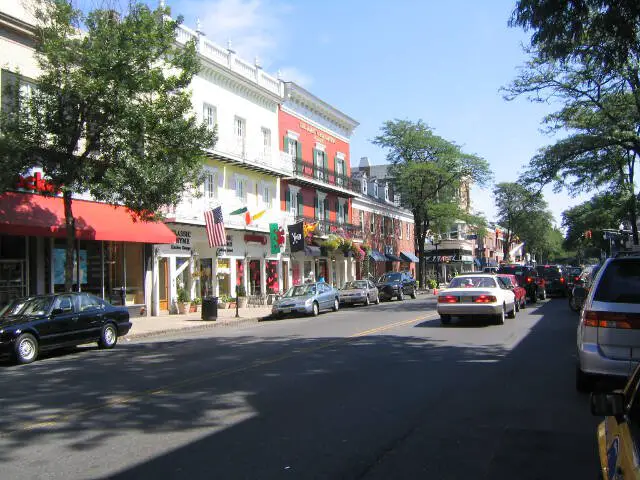
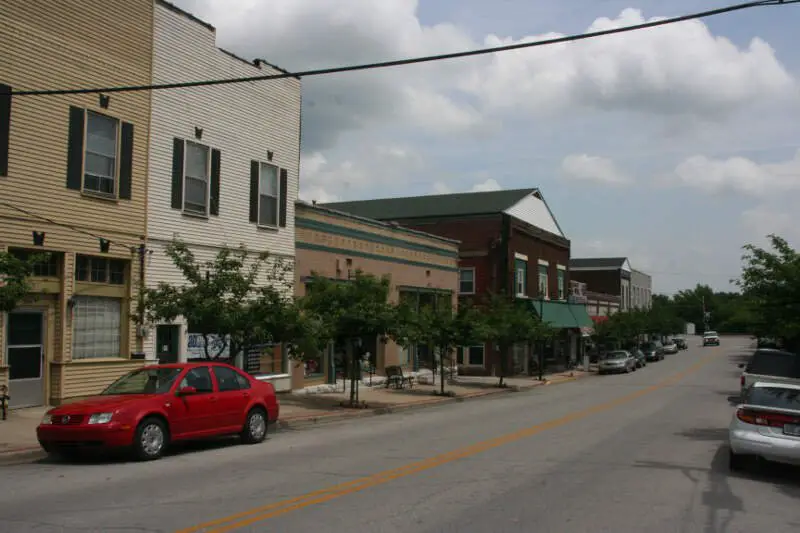
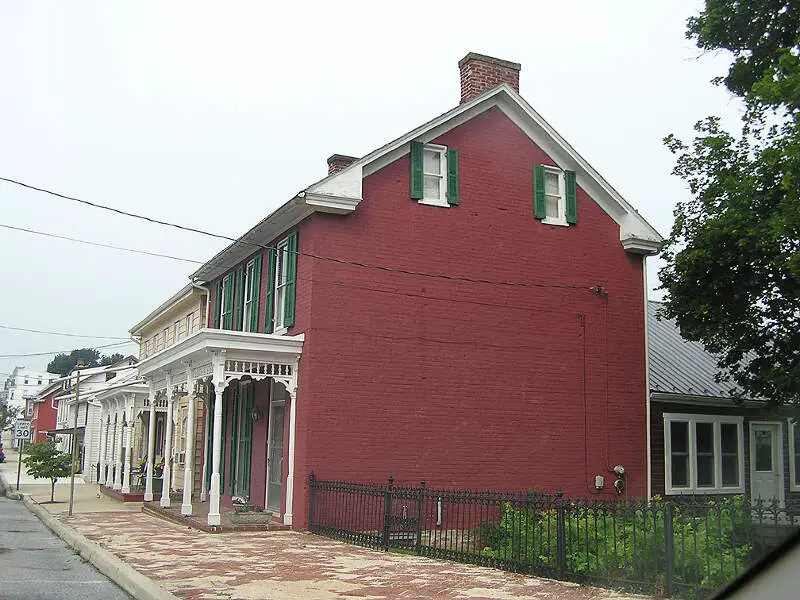
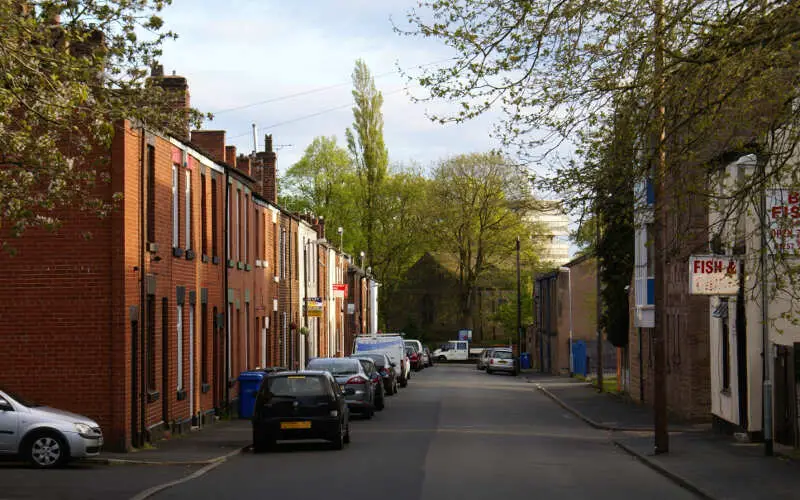
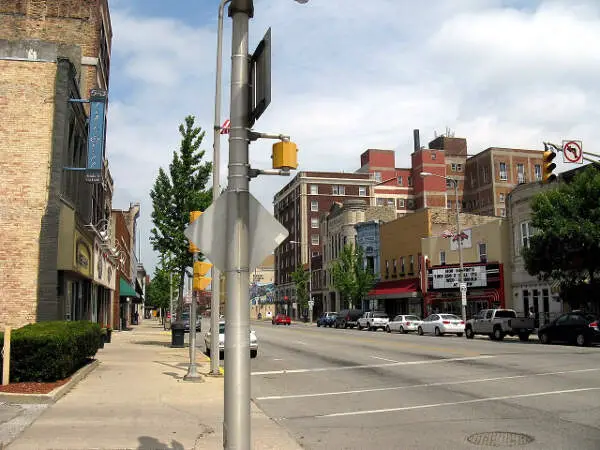
Atlanta vs. St. Louis in photos
A side-by-side look at each city.






Cost of living
St. Louis is the cheaper city overall — 34% higher in Atlanta than its rival. Index baseline: 100 = national average.
| Living expense | Atlanta | St. Louis | US average |
|---|---|---|---|
| Overall | 119 | 89 | 100 |
| Services | 99 | 98 | 100 |
| Groceries | 102 | 96 | 100 |
| Health | 163 | 82 | 100 |
| Housing | 100 | 97 | 100 |
| Transportation | 106 | 96 | 100 |
| Utilities | 104 | 95 | 100 |
Lower index = cheaper. 100 = U.S. national average. Bar inside each cell scales relative to the highest value in the table.
Sources: HomeSnacks Cost of Living indices, normalized so 100 = U.S. national average. Drill in: Atlanta cost of living, St. Louis cost of living, or the cheapest cities in America.
Housing breakdown
Home prices are higher in Atlanta. Compare absolute price and price-to-income — a $500k home in a $100k-income city is very different from one in a $50k-income city.
| Metric | Atlanta | St. Louis | United States |
|---|---|---|---|
| Median Home Value | $385,599 | $181,927 | $332,700 |
| Median Rent | $1,711 | $997 | $1,413 |
| Median Income | $85,652 | $56,160 | $80,734 |
| Home Value To Income | 4.5x | 3.2x | 4.1x |
| Rent To Monthly Income | 0.24x | 0.21x | 0.21x |
Source: U.S. Census Bureau ACS 2020-2024. See also states with the highest rent in America.
Crime
Atlanta is the safer city — total crime rate of 4,600 per 100k people vs 7,074 for St. Louis. US average: 2,119.
| Crime (per 100k) | Atlanta | St. Louis | US average |
|---|---|---|---|
| Total crime | 4,600 | 7,074 | 2,119 |
| Murder | 26 | 54 | 5 |
| Robbery | 120 | 250 | 61 |
| Aggravated Assault | 537 | 1,005 | 256 |
| Violent Crime | 707 | 1,367 | 359 |
| Burglary | 347 | 820 | 229 |
| Larceny | 2,500 | 3,412 | 1,272 |
| Car Theft | 1,046 | 1,475 | 259 |
| Property Crime | 3,893 | 5,707 | 1,760 |
Lower = safer. Bar inside each cell scales relative to the highest crime rate in the table.
Source: FBI Uniform Crime Reporting (2024). All rates are per 100,000 people. City pages: Atlanta crime, St. Louis crime. See also: safest cities in America.
Diversity
Atlanta is more racially diverse — lower HHI (closer to 0) means a more even mix across groups.
| Group | Atlanta | St. Louis | United States |
|---|---|---|---|
| White | 38.1% | 44.4% | 57.4% |
| African American | 45.4% | 42.1% | 11.9% |
| American Indian | 0.1% | 0.2% | 0.5% |
| Asian | 5.2% | 3.5% | 5.9% |
| Hawaiian | 0.0% | 0.0% | 0.2% |
| Other | 0.5% | 0.5% | 0.6% |
| Two Or More | 4.4% | 4.0% | 4.3% |
| Hispanic | 6.3% | 5.3% | 19.3% |
Source: U.S. Census ACS 2020-2024. Lower HHI = more even racial mix. See also: most diverse cities in America.
SnackAbility — overall quality of life
Atlanta scores higher overall — 7/10 vs 4/10. SnackAbility is our 1–10 quality-of-life score; the median U.S. city scores a 7.
Scores are 0–10; both bars share the same scale.
SnackAbility is a HomeSnacks proprietary 1–10 score blending jobs, housing, education, commute, amenities, affordability, crime, and diversity. Median U.S. city ≈ 7. Data: Census, BLS, FBI. See also: best places to live in America.
Getting around: Atlanta vs. St. Louis
How each city handles commuting, transit, walkability, and car culture — the day-to-day reality that shapes where you'd actually want to live.
Atlanta is a car city. MARTA's rail and bus network covers the urban core and connects the airport to Midtown and Buckhead, but most neighborhoods beyond that ring need a vehicle. The I-285 perimeter and the I-75/85 downtown connector are notorious for gridlock, so budget extra time if you commute during peak hours.
Walkability is improving in pockets like the BeltLine corridor and Old Fourth Ward, though Atlanta's sprawl limits how far transit takes you. St. Louis leans equally car-dependent outside its denser neighborhoods, but the overall traffic burden is lighter. MetroLink connects the airport through downtown to the Illinois suburbs, and Soulard or the Central West End can feel genuinely walkable day-to-day.
Neither city is built for car-free living, but St. Louis's smaller footprint and calmer highway conditions make the daily drive less punishing.
Jobs and careers in Atlanta vs. St. Louis
The local job market, dominant industries, and which city to choose based on your career.
Atlanta is a serious corporate hub. Delta Air Lines, Coca-Cola, Home Depot, and Chick-fil-A all headquarter here, while a growing tech and finance sector has added employers like NCR Voyix and Invesco. Midtown has become the de facto tech corridor, and the city regularly draws talent relocating from higher-cost markets like New York and San Francisco.
St. Louis has a solid but quieter market, anchored by Boeing, Anheuser-Busch InBev, and a strong healthcare cluster led by BJC HealthCare and Washington University's medical campus. Median household income sits at $56,160, about $30,000 below Atlanta's $85,652.
A cost of living index of 89 in St. Louis versus Atlanta's 119 means paychecks stretch considerably further, which softens the gap. For career growth and salary ceiling, Atlanta holds a clear edge.
Weather and climate
What to expect day-to-day — sun, fog, heat, rain, and the seasonal extremes that shape the lifestyle.
Atlanta sits in the humid subtropical belt: hot, muggy summers with temperatures regularly in the low 90s and afternoon thunderstorms from June through September. Winters are mild (hard freezes are infrequent), but the city's hilly terrain and thin snow-removal infrastructure mean a single ice storm can shut things down for days. Spring and fall are genuinely pleasant.
St. Louis runs warmer in summer than many people expect: heat and humidity rival Atlanta's in July and August, but winters are noticeably colder, with regular snowfall and occasional stretches below freezing. Tornado risk is real; the region sits at the northern edge of the mid-South storm corridor. If you're moving from Atlanta, plan on a proper winter wardrobe and a more watchful eye on severe-weather alerts from May through June.
Culture, nightlife, and entertainment
Food, music, neighborhoods, and the city vibe that gives each place its personality.
Atlanta's hip-hop lineage runs from Outkast through Migos and Lil Baby, and live music venues in Midtown and Edgewood keep that energy current. Buckhead handles upscale nightlife, while Little Five Points and East Atlanta Village skew younger and more eclectic.
The food scene is diverse and nationally recognized: Buford Highway's international restaurant corridor and James Beard-nominated spots in the Old Fourth Ward both draw serious attention. Turner Field has been converted into a campus, and Castleberry Hill has a growing arts district.
St. Louis has a quieter but genuinely distinctive scene rooted in blues, jazz, and a strong neighborhood bar culture. Soulard hosts one of the country's biggest Mardi Gras celebrations, Cherokee Street has become a hub for Latin food and indie arts, and the Loop on Delmar Boulevard anchors music and dining near Washington University. It's smaller scale than Atlanta, but locals will tell you that's part of the appeal: less competition for reservations, tighter community feel.
Outdoor activities and day trips
Parks, beaches, hikes, and the weekend escapes that define life outside the city limits.
Piedmont Park sits at the heart of Midtown and connects to the Atlanta BeltLine trail system, a 22-mile loop that lets you run, bike, or walk between neighborhoods without touching a road. Stone Mountain Park is a short drive east, and the Chattahoochee River National Recreation Area has kayaking and trail running along the city's northwestern edge.
For bigger adventures, the Blue Ridge Mountains are roughly 90 minutes north, with weekend access to waterfalls, the Appalachian Trail, and whitewater on the Toccoa River.
Forest Park is St. Louis's standout: at 1,300 acres, it's larger than New York's Central Park, and the zoo, art museum, and science center are all free. The Gateway Arch National Park along the Mississippi riverfront is worth more than a quick photo stop.
Day trips to the Missouri Ozarks bring hiking, float trips on the Current River, and limestone caves within two hours of downtown. Atlanta has the mountains; St. Louis has the rivers and a world-class urban park to rival any city in the country.
Bottom line: which city is right for you?
Based on the head-to-head data above, here's the short version — pick the city that lines up with what you actually care about.
Choose Atlanta if you prioritize…
- lower crime — a safer place to live, work, and raise a family.
- more affordable housing relative to St. Louis.
- a more racially diverse community (lower HHI on Census data).
- a higher overall SnackAbility quality-of-life score.
Choose St. Louis if you prioritize…
- a lower cost of living (cheaper groceries, services, and day-to-day expenses).
Methodology: winners are picked from public data — U.S. Census Bureau ACS (income, home value, rent, race/HHI), FBI Uniform Crime Reporting (crime rates per 100k), and HomeSnacks' proprietary SnackAbility quality-of-life score, which blends Bureau of Labor Statistics data with the above.
Other comparisons
Still weighing your options? See how these two cities stack up against other places we've compared head-to-head.