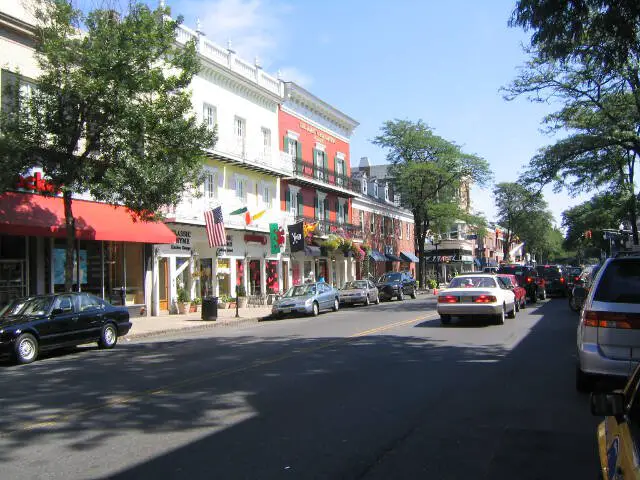
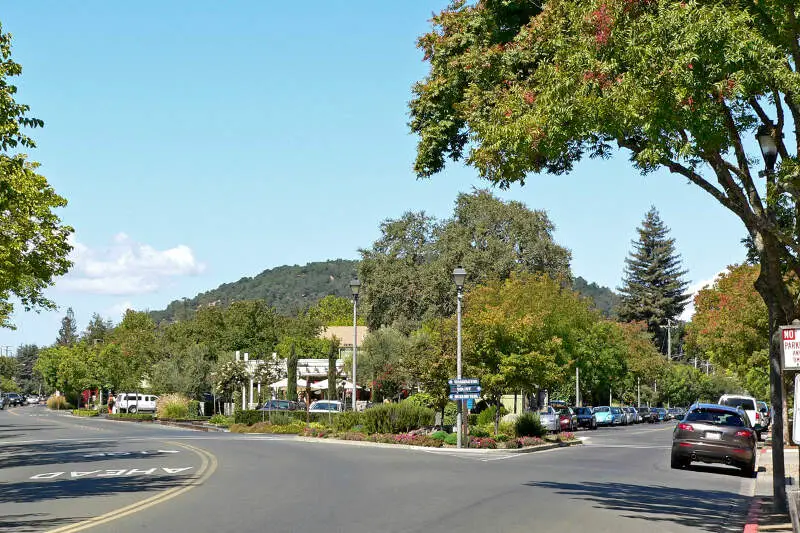
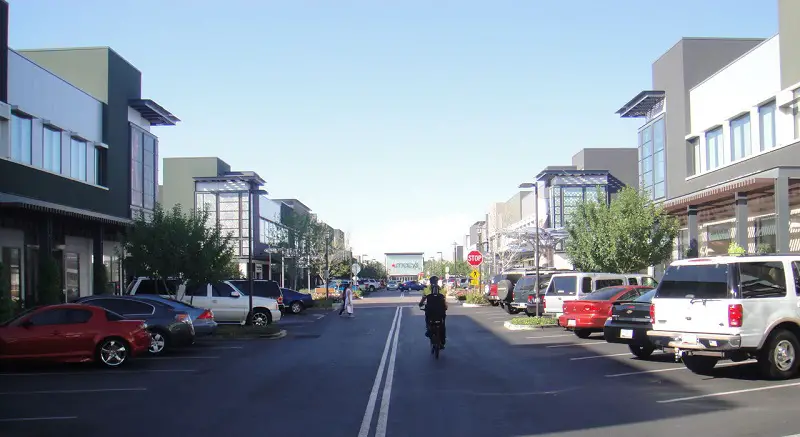
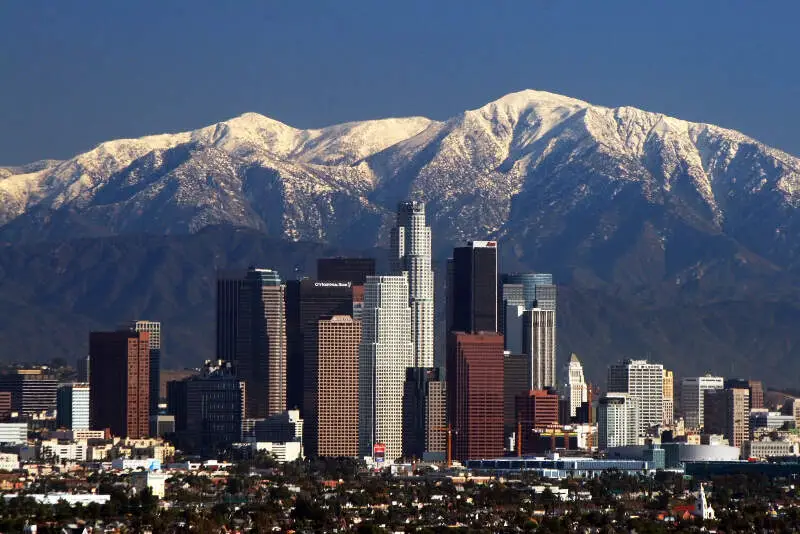
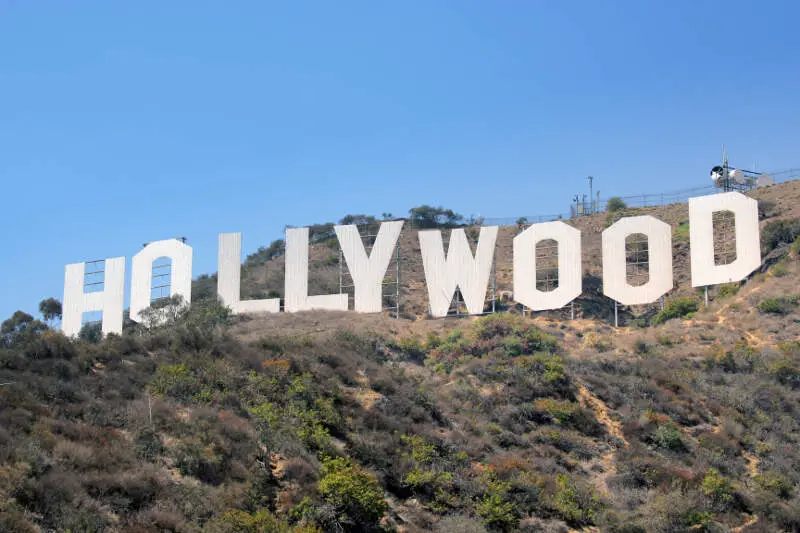
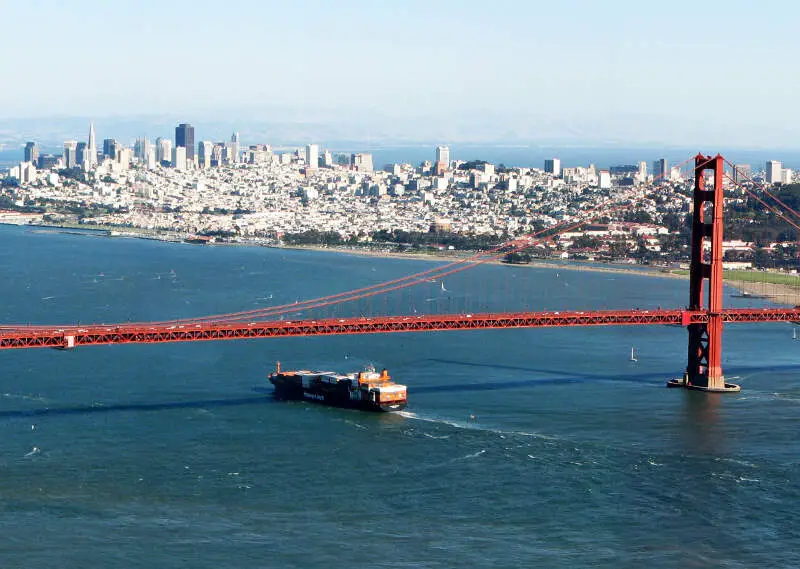
Los Angeles vs. San Francisco in photos
A side-by-side look at each city.



Cost of living
Los Angeles is the cheaper city overall — 28% higher in San Francisco than its rival. Index baseline: 100 = national average.
| Living expense | Los Angeles | San Francisco | US average |
|---|---|---|---|
| Overall | 179 | 247 | 100 |
| Services | 117 | 122 | 100 |
| Groceries | 123 | 125 | 100 |
| Health | 309 | 518 | 100 |
| Housing | 128 | 132 | 100 |
| Transportation | 128 | 128 | 100 |
| Utilities | 134 | 139 | 100 |
Lower index = cheaper. 100 = U.S. national average. Bar inside each cell scales relative to the highest value in the table.
Sources: HomeSnacks Cost of Living indices, normalized so 100 = U.S. national average. Drill in: Los Angeles cost of living, San Francisco cost of living, or the cheapest cities in America.
Housing breakdown
Home prices are higher in Los Angeles. Compare absolute price and price-to-income — a $500k home in a $100k-income city is very different from one in a $50k-income city.
| Metric | Los Angeles | San Francisco | United States |
|---|---|---|---|
| Median Home Value | $952,183 | $1,356,661 | $332,700 |
| Median Rent | $1,933 | $2,476 | $1,413 |
| Median Income | $81,939 | $140,970 | $80,734 |
| Home Value To Income | 11.6x | 9.6x | 4.1x |
| Rent To Monthly Income | 0.28x | 0.21x | 0.21x |
Source: U.S. Census Bureau ACS 2020-2024. See also states with the highest rent in America.
Crime
Los Angeles is the safer city — total crime rate of 2,212 per 100k people vs 4,526 for San Francisco. US average: 2,119.
| Crime (per 100k) | Los Angeles | San Francisco | US average |
|---|---|---|---|
| Total crime | 2,212 | 4,526 | 2,119 |
| Murder | 7 | 4 | 5 |
| Robbery | 210 | 267 | 61 |
| Aggravated Assault | 471 | 290 | 256 |
| Violent Crime | 728 | 596 | 359 |
| Burglary | 373 | 637 | 229 |
| Larceny | 852 | 2,619 | 1,272 |
| Car Theft | 260 | 673 | 259 |
| Property Crime | 1,484 | 3,929 | 1,760 |
Lower = safer. Bar inside each cell scales relative to the highest crime rate in the table.
Source: FBI Uniform Crime Reporting (2024). All rates are per 100,000 people. City pages: Los Angeles crime, San Francisco crime. See also: safest cities in America.
Diversity
San Francisco is more racially diverse — lower HHI (closer to 0) means a more even mix across groups.
| Group | Los Angeles | San Francisco | United States |
|---|---|---|---|
| White | 28.1% | 36.8% | 57.4% |
| African American | 8.1% | 4.7% | 11.9% |
| American Indian | 0.1% | 0.2% | 0.5% |
| Asian | 11.9% | 34.9% | 5.9% |
| Hawaiian | 0.1% | 0.3% | 0.2% |
| Other | 0.7% | 0.8% | 0.6% |
| Two Or More | 3.8% | 6.1% | 4.3% |
| Hispanic | 47.2% | 16.2% | 19.3% |
Source: U.S. Census ACS 2020-2024. Lower HHI = more even racial mix. See also: most diverse cities in America.
SnackAbility — overall quality of life
San Francisco scores higher overall — 8.5/10 vs 6/10. SnackAbility is our 1–10 quality-of-life score; the median U.S. city scores a 7.
Scores are 0–10; both bars share the same scale.
SnackAbility is a HomeSnacks proprietary 1–10 score blending jobs, housing, education, commute, amenities, affordability, crime, and diversity. Median U.S. city ≈ 7. Data: Census, BLS, FBI. See also: best places to live in America.
Getting around: Los Angeles vs. San Francisco
How each city handles commuting, transit, walkability, and car culture — the day-to-day reality that shapes where you'd actually want to live.
Getting around Los Angeles almost always means a car. The 405, 101, and 10 freeways dominate daily life, and rush hour on the Sepulveda Pass is exactly as bad as you've heard. Parking costs and traffic stress are real expenses to factor into any decision.
Metro Rail has grown in recent years, with the B Line and D Line now serving a swath of the city. Coverage is still thin for an area this size, and most errands still require driving.
San Francisco is a different story. BART connects the city to the East Bay and SFO, and Muni's light rail and bus lines cover most neighborhoods well enough to ditch the car. The Mission, Hayes Valley, and the Outer Sunset are all reasonably car-free.
Biking works on the flat stretches and along the Wiggle route. Caltrain extends your reach south toward the Peninsula tech corridor.
Jobs and careers in Los Angeles vs. San Francisco
The local job market, dominant industries, and which city to choose based on your career.
Los Angeles runs on entertainment: film, television, music, and the agencies and studios clustered around Hollywood, Burbank, and Culver City. That's only one layer. Aerospace and defense (Northrop Grumman, Raytheon) anchor the South Bay, and Silicon Beach around Venice and Playa Vista has pulled in a real tech presence from Amazon, Snap, and Google.
The median household income is $81,939, which sounds solid until you factor in a cost of living index of 179 against the U.S. average.
San Francisco's economy is more narrowly concentrated in technology and finance, but that concentration drives a median household income of $140,970, nearly $60,000 higher than Los Angeles. Companies like Salesforce, Stripe, and the broader SoMa startup ecosystem pay well. Mission Bay has become a serious biotech hub.
The catch: a cost of living index of 247 and a median home value of $1,356,661 mean those paychecks get absorbed quickly.
Weather and climate
What to expect day-to-day — sun, fog, heat, rain, and the seasonal extremes that shape the lifestyle.
Los Angeles earns its reputation. Expect roughly 280 sunny days a year, warm dry summers in the mid-70s to mid-80s, and winters that rarely dip below 50°F at night. The inland valleys run hotter: the San Fernando Valley regularly hits the high 90s in summer.
Coastal neighborhoods like Santa Monica and Manhattan Beach stay comfortable year-round, buffered by the marine layer. Fire season, typically late summer through fall, is a real consideration when choosing where to live.
San Francisco works on different rules. Karl the Fog rolls in off the Pacific most summer mornings, keeping July and August cooler than you might expect, often in the high 50s to low 60s. The Mission and Noe Valley sit in a fog shadow and run noticeably warmer than the Outer Sunset or the Richmond.
Winters in San Francisco are mild and rainy rather than cold. If you value warmth and sunshine above all, Los Angeles wins easily. If you prefer cool, overcast weather and can live without a real summer, San Francisco is your city.
Culture, nightlife, and entertainment
Food, music, neighborhoods, and the city vibe that gives each place its personality.
Los Angeles is a city of neighborhoods that don't always feel connected, but each has a distinct identity. Silver Lake and Los Feliz attract a creative, music-focused crowd; West Hollywood is a center of LGBTQ+ nightlife; Koreatown offers some of the best late-night dining in the country; and the Arts District has turned industrial blocks downtown into galleries and cocktail bars. The entertainment industry bleeds into the culture in visible ways: live tapings, film premieres, and a restaurant scene shaped by celebrity chefs.
San Francisco's cultural footprint is smaller but dense. The Castro is one of the country's most historically significant LGBTQ+ neighborhoods, and the Mission has taquerias, murals, and bars along Valencia Street. North Beach still carries echoes of the Beat generation.
The Fillmore and independent venues like the Great American Music Hall keep a serious live music tradition alive. With a median rent of $2,476 versus Los Angeles's $1,933, you pay a premium to be part of it.
Outdoor activities and day trips
Parks, beaches, hikes, and the weekend escapes that define life outside the city limits.
Los Angeles gives you ocean and mountains within the same afternoon. Santa Monica, Venice, and Malibu put surfable beach within reach of most neighborhoods, and Griffith Park's 4,300 acres include hiking trails and Observatory views without leaving the city. A two-hour drive opens up Joshua Tree, Big Bear, and the trails of Angeles National Forest.
The climate means outdoor activity is rarely weather-dependent, which is a real lifestyle advantage for most of the year.
San Francisco packs a lot into a small radius. The Marin Headlands and Muir Woods are 30 minutes across the Golden Gate Bridge, Point Reyes National Seashore is an hour north, and Mount Tamalpais has ridge trails with views across the entire Bay. Within the city, Golden Gate Park handles everything from weekend cycling to fly-fishing in Sproul Lake.
The Bay invites kayaking, windsurfing, and open-water swimming at Aquatic Park. Both cities deliver varied landscape within a short drive. San Francisco just does it with less traffic.
Bottom line: which city is right for you?
Based on the head-to-head data above, here's the short version — pick the city that lines up with what you actually care about.
Choose Los Angeles if you prioritize…
- a lower cost of living (cheaper groceries, services, and day-to-day expenses).
- lower crime — a safer place to live, work, and raise a family.
- more affordable housing relative to San Francisco.
Choose San Francisco if you prioritize…
- a more racially diverse community (lower HHI on Census data).
- a higher overall SnackAbility quality-of-life score.
Methodology: winners are picked from public data — U.S. Census Bureau ACS (income, home value, rent, race/HHI), FBI Uniform Crime Reporting (crime rates per 100k), and HomeSnacks' proprietary SnackAbility quality-of-life score, which blends Bureau of Labor Statistics data with the above.
Other comparisons
Still weighing your options? See how these two cities stack up against other places we've compared head-to-head.