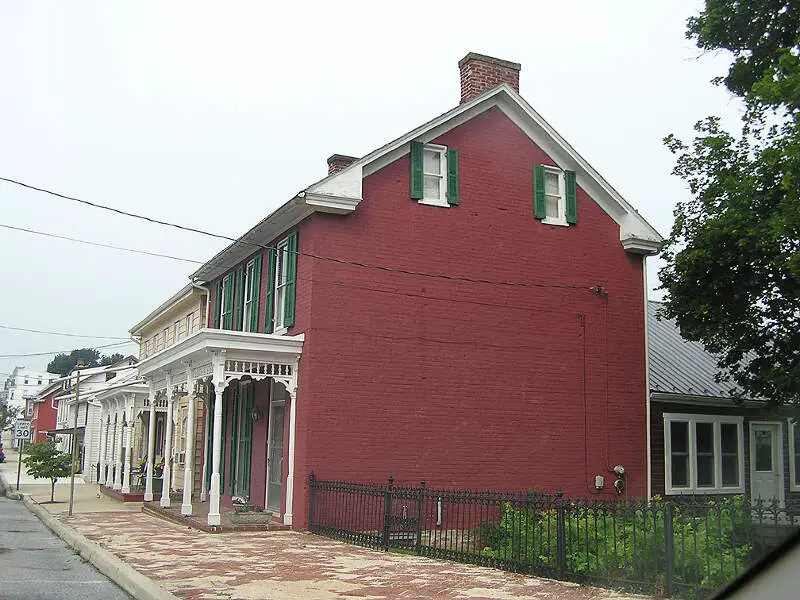
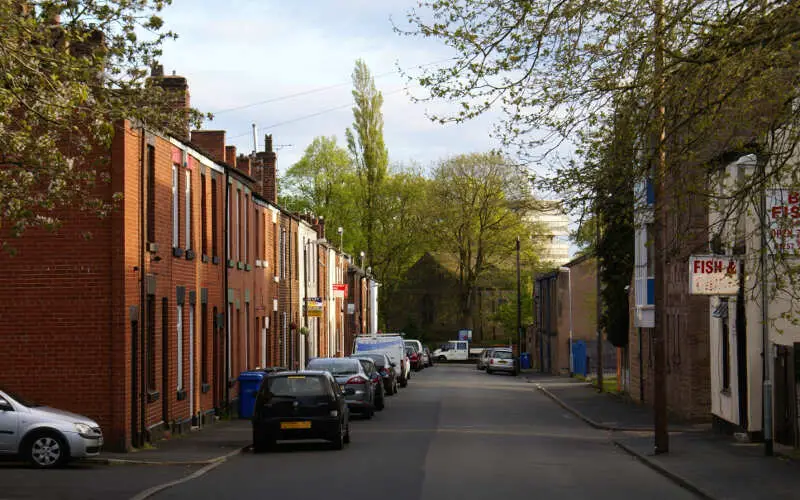
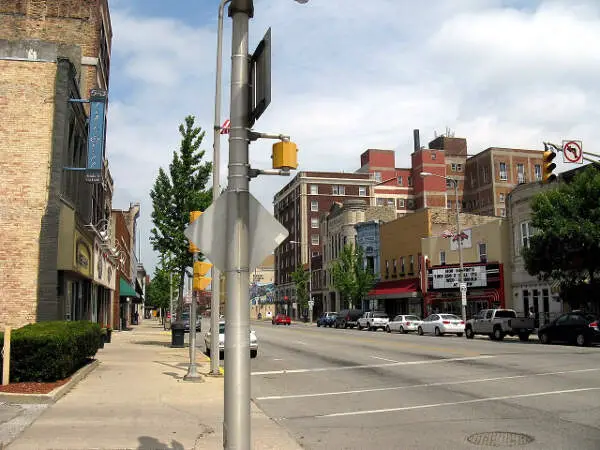
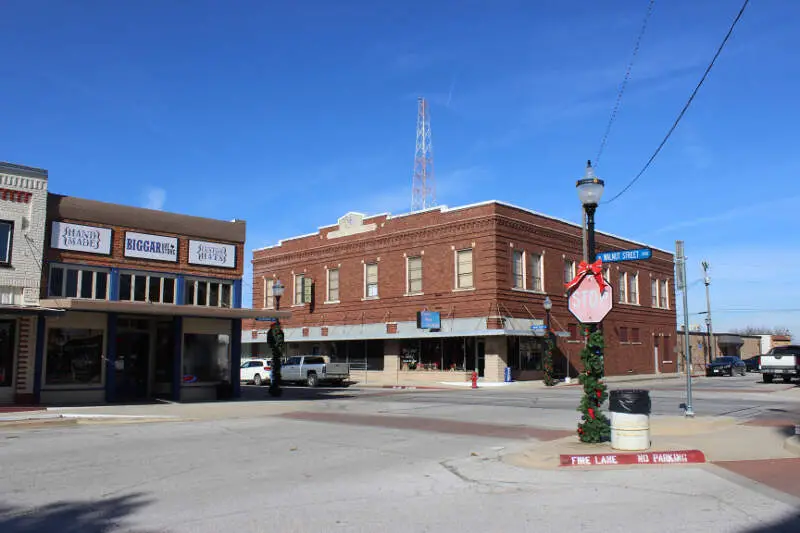
Philadelphia vs. Pittsburgh in photos
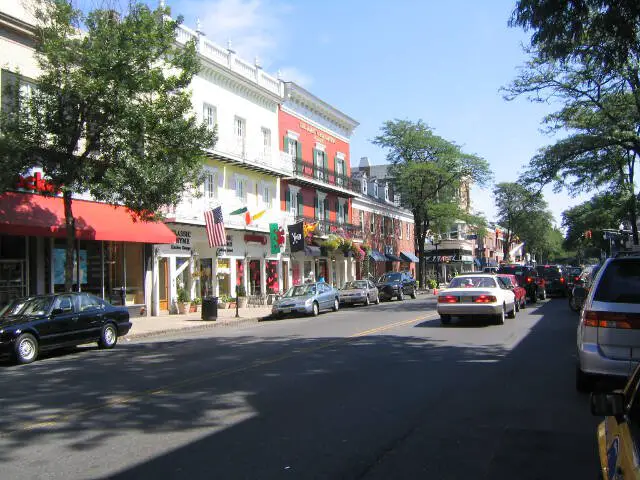
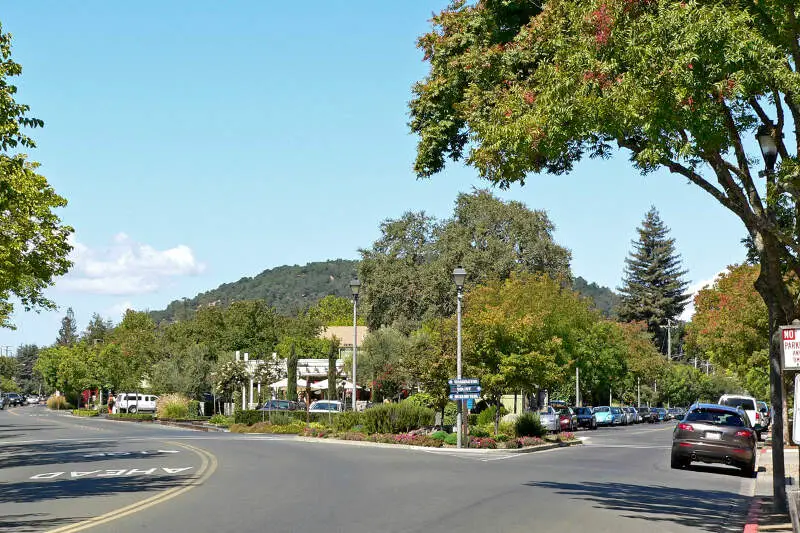
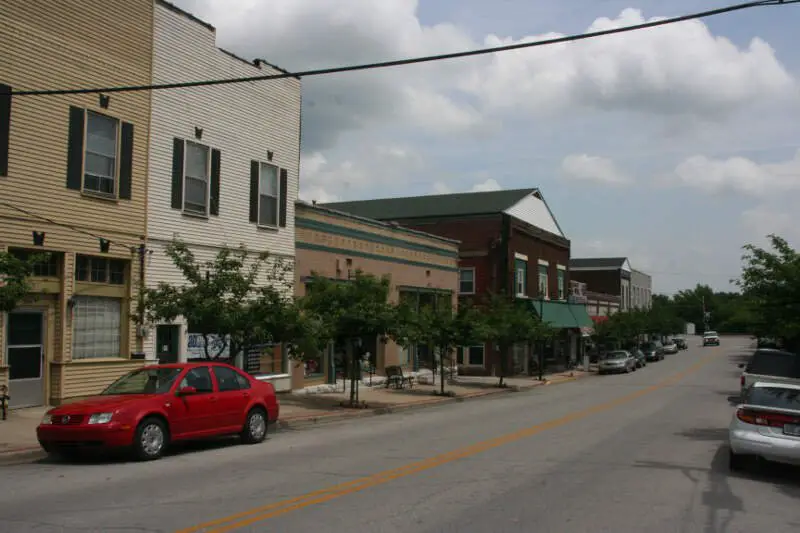
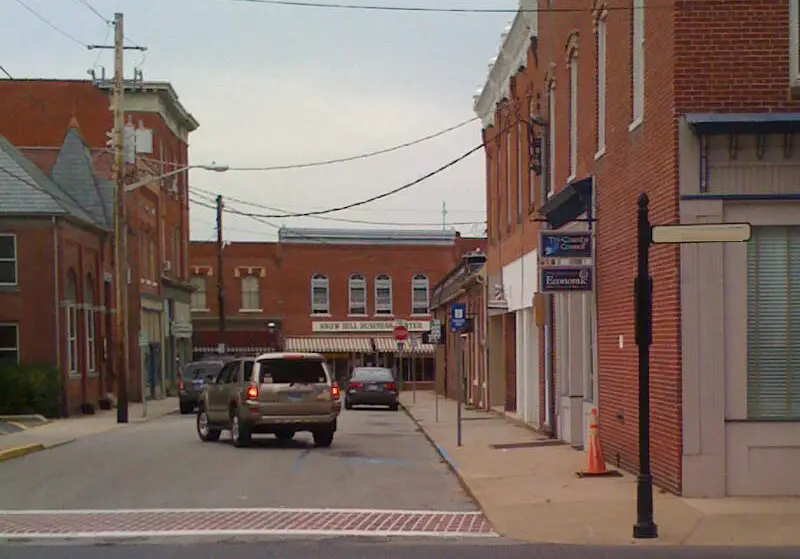
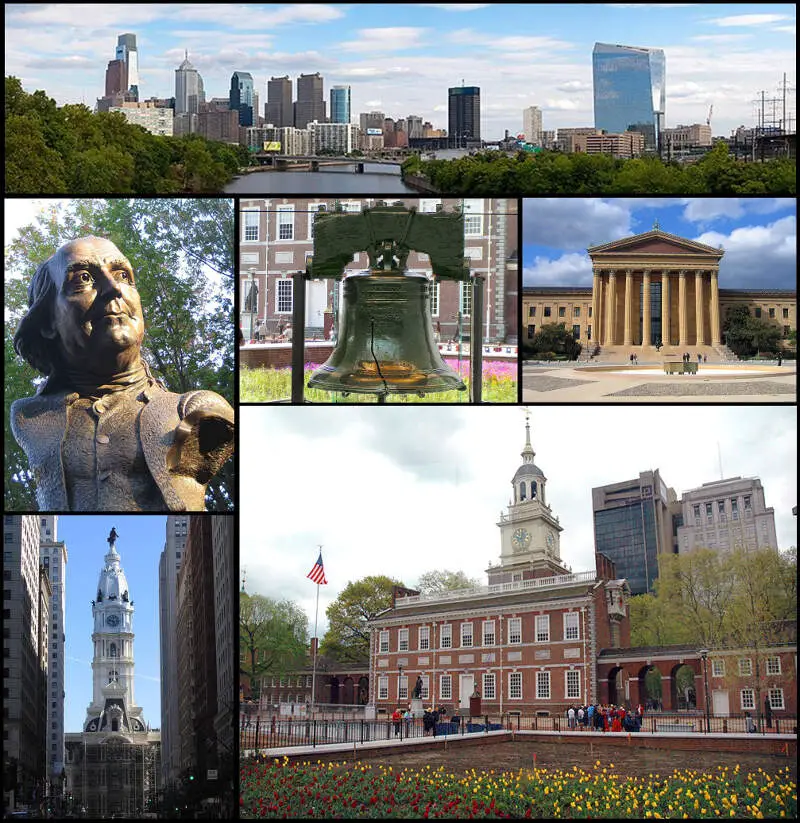
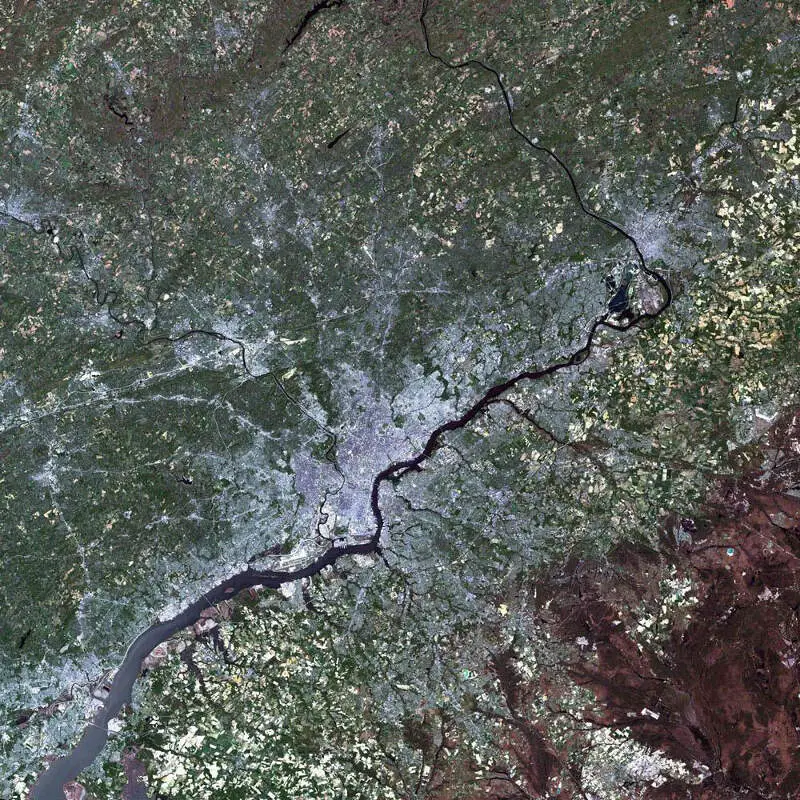
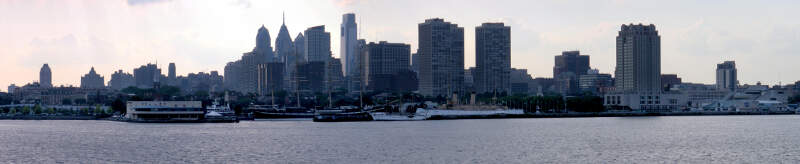
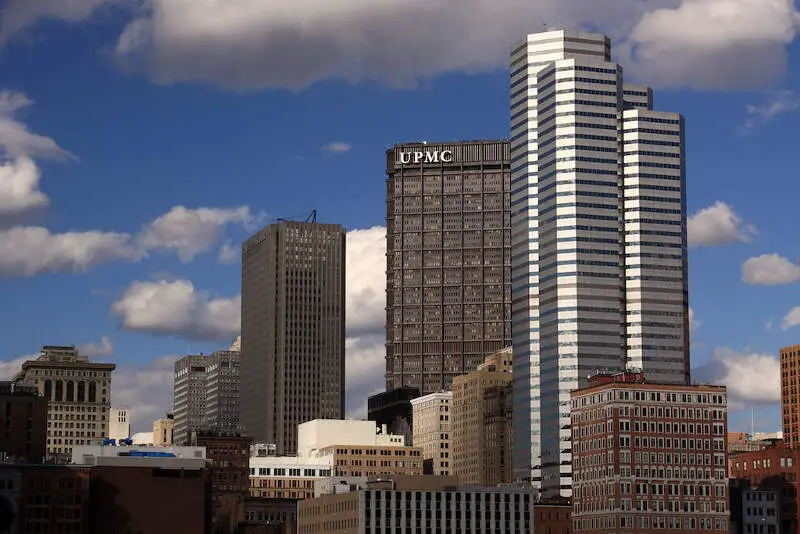
A side-by-side look at each city.

Cost of living
Pittsburgh is the cheaper city overall — 5% higher in Philadelphia than its rival. Index baseline: 100 = national average.
| Living expense | Philadelphia | Pittsburgh | US average |
|---|---|---|---|
| Overall | 103 | 98 | 100 |
| Services | 103 | 97 | 100 |
| Groceries | 100 | 101 | 100 |
| Health | 101 | 84 | 100 |
| Housing | 107 | 105 | 100 |
| Transportation | 99 | 106 | 100 |
| Utilities | 112 | 99 | 100 |
Lower index = cheaper. 100 = U.S. national average. Bar inside each cell scales relative to the highest value in the table.
Sources: HomeSnacks Cost of Living indices, normalized so 100 = U.S. national average. Drill in: Philadelphia cost of living, Pittsburgh cost of living, or the cheapest cities in America.
Housing breakdown
Home prices are higher in Pittsburgh. Compare absolute price and price-to-income — a $500k home in a $100k-income city is very different from one in a $50k-income city.
| Metric | Philadelphia | Pittsburgh | United States |
|---|---|---|---|
| Median Home Value | $231,814 | $237,533 | $332,700 |
| Median Rent | $1,397 | $1,261 | $1,413 |
| Median Income | $61,953 | $65,742 | $80,734 |
| Home Value To Income | 3.7x | 3.6x | 4.1x |
| Rent To Monthly Income | 0.27x | 0.23x | 0.21x |
Source: U.S. Census Bureau ACS 2020-2024. See also states with the highest rent in America.
Crime
Pittsburgh is the safer city — total crime rate of 2,707 per 100k people vs 5,457 for Philadelphia. US average: 2,119.
| Crime (per 100k) | Philadelphia | Pittsburgh | US average |
|---|---|---|---|
| Total crime | 5,457 | 2,707 | 2,119 |
| Murder | 17 | 11 | 5 |
| Robbery | 273 | 124 | 61 |
| Aggravated Assault | 572 | 240 | 256 |
| Violent Crime | 909 | 427 | 359 |
| Burglary | 319 | 233 | 229 |
| Larceny | 3,224 | 1,704 | 1,272 |
| Car Theft | 1,006 | 343 | 259 |
| Property Crime | 4,548 | 2,280 | 1,760 |
Lower = safer. Bar inside each cell scales relative to the highest crime rate in the table.
Source: FBI Uniform Crime Reporting (2024). All rates are per 100,000 people. City pages: Philadelphia crime, Pittsburgh crime. See also: safest cities in America.
Diversity
Philadelphia is more racially diverse — lower HHI (closer to 0) means a more even mix across groups.
| Group | Philadelphia | Pittsburgh | United States |
|---|---|---|---|
| White | 33.2% | 61.9% | 57.4% |
| African American | 38.3% | 22.1% | 11.9% |
| American Indian | 0.1% | 0.1% | 0.5% |
| Asian | 7.9% | 6.1% | 5.9% |
| Hawaiian | 0.0% | 0.0% | 0.2% |
| Other | 0.8% | 0.6% | 0.6% |
| Two Or More | 4.1% | 4.8% | 4.3% |
| Hispanic | 15.6% | 4.5% | 19.3% |
Source: U.S. Census ACS 2020-2024. Lower HHI = more even racial mix. See also: most diverse cities in America.
SnackAbility — overall quality of life
Pittsburgh scores higher overall — 7/10 vs 6/10. SnackAbility is our 1–10 quality-of-life score; the median U.S. city scores a 7.
Scores are 0–10; both bars share the same scale.
SnackAbility is a HomeSnacks proprietary 1–10 score blending jobs, housing, education, commute, amenities, affordability, crime, and diversity. Median U.S. city ≈ 7. Data: Census, BLS, FBI. See also: best places to live in America.
Getting around: Philadelphia vs. Pittsburgh
How each city handles commuting, transit, walkability, and car culture — the day-to-day reality that shapes where you'd actually want to live.
Philadelphia's SEPTA covers the city and suburbs with subway lines, regional rail, buses, and trolleys. If you live near a Market-Frankford Line stop or commute along the Broad Street Line, car-free living is genuinely practical. 30th Street Station puts Amtrak and New Jersey Transit right in the middle of the city, so day trips to New York or D.C. are easy.
Center City and neighborhoods like Fishtown or Graduate Hospital are walkable enough that many residents get by without a car.
Pittsburgh Regional Transit (formerly Port Authority Transit) covers the city and close-in suburbs, but the terrain, all those hills and river crossings, makes the network less intuitive than Philadelphia's grid-based routes. Most Pittsburghers commute by car, navigating the city's famous 446 bridges. Pittsburgh's smaller footprint at least means many cross-town trips are short.
If you're settling in Lawrenceville, Shadyside, or the South Side, you can walk or bike to a lot of daily needs, but a car is more of a practical necessity here than in Philly.
Jobs and careers in Philadelphia vs. Pittsburgh
The local job market, dominant industries, and which city to choose based on your career.
Philadelphia's job market leans heavily on its anchor institutions. Penn Medicine, Jefferson Health, and Children's Hospital of Philadelphia make it one of the largest healthcare employment hubs on the East Coast, and the university corridor along Walnut Street (Penn, Drexel, Temple) generates steady demand in education and research.
Pharma and biotech are strong in the broader metro (GlaxoSmithKline and Merck are nearby), and financial and professional services firms cluster around Center City. The median household income sits at $61,953, and with a cost of living index of 103, paychecks stretch slightly less than the national average.
Pittsburgh punches above its weight for a city its size. CMU and Pitt have turned it into a genuine tech and robotics hub: Google, Uber's former self-driving division, and a wave of AI startups all maintain significant operations here. UPMC is both the dominant healthcare employer and one of the largest private employers in Pennsylvania.
The median household income of $65,742 is modestly higher than Philadelphia's, and with a cost of living index of 98, that income goes a bit further. If you're in tech, robotics, or healthcare, Pittsburgh's job market is surprisingly competitive with much larger metros.
Weather and climate
What to expect day-to-day — sun, fog, heat, rain, and the seasonal extremes that shape the lifestyle.
Both cities sit in the Mid-Atlantic/Appalachian climate zone and share a similar seasonal pattern: hot, humid summers, cold winters with meaningful snowfall, and rainy springs. Philadelphia tends to run a few degrees warmer year-round, partly because of its lower elevation and proximity to the Delaware Valley.
Expect Philadelphia summer highs regularly in the upper 80s and occasional stretches pushing 95°F. Winter snowfall averages around 22 inches, though ice storms can be more disruptive than heavy snow.
Pittsburgh's elevation and position east of Lake Erie give it noticeably more cloud cover: the city averages only about 59 sunny days per year, one of the lowest in the country. Winters are colder on average, and lake-effect snow events can stack up quickly in some neighborhoods.
Summer in Pittsburgh is actually quite pleasant, with slightly lower humidity than Philadelphia on many days. If gray skies for long stretches bother you, that's a legitimate factor in favor of Philly; if you can live with overcast winters in exchange for milder summer heat, Pittsburgh holds its own.
Culture, nightlife, and entertainment
Food, music, neighborhoods, and the city vibe that gives each place its personality.
Philadelphia has the cultural footprint you'd expect from the fifth-largest city in the country. The Philadelphia Museum of Art, the Barnes Foundation, and the Rodin Museum anchor the Benjamin Franklin Parkway museum corridor. The food scene ranges from iconic cheesesteak joints in South Philly and the Reading Terminal Market to nationally recognized restaurants in Fishtown and Rittenhouse Square.
Neighborhoods like Old City, Northern Liberties, and East Passyunk each have distinct personalities and bar scenes, and the live music calendar is deep year-round.
Pittsburgh's arts and nightlife scene is smaller but genuinely strong for a city of roughly 300,000. The Carnegie Museums (natural history and fine arts under one roof in Oakland) anchor the cultural calendar, and the Andy Warhol Museum in the Strip District is a legitimate destination on its own.
Lawrenceville has emerged as the city's most-hyped neighborhood for restaurants, galleries, and bars, while the South Side Flats offer a denser, louder nightlife strip. Median rent of $1,261 versus Philadelphia's $1,397 means you can afford a nicer apartment in Pittsburgh, which matters when you're deciding how much you'll be going out.
Outdoor activities and day trips
Parks, beaches, hikes, and the weekend escapes that define life outside the city limits.
Philadelphia's green space anchor is Fairmount Park (one of the largest urban park systems in the country), which connects to the Wissahickon Valley and its 50-mile trail network without ever leaving city limits. The Delaware River waterfront has improved significantly in recent years, with Penn Treaty Park and a growing trail connection to Trenton and beyond.
Day trips hit the Pocono Mountains in under two hours, and the Jersey Shore beaches (Cape May, Ocean City, Wildwood) are roughly 90 minutes from Center City. Serious cyclists and runners have real options without leaving the metro.
Pittsburgh's outdoor appeal starts at the confluence of three rivers. Point State Park and the North Shore riverfront trail give you a base for running and cycling, and the city's many neighborhood greenways reward exploration on foot or bike.
Beyond city limits, Ohiopyle State Park, about 75 miles south, offers some of the best whitewater rafting in the East and a dense trail network through Laurel Highlands. Allegheny National Forest is a reasonable day trip north for backpacking and fishing. Pittsburgh's hills and river valleys make for more dramatic terrain than Philadelphia's flat grid, which some outdoor-minded residents strongly prefer.
Bottom line: which city is right for you?
Based on the head-to-head data above, here's the short version — pick the city that lines up with what you actually care about.
Choose Philadelphia if you prioritize…
- a more racially diverse community (lower HHI on Census data).
Choose Pittsburgh if you prioritize…
- a lower cost of living (cheaper groceries, services, and day-to-day expenses).
- lower crime — a safer place to live, work, and raise a family.
- more affordable housing relative to Philadelphia.
- a higher overall SnackAbility quality-of-life score.
Methodology: winners are picked from public data — U.S. Census Bureau ACS (income, home value, rent, race/HHI), FBI Uniform Crime Reporting (crime rates per 100k), and HomeSnacks' proprietary SnackAbility quality-of-life score, which blends Bureau of Labor Statistics data with the above.
Other comparisons
Still weighing your options? See how these two cities stack up against other places we've compared head-to-head.