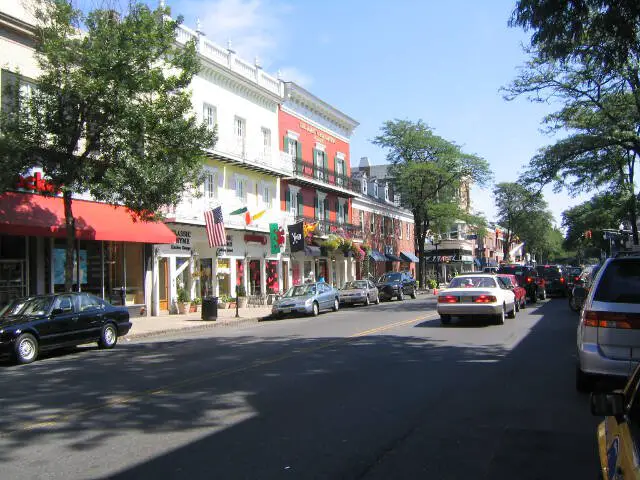
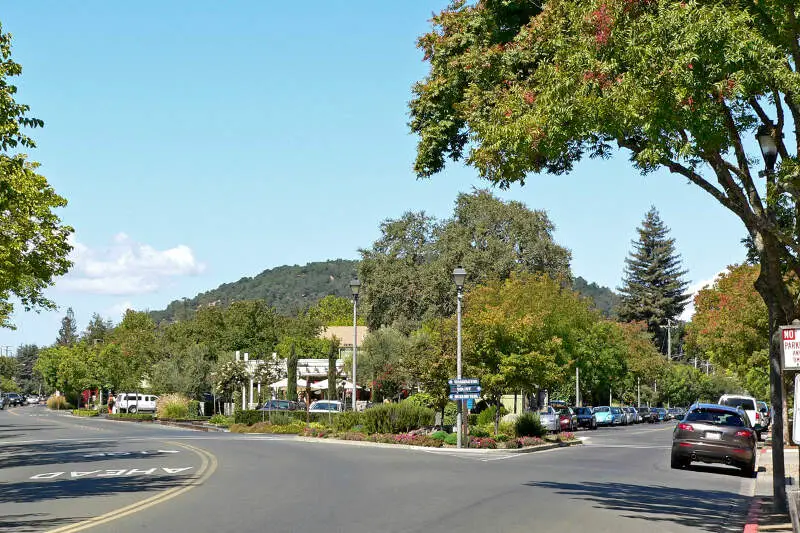
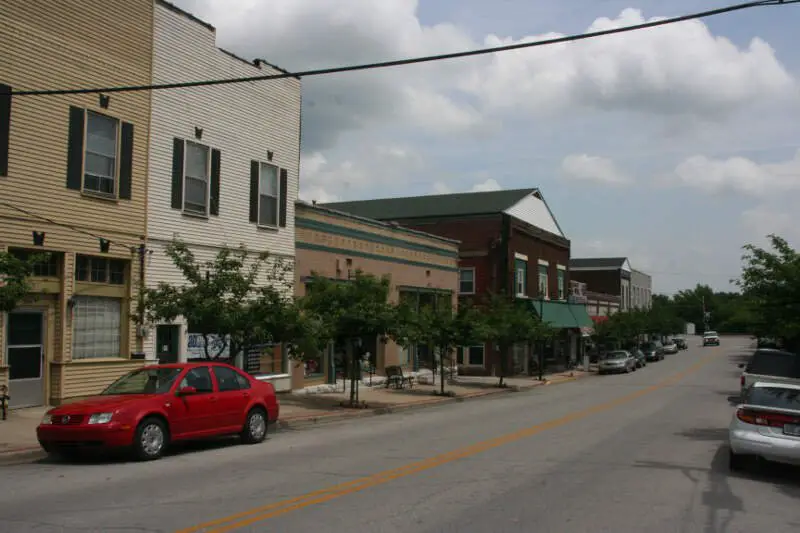
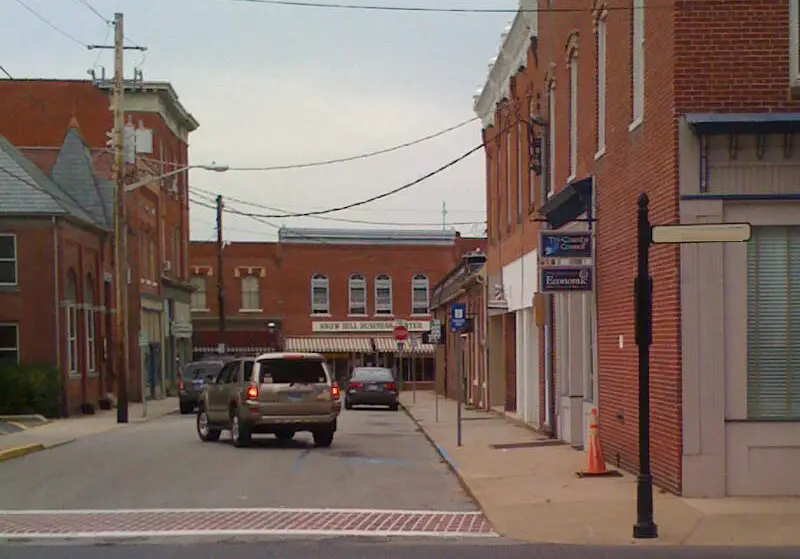
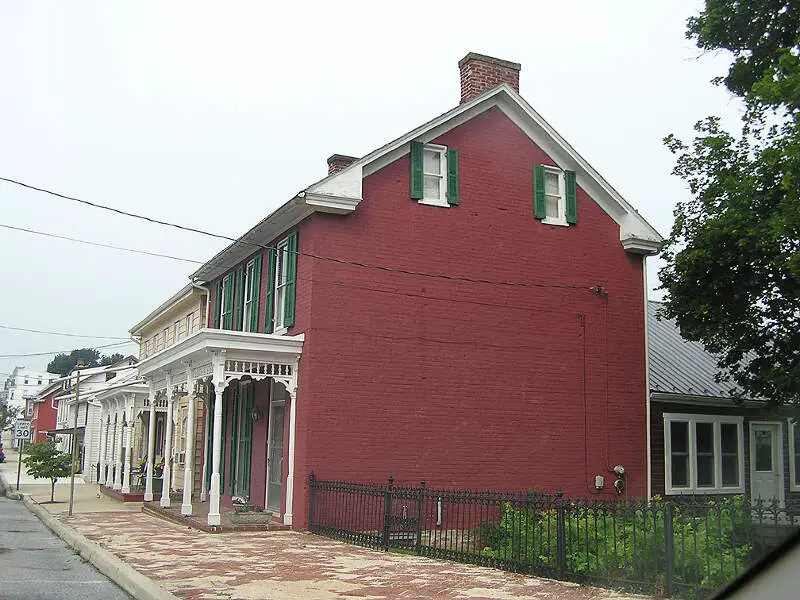
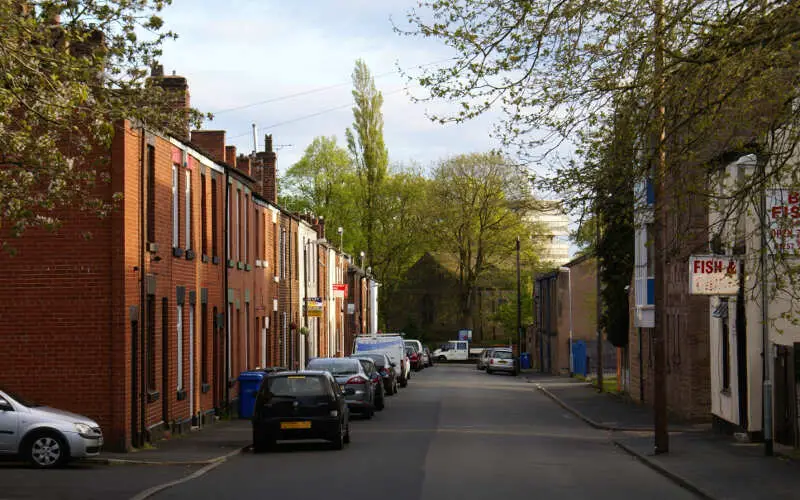
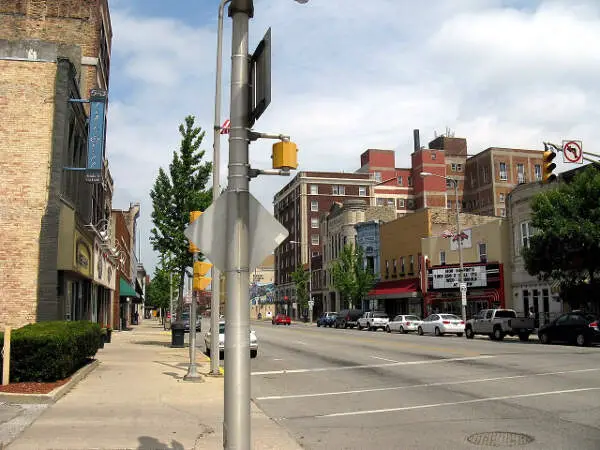
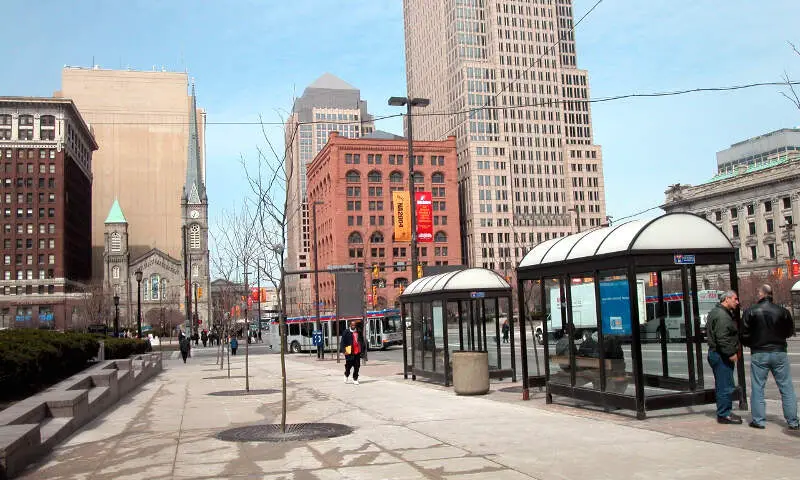
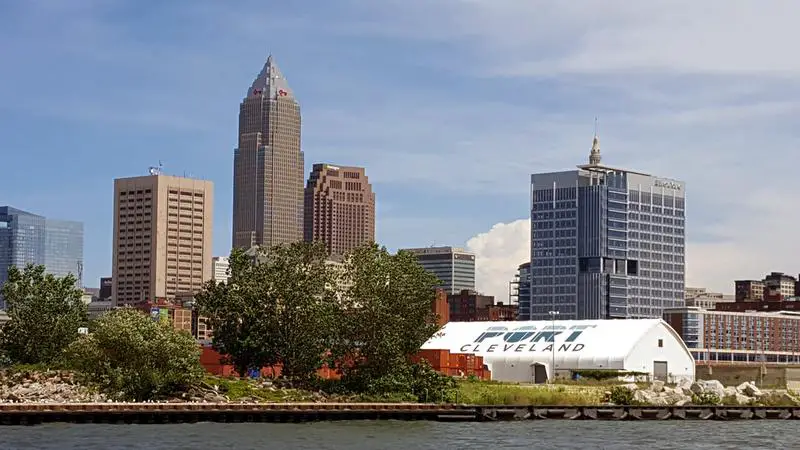
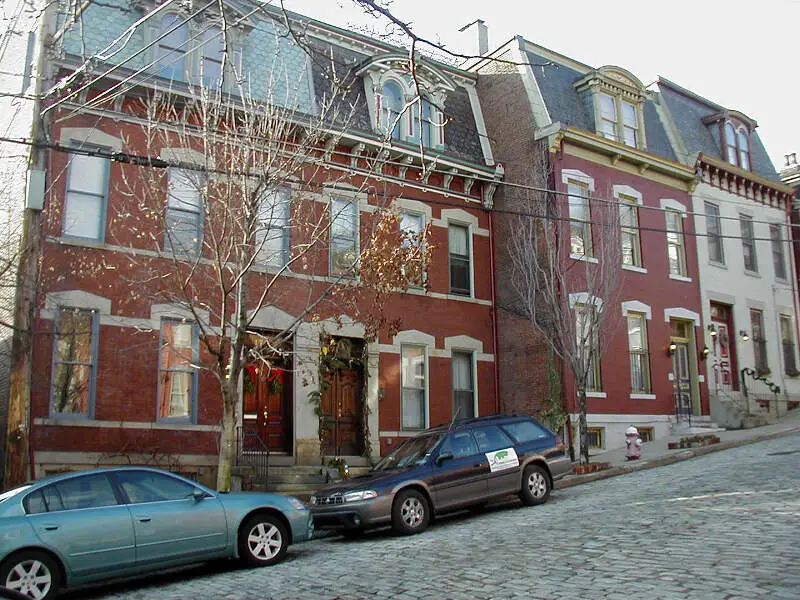
Cleveland vs. Pittsburgh in photos
A side-by-side look at each city.



Cost of living
Cleveland is the cheaper city overall — 18% higher in Pittsburgh than its rival. Index baseline: 100 = national average.
| Living expense | Cleveland | Pittsburgh | US average |
|---|---|---|---|
| Overall | 80 | 98 | 100 |
| Services | 96 | 97 | 100 |
| Groceries | 91 | 101 | 100 |
| Health | 48 | 84 | 100 |
| Housing | 91 | 105 | 100 |
| Transportation | 98 | 106 | 100 |
| Utilities | 97 | 99 | 100 |
Lower index = cheaper. 100 = U.S. national average. Bar inside each cell scales relative to the highest value in the table.
Sources: HomeSnacks Cost of Living indices, normalized so 100 = U.S. national average. Drill in: Cleveland cost of living, Pittsburgh cost of living, or the cheapest cities in America.
Housing breakdown
Home prices are higher in Pittsburgh. Compare absolute price and price-to-income — a $500k home in a $100k-income city is very different from one in a $50k-income city.
| Metric | Cleveland | Pittsburgh | United States |
|---|---|---|---|
| Median Home Value | $115,536 | $237,533 | $332,700 |
| Median Rent | $945 | $1,261 | $1,413 |
| Median Income | $40,801 | $65,742 | $80,734 |
| Home Value To Income | 2.8x | 3.6x | 4.1x |
| Rent To Monthly Income | 0.28x | 0.23x | 0.21x |
Source: U.S. Census Bureau ACS 2020-2024. See also states with the highest rent in America.
Crime
Pittsburgh is the safer city — total crime rate of 2,707 per 100k people vs 5,987 for Cleveland. US average: 2,119.
| Crime (per 100k) | Cleveland | Pittsburgh | US average |
|---|---|---|---|
| Total crime | 5,987 | 2,707 | 2,119 |
| Murder | 30 | 11 | 5 |
| Robbery | 389 | 124 | 61 |
| Aggravated Assault | 1,001 | 240 | 256 |
| Violent Crime | 1,561 | 427 | 359 |
| Burglary | 860 | 233 | 229 |
| Larceny | 2,419 | 1,704 | 1,272 |
| Car Theft | 1,146 | 343 | 259 |
| Property Crime | 4,426 | 2,280 | 1,760 |
Lower = safer. Bar inside each cell scales relative to the highest crime rate in the table.
Source: FBI Uniform Crime Reporting (2024). All rates are per 100,000 people. City pages: Cleveland crime, Pittsburgh crime. See also: safest cities in America.
Diversity
Cleveland is more racially diverse — lower HHI (closer to 0) means a more even mix across groups.
| Group | Cleveland | Pittsburgh | United States |
|---|---|---|---|
| White | 33.7% | 61.9% | 57.4% |
| African American | 45.1% | 22.1% | 11.9% |
| American Indian | 0.1% | 0.1% | 0.5% |
| Asian | 2.6% | 6.1% | 5.9% |
| Hawaiian | 0.0% | 0.0% | 0.2% |
| Other | 0.6% | 0.6% | 0.6% |
| Two Or More | 4.6% | 4.8% | 4.3% |
| Hispanic | 13.2% | 4.5% | 19.3% |
Source: U.S. Census ACS 2020-2024. Lower HHI = more even racial mix. See also: most diverse cities in America.
SnackAbility — overall quality of life
Pittsburgh scores higher overall — 7/10 vs 3/10. SnackAbility is our 1–10 quality-of-life score; the median U.S. city scores a 7.
Scores are 0–10; both bars share the same scale.
SnackAbility is a HomeSnacks proprietary 1–10 score blending jobs, housing, education, commute, amenities, affordability, crime, and diversity. Median U.S. city ≈ 7. Data: Census, BLS, FBI. See also: best places to live in America.
Getting around: Cleveland vs. Pittsburgh
How each city handles commuting, transit, walkability, and car culture — the day-to-day reality that shapes where you'd actually want to live.
Both Cleveland and Pittsburgh are car-dependent mid-size Rust Belt cities, but each has a transit backbone worth knowing. Cleveland's RTA runs the only true rapid transit in Ohio: the Red Line connects Hopkins Airport through downtown to University Circle, while the Blue and Green lines serve the southeast suburbs. The HealthLine BRT along Euclid Avenue is one of the better bus-rapid-transit corridors in the Midwest.
Most Clevelanders drive. The grid is flat and parking is cheap, but expect highway congestion on I-90 and I-71 during rush hour.
Pittsburgh's terrain makes everything more complicated. Steep hills, three rivers, and a tangle of bridges mean even a short cross-town trip can surprise you. Pittsburgh Regional Transit runs the T light rail through downtown and the South Hills, plus extensive bus routes.
The tunnels (Liberty, Fort Pitt, Squirrel Hill) are notorious bottlenecks. Compact neighborhoods like Shadyside and Lawrenceville are genuinely walkable once you're in them. If you work downtown, transit is viable in Pittsburgh; in Cleveland, you'll almost certainly need a car for most daily errands.
Jobs and careers in Cleveland vs. Pittsburgh
The local job market, dominant industries, and which city to choose based on your career.
The income gap between these two cities is hard to ignore: Pittsburgh's median household income sits at $65,742 versus Cleveland's $40,801. That spread reflects two economies on different paths. Pittsburgh has pivoted from steel toward healthcare, education, and technology.
UPMC is the region's dominant employer. Carnegie Mellon and the University of Pittsburgh anchor a genuine robotics and AI research corridor, and Google, Apple, and Bosch all maintain engineering offices here. PNC Financial adds a corporate banking anchor downtown.
Cleveland's economy also leans heavily on healthcare. The Cleveland Clinic is one of the world's top hospital systems and a massive employer, joined by University Hospitals and MetroHealth. Progressive Insurance, Sherwin-Williams, and KeyBank keep white-collar jobs in the metro.
Cleveland's cost-of-living index of 80 (versus Pittsburgh's 98, where 100 equals the U.S. average) means your dollar stretches further here. A tighter salary in Cleveland can still afford a median home at $115,536, less than half Pittsburgh's $237,533. How that calculus shakes out depends on your field and career stage.
Weather and climate
What to expect day-to-day — sun, fog, heat, rain, and the seasonal extremes that shape the lifestyle.
These two cities share a humid continental climate, but Lake Erie makes Cleveland noticeably snowier. Cleveland averages around 57 inches of snow per year; lake-effect storms can dump a foot overnight with little warning, mostly from November through January. Overcast, grey skies persist from October through April.
Summers along the lake are humid but rarely brutal, with highs generally in the low-to-mid 80s and the waterfront providing some relief.
Pittsburgh sits in a river valley about 100 miles southeast, shielded from lake effect. Annual snowfall averages closer to 28 inches, and the overall winter is somewhat milder than Cleveland's, though the valley can trap fog and cold air. Pittsburgh summers are warmer and more humid than Cleveland's, with heat index values regularly hitting the upper 80s.
Both cities rank poorly for sunshine: Pittsburgh is one of the cloudiest cities in the country, and Cleveland isn't far behind. If grey skies wear on you, factor that into your decision regardless of which city you choose.
Culture, nightlife, and entertainment
Food, music, neighborhoods, and the city vibe that gives each place its personality.
Cleveland punches above its size culturally. The Rock and Roll Hall of Fame and the Cleveland Museum of Art (free admission, one of the best collections in the country) anchor a strong institutional scene. University Circle packs a world-class art museum, natural history museum, and Severance Music Center into a walkable campus.
For nightlife, Ohio City and Tremont offer dense concentrations of independent restaurants and bars. The West Side Market is a genuine local institution. Gordon Square and Detroit Shoreway have added art-house cinema and gastropubs to the west side mix.
Pittsburgh's cultural infrastructure is equally impressive and arguably better funded given the income gap. The Cultural District downtown hosts the Benedum Center and Heinz Hall, home to the Pittsburgh Symphony. The Carnegie Museums in Oakland (natural history and fine art under one roof) are among the best in the region.
Lawrenceville has become a nationally recognized dining and gallery neighborhood, and the Strip District remains the go-to for Saturday morning food shopping. South Side's East Carson Street is the main late-night corridor, sprawling and lively on weekends. Both cities have passionate sports cultures; expect Browns-Steelers allegiances to define social circles quickly.
Outdoor activities and day trips
Parks, beaches, hikes, and the weekend escapes that define life outside the city limits.
Cleveland's biggest outdoor asset is one many people overlook: Cuyahoga Valley National Park sits just 15 miles south of downtown, offering 22 miles of the Ohio & Erie Canal Towpath Trail, waterfalls like Brandywine Falls, and accessible mountain biking. The Cleveland Metroparks "Emerald Necklace" wraps around the city with 18 reservations and over 300 miles of trails, and you can get into genuine woods quickly from almost any neighborhood. Edgewater Park and Euclid Beach give lakefront access for swimming and kayaking in summer, and the Lake Erie islands (Put-in-Bay, Kelleys Island) are a ferry ride away for weekend trips.
Pittsburgh's outdoor scene is shaped by its river geography and surrounding ridges. Frick Park, at nearly 600 acres, is one of the largest urban forest parks in the country and sits right inside city limits. The Three Rivers Heritage Trail connects the North Shore, Strip District, and South Side along 24 miles of riverfront.
For bigger adventures, Ohiopyle State Park in the Laurel Highlands (about 90 minutes away) offers Class IV-V whitewater on the Youghiogheny River, excellent mountain biking, and the 70-mile Great Allegheny Passage rail trail that runs all the way back to Pittsburgh. If trail access from your front door matters, Pittsburgh's hilly terrain delivers in a way that flat Cleveland's city limits don't quite match.
Bottom line: which city is right for you?
Based on the head-to-head data above, here's the short version — pick the city that lines up with what you actually care about.
Choose Cleveland if you prioritize…
- a lower cost of living (cheaper groceries, services, and day-to-day expenses).
- a more racially diverse community (lower HHI on Census data).
Choose Pittsburgh if you prioritize…
- lower crime — a safer place to live, work, and raise a family.
- more affordable housing relative to Cleveland.
- a higher overall SnackAbility quality-of-life score.
Methodology: winners are picked from public data — U.S. Census Bureau ACS (income, home value, rent, race/HHI), FBI Uniform Crime Reporting (crime rates per 100k), and HomeSnacks' proprietary SnackAbility quality-of-life score, which blends Bureau of Labor Statistics data with the above.
Other comparisons
Still weighing your options? See how these two cities stack up against other places we've compared head-to-head.