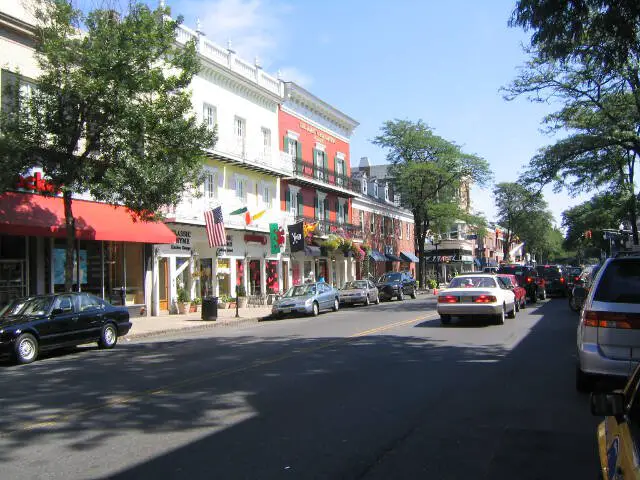
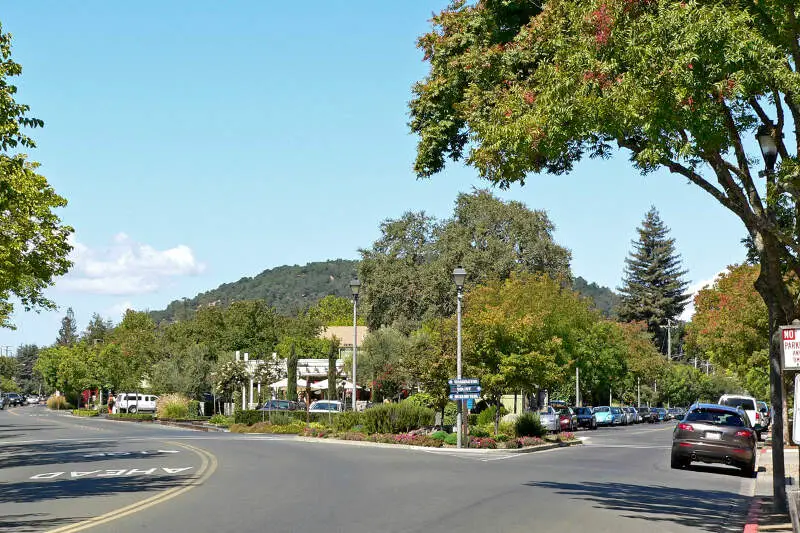
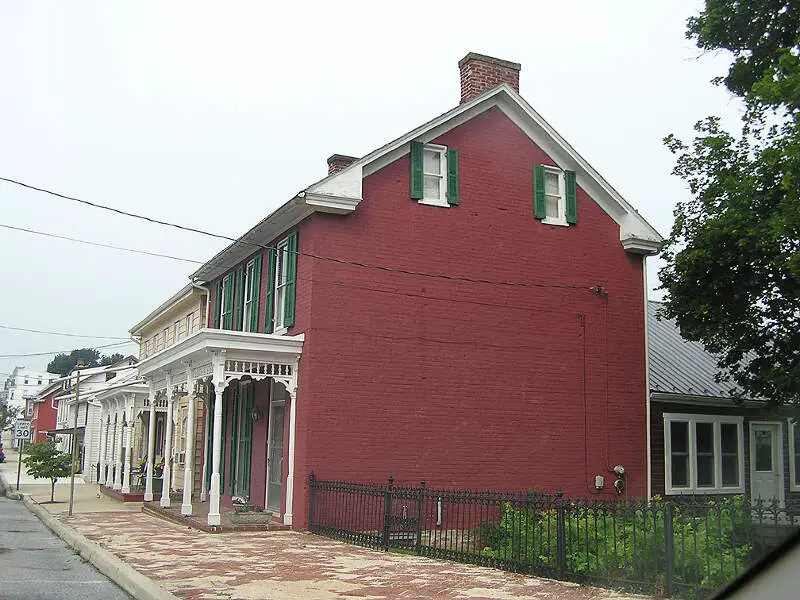
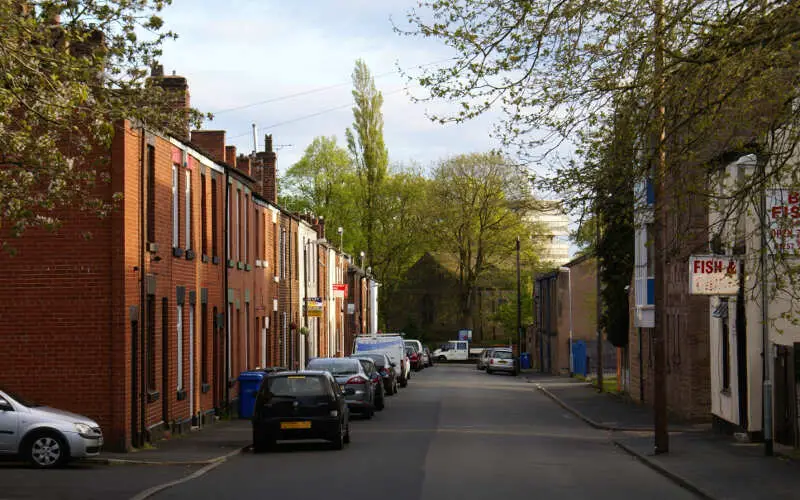
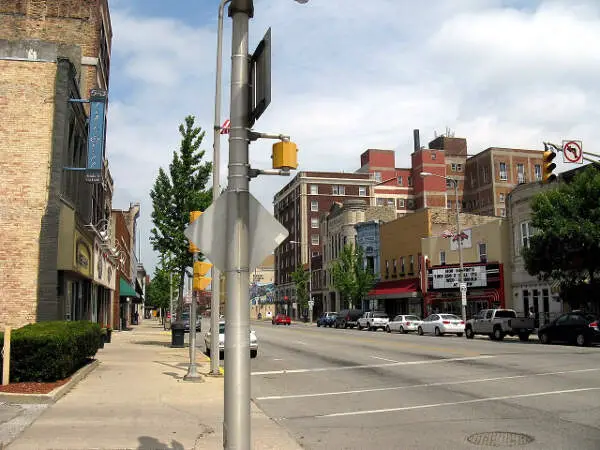
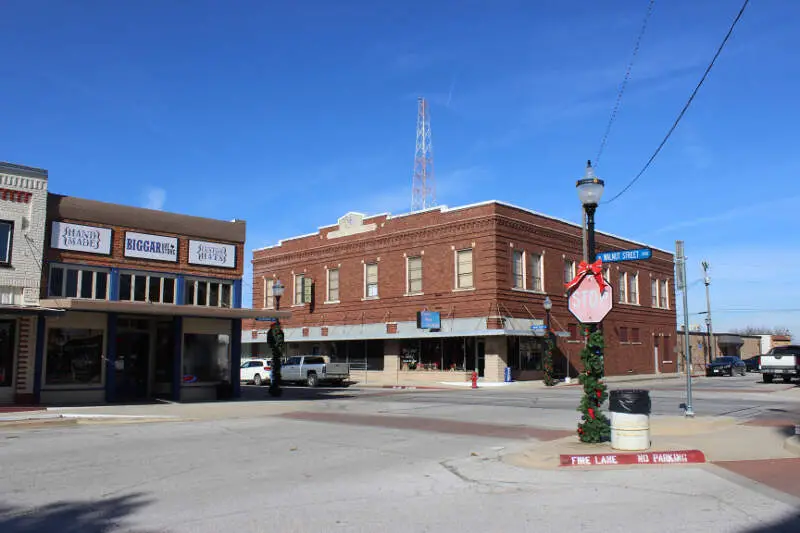
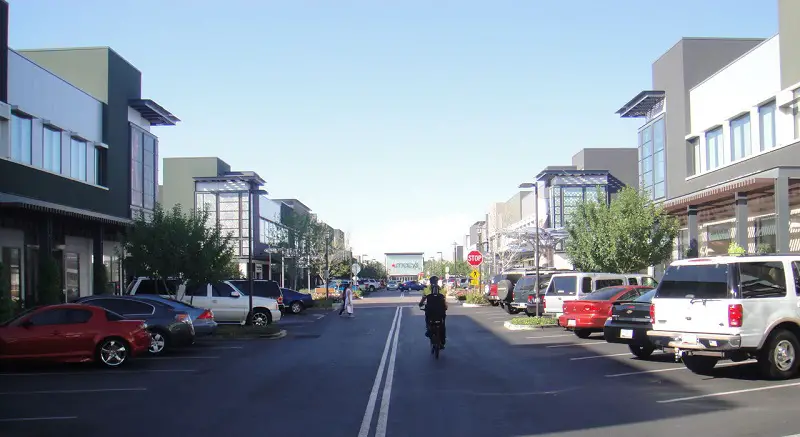
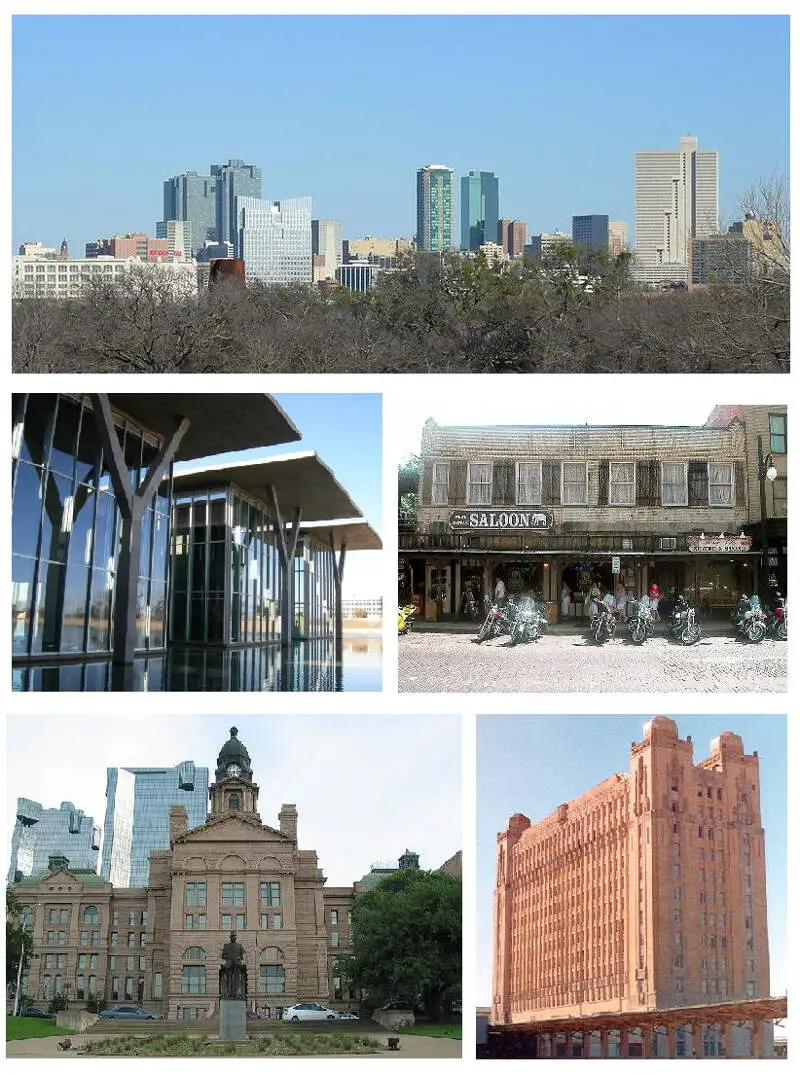
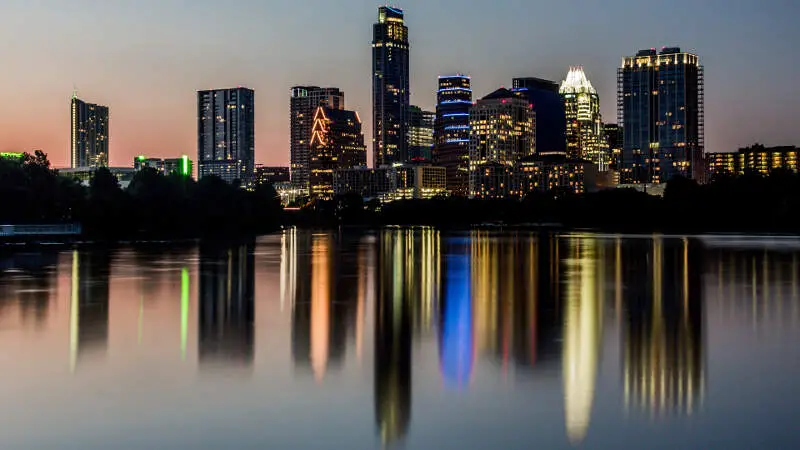
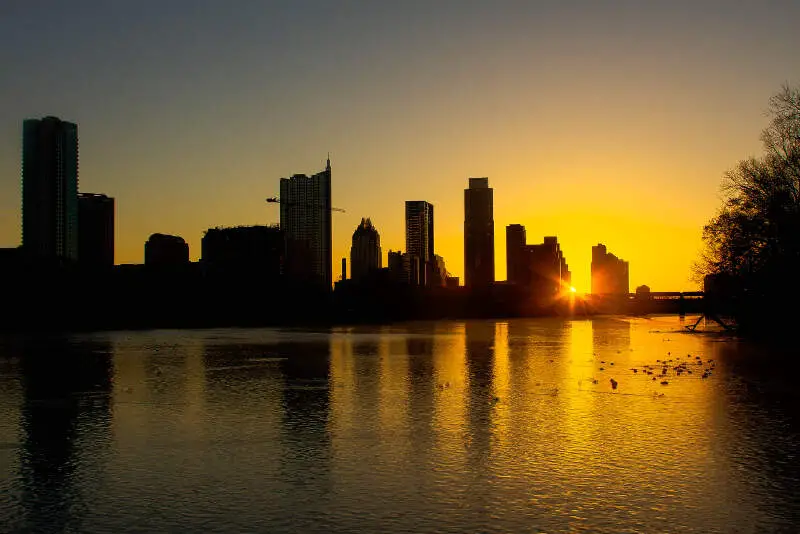
Fort Worth vs. Austin in photos
A side-by-side look at each city.


Cost of living
Fort Worth is the cheaper city overall — 16% higher in Austin than its rival. Index baseline: 100 = national average.
| Living expense | Fort Worth | Austin | US average |
|---|---|---|---|
| Overall | 104 | 124 | 100 |
| Services | 101 | 99 | 100 |
| Groceries | 103 | 101 | 100 |
| Health | 105 | 185 | 100 |
| Housing | 100 | 98 | 100 |
| Transportation | 108 | 109 | 100 |
| Utilities | 101 | 104 | 100 |
Lower index = cheaper. 100 = U.S. national average. Bar inside each cell scales relative to the highest value in the table.
Sources: HomeSnacks Cost of Living indices, normalized so 100 = U.S. national average. Drill in: Fort Worth cost of living, Austin cost of living, or the cheapest cities in America.
Housing breakdown
Home prices are higher in Austin. Compare absolute price and price-to-income — a $500k home in a $100k-income city is very different from one in a $50k-income city.
| Metric | Fort Worth | Austin | United States |
|---|---|---|---|
| Median Home Value | $298,050 | $508,530 | $332,700 |
| Median Rent | $1,509 | $1,729 | $1,413 |
| Median Income | $79,507 | $93,658 | $80,734 |
| Home Value To Income | 3.7x | 5.4x | 4.1x |
| Rent To Monthly Income | 0.23x | 0.22x | 0.21x |
Source: U.S. Census Bureau ACS 2020-2024. See also states with the highest rent in America.
Crime
Fort Worth is the safer city — total crime rate of 3,158 per 100k people vs 3,709 for Austin. US average: 2,119.
| Crime (per 100k) | Fort Worth | Austin | US average |
|---|---|---|---|
| Total crime | 3,158 | 3,709 | 2,119 |
| Murder | 7 | 7 | 5 |
| Robbery | 73 | 85 | 61 |
| Aggravated Assault | 323 | 307 | 256 |
| Violent Crime | 458 | 467 | 359 |
| Burglary | 345 | 445 | 229 |
| Larceny | 1,842 | 2,198 | 1,272 |
| Car Theft | 513 | 599 | 259 |
| Property Crime | 2,700 | 3,242 | 1,760 |
Lower = safer. Bar inside each cell scales relative to the highest crime rate in the table.
Source: FBI Uniform Crime Reporting (2024). All rates are per 100,000 people. City pages: Fort Worth crime, Austin crime. See also: safest cities in America.
Diversity
Fort Worth is more racially diverse — lower HHI (closer to 0) means a more even mix across groups.
| Group | Fort Worth | Austin | United States |
|---|---|---|---|
| White | 36.5% | 47.0% | 57.4% |
| African American | 19.3% | 7.3% | 11.9% |
| American Indian | 0.1% | 0.1% | 0.5% |
| Asian | 5.4% | 9.0% | 5.9% |
| Hawaiian | 0.1% | 0.0% | 0.2% |
| Other | 0.5% | 0.5% | 0.6% |
| Two Or More | 3.4% | 4.3% | 4.3% |
| Hispanic | 34.6% | 31.9% | 19.3% |
Source: U.S. Census ACS 2020-2024. Lower HHI = more even racial mix. See also: most diverse cities in America.
SnackAbility — overall quality of life
Austin scores higher overall — 7/10 vs 5/10. SnackAbility is our 1–10 quality-of-life score; the median U.S. city scores a 7.
Scores are 0–10; both bars share the same scale.
SnackAbility is a HomeSnacks proprietary 1–10 score blending jobs, housing, education, commute, amenities, affordability, crime, and diversity. Median U.S. city ≈ 7. Data: Census, BLS, FBI. See also: best places to live in America.
Getting around: Fort Worth vs. Austin
How each city handles commuting, transit, walkability, and car culture — the day-to-day reality that shapes where you'd actually want to live.
Both Fort Worth and Austin are car-first cities, so if you commute by car, budget time accordingly. Fort Worth's Trinity Metro bus network covers the basics, and the TEXRail commuter line links downtown to DFW Airport — genuinely useful if you fly for work. The broader DFW metro's highway grid (I-30, I-35W, Loop 820) spreads congestion across more roads, which tends to keep travel times more manageable than in Austin.
Austin's CapMetro bus and the Red Line commuter rail exist, but I-35 is notoriously one of the most congested corridors in Texas. Project Connect is slowly adding light rail, but construction relief is years away. Austin's denser core makes biking and scooter use more realistic in central neighborhoods than Fort Worth's sprawl allows, though if your job is in the Domain or along the 183 Tech Corridor, expect stop-and-go mornings regardless.
Jobs and careers in Fort Worth vs. Austin
The local job market, dominant industries, and which city to choose based on your career.
Fort Worth's economy leans on aviation and defense — American Airlines is headquartered here, and Lockheed Martin and Bell Textron both run major operations in the metro. BNSF Railway's headquarters anchors the logistics side, and the mix shows up in a median household income of $79,507. A cost of living index of 104, just above the U.S. average, means that income goes reasonably far.
Austin has become one of the country's most prominent tech hubs, with Apple, Tesla, Dell, Samsung, and Oracle all maintaining large presences. State government is also a major employer given Austin's capital-city status. The median household income of $93,658 is meaningfully higher than Fort Worth's, but a cost of living index of 124 — driven largely by housing, with median home values at $508,530 versus Fort Worth's $298,050 — erodes much of that advantage quickly.
Weather and climate
What to expect day-to-day — sun, fog, heat, rain, and the seasonal extremes that shape the lifestyle.
Fort Worth and Austin share the same basic Texas summer: long stretches above 95°F from June through September, with humidity that climbs as you go south. Fort Worth sits slightly farther north, which means more winter cold fronts rolling down from Oklahoma and the occasional ice storm — the February 2021 grid failure hit Fort Worth hard. Snow is rare but not unheard of, and the city gets roughly 35 inches of rain annually, mostly from spring and fall storm systems.
Austin averages a few degrees warmer in summer and slightly milder in winter, though the Hill Country location funnels dramatic thunderstorms through each spring. Both cities see intense heat waves in July and August, so air conditioning is a non-negotiable expense for both. Neither city works well if you prioritize cool summers, but Austin's winters are marginally shorter.
Culture, nightlife, and entertainment
Food, music, neighborhoods, and the city vibe that gives each place its personality.
Fort Worth leans into its Western identity in a way that feels genuine rather than performed. The Stockyards National Historic District still runs a daily longhorn cattle drive down Exchange Avenue, and Billy Bob's Texas — billed as the world's largest honky-tonk — draws national touring acts. The Cultural District on the west side is worth a separate trip: the Kimbell Art Museum, the Modern Art Museum of Fort Worth, and the Amon Carter Museum of American Art all sit within walking distance, with Sundance Square's bars and restaurants nearby downtown.
Austin markets itself as the Live Music Capital of the World and largely earns it — Sixth Street, Rainey Street, and the East Austin corridor offer a density of venues from intimate listening rooms to outdoor amphitheaters. SXSW and Austin City Limits Music Festival draw global attention each year. Rapid growth has pushed rents along those corridors well above Fort Worth levels, and some longtime local venues have closed as a result.
Outdoor activities and day trips
Parks, beaches, hikes, and the weekend escapes that define life outside the city limits.
Fort Worth's outdoor options center on the Trinity River corridor, where the Trinity Trails system has more than 100 miles of paved paths for cyclists and runners. Fort Worth Nature Center and Refuge — one of the largest city-owned nature preserves in the country — gives you 3,600 acres of prairie, woodland, and wetland within city limits. Benbrook Lake and Eagle Mountain Lake are both under 30 minutes away for fishing, kayaking, and powerboating, and Palo Duro Canyon is a solid day trip about three hours west.
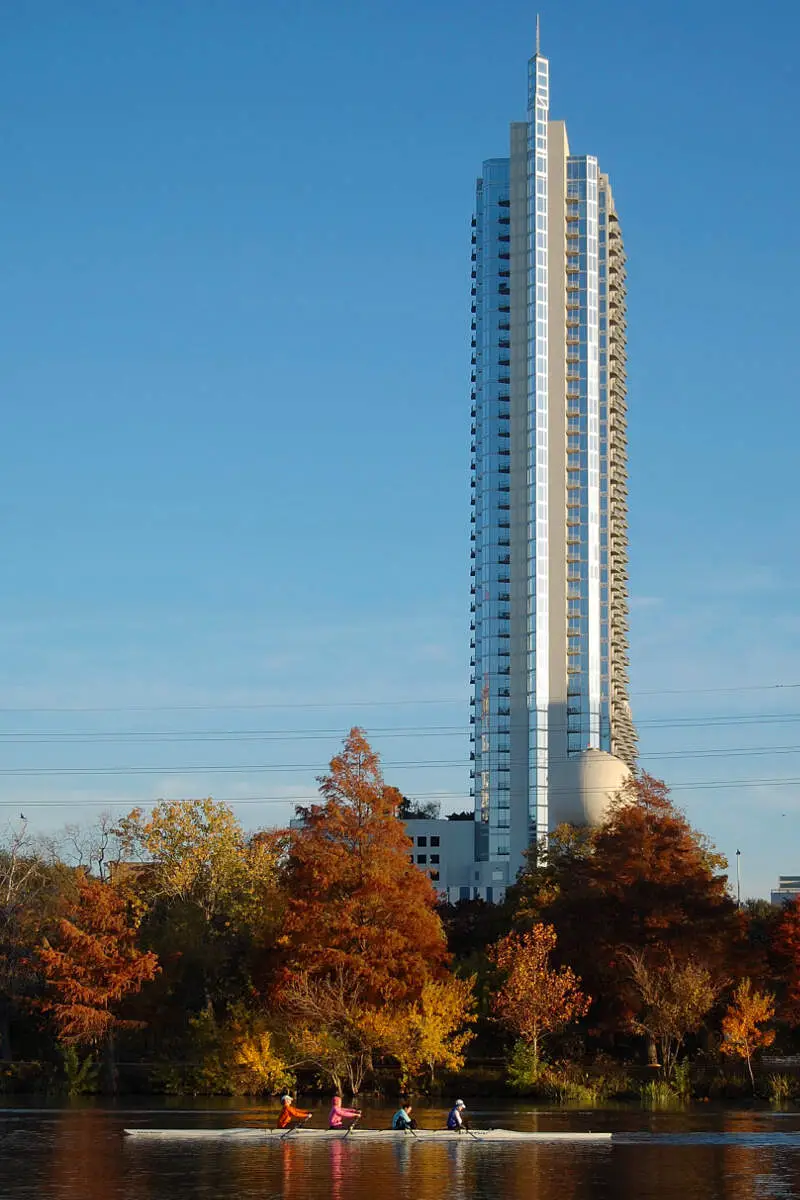
Austin's outdoor life centers on Lady Bird Lake, where the 10-mile hike-and-bike trail draws crowds nearly every morning. Barton Springs Pool — a natural spring-fed swimming hole in Zilker Park — is an Austin institution that's hard to replicate anywhere else. The Barton Creek Greenbelt puts trail running and swimming holes within minutes of downtown; Lake Travis covers weekend boating, and McKinney Falls State Park is close enough for a quick after-work nature fix.
Bottom line: which city is right for you?
Based on the head-to-head data above, here's the short version — pick the city that lines up with what you actually care about.
Choose Fort Worth if you prioritize…
- a lower cost of living (cheaper groceries, services, and day-to-day expenses).
- lower crime — a safer place to live, work, and raise a family.
- a more racially diverse community (lower HHI on Census data).
Choose Austin if you prioritize…
- more affordable housing relative to Fort Worth.
- a higher overall SnackAbility quality-of-life score.
Methodology: winners are picked from public data — U.S. Census Bureau ACS (income, home value, rent, race/HHI), FBI Uniform Crime Reporting (crime rates per 100k), and HomeSnacks' proprietary SnackAbility quality-of-life score, which blends Bureau of Labor Statistics data with the above.
Other comparisons
Still weighing your options? See how these two cities stack up against other places we've compared head-to-head.