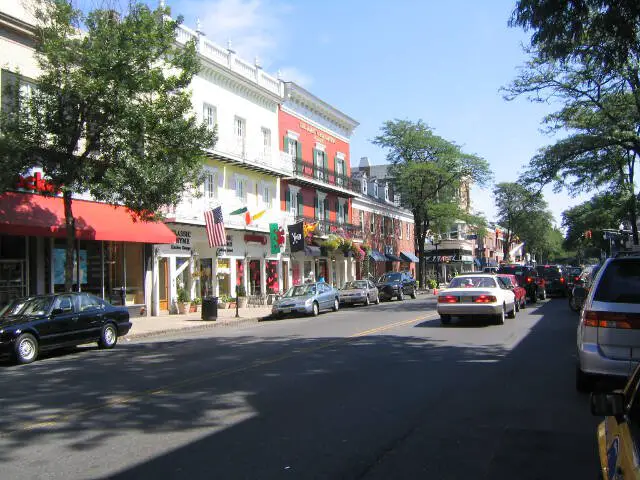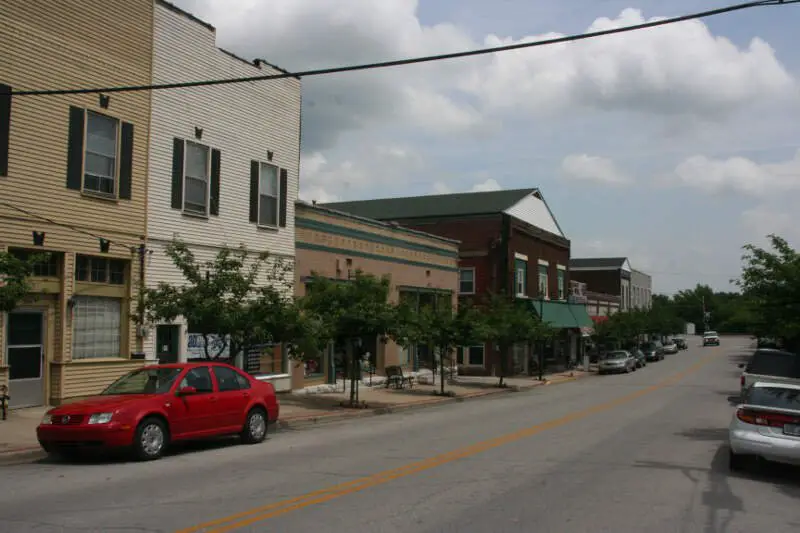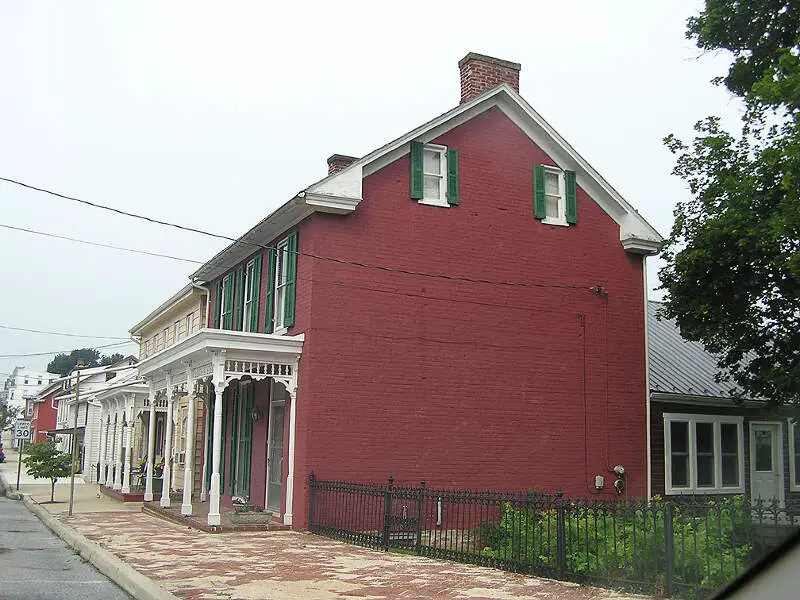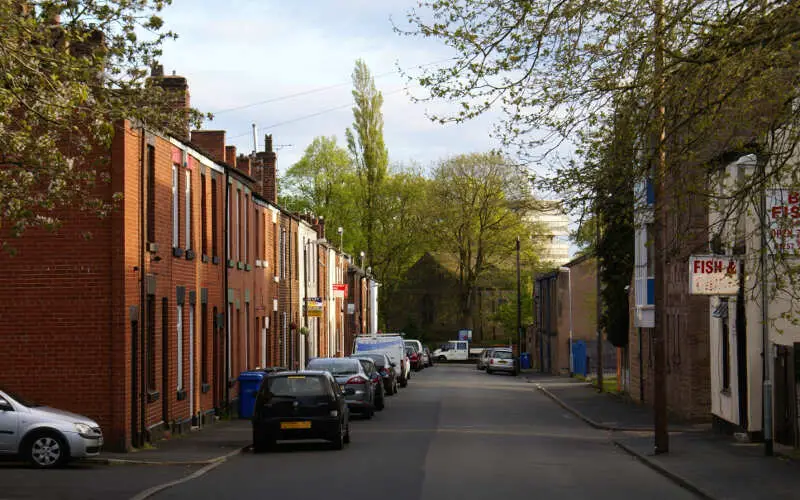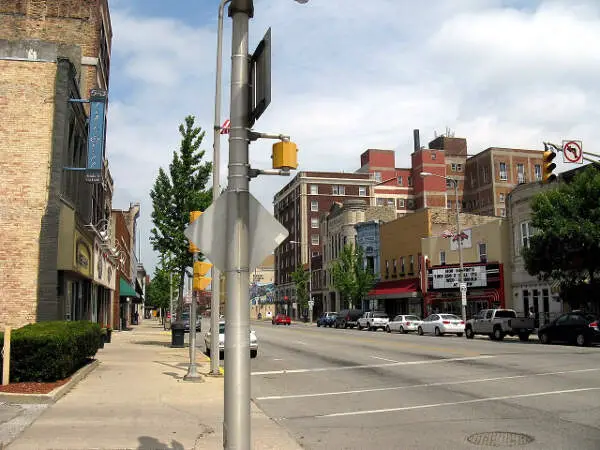
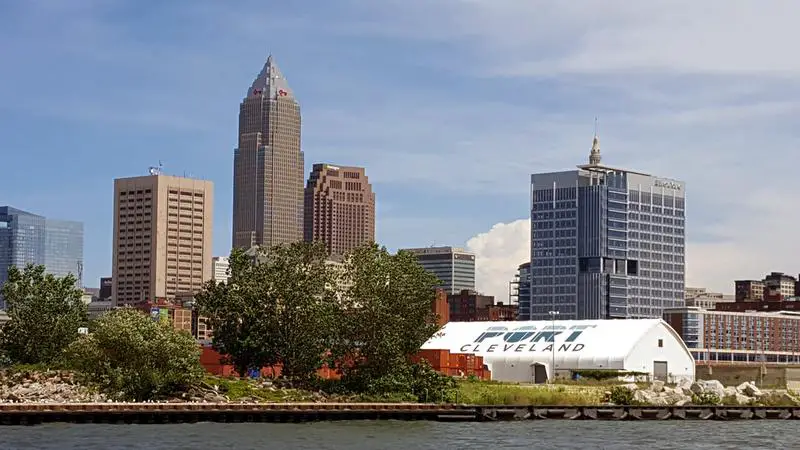
Houston vs. Cleveland in photos
A side-by-side look at each city.




Cost of living
Cleveland is the cheaper city overall — 30% higher in Houston than its rival. Index baseline: 100 = national average.
| Living expense | Houston | Cleveland | US average |
|---|---|---|---|
| Overall | 104 | 80 | 100 |
| Services | 104 | 96 | 100 |
| Groceries | 98 | 91 | 100 |
| Health | 106 | 48 | 100 |
| Housing | 102 | 91 | 100 |
| Transportation | 104 | 98 | 100 |
| Utilities | 98 | 97 | 100 |
Lower index = cheaper. 100 = U.S. national average. Bar inside each cell scales relative to the highest value in the table.
Sources: HomeSnacks Cost of Living indices, normalized so 100 = U.S. national average. Drill in: Houston cost of living, Cleveland cost of living, or the cheapest cities in America.
Housing breakdown
Home prices are higher in Houston. Compare absolute price and price-to-income — a $500k home in a $100k-income city is very different from one in a $50k-income city.
| Metric | Houston | Cleveland | United States |
|---|---|---|---|
| Median Home Value | $264,336 | $115,536 | $332,700 |
| Median Rent | $1,361 | $945 | $1,413 |
| Median Income | $64,813 | $40,801 | $80,734 |
| Home Value To Income | 4.1x | 2.8x | 4.1x |
| Rent To Monthly Income | 0.25x | 0.28x | 0.21x |
Source: U.S. Census Bureau ACS 2020-2024. See also states with the highest rent in America.
Crime
Houston is the safer city — total crime rate of 5,442 per 100k people vs 5,987 for Cleveland. US average: 2,119.
| Crime (per 100k) | Houston | Cleveland | US average |
|---|---|---|---|
| Total crime | 5,442 | 5,987 | 2,119 |
| Murder | 14 | 30 | 5 |
| Robbery | 274 | 389 | 61 |
| Aggravated Assault | 787 | 1,001 | 256 |
| Violent Crime | 1,148 | 1,561 | 359 |
| Burglary | 645 | 860 | 229 |
| Larceny | 2,946 | 2,419 | 1,272 |
| Car Theft | 703 | 1,146 | 259 |
| Property Crime | 4,293 | 4,426 | 1,760 |
Lower = safer. Bar inside each cell scales relative to the highest crime rate in the table.
Source: FBI Uniform Crime Reporting (2024). All rates are per 100,000 people. City pages: Houston crime, Cleveland crime. See also: safest cities in America.
Diversity
Houston is more racially diverse — lower HHI (closer to 0) means a more even mix across groups.
| Group | Houston | Cleveland | United States |
|---|---|---|---|
| White | 23.2% | 33.7% | 57.4% |
| African American | 22.3% | 45.1% | 11.9% |
| American Indian | 0.1% | 0.1% | 0.5% |
| Asian | 6.9% | 2.6% | 5.9% |
| Hawaiian | 0.1% | 0.0% | 0.2% |
| Other | 0.4% | 0.6% | 0.6% |
| Two Or More | 2.8% | 4.6% | 4.3% |
| Hispanic | 44.2% | 13.2% | 19.3% |
Source: U.S. Census ACS 2020-2024. Lower HHI = more even racial mix. See also: most diverse cities in America.
SnackAbility — overall quality of life
Houston scores higher overall — 4/10 vs 3/10. SnackAbility is our 1–10 quality-of-life score; the median U.S. city scores a 7.
Scores are 0–10; both bars share the same scale.
SnackAbility is a HomeSnacks proprietary 1–10 score blending jobs, housing, education, commute, amenities, affordability, crime, and diversity. Median U.S. city ≈ 7. Data: Census, BLS, FBI. See also: best places to live in America.
Getting around: Houston vs. Cleveland
How each city handles commuting, transit, walkability, and car culture — the day-to-day reality that shapes where you'd actually want to live.
Houston is one of the most car-dependent large cities in the country. The metro covers more than 600 square miles, and without a car, daily life is genuinely difficult outside walkable pockets like Midtown or the Heights. METRORail runs three light-rail lines connecting downtown and the Texas Medical Center, but coverage is thin for a city this size, and peak-hour congestion on I-10, I-45, and the Beltway is a given.
Cleveland is far smaller and physically more compact, which matters. The RTA Red Line connects Hopkins International Airport to downtown and University Circle, and bus routes cover most neighborhoods. You'll still want a car for most errands, but commute distances are shorter and the footprint is a fraction of Houston's.
Median rent of $945 in Cleveland versus $1,361 in Houston also leaves more in the budget for car ownership if you need it.
Jobs and careers in Houston vs. Cleveland
The local job market, dominant industries, and which city to choose based on your career.
Houston's economy is one of the largest in the country, anchored by energy: ExxonMobil, Shell, Chevron, and ConocoPhillips all have major operations here. The Texas Medical Center, the largest medical complex in the world, sits alongside a busy port that drives logistics and trade jobs. Median household income sits at $64,813, and a cost of living index of 104 keeps purchasing power solid for most professional salaries.
Cleveland's economy leans on healthcare and education, led by the Cleveland Clinic and University Hospitals, two nationally ranked systems that together employ tens of thousands. Manufacturing and finance round out the base. Median household income of $40,801 is lower than Houston's, but a cost of living index of 80 stretches it further: a median home value of $115,536 makes ownership accessible in a way Houston's $264,336 median does not.
Weather and climate
What to expect day-to-day — sun, fog, heat, rain, and the seasonal extremes that shape the lifestyle.
Houston sits in a humid subtropical zone: summers are long and genuinely hot, with highs regularly topping 95°F from June through September, and freezes in winter are rare but not unknown (the 2021 ice storm showed how vulnerable the city is to cold snaps). Humidity amplifies the heat, and hurricane season runs June through November, with flooding a recurring concern across flat, low-lying neighborhoods. Winters are short and rarely require a heavy coat.
Cleveland has four proper seasons. Summers along Lake Erie are pleasant, with highs in the low 80s and lower humidity than Houston. Winters are the bigger variable: lake-effect snow off Lake Erie can pile up fast, and grey overcast days stretch from November into March.
If you dislike winter driving or short days, that's a real consideration. If you find Houston's summer heat oppressive and prefer distinct seasons, Cleveland's climate may suit you better.
Culture, nightlife, and entertainment
Food, music, neighborhoods, and the city vibe that gives each place its personality.
Houston punches well above its weight culturally. The Museum District clusters 19 institutions within walking distance, including the Museum of Fine Arts and the Houston Museum of Natural Science. Montrose is the city's most eclectic neighborhood: art galleries, independent restaurants, and some of the best LGBTQ+ nightlife in Texas.
The dining scene reflects Houston's demographics, with exceptional Vietnamese food along Bellaire, strong Tex-Mex across the city, and a James Beard-recognized restaurant community. Live music ranges from country and blues clubs to a respected symphony.
Cleveland's cultural footprint is smaller but genuine. The Rock and Roll Hall of Fame on the lakefront is the obvious landmark, but Ohio City and Tremont are the neighborhoods worth knowing: walkable blocks of breweries, farm-to-table restaurants, and independent bars that give the city a livelier feel than its population might suggest. Playhouse Square is the second-largest performing arts complex in the country, hosting touring Broadway and the Cleveland Orchestra, which regularly ranks among the world's best.
Outdoor activities and day trips
Parks, beaches, hikes, and the weekend escapes that define life outside the city limits.
Houston's outdoor scene centers on its bayou and park system. Buffalo Bayou Park runs through the city with trails, kayak launches, and skyline views; Memorial Park adds over 1,400 acres of trails and a recently renovated golf course. The terrain is flat, which makes cycling and running easy on the legs if not visually dramatic.
For a change of scenery, Galveston Island is about an hour south: a Gulf Coast beach destination that works for weekend trips, even if the water is brown rather than turquoise.
Cleveland's outdoor access is one of its clearest advantages. Cuyahoga Valley National Park sits just 30 minutes south of downtown, with hiking, waterfalls, and the Towpath Trail along the old Ohio and Erie Canal. The Cleveland Metroparks ring the city with 18 reservations and over 300 miles of trails.
Lake Erie is usable for kayaking and fishing from spring through fall, and ski resorts in the nearby hills provide a winter outlet that Houston simply cannot offer.
Bottom line: which city is right for you?
Based on the head-to-head data above, here's the short version — pick the city that lines up with what you actually care about.
Choose Houston if you prioritize…
- lower crime — a safer place to live, work, and raise a family.
- more affordable housing relative to Cleveland.
- a more racially diverse community (lower HHI on Census data).
- a higher overall SnackAbility quality-of-life score.
Choose Cleveland if you prioritize…
- a lower cost of living (cheaper groceries, services, and day-to-day expenses).
Methodology: winners are picked from public data — U.S. Census Bureau ACS (income, home value, rent, race/HHI), FBI Uniform Crime Reporting (crime rates per 100k), and HomeSnacks' proprietary SnackAbility quality-of-life score, which blends Bureau of Labor Statistics data with the above.
Other comparisons
Still weighing your options? See how these two cities stack up against other places we've compared head-to-head.