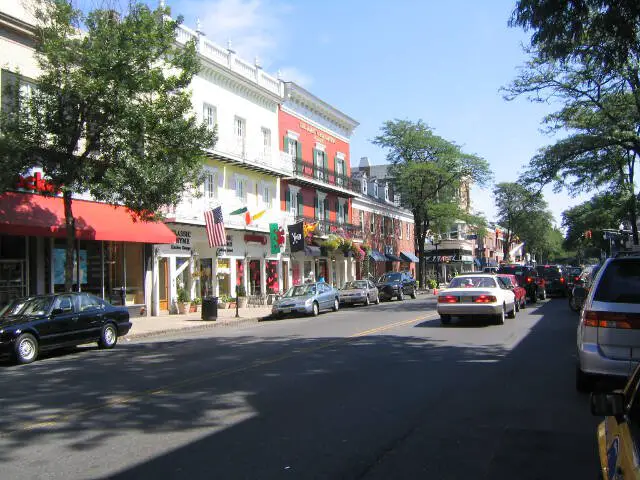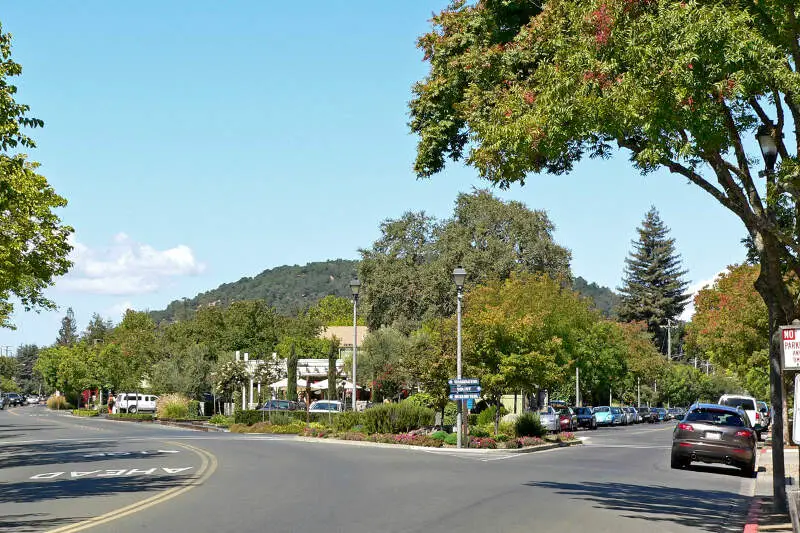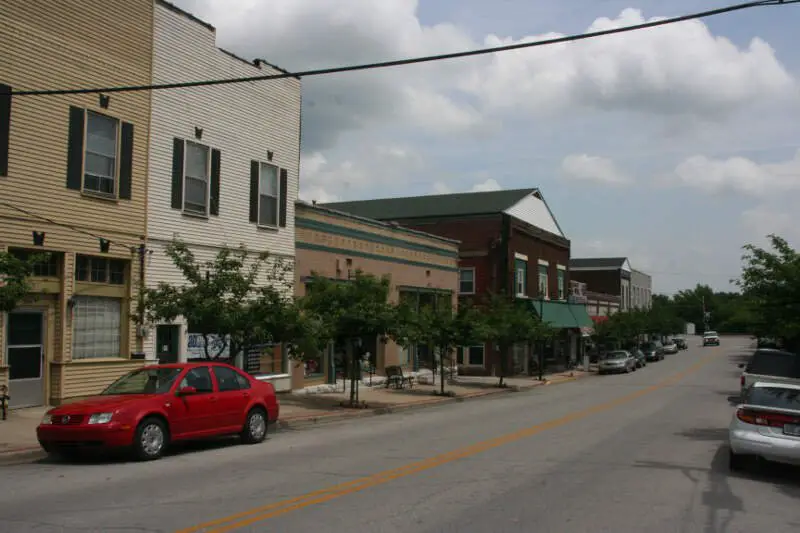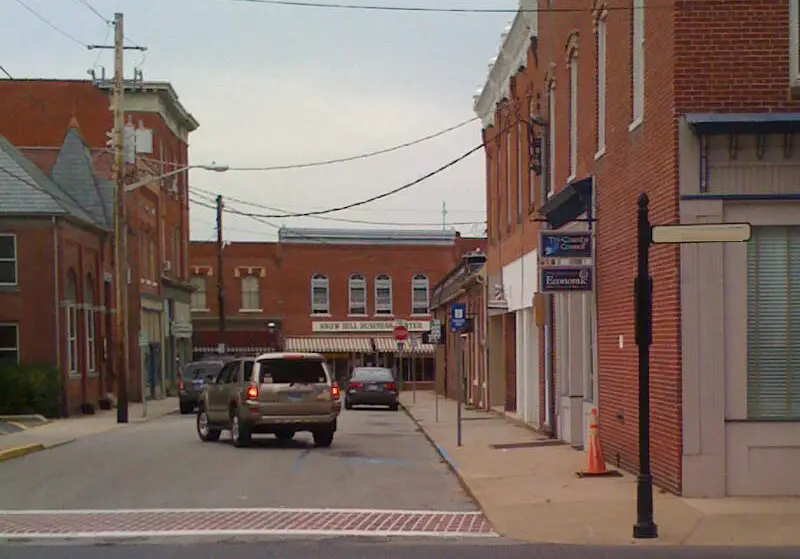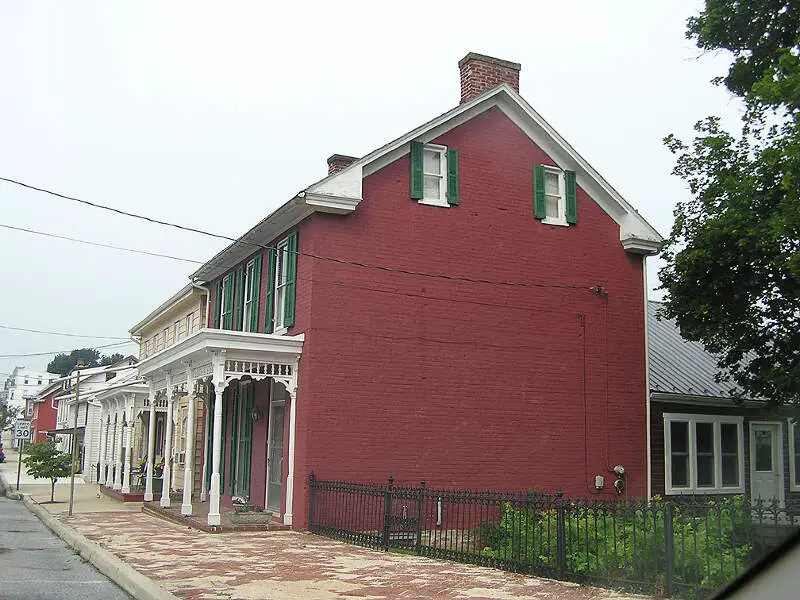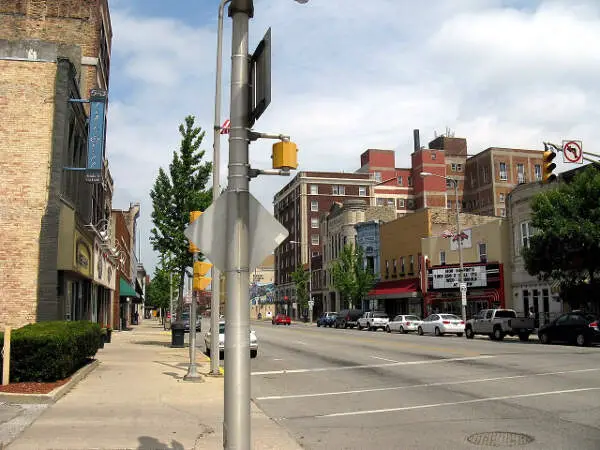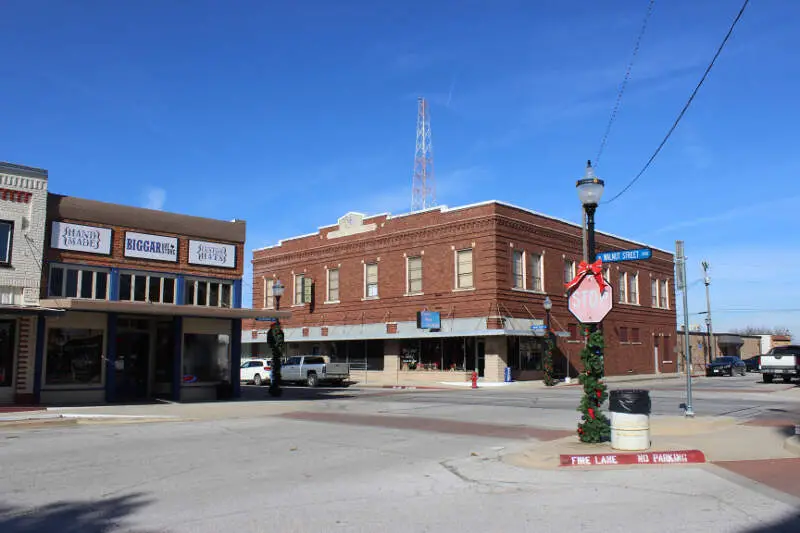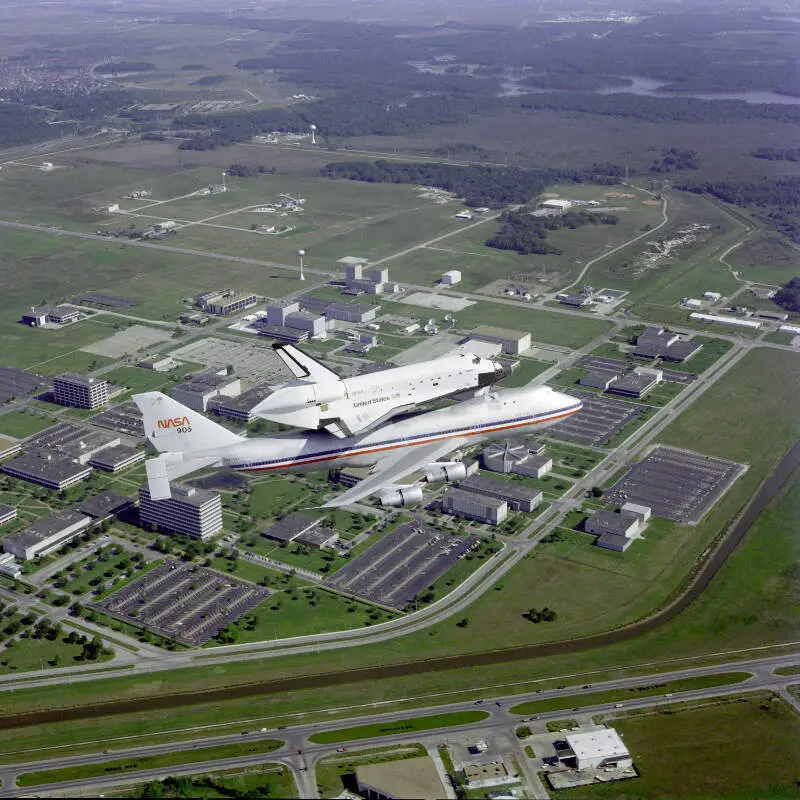
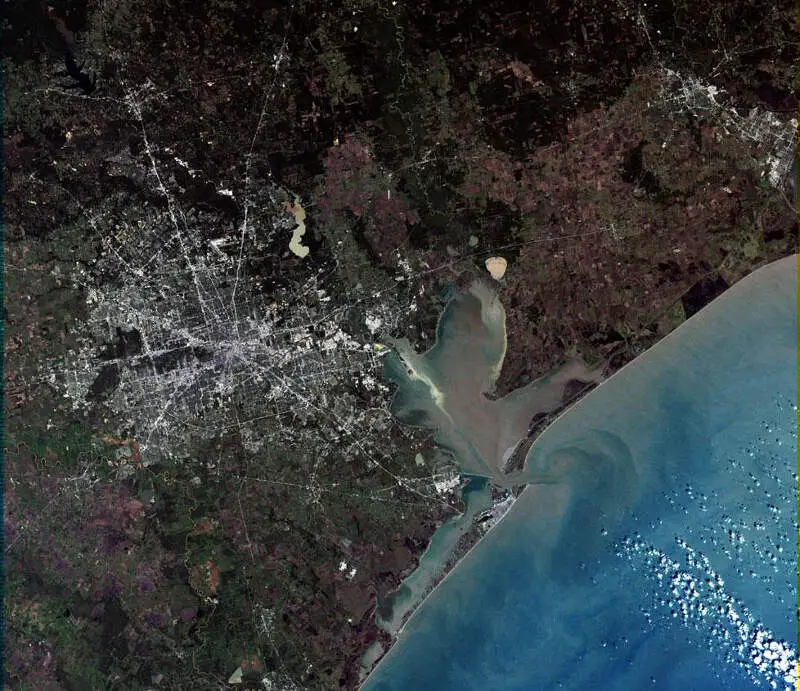
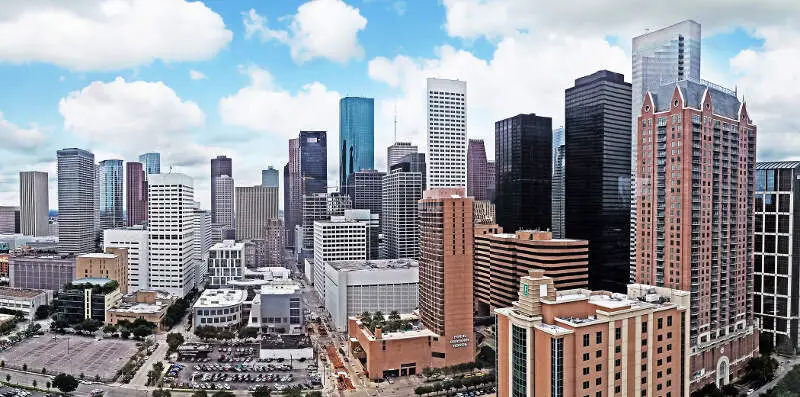
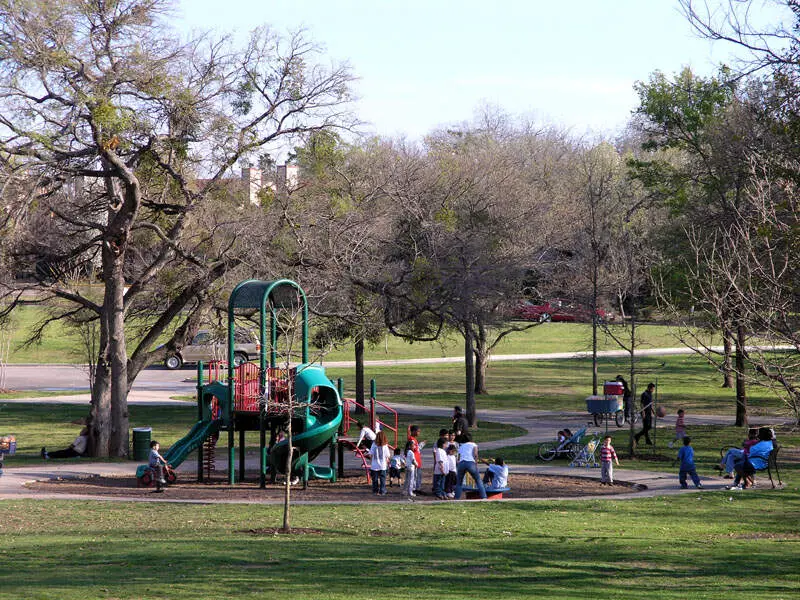
Houston vs. Dallas in photos
A side-by-side look at each city.


Cost of living
Houston is the cheaper city overall — 2% higher in Dallas than its rival. Index baseline: 100 = national average.
| Living expense | Houston | Dallas | US average |
|---|---|---|---|
| Overall | 104 | 106 | 100 |
| Services | 104 | 102 | 100 |
| Groceries | 98 | 103 | 100 |
| Health | 106 | 115 | 100 |
| Housing | 102 | 106 | 100 |
| Transportation | 104 | 108 | 100 |
| Utilities | 98 | 104 | 100 |
Lower index = cheaper. 100 = U.S. national average. Bar inside each cell scales relative to the highest value in the table.
Sources: HomeSnacks Cost of Living indices, normalized so 100 = U.S. national average. Drill in: Houston cost of living, Dallas cost of living, or the cheapest cities in America.
Housing breakdown
Home prices are higher in Dallas. Compare absolute price and price-to-income — a $500k home in a $100k-income city is very different from one in a $50k-income city.
| Metric | Houston | Dallas | United States |
|---|---|---|---|
| Median Home Value | $264,336 | $309,420 | $332,700 |
| Median Rent | $1,361 | $1,472 | $1,413 |
| Median Income | $64,813 | $70,518 | $80,734 |
| Home Value To Income | 4.1x | 4.4x | 4.1x |
| Rent To Monthly Income | 0.25x | 0.25x | 0.21x |
Source: U.S. Census Bureau ACS 2020-2024. See also states with the highest rent in America.
Crime
Dallas is the safer city — total crime rate of 4,010 per 100k people vs 5,442 for Houston. US average: 2,119.
| Crime (per 100k) | Houston | Dallas | US average |
|---|---|---|---|
| Total crime | 5,442 | 4,010 | 2,119 |
| Murder | 14 | 14 | 5 |
| Robbery | 274 | 169 | 61 |
| Aggravated Assault | 787 | 440 | 256 |
| Violent Crime | 1,148 | 658 | 359 |
| Burglary | 645 | 464 | 229 |
| Larceny | 2,946 | 1,787 | 1,272 |
| Car Theft | 703 | 1,100 | 259 |
| Property Crime | 4,293 | 3,352 | 1,760 |
Lower = safer. Bar inside each cell scales relative to the highest crime rate in the table.
Source: FBI Uniform Crime Reporting (2024). All rates are per 100,000 people. City pages: Houston crime, Dallas crime. See also: safest cities in America.
Diversity
Houston is more racially diverse — lower HHI (closer to 0) means a more even mix across groups.
| Group | Houston | Dallas | United States |
|---|---|---|---|
| White | 23.2% | 27.6% | 57.4% |
| African American | 22.3% | 22.9% | 11.9% |
| American Indian | 0.1% | 0.2% | 0.5% |
| Asian | 6.9% | 3.8% | 5.9% |
| Hawaiian | 0.1% | 0.1% | 0.2% |
| Other | 0.4% | 0.3% | 0.6% |
| Two Or More | 2.8% | 2.6% | 4.3% |
| Hispanic | 44.2% | 42.6% | 19.3% |
Source: U.S. Census ACS 2020-2024. Lower HHI = more even racial mix. See also: most diverse cities in America.
SnackAbility — overall quality of life
Dallas scores higher overall — 5/10 vs 4/10. SnackAbility is our 1–10 quality-of-life score; the median U.S. city scores a 7.
Scores are 0–10; both bars share the same scale.
SnackAbility is a HomeSnacks proprietary 1–10 score blending jobs, housing, education, commute, amenities, affordability, crime, and diversity. Median U.S. city ≈ 7. Data: Census, BLS, FBI. See also: best places to live in America.
Getting around: Houston vs. Dallas
How each city handles commuting, transit, walkability, and car culture — the day-to-day reality that shapes where you'd actually want to live.
Houston and Dallas are both car cities: you'll spend real time behind the wheel in either place. Houston's METRORail has three light-rail lines (Red, Green, Purple) connecting Midtown, the Medical Center, and the Museum District to downtown, plus bus rapid transit along major corridors. It's useful for certain commutes but covers only a fraction of the metro.
Dallas runs DART, one of the longest light-rail systems in the country, with lines through Uptown, Deep Ellum, Plano, and DFW Airport. If living car-lite matters to you, Dallas gives you more realistic options.
On the highway side, Houston's concentric loop system (I-610, Beltway 8, the Grand Parkway) means cross-town drives can pile on miles fast in a city that stretches nearly 50 miles across. Dallas traffic on the Tollway and I-35E is punishing during rush hour, but the grid is slightly more legible. Neither city is cheap to own a car in once you factor insurance and tolls, but both sit near the US average on overall cost of living (Houston at 104, Dallas at 106).
Jobs and careers in Houston vs. Dallas
The local job market, dominant industries, and which city to choose based on your career.
The two cities pull from different economic engines. Houston is the energy capital of the US: ExxonMobil, Shell, Chevron, and hundreds of midstream and services firms are headquartered or heavily staffed here. The Texas Medical Center, the largest in the world, anchors a large healthcare and life-sciences cluster.
The Port of Houston also sustains tens of thousands of logistics and trade jobs. The tradeoff is volatility: energy price swings ripple through the local economy when oil prices move.
Dallas skews toward finance, technology, and corporate headquarters: AT&T, Texas Instruments, Southwest Airlines, and Goldman Sachs's large regional hub are all based there. That mix tends to produce more stable year-round hiring cycles. Dallas households earn a median of $70,518 versus $64,813 in Houston.
If you're in energy or healthcare, Houston has the deeper job pool; if you're in tech, finance, or telecom, Dallas holds the edge.
Weather and climate
What to expect day-to-day — sun, fog, heat, rain, and the seasonal extremes that shape the lifestyle.
Summers in both cities are brutal. Expect months of highs in the mid-90s with heat indices pushing past 100°F. The meaningful difference between them is humidity and storm risk.
Houston sits 50 miles from the Gulf of Mexico, which loads the air with moisture from May through October and puts the city in the path of tropical systems. Hurricane Harvey's 2017 flooding shows what that exposure means for homeowners and renters alike. Flood insurance is not optional in many Houston zip codes.
Dallas trades Gulf humidity for a more continental climate: winters are drier and colder, with occasional ice storms. The February 2021 freeze hit both cities hard, but Dallas saw more prolonged outages.
Dallas also sits in Tornado Alley in a meaningful way, with spring supercell season a real annual concern. If you prefer four more distinct seasons and can handle icy roads a few times a year, Dallas fits better; if you want milder winters and can live with swampy summers, Houston delivers.
Culture, nightlife, and entertainment
Food, music, neighborhoods, and the city vibe that gives each place its personality.
Houston's cultural identity is tied closely to its diversity: it's one of the most ethnically varied cities in the country, and that shows up directly in its food and neighborhoods. Montrose and Midtown anchor the bar and live-music scene; the Museum District puts the Houston Museum of Natural Science, the Menil Collection, and the Museum of Fine Arts within walking distance of each other. Discovery Green activates downtown on weekends.
The restaurant scene runs from Viet-Cajun crawfish spots along Bellaire to James Beard-recognized taquerias.
Dallas counters with Deep Ellum, one of Texas's best live-music and bar strips, a renovated Arts District holding the AT&T Performing Arts Center and the Nasher Sculpture Center, and the walkable Bishop Arts District for independent dining and boutiques. Uptown draws the after-work crowds. Dallas runs a bit more polished and corporate in its nightlife vibe; Houston feels looser and more eclectic.
Both cities have full slates of professional sports (NFL, NBA, MLB, MLS), so game-night options aren't an issue in either place.
Outdoor activities and day trips
Parks, beaches, hikes, and the weekend escapes that define life outside the city limits.
Flat terrain defines outdoor life in both cities, but they handle it differently. Houston's Buffalo Bayou Park is a 160-acre green corridor along the bayou, connecting to miles of trails through the urban core.
Hermann Park anchors the Museum District with a reflection pond, Japanese garden, and access to the Houston Zoo. Galveston Island is roughly 45 minutes south: not the Gulf's finest beach, but a good day trip for sun and seafood.
Dallas leans on its lakes and parks for weekend escapes. White Rock Lake draws cyclists and kayakers year-round, and Klyde Warren Park downtown has become a popular gathering spot. Lake Ray Hubbard and Grapevine Lake are short drives for boating and fishing.
The Hill Country is about three hours southwest, making it a realistic long-weekend destination. Houston's proximity to the Gulf and Big Thicket National Preserve gives it a wilder, more subtropical feel; Dallas's options lean toward recreation lakes but tend to be closer.
Bottom line: which city is right for you?
Based on the head-to-head data above, here's the short version — pick the city that lines up with what you actually care about.
Choose Houston if you prioritize…
- a lower cost of living (cheaper groceries, services, and day-to-day expenses).
- a more racially diverse community (lower HHI on Census data).
Choose Dallas if you prioritize…
- lower crime — a safer place to live, work, and raise a family.
- more affordable housing relative to Houston.
- a higher overall SnackAbility quality-of-life score.
Methodology: winners are picked from public data — U.S. Census Bureau ACS (income, home value, rent, race/HHI), FBI Uniform Crime Reporting (crime rates per 100k), and HomeSnacks' proprietary SnackAbility quality-of-life score, which blends Bureau of Labor Statistics data with the above.
Other comparisons
Still weighing your options? See how these two cities stack up against other places we've compared head-to-head.