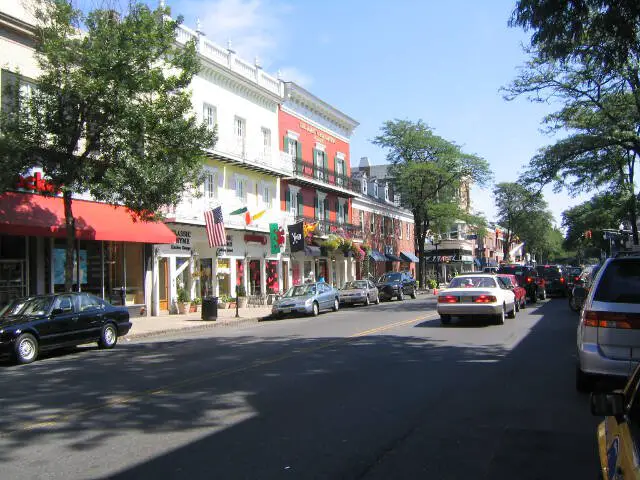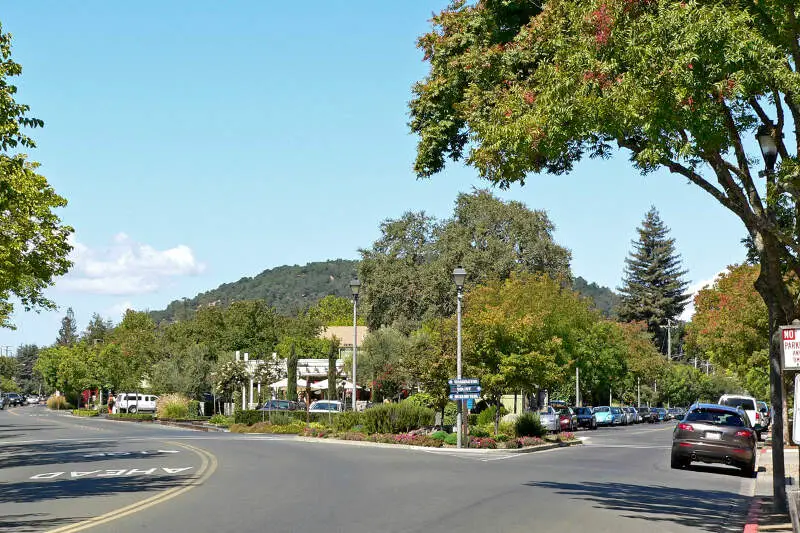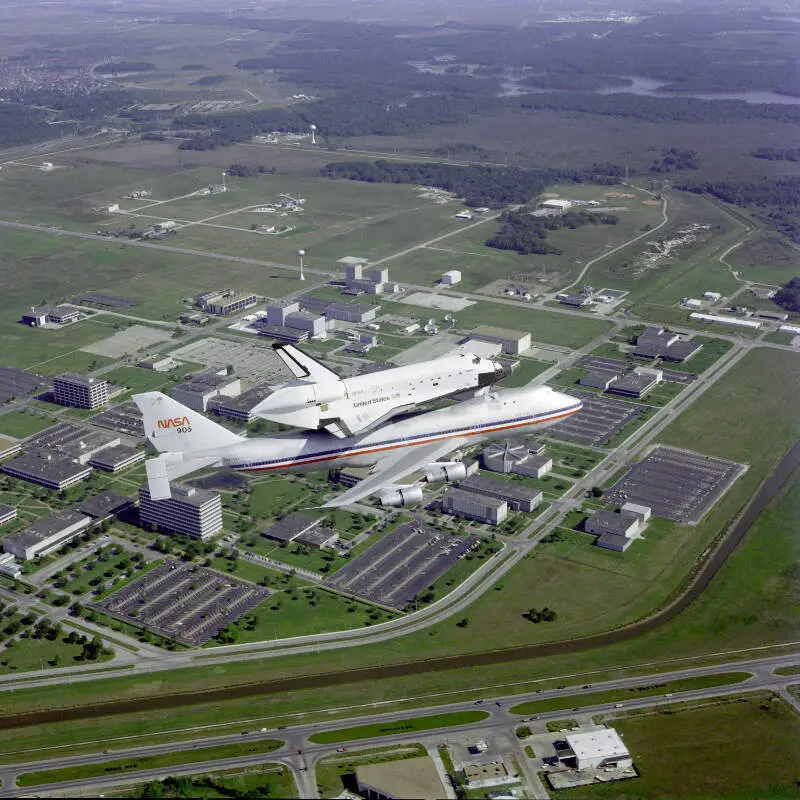
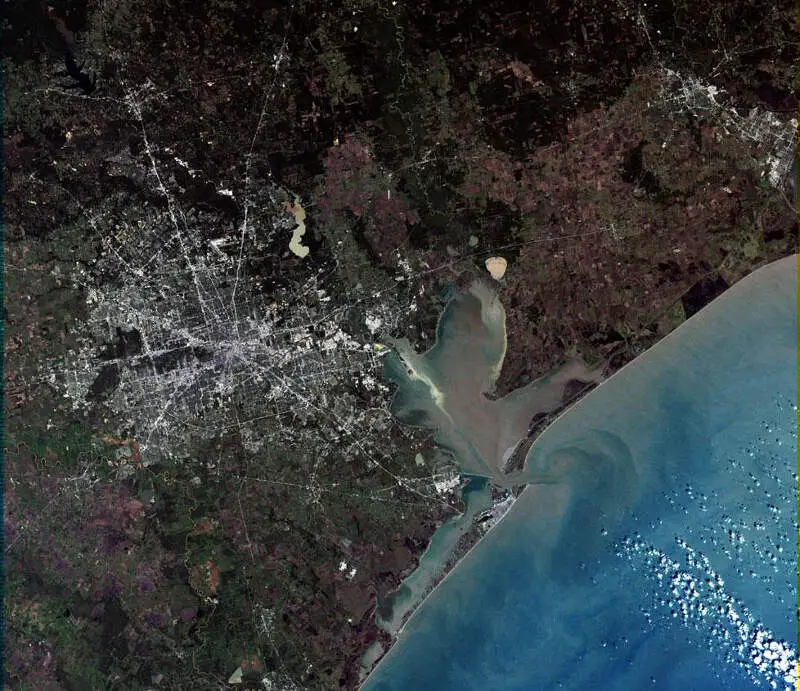
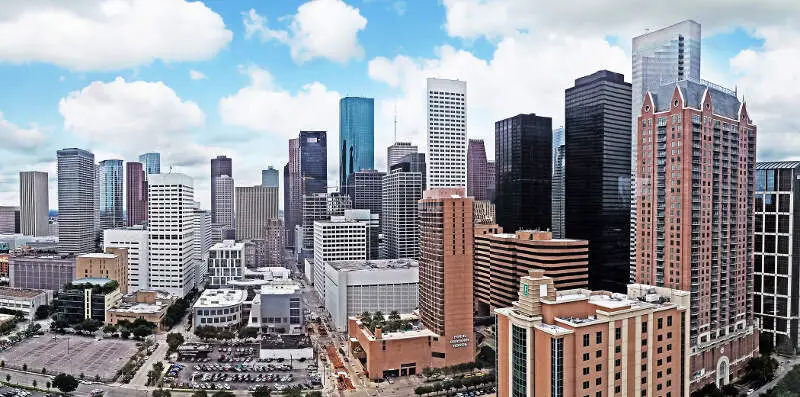
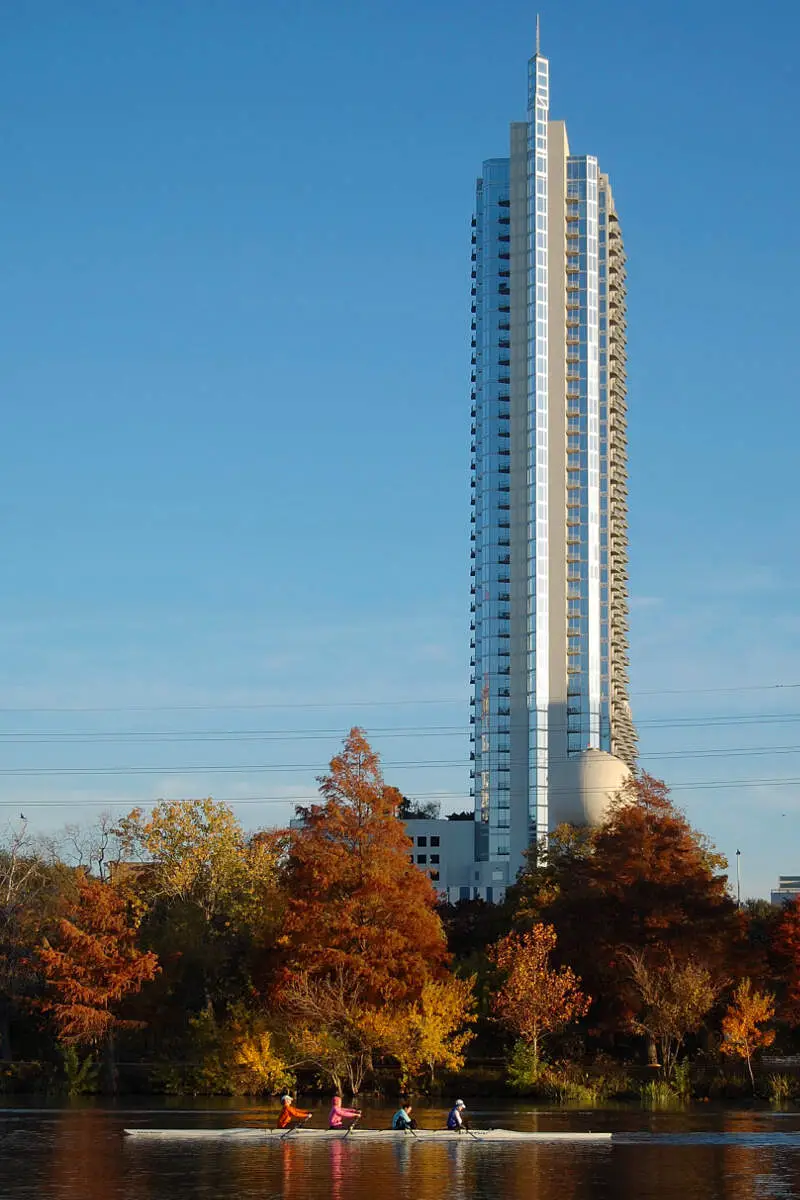
Houston vs. Austin in photos
A side-by-side look at each city.


Cost of living
Houston is the cheaper city overall — 16% higher in Austin than its rival. Index baseline: 100 = national average.
| Living expense | Houston | Austin | US average |
|---|---|---|---|
| Overall | 104 | 124 | 100 |
| Services | 104 | 99 | 100 |
| Groceries | 98 | 101 | 100 |
| Health | 106 | 185 | 100 |
| Housing | 102 | 98 | 100 |
| Transportation | 104 | 109 | 100 |
| Utilities | 98 | 104 | 100 |
Lower index = cheaper. 100 = U.S. national average. Bar inside each cell scales relative to the highest value in the table.
Sources: HomeSnacks Cost of Living indices, normalized so 100 = U.S. national average. Drill in: Houston cost of living, Austin cost of living, or the cheapest cities in America.
Housing breakdown
Home prices are higher in Austin. Compare absolute price and price-to-income — a $500k home in a $100k-income city is very different from one in a $50k-income city.
| Metric | Houston | Austin | United States |
|---|---|---|---|
| Median Home Value | $264,336 | $508,530 | $332,700 |
| Median Rent | $1,361 | $1,729 | $1,413 |
| Median Income | $64,813 | $93,658 | $80,734 |
| Home Value To Income | 4.1x | 5.4x | 4.1x |
| Rent To Monthly Income | 0.25x | 0.22x | 0.21x |
Source: U.S. Census Bureau ACS 2020-2024. See also states with the highest rent in America.
Crime
Austin is the safer city — total crime rate of 3,709 per 100k people vs 5,442 for Houston. US average: 2,119.
| Crime (per 100k) | Houston | Austin | US average |
|---|---|---|---|
| Total crime | 5,442 | 3,709 | 2,119 |
| Murder | 14 | 7 | 5 |
| Robbery | 274 | 85 | 61 |
| Aggravated Assault | 787 | 307 | 256 |
| Violent Crime | 1,148 | 467 | 359 |
| Burglary | 645 | 445 | 229 |
| Larceny | 2,946 | 2,198 | 1,272 |
| Car Theft | 703 | 599 | 259 |
| Property Crime | 4,293 | 3,242 | 1,760 |
Lower = safer. Bar inside each cell scales relative to the highest crime rate in the table.
Source: FBI Uniform Crime Reporting (2024). All rates are per 100,000 people. City pages: Houston crime, Austin crime. See also: safest cities in America.
Diversity
Houston is more racially diverse — lower HHI (closer to 0) means a more even mix across groups.
| Group | Houston | Austin | United States |
|---|---|---|---|
| White | 23.2% | 47.0% | 57.4% |
| African American | 22.3% | 7.3% | 11.9% |
| American Indian | 0.1% | 0.1% | 0.5% |
| Asian | 6.9% | 9.0% | 5.9% |
| Hawaiian | 0.1% | 0.0% | 0.2% |
| Other | 0.4% | 0.5% | 0.6% |
| Two Or More | 2.8% | 4.3% | 4.3% |
| Hispanic | 44.2% | 31.9% | 19.3% |
Source: U.S. Census ACS 2020-2024. Lower HHI = more even racial mix. See also: most diverse cities in America.
SnackAbility — overall quality of life
Austin scores higher overall — 7/10 vs 4/10. SnackAbility is our 1–10 quality-of-life score; the median U.S. city scores a 7.
Scores are 0–10; both bars share the same scale.
SnackAbility is a HomeSnacks proprietary 1–10 score blending jobs, housing, education, commute, amenities, affordability, crime, and diversity. Median U.S. city ≈ 7. Data: Census, BLS, FBI. See also: best places to live in America.
Getting around: Houston vs. Austin
How each city handles commuting, transit, walkability, and car culture — the day-to-day reality that shapes where you'd actually want to live.
Both cities are built for cars, so if you commute by transit, temper your expectations.
Houston's METRO system runs the METRoRail Red Line and its extensions through downtown, the Museum District, and the Texas Medical Center, with a bus network covering most of the metro. Most Houstonians still sit on I-10, Loop 610, or Beltway 8 for long stretches each day. At 2.3 million people spread across a footprint larger than Rhode Island, the commute distances add up regardless of mode.
Austin's CapMetro commuter rail line runs from Leander into downtown, and the bus rapid transit network (Project Connect) is still expanding. But I-35 through the city center remains one of the most congested corridors in Texas. Core neighborhoods like South Congress and Mueller are dense enough that walking and cycling are practical in ways they rarely are in Houston.
Jobs and careers in Houston vs. Austin
The local job market, dominant industries, and which city to choose based on your career.
Houston's economy runs on energy. ExxonMobil, Shell, Chevron, Halliburton, and ConocoPhillips all have major presences here, and the downstream petrochemical corridor along the Ship Channel keeps blue- and white-collar employment broad.
The Texas Medical Center (the largest medical complex in the world) adds tens of thousands of healthcare and research jobs, and NASA's Johnson Space Center anchors an aerospace cluster southeast of downtown. Median household income sits at $64,813 across a metro with wide variation in industries and wage levels.
Austin skews toward tech and government. Apple, Google, Meta, Oracle, Dell, and Tesla's Gigafactory have reshaped the job market, pushing median household income to $93,658, nearly $29,000 more than Houston's. The University of Texas and the state capitol keep education and public-sector employment steady.
The trade-off: Austin's cost of living index of 124 versus Houston's 104 means more of that higher paycheck goes to housing, where median home values ($508,530) nearly double Houston's ($264,336).
Weather and climate
What to expect day-to-day — sun, fog, heat, rain, and the seasonal extremes that shape the lifestyle.
Houston summers are long, hot, and relentlessly humid: daytime highs routinely hit the mid-90s°F from June through September, and the Gulf moisture rarely lets up. Hurricane season (June–November) is a real planning consideration, and flooding is the city's most persistent weather hazard, as Hurricane Harvey made painfully clear. Winters are mild and freezes are uncommon, but when they hit (as in February 2021), the region's infrastructure can struggle badly.
Austin sits about 160 miles inland and still gets scorching summers, though the humidity drops noticeably compared to Houston. Expect highs regularly above 100°F in July and August.
The Hill Country location means occasional severe winter ice storms; Austin was equally crippled in the 2021 freeze.
Spring and fall are genuinely pleasant in both cities, but Austin's lower humidity makes outdoor time in those shoulder seasons more comfortable than Houston's sticky equivalent.
Culture, nightlife, and entertainment
Food, music, neighborhoods, and the city vibe that gives each place its personality.
Houston punches well above its cultural weight. The Museum District puts the Menil Collection, Houston Museum of Natural Science, and the Museum of Fine Arts within walking distance of each other. The Theater District rivals those in much larger coastal cities.
Montrose and Midtown are the creative and nightlife cores, with dining that reflects the city's standing as one of the most ethnically varied metros in the country: Vietnamese spots along Bellaire, Nigerian restaurants in southwest Houston, and an exceptional Tex-Mex scene citywide. Sports fans follow the Astros, Rockets, and Texans year-round.
Austin bills itself as the Live Music Capital of the World, and 6th Street, Rainey Street, and the Red River Cultural District back that up on any given night. SXSW each March and the Austin City Limits Music Festival in October draw international crowds.
The bar and restaurant scene on South Congress and in the Domain keeps pace with any major tech city. Median rent of $1,729 in Austin versus $1,361 in Houston means the nightlife lifestyle comes at a real premium.
Outdoor activities and day trips
Parks, beaches, hikes, and the weekend escapes that define life outside the city limits.
Houston's flat coastal-plain terrain limits dramatic scenery, but the city has invested heavily in its bayou trail system. Buffalo Bayou Park threads through downtown with kayaking, running paths, and the tunneled cistern art installation beneath it. Hermann Park and Memorial Park add green space at genuine scale.
For bigger outdoor ambitions, Galveston Island is about an hour south: not a pristine beach, but a real Gulf Coast escape with fishing, birding on Bolivar Peninsula, and fresh seafood.
Austin's outdoor appeal is harder to beat in Texas. Barton Springs Pool, fed by natural springs in Zilker Park, is a local institution, and the Barton Creek Greenbelt has shaded hiking and swimming holes within city limits. Lake Travis and Lake Austin draw boaters and paddleboarders all summer.
Drive west thirty minutes and you're in the Texas Hill Country: Enchanted Rock State Natural Area, Pedernales Falls State Park, and dozens of swimming holes along the Guadalupe River make Austin a solid base for weekend outdoor exploration.
Bottom line: which city is right for you?
Based on the head-to-head data above, here's the short version — pick the city that lines up with what you actually care about.
Choose Houston if you prioritize…
- a lower cost of living (cheaper groceries, services, and day-to-day expenses).
- a more racially diverse community (lower HHI on Census data).
Choose Austin if you prioritize…
- lower crime — a safer place to live, work, and raise a family.
- more affordable housing relative to Houston.
- a higher overall SnackAbility quality-of-life score.
Methodology: winners are picked from public data — U.S. Census Bureau ACS (income, home value, rent, race/HHI), FBI Uniform Crime Reporting (crime rates per 100k), and HomeSnacks' proprietary SnackAbility quality-of-life score, which blends Bureau of Labor Statistics data with the above.
Other comparisons
Still weighing your options? See how these two cities stack up against other places we've compared head-to-head.