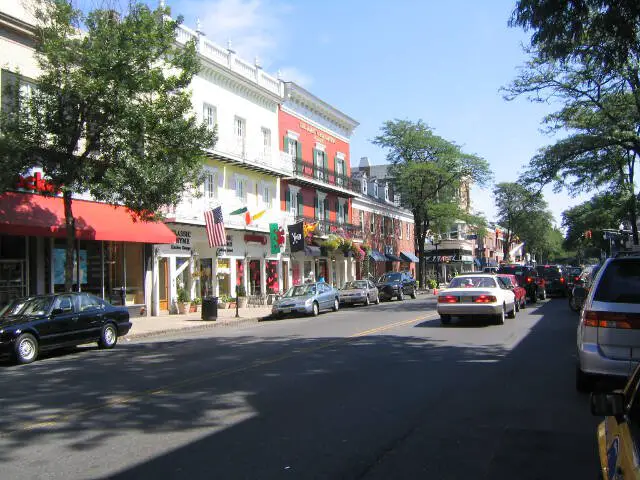
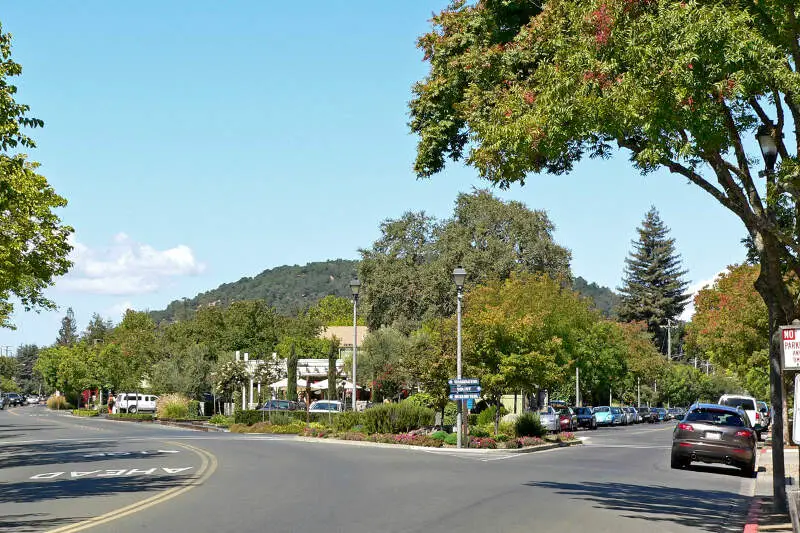
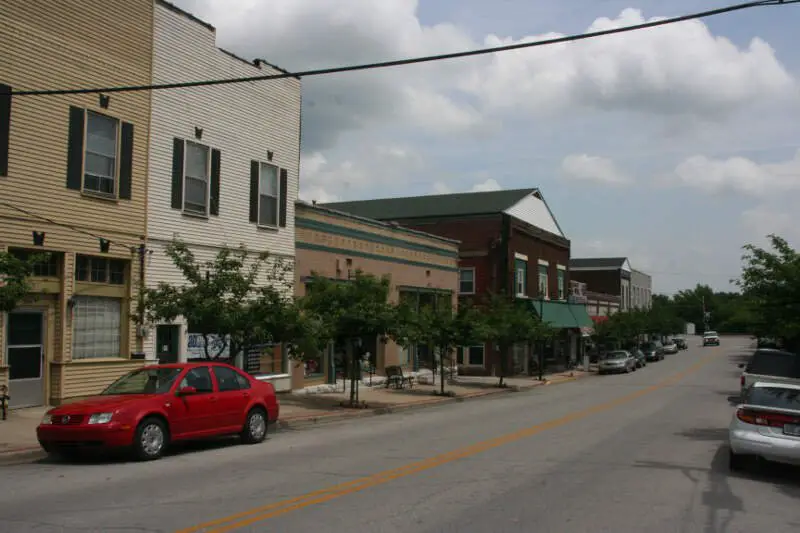
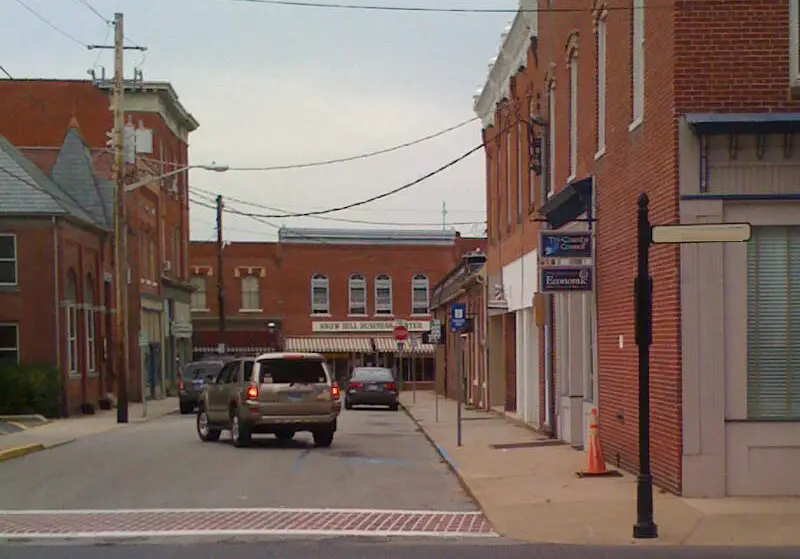
Irving vs. Dallas in photos
A side-by-side look at each city.




Cost of living
Irving is the cheaper city overall — 5% higher in Dallas than its rival. Index baseline: 100 = national average.
| Living expense | Irving | Dallas | US average |
|---|---|---|---|
| Overall | 101 | 106 | 100 |
| Services | 101 | 102 | 100 |
| Groceries | 98 | 103 | 100 |
| Health | 116 | 115 | 100 |
| Housing | 101 | 106 | 100 |
| Transportation | 105 | 108 | 100 |
| Utilities | 97 | 104 | 100 |
Lower index = cheaper. 100 = U.S. national average. Bar inside each cell scales relative to the highest value in the table.
Sources: HomeSnacks Cost of Living indices, normalized so 100 = U.S. national average. Drill in: Irving cost of living, Dallas cost of living, or the cheapest cities in America.
Housing breakdown
Home prices are higher in Irving. Compare absolute price and price-to-income — a $500k home in a $100k-income city is very different from one in a $50k-income city.
| Metric | Irving | Dallas | United States |
|---|---|---|---|
| Median Home Value | $341,503 | $309,420 | $332,700 |
| Median Rent | $1,619 | $1,472 | $1,413 |
| Median Income | $81,830 | $70,518 | $80,734 |
| Home Value To Income | 4.2x | 4.4x | 4.1x |
| Rent To Monthly Income | 0.24x | 0.25x | 0.21x |
Source: U.S. Census Bureau ACS 2020-2024. See also states with the highest rent in America.
Crime
Irving is the safer city — total crime rate of 2,474 per 100k people vs 4,010 for Dallas. US average: 2,119.
| Crime (per 100k) | Irving | Dallas | US average |
|---|---|---|---|
| Total crime | 2,474 | 4,010 | 2,119 |
| Murder | 7 | 14 | 5 |
| Robbery | 57 | 169 | 61 |
| Aggravated Assault | 157 | 440 | 256 |
| Violent Crime | 275 | 658 | 359 |
| Burglary | 250 | 464 | 229 |
| Larceny | 1,522 | 1,787 | 1,272 |
| Car Theft | 427 | 1,100 | 259 |
| Property Crime | 2,199 | 3,352 | 1,760 |
Lower = safer. Bar inside each cell scales relative to the highest crime rate in the table.
Source: FBI Uniform Crime Reporting (2024). All rates are per 100,000 people. City pages: Irving crime, Dallas crime. See also: safest cities in America.
Diversity
Irving is more racially diverse — lower HHI (closer to 0) means a more even mix across groups.
| Group | Irving | Dallas | United States |
|---|---|---|---|
| White | 17.8% | 27.6% | 57.4% |
| African American | 12.7% | 22.9% | 11.9% |
| American Indian | 0.1% | 0.2% | 0.5% |
| Asian | 23.1% | 3.8% | 5.9% |
| Hawaiian | 0.0% | 0.1% | 0.2% |
| Other | 0.5% | 0.3% | 0.6% |
| Two Or More | 2.4% | 2.6% | 4.3% |
| Hispanic | 43.4% | 42.6% | 19.3% |
Source: U.S. Census ACS 2020-2024. Lower HHI = more even racial mix. See also: most diverse cities in America.
SnackAbility — overall quality of life
Irving scores higher overall — 6/10 vs 5/10. SnackAbility is our 1–10 quality-of-life score; the median U.S. city scores a 7.
Scores are 0–10; both bars share the same scale.
SnackAbility is a HomeSnacks proprietary 1–10 score blending jobs, housing, education, commute, amenities, affordability, crime, and diversity. Median U.S. city ≈ 7. Data: Census, BLS, FBI. See also: best places to live in America.
Getting around: Irving vs. Dallas
How each city handles commuting, transit, walkability, and car culture — the day-to-day reality that shapes where you'd actually want to live.
Both Irving and Dallas are firmly car-first cities. If you commute by car, expect real time on I-635, SH-114, and I-35E regardless of which side of the city line you live on.
DART rail connects the two: Irving's Orange Line stops serve Las Colinas Urban Center and the DFW Airport connector, making a car-free commute into downtown Dallas possible, if slow. Dallas's network is more extensive, with the Red, Blue, Green, and Orange lines radiating from Union Station into neighborhoods like Uptown and Oak Cliff.
Irving has one practical edge if you travel for work: DFW International Airport sits right on the city's northern edge, which saves real time versus driving across town. Dallas Love Field is convenient for the northern and central Dallas neighborhoods it sits near.
Jobs and careers in Irving vs. Dallas
The local job market, dominant industries, and which city to choose based on your career.
Irving punches above its size in corporate headquarters. Las Colinas is one of the densest office corridors in Texas, home to Celanese, Fluor Corporation, McKesson, and Kimberly-Clark, among others.
That employer concentration shows in the numbers: Irving's median household income is $81,830, compared to Dallas's $70,518. Dallas, though, offers breadth: AT&T, Southwest Airlines, and Toyota's North American headquarters (a short commute away in Plano), plus a deep bench in financial services, healthcare, and tech at the Uptown and Midtown campuses.
If you want the flexibility to switch industries without moving, Dallas's larger labor market is hard to beat. Irving makes more sense if you're already targeting the energy, logistics, or global manufacturing sectors anchored in Las Colinas.
Weather and climate
What to expect day-to-day — sun, fog, heat, rain, and the seasonal extremes that shape the lifestyle.
Living in Irving versus Dallas means living with essentially the same weather. They're twelve miles apart.
Expect brutal summers with highs routinely cresting 100°F from June through August, and winters where the thermostat hovers in the 40s and 50s most days. The real wild card in both cities is the occasional winter ice storm: North Texas infrastructure is not built for ice, and a single freezing rain event can shut down highways and schools for days.
Spring brings the most pleasant weather and the most dramatic, with strong thunderstorms and periodic tornado watches across the Metroplex. Neither city gets meaningful snow.
If you're coming from the Midwest or Northeast, the heat will be the biggest lifestyle adjustment. Budget for high electricity bills from May through October in either city.
Culture, nightlife, and entertainment
Food, music, neighborhoods, and the city vibe that gives each place its personality.
Dallas wins on urban culture and nightlife. Deep Ellum is the anchor for live music, craft cocktail bars, and independent restaurants; the Bishop Arts District in Oak Cliff draws a design-forward crowd; and Knox-Henderson and Uptown give you rooftop bars and dense dining strips within walking distance.
The Dallas Museum of Art, Nasher Sculpture Center, and Perot Museum of Nature and Science sit within a few blocks of each other in the Arts District.
Irving's cultural scene is more concentrated. The Toyota Music Factory in Las Colinas is a well-designed entertainment complex with a covered amphitheater, a dozen restaurants, and a movie theater, and it hosts major touring acts. It's genuinely good, but it's a destination rather than a walkable neighborhood, and Irving doesn't have the same organic bar-and-restaurant density you'll find in Dallas.
Outdoor activities and day trips
Parks, beaches, hikes, and the weekend escapes that define life outside the city limits.
Irving's standout outdoor asset is the Campion Trail, a 31-mile paved trail that winds along the Elm Fork of the Trinity River and connects into a broader Metroplex trail network, legitimately good for cycling and running. Lake Carolyn in Las Colinas is a pleasant urban lake with paddleboats and waterfront restaurant seating, though it's more of a scenic amenity than a recreation destination.
Dallas counters with White Rock Lake, a 1,000-acre reservoir in the eastern part of the city with a nine-mile loop trail, sailing, kayaking, and a velodrome nearby. Klyde Warren Park in downtown Dallas is a five-acre deck park over a freeway that hosts yoga, food trucks, and concerts.
For bigger day trips, both cities are about 45 minutes from Lake Grapevine, Lake Lewisville, and Dinosaur Valley State Park in Glen Rose.
Bottom line: which city is right for you?
Based on the head-to-head data above, here's the short version — pick the city that lines up with what you actually care about.
Choose Irving if you prioritize…
- a lower cost of living (cheaper groceries, services, and day-to-day expenses).
- lower crime — a safer place to live, work, and raise a family.
- more affordable housing relative to Dallas.
- a more racially diverse community (lower HHI on Census data).
- a higher overall SnackAbility quality-of-life score.
Choose Dallas if you prioritize…
- familiarity, family ties, or a job that pulls you to Dallas.
Methodology: winners are picked from public data — U.S. Census Bureau ACS (income, home value, rent, race/HHI), FBI Uniform Crime Reporting (crime rates per 100k), and HomeSnacks' proprietary SnackAbility quality-of-life score, which blends Bureau of Labor Statistics data with the above.
Other comparisons
Still weighing your options? See how these two cities stack up against other places we've compared head-to-head.