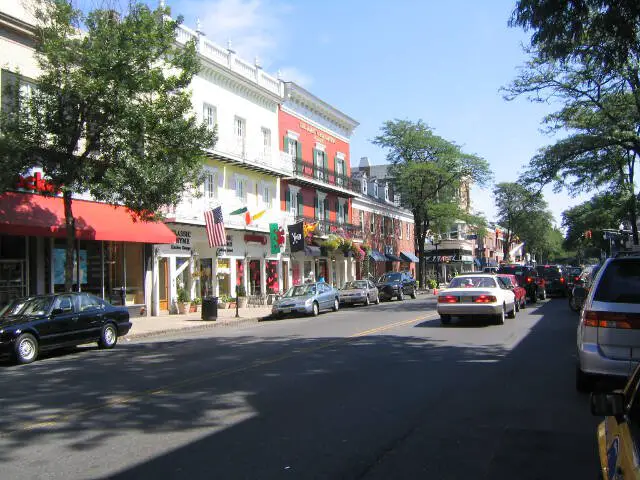
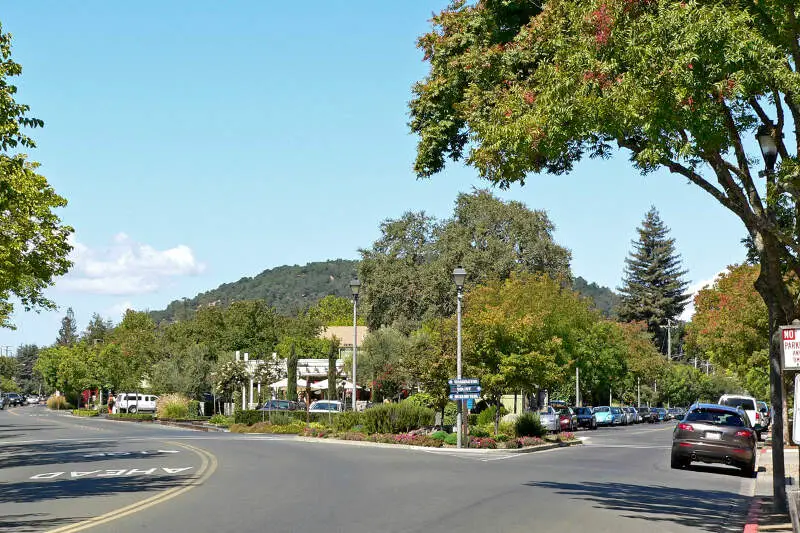
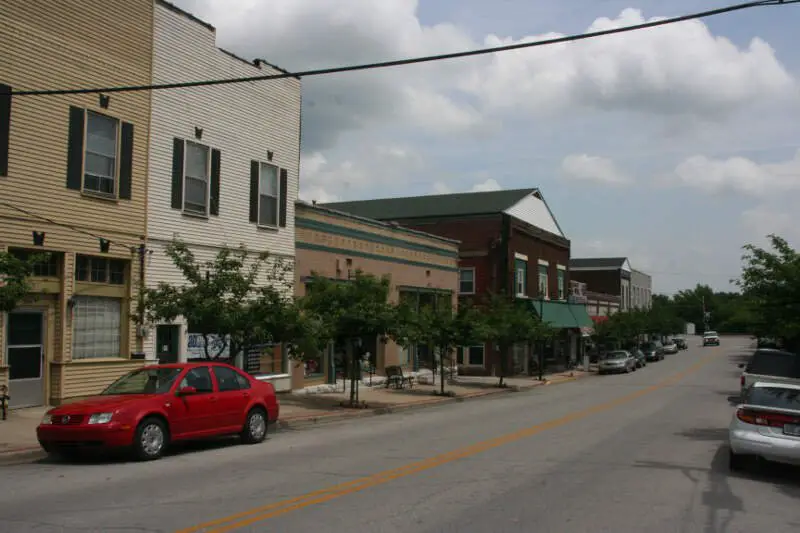
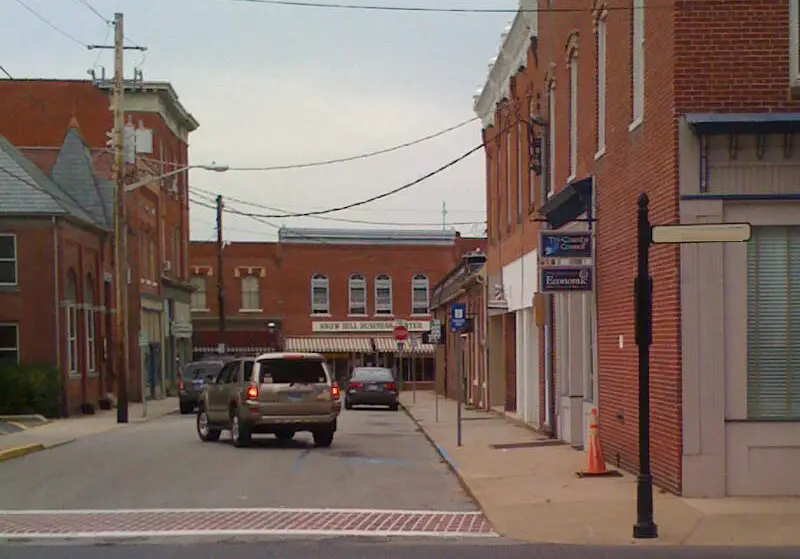
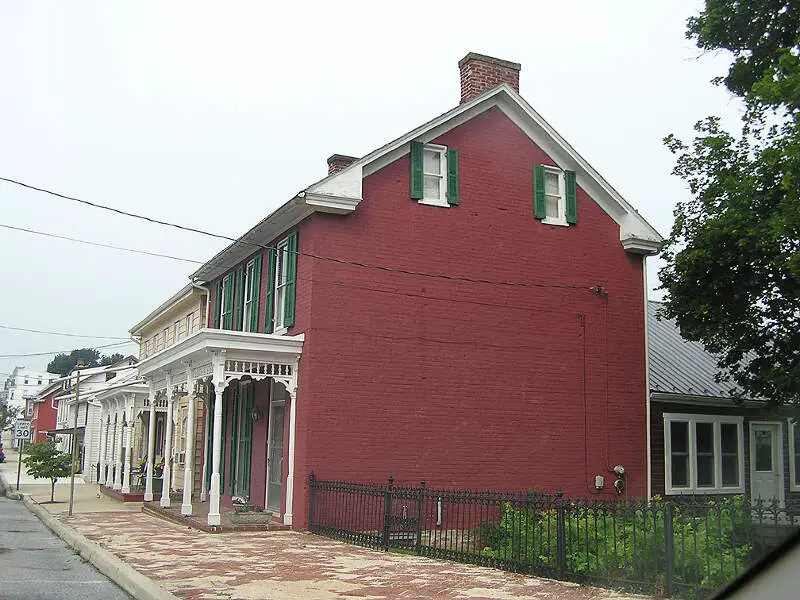
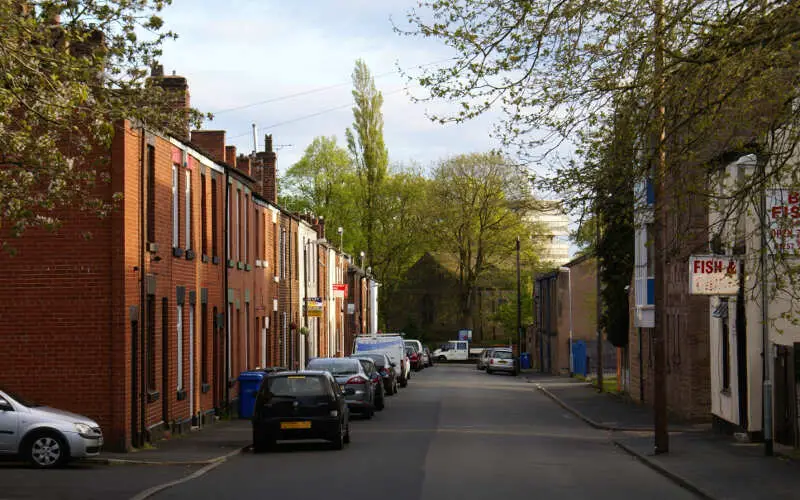
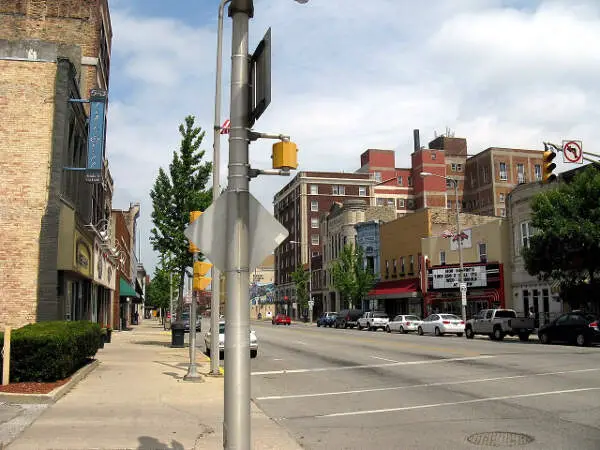
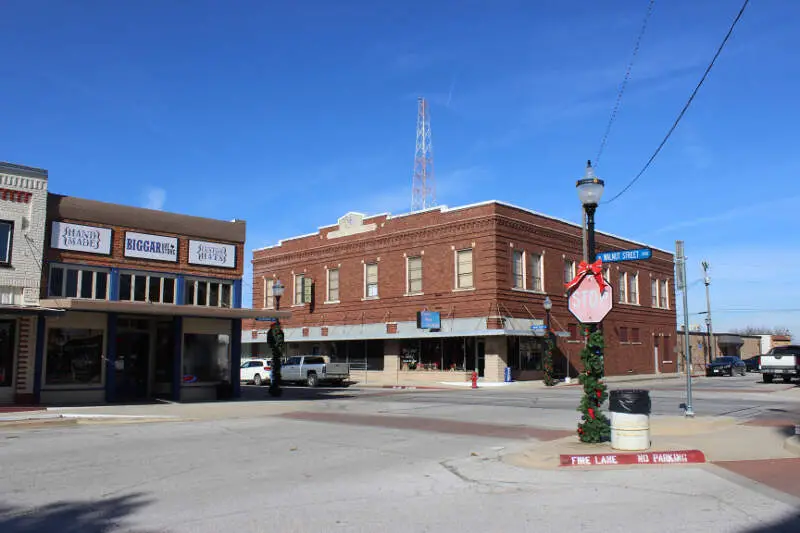
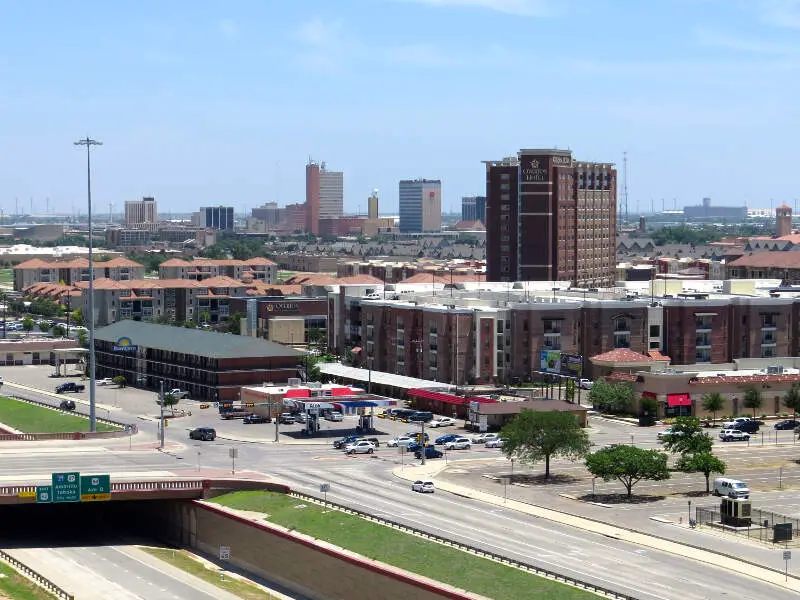
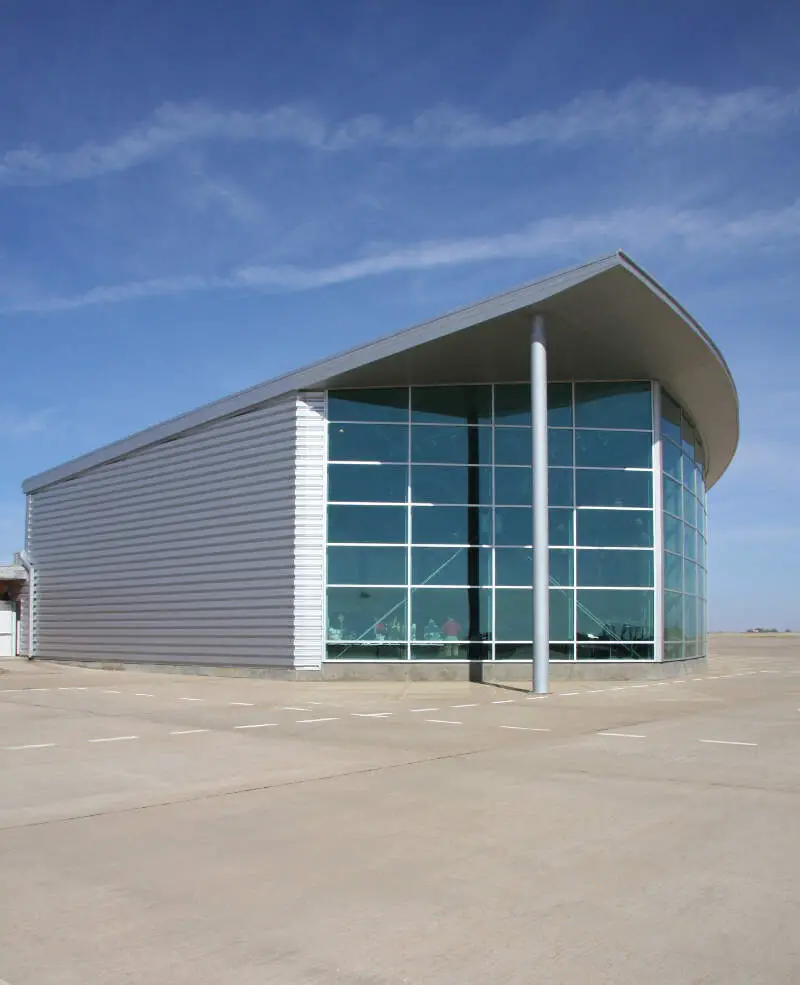
Lubbock vs. Dallas in photos
A side-by-side look at each city.




Cost of living
Lubbock is the cheaper city overall — 8% higher in Dallas than its rival. Index baseline: 100 = national average.
| Living expense | Lubbock | Dallas | US average |
|---|---|---|---|
| Overall | 97 | 106 | 100 |
| Services | 95 | 102 | 100 |
| Groceries | 95 | 103 | 100 |
| Health | 90 | 115 | 100 |
| Housing | 104 | 106 | 100 |
| Transportation | 102 | 108 | 100 |
| Utilities | 96 | 104 | 100 |
Lower index = cheaper. 100 = U.S. national average. Bar inside each cell scales relative to the highest value in the table.
Sources: HomeSnacks Cost of Living indices, normalized so 100 = U.S. national average. Drill in: Lubbock cost of living, Dallas cost of living, or the cheapest cities in America.
Housing breakdown
Home prices are higher in Dallas. Compare absolute price and price-to-income — a $500k home in a $100k-income city is very different from one in a $50k-income city.
| Metric | Lubbock | Dallas | United States |
|---|---|---|---|
| Median Home Value | $209,436 | $309,420 | $332,700 |
| Median Rent | $1,182 | $1,472 | $1,413 |
| Median Income | $60,895 | $70,518 | $80,734 |
| Home Value To Income | 3.4x | 4.4x | 4.1x |
| Rent To Monthly Income | 0.23x | 0.25x | 0.21x |
Source: U.S. Census Bureau ACS 2020-2024. See also states with the highest rent in America.
Crime
Lubbock is the safer city — total crime rate of 3,450 per 100k people vs 4,010 for Dallas. US average: 2,119.
| Crime (per 100k) | Lubbock | Dallas | US average |
|---|---|---|---|
| Total crime | 3,450 | 4,010 | 2,119 |
| Murder | 5 | 14 | 5 |
| Robbery | 116 | 169 | 61 |
| Aggravated Assault | 623 | 440 | 256 |
| Violent Crime | 821 | 658 | 359 |
| Burglary | 538 | 464 | 229 |
| Larceny | 1,823 | 1,787 | 1,272 |
| Car Theft | 268 | 1,100 | 259 |
| Property Crime | 2,629 | 3,352 | 1,760 |
Lower = safer. Bar inside each cell scales relative to the highest crime rate in the table.
Source: FBI Uniform Crime Reporting (2024). All rates are per 100,000 people. City pages: Lubbock crime, Dallas crime. See also: safest cities in America.
Diversity
Dallas is more racially diverse — lower HHI (closer to 0) means a more even mix across groups.
| Group | Lubbock | Dallas | United States |
|---|---|---|---|
| White | 49.6% | 27.6% | 57.4% |
| African American | 7.7% | 22.9% | 11.9% |
| American Indian | 0.1% | 0.2% | 0.5% |
| Asian | 2.7% | 3.8% | 5.9% |
| Hawaiian | 0.1% | 0.1% | 0.2% |
| Other | 0.3% | 0.3% | 0.6% |
| Two Or More | 2.8% | 2.6% | 4.3% |
| Hispanic | 36.6% | 42.6% | 19.3% |
Source: U.S. Census ACS 2020-2024. Lower HHI = more even racial mix. See also: most diverse cities in America.
SnackAbility — overall quality of life
Lubbock and Dallas tied at 5/10.
Scores are 0–10; both bars share the same scale.
SnackAbility is a HomeSnacks proprietary 1–10 score blending jobs, housing, education, commute, amenities, affordability, crime, and diversity. Median U.S. city ≈ 7. Data: Census, BLS, FBI. See also: best places to live in America.
Getting around: Lubbock vs. Dallas
How each city handles commuting, transit, walkability, and car culture — the day-to-day reality that shapes where you'd actually want to live.
If you commute by car (and in Lubbock, you almost certainly will), the city's flat, grid-based street layout makes getting around genuinely painless. Citibus runs a basic fixed-route bus network, but most residents drive. The compact size keeps trips short, parking is rarely a problem, and road congestion is minimal by Texas standards.
Dallas is a different world. The DART light-rail system connects Downtown, Uptown, Deep Ellum, and suburban hubs like Plano and Irving, giving you real alternatives to the car if you live near a station. But the metro's sprawl means many residents still depend on I-35, I-75, or the Tollway.
Rush-hour backups can push commutes well past 30 minutes, so expect to budget more time, and more per gallon, if you're driving daily in Dallas.
Jobs and careers in Lubbock vs. Dallas
The local job market, dominant industries, and which city to choose based on your career.
Lubbock's economy leans on Texas Tech University, Texas Tech University Health Sciences Center, Covenant Health, and UMC Health System for a large share of stable, white-collar jobs. The oil and gas industry and regional agriculture add blue-collar and technical roles. Median household income sits at $60,895, but with a cost-of-living index of 97 (just below the national average), that dollar stretches reasonably far.
Dallas punches much harder as a corporate hub. AT&T, Southwest Airlines, Toyota North America, and a dense cluster of finance and tech firms keep white-collar demand high, pushing median household income to $70,518. The trade-off is a cost-of-living index of 106, so the higher paycheck doesn't go as far as the raw number suggests.
If you're in tech, finance, or healthcare administration, Dallas's depth of opportunity is hard to match from Lubbock.
Weather and climate
What to expect day-to-day — sun, fog, heat, rain, and the seasonal extremes that shape the lifestyle.
Lubbock sits at roughly 3,200 feet on the South Plains, giving it a semi-arid climate that surprises newcomers. Summers run hot, routinely above 95°F, but low humidity makes the heat more bearable than coastal Texas. Winters can be sharp and fast-moving, with occasional ice and dust storms that cut visibility in minutes.
Wind is a near-constant feature, and tornado season is real.
Dallas runs hotter and stickier. Summers regularly hit triple digits with humidity that makes it feel worse, and the city sees more annual rainfall than Lubbock. Winters are generally mild, but ice storms shut down the city with regularity because residents aren't equipped for them; 2021's winter storm is the extreme example.
Both cities see severe weather in spring, though Dallas's storm season tends to be more prolonged.
Culture, nightlife, and entertainment
Food, music, neighborhoods, and the city vibe that gives each place its personality.
Lubbock has more cultural identity than its size suggests. It's the birthplace of Buddy Holly, and the Depot District keeps a lively bar and live-music scene going on weekends, heavy on country, Texas country, and rock. Texas Tech's student population of roughly 40,000 fills local restaurants and venues and keeps the city younger than you'd expect.
The West Texas Museum and the Buddy Holly Center are both worth your time.
Dallas offers a completely different scale. Deep Ellum is one of Texas's best live-music neighborhoods, Bishop Arts has an independent dining and gallery scene, and the Arts District (home to the AT&T Performing Arts Center and the Nasher Sculpture Center) rivals any mid-sized American city for programming. The Mavericks, Rangers, and Cowboys (technically Fort Worth-adjacent) give sports fans year-round options.
If nightlife variety and cultural density matter to you, Dallas wins this category decisively.
Outdoor activities and day trips
Parks, beaches, hikes, and the weekend escapes that define life outside the city limits.
Lubbock's flat, treeless terrain limits obvious outdoor recreation, but the options are better than they look on a map. Buffalo Springs Lake southeast of the city has swimming, fishing, and camping. Mackenzie Park has decent trail access.
The real payoff is Palo Duro Canyon, known as the "Grand Canyon of Texas," about an hour and a half south. Hiking and mountain biking through vivid red rock formations make for a genuine day trip. Caprock Canyons State Park is another solid option in the same direction.
Dallas lacks dramatic landscapes but compensates with urban greenspace and accessible day trips. White Rock Lake is a popular running and cycling destination inside the city, and the Trinity Forest trail network is growing. Within two hours you can reach Possum Kingdom Lake, Dinosaur Valley State Park in Glen Rose, or Lake Texoma on the Oklahoma border.
If proximity to major hiking or climbing terrain matters most, neither city is ideal, but Dallas has more weekend-trip variety.
Bottom line: which city is right for you?
Based on the head-to-head data above, here's the short version — pick the city that lines up with what you actually care about.
Choose Lubbock if you prioritize…
- a lower cost of living (cheaper groceries, services, and day-to-day expenses).
- lower crime — a safer place to live, work, and raise a family.
Choose Dallas if you prioritize…
- more affordable housing relative to Lubbock.
- a more racially diverse community (lower HHI on Census data).
Methodology: winners are picked from public data — U.S. Census Bureau ACS (income, home value, rent, race/HHI), FBI Uniform Crime Reporting (crime rates per 100k), and HomeSnacks' proprietary SnackAbility quality-of-life score, which blends Bureau of Labor Statistics data with the above.
Other comparisons
Still weighing your options? See how these two cities stack up against other places we've compared head-to-head.