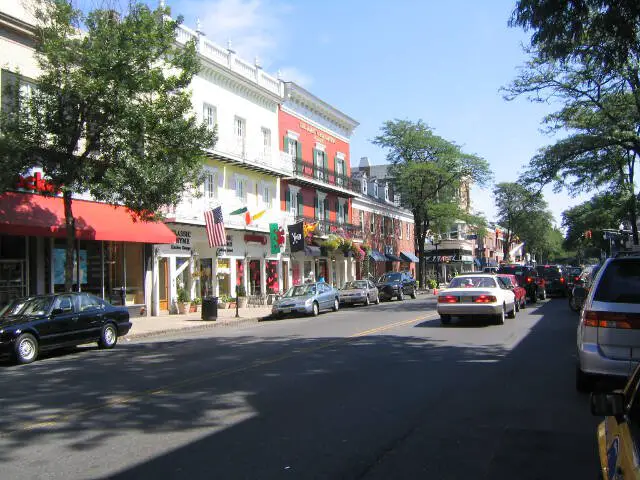
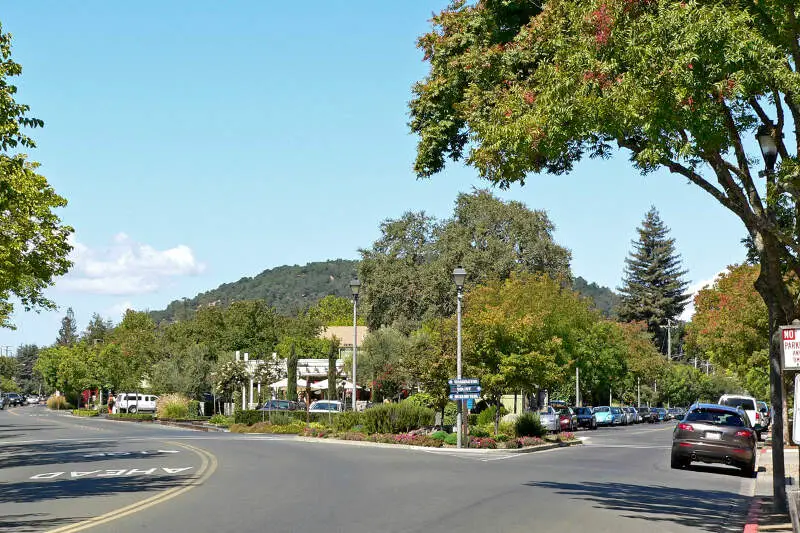
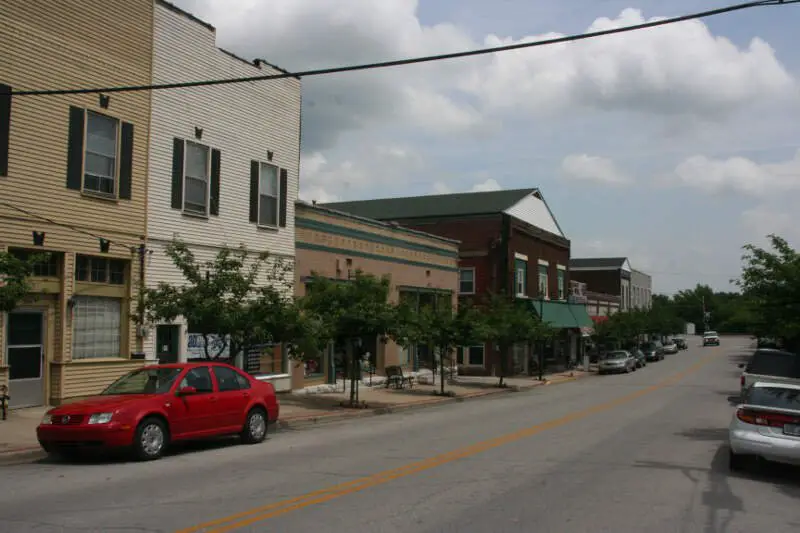
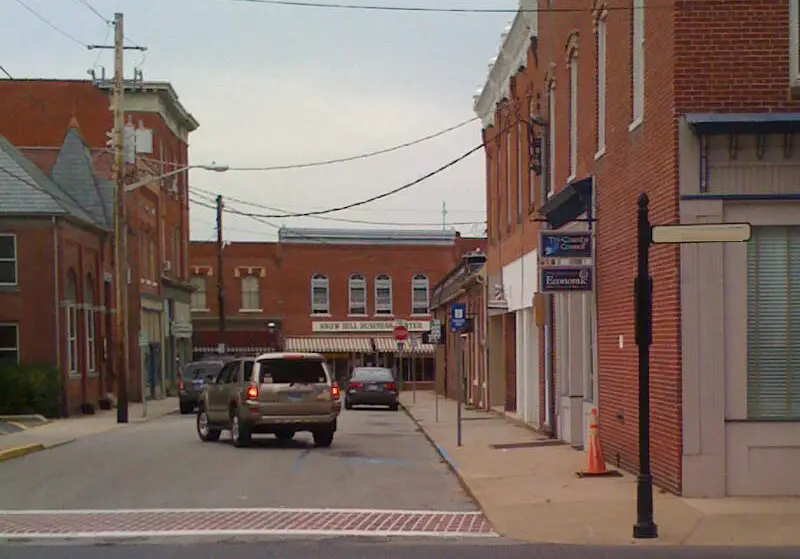
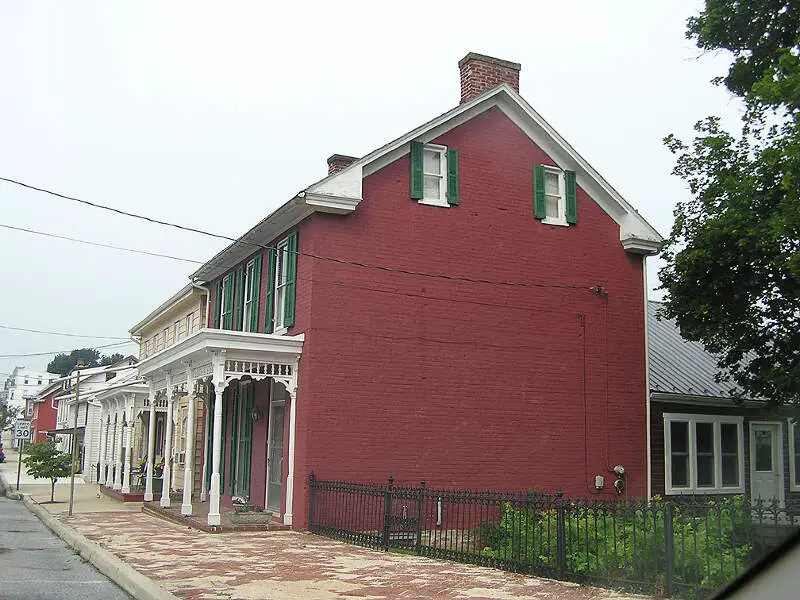
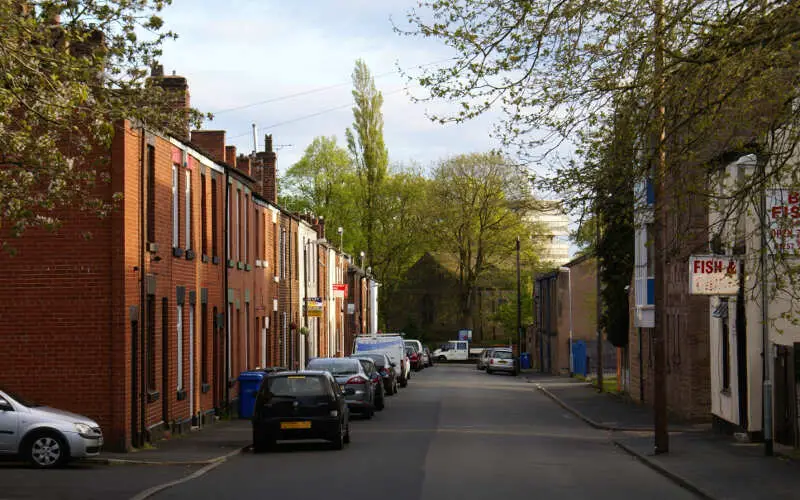
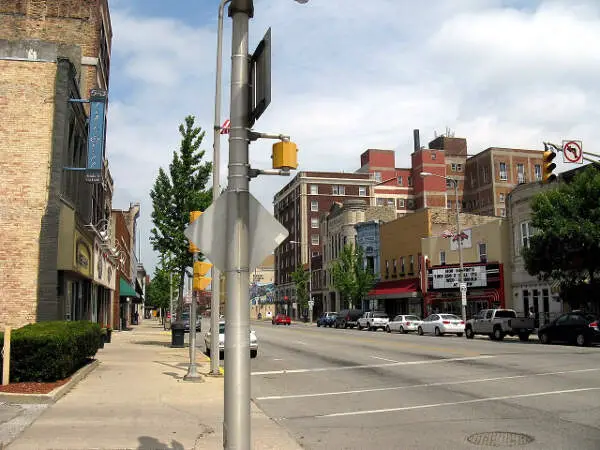
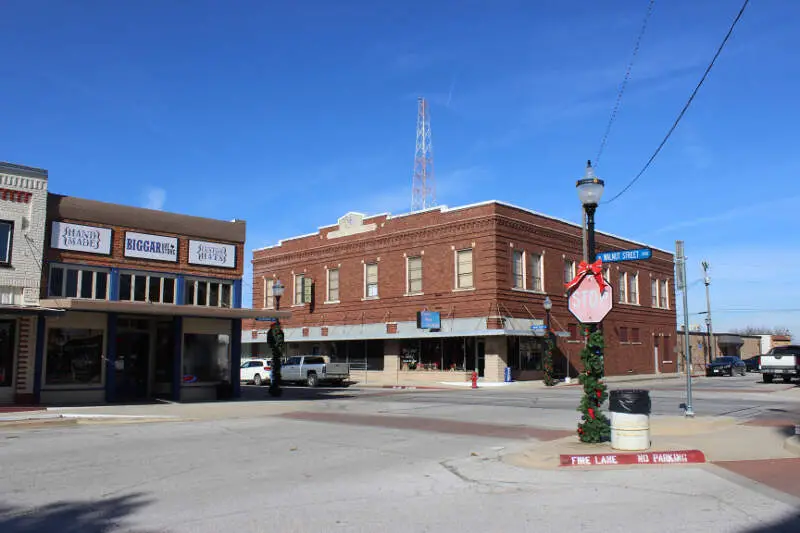
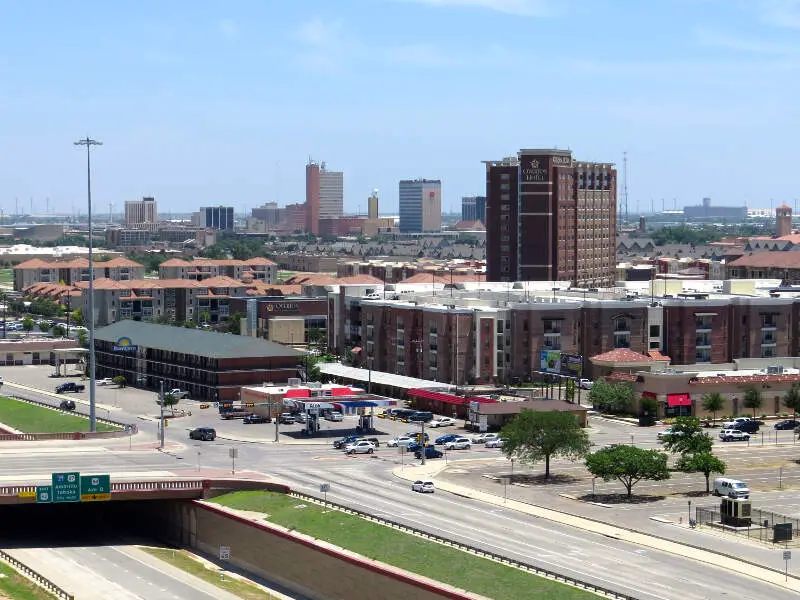
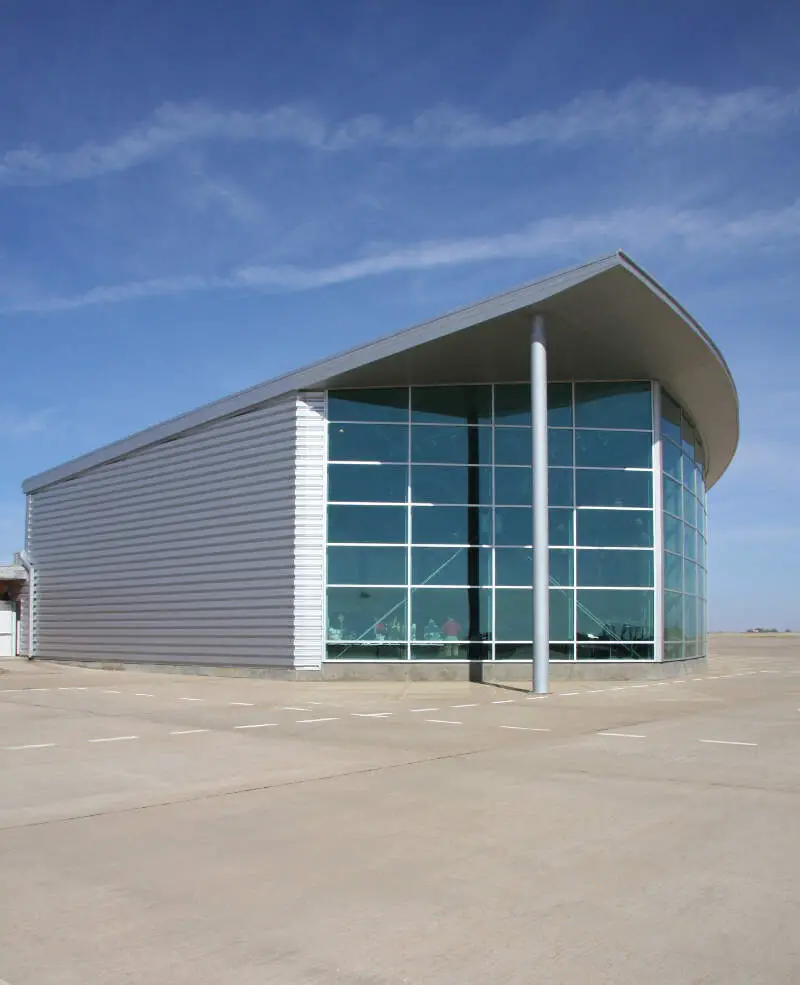
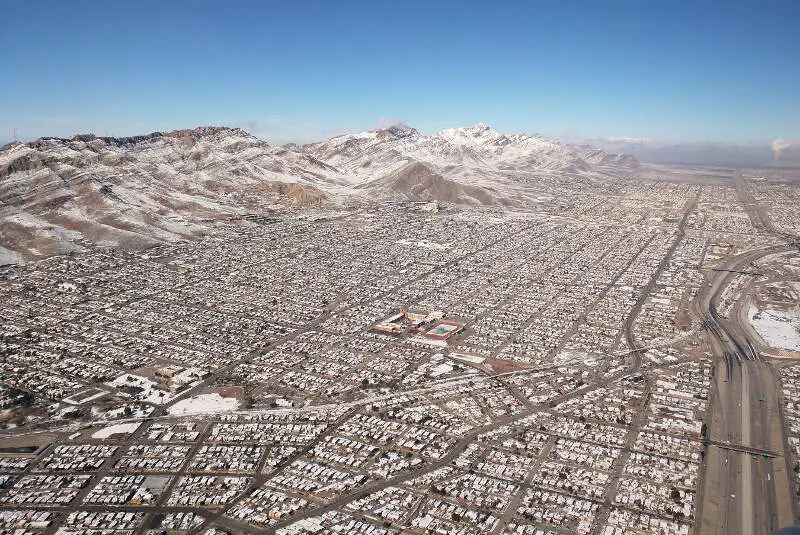
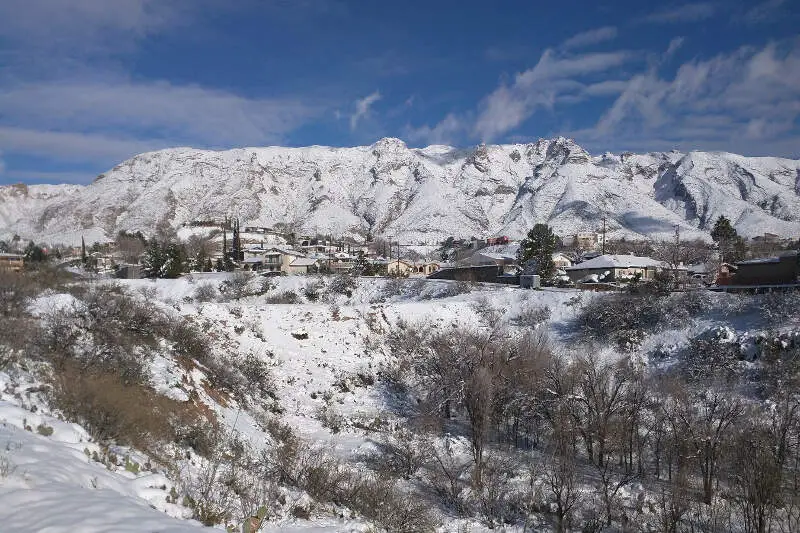
Lubbock vs. El Paso in photos
A side-by-side look at each city.


Cost of living
El Paso is the cheaper city overall — 2% higher in Lubbock than its rival. Index baseline: 100 = national average.
| Living expense | Lubbock | El Paso | US average |
|---|---|---|---|
| Overall | 97 | 95 | 100 |
| Services | 95 | 99 | 100 |
| Groceries | 95 | 100 | 100 |
| Health | 90 | 79 | 100 |
| Housing | 104 | 104 | 100 |
| Transportation | 102 | 107 | 100 |
| Utilities | 96 | 98 | 100 |
Lower index = cheaper. 100 = U.S. national average. Bar inside each cell scales relative to the highest value in the table.
Sources: HomeSnacks Cost of Living indices, normalized so 100 = U.S. national average. Drill in: Lubbock cost of living, El Paso cost of living, or the cheapest cities in America.
Housing breakdown
Home prices are higher in El Paso. Compare absolute price and price-to-income — a $500k home in a $100k-income city is very different from one in a $50k-income city.
| Metric | Lubbock | El Paso | United States |
|---|---|---|---|
| Median Home Value | $209,436 | $234,774 | $332,700 |
| Median Rent | $1,182 | $1,073 | $1,413 |
| Median Income | $60,895 | $59,745 | $80,734 |
| Home Value To Income | 3.4x | 3.9x | 4.1x |
| Rent To Monthly Income | 0.23x | 0.22x | 0.21x |
Source: U.S. Census Bureau ACS 2020-2024. See also states with the highest rent in America.
Crime
El Paso is the safer city — total crime rate of 1,772 per 100k people vs 3,450 for Lubbock. US average: 2,119.
| Crime (per 100k) | Lubbock | El Paso | US average |
|---|---|---|---|
| Total crime | 3,450 | 1,772 | 2,119 |
| Murder | 5 | 3 | 5 |
| Robbery | 116 | 37 | 61 |
| Aggravated Assault | 623 | 238 | 256 |
| Violent Crime | 821 | 278 | 359 |
| Burglary | 538 | 140 | 229 |
| Larceny | 1,823 | 1,072 | 1,272 |
| Car Theft | 268 | 281 | 259 |
| Property Crime | 2,629 | 1,494 | 1,760 |
Lower = safer. Bar inside each cell scales relative to the highest crime rate in the table.
Source: FBI Uniform Crime Reporting (2024). All rates are per 100,000 people. City pages: Lubbock crime, El Paso crime. See also: safest cities in America.
Diversity
Lubbock is more racially diverse — lower HHI (closer to 0) means a more even mix across groups.
| Group | Lubbock | El Paso | United States |
|---|---|---|---|
| White | 49.6% | 12.0% | 57.4% |
| African American | 7.7% | 3.2% | 11.9% |
| American Indian | 0.1% | 0.2% | 0.5% |
| Asian | 2.7% | 1.3% | 5.9% |
| Hawaiian | 0.1% | 0.2% | 0.2% |
| Other | 0.3% | 0.3% | 0.6% |
| Two Or More | 2.8% | 1.6% | 4.3% |
| Hispanic | 36.6% | 81.2% | 19.3% |
Source: U.S. Census ACS 2020-2024. Lower HHI = more even racial mix. See also: most diverse cities in America.
SnackAbility — overall quality of life
Lubbock and El Paso tied at 5/10.
Scores are 0–10; both bars share the same scale.
SnackAbility is a HomeSnacks proprietary 1–10 score blending jobs, housing, education, commute, amenities, affordability, crime, and diversity. Median U.S. city ≈ 7. Data: Census, BLS, FBI. See also: best places to live in America.
Getting around: Lubbock vs. El Paso
How each city handles commuting, transit, walkability, and car culture — the day-to-day reality that shapes where you'd actually want to live.
Both Lubbock and El Paso are car-dependent Texas cities, but their driving experiences differ. Lubbock's flat grid makes getting around easy, and Texas Tech's campus sits close enough to midtown that cross-town trips rarely drag. Citibus runs local bus routes, but most residents drive.
Cost of living indexes are nearly identical: 97 for Lubbock versus 95 for El Paso, and parking is rarely a headache in either place.
El Paso is a bigger, more spread-out metro of 680,000 people, with I-10 as its spine. Sun Metro runs buses city-wide, and the Brio rapid transit lines on Montana and Alameda Avenues give car-free commuters a real option. The international bridge crossings into Ciudad Juárez add something Lubbock doesn't have: many El Pasoans cross regularly for shopping, dining, and family, so border wait times factor into daily transportation in ways Lubbock residents never encounter.
Jobs and careers in Lubbock vs. El Paso
The local job market, dominant industries, and which city to choose based on your career.
Lubbock's economy leans on Texas Tech University and the medical sector. Texas Tech and its Health Sciences Center are among the city's largest employer clusters, and Covenant Health and University Medical Center round out a strong healthcare job market for a city of 265,000.
Agriculture, cotton in particular, and agribusiness firms like Plains Cotton Cooperative Association drive significant employment as well. Median household income is $60,895, nearly identical to El Paso's.
El Paso's job market is shaped by Fort Bliss, one of the largest military installations in the country, with tens of thousands of jobs in defense, logistics, and federal contracting. The University of Texas at El Paso (UTEP) drives education and research employment, while cross-border manufacturing and trade, tied tightly to the maquiladora economy in Juárez, keep warehousing and logistics busy. Call centers and healthcare (Las Palmas Medical Center, Providence Memorial) fill out the market for a city with a median household income of $59,745.
Weather and climate
What to expect day-to-day — sun, fog, heat, rain, and the seasonal extremes that shape the lifestyle.
Lubbock sits on the flat, windswept South Plains at roughly 3,200 feet elevation, and that wind is the defining weather feature. Summers push into the mid-90s °F regularly, but low humidity keeps the heat from feeling oppressive the way it does in Houston. Winters can surprise newcomers: sharp norther fronts drop temperatures 30 degrees in hours, and ice storms are a real risk.
Spring brings the real drama. Dust storms (haboobs) roll in off bare fields, and the region sits in tornado-prone territory during April and May.
El Paso's Chihuahuan Desert climate is sunnier and drier, ranking among the sunniest large cities in the United States at about 300 sunny days per year. Summers top out similarly to Lubbock but with even lower humidity, and winters are milder: freezing nights are possible but snow accumulation is rare. At 3,700 feet, evenings cool off quickly year-round.
If you're sensitive to wind, El Paso is calmer day-to-day than Lubbock, though spring dust can blow off the desert there too.
Culture, nightlife, and entertainment
Food, music, neighborhoods, and the city vibe that gives each place its personality.
Lubbock is a college town, and Texas Tech Red Raider football sets the cultural calendar. Home game weekends transform the city. The Depot Entertainment District is the main strip for bars, live music, and late-night dining.
Lubbock also has a real claim on rock-and-roll history as Buddy Holly's birthplace, and the Buddy Holly Center museum is worth a visit. The 19th Street corridor has added coffee shops, galleries, and local restaurants.
El Paso's binational identity shapes daily life in ways you won't find elsewhere in Texas. Downtown has real arts infrastructure: the Plaza Theatre hosts touring productions, and the El Paso Museum of Art is a serious regional institution.
The UTEP Miners and El Paso Chihuahuas (Triple-A baseball) give you affordable live sports. Nightlife spills across the border into Juárez, where dining and music venues are a short bridge walk away.
The mix of Tejano, Mexican, and Southwestern traditions makes El Paso's food and music scenes noticeably different from anywhere else in Texas.
Outdoor activities and day trips
Parks, beaches, hikes, and the weekend escapes that define life outside the city limits.
Lubbock's flat topography limits outdoor recreation close to home. Mackenzie Park and the Buffalo Springs Lake recreation area offer swimming, camping, and water sports within the city. The plains also attract serious birders during fall migration along the playa lakes.
The payoff for day-trippers is Palo Duro Canyon State Park, the "Grand Canyon of Texas," about 120 miles north near Amarillo. The red-rock hiking and mountain biking there are dramatic enough to justify the drive.
El Paso has a real edge for outdoor recreation. Franklin Mountains State Park sits entirely within city limits and is the largest urban park in the contiguous United States, with miles of trails and genuine elevation gain right off the freeway.
Hueco Tanks State Historic Site draws bouldering enthusiasts from around the world. Within a short drive, Guadalupe Mountains National Park (home to the highest peak in Texas) and White Sands National Park in New Mexico add weekend destinations that Lubbock simply can't match.
If hiking, climbing, or desert exploring is part of your lifestyle, El Paso wins this comparison handily.
Bottom line: which city is right for you?
Based on the head-to-head data above, here's the short version — pick the city that lines up with what you actually care about.
Choose Lubbock if you prioritize…
- a more racially diverse community (lower HHI on Census data).
Choose El Paso if you prioritize…
- a lower cost of living (cheaper groceries, services, and day-to-day expenses).
- lower crime — a safer place to live, work, and raise a family.
- more affordable housing relative to Lubbock.
Methodology: winners are picked from public data — U.S. Census Bureau ACS (income, home value, rent, race/HHI), FBI Uniform Crime Reporting (crime rates per 100k), and HomeSnacks' proprietary SnackAbility quality-of-life score, which blends Bureau of Labor Statistics data with the above.
Other comparisons
Still weighing your options? See how these two cities stack up against other places we've compared head-to-head.