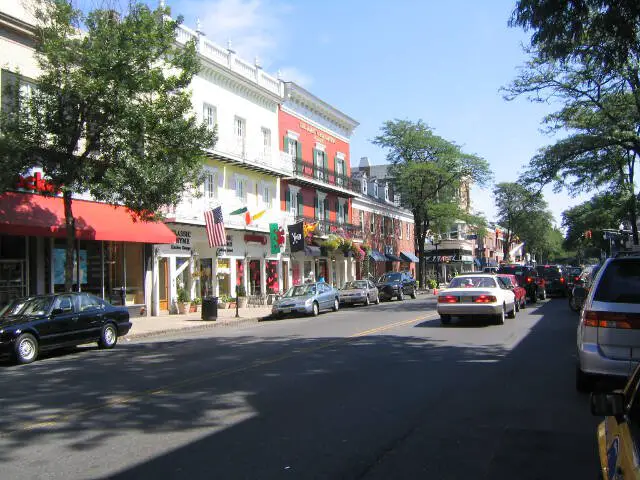
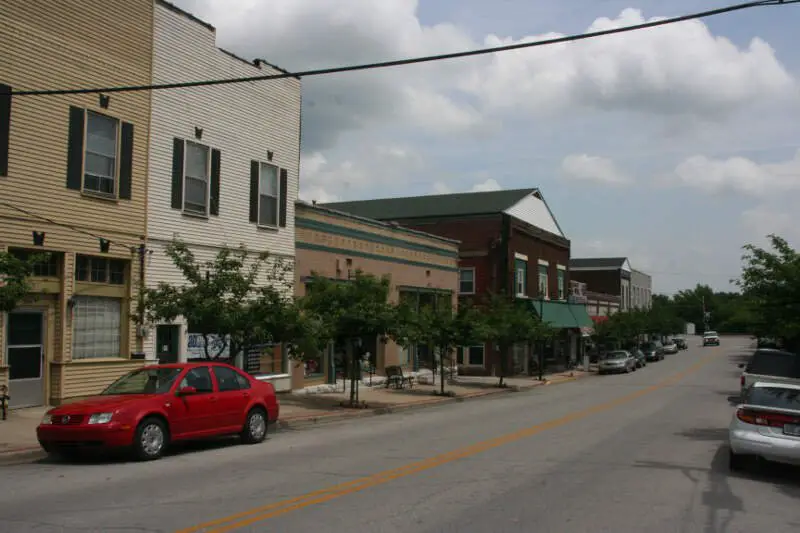
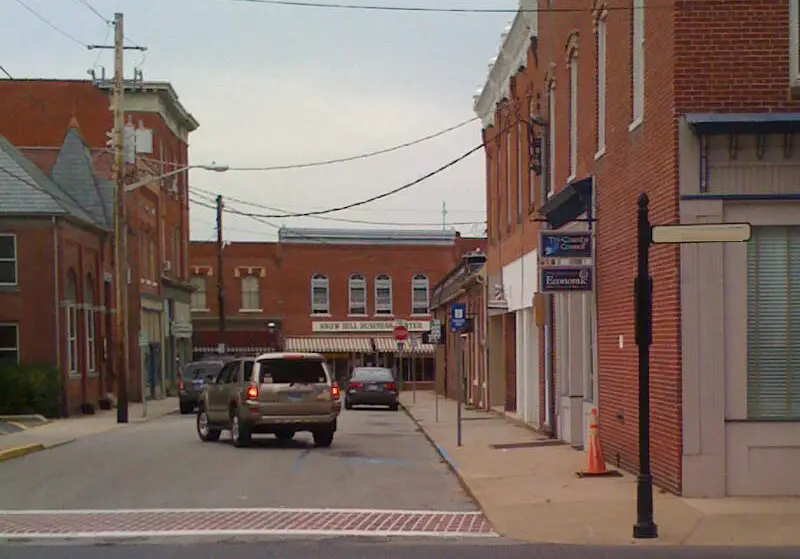
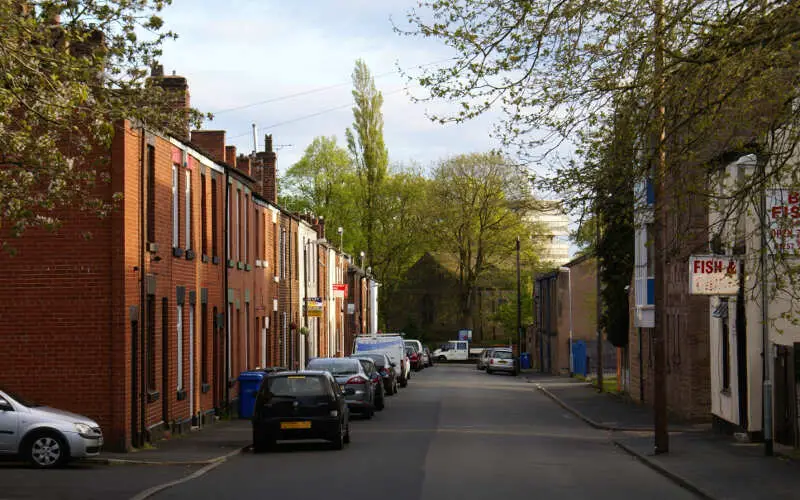
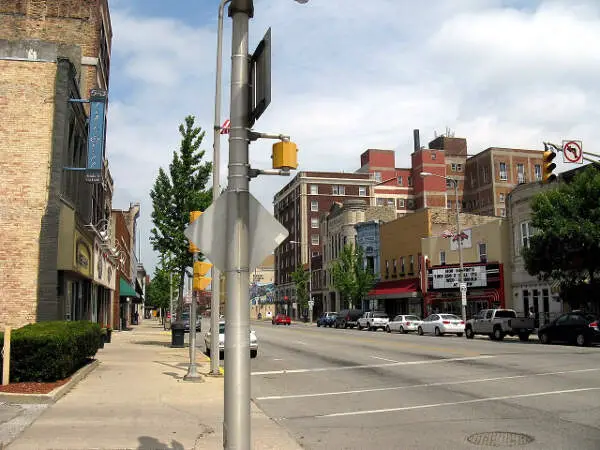
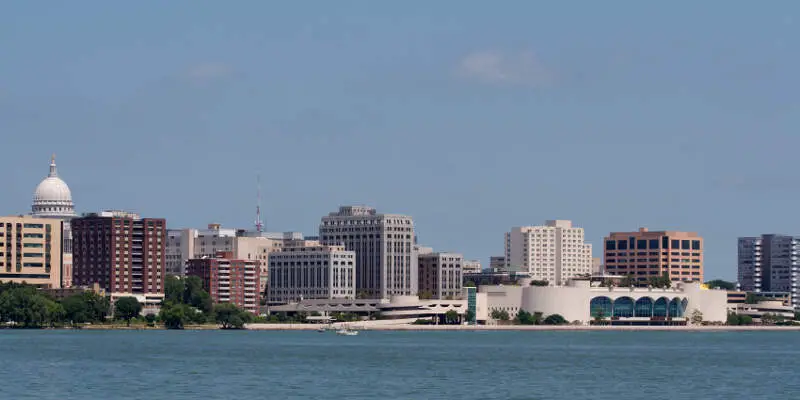
Minneapolis vs. Madison in photos
A side-by-side look at each city.





Cost of living
Madison is the cheaper city overall — 5% higher in Minneapolis than its rival. Index baseline: 100 = national average.
| Living expense | Minneapolis | Madison | US average |
|---|---|---|---|
| Overall | 116 | 110 | 100 |
| Services | 103 | 97 | 100 |
| Groceries | 100 | 95 | 100 |
| Health | 142 | 138 | 100 |
| Housing | 103 | 97 | 100 |
| Transportation | 107 | 106 | 100 |
| Utilities | 105 | 100 | 100 |
Lower index = cheaper. 100 = U.S. national average. Bar inside each cell scales relative to the highest value in the table.
Sources: HomeSnacks Cost of Living indices, normalized so 100 = U.S. national average. Drill in: Minneapolis cost of living, Madison cost of living, or the cheapest cities in America.
Housing breakdown
Home prices are higher in Madison. Compare absolute price and price-to-income — a $500k home in a $100k-income city is very different from one in a $50k-income city.
| Metric | Minneapolis | Madison | United States |
|---|---|---|---|
| Median Home Value | $330,882 | $423,766 | $332,700 |
| Median Rent | $1,371 | $1,413 | $1,413 |
| Median Income | $80,846 | $78,050 | $80,734 |
| Home Value To Income | 4.1x | 5.4x | 4.1x |
| Rent To Monthly Income | 0.2x | 0.22x | 0.21x |
Source: U.S. Census Bureau ACS 2020-2024. See also states with the highest rent in America.
Crime
Madison is the safer city — total crime rate of 2,121 per 100k people vs 6,384 for Minneapolis. US average: 2,119.
| Crime (per 100k) | Minneapolis | Madison | US average |
|---|---|---|---|
| Total crime | 6,384 | 2,121 | 2,119 |
| Murder | 17 | 2 | 5 |
| Robbery | 340 | 34 | 61 |
| Aggravated Assault | 688 | 193 | 256 |
| Violent Crime | 1,132 | 256 | 359 |
| Burglary | 606 | 158 | 229 |
| Larceny | 2,806 | 1,595 | 1,272 |
| Car Theft | 1,841 | 111 | 259 |
| Property Crime | 5,253 | 1,865 | 1,760 |
Lower = safer. Bar inside each cell scales relative to the highest crime rate in the table.
Source: FBI Uniform Crime Reporting (2024). All rates are per 100,000 people. City pages: Minneapolis crime, Madison crime. See also: safest cities in America.
Diversity
Minneapolis is more racially diverse — lower HHI (closer to 0) means a more even mix across groups.
| Group | Minneapolis | Madison | United States |
|---|---|---|---|
| White | 58.8% | 69.6% | 57.4% |
| African American | 18.5% | 7.2% | 11.9% |
| American Indian | 0.7% | 0.2% | 0.5% |
| Asian | 5.3% | 8.0% | 5.9% |
| Hawaiian | 0.0% | 0.0% | 0.2% |
| Other | 0.6% | 0.5% | 0.6% |
| Two Or More | 6.0% | 5.2% | 4.3% |
| Hispanic | 10.1% | 9.4% | 19.3% |
Source: U.S. Census ACS 2020-2024. Lower HHI = more even racial mix. See also: most diverse cities in America.
SnackAbility — overall quality of life
Madison scores higher overall — 8.5/10 vs 7/10. SnackAbility is our 1–10 quality-of-life score; the median U.S. city scores a 7.
Scores are 0–10; both bars share the same scale.
SnackAbility is a HomeSnacks proprietary 1–10 score blending jobs, housing, education, commute, amenities, affordability, crime, and diversity. Median U.S. city ≈ 7. Data: Census, BLS, FBI. See also: best places to live in America.
Getting around: Minneapolis vs. Madison
How each city handles commuting, transit, walkability, and car culture — the day-to-day reality that shapes where you'd actually want to live.
Minneapolis gives you a real urban transit network. Metro Transit's Blue and Green light rail lines connect the airport, downtown, and the University of Minnesota campus, and the skyway system means you can commute through February without putting on a coat. Nice Ride bike share and an expanding protected-lane network make cycling viable year-round; if you drive, expect a denser grid and harder parking than in most Midwest cities.
Madison leans hard on two wheels — it consistently ranks among the most bike-friendly cities in the country, and the Capital City Trail and Southwest Commuter Path make car-free commuting genuinely practical. Madison Metro handles the bus side, but there's no rail. The city is compact enough that many residents on the isthmus or near campus skip car ownership entirely, and average commute distances are noticeably shorter than in Minneapolis.
Jobs and careers in Minneapolis vs. Madison
The local job market, dominant industries, and which city to choose based on your career.
Minneapolis is a corporate anchor city: Target, Best Buy, UnitedHealth Group, US Bank, General Mills, and Cargill all keep headquarters or major campuses in the metro, which drives steady demand for finance, healthcare administration, marketing, and supply-chain talent. The median household income is $80,846. The cost of living index sits at 116, so paychecks go a bit less far than the national average, though still farther than in coastal metros.
Madison's economy runs on three engines: the University of Wisconsin-Madison, Wisconsin state government, and a fast-growing tech and biotech corridor anchored by Epic Systems in nearby Verona. Epic alone employs thousands of software developers, project managers, and implementation consultants. The median income of $78,050 is close to Minneapolis's figure, but Madison's cost of living index of 110 gives it a modest purchasing-power edge, and the government and university sectors provide unusual job stability.
Weather and climate
What to expect day-to-day — sun, fog, heat, rain, and the seasonal extremes that shape the lifestyle.
Both cities test your tolerance for winter, but Minneapolis tests it harder. Expect average January highs barely cracking 20°F, roughly 54 inches of annual snowfall, and wind chills that push the feels-like temperature well below zero. Summers hit the mid-80s in July, daylight runs long, and humidity stays low by Midwest standards; spring and fall are brief.
Madison sits about 350 miles southeast and catches slightly milder air off Lakes Mendota and Monona; January highs average in the upper 20s, though lake-effect moisture can pile on extra snow. Summers are a touch more humid than Minneapolis. Neither city is forgiving if you hate winter, but if you're already Midwest-acclimated, Madison tends to feel marginally less relentless from December through February.
Culture, nightlife, and entertainment
Food, music, neighborhoods, and the city vibe that gives each place its personality.
Minneapolis punches well above its population of 427,246 in arts and music. First Avenue — where Prince filmed "Purple Rain" — is still a working concert venue and a pilgrimage site, and the Walker Art Center, Guthrie Theater, and Minneapolis Institute of Art give the city a cultural depth that most cities twice its size don't have. Uptown, Northeast, and North Loop each have distinct identities: vinyl shops, independent galleries, craft cocktail bars, and serious restaurants ranging from Hmong and Somali to New Nordic tasting menus.
Madison's culture is shaped by 45,000 UW students and a progressive state-capital crowd that keeps State Street lively on any given Tuesday. The Overture Center brings touring productions and local symphony performances downtown, and the bar and live-music scene near the isthmus is dense for a city of 278,000. The food scene skews younger and more casual than Minneapolis, but Saturday morning at the Dane County Farmers Market on Capitol Square is one of the best in the Midwest.
Outdoor activities and day trips
Parks, beaches, hikes, and the weekend escapes that define life outside the city limits.
Minneapolis is built around water in a way few cities are: the Chain of Lakes — Bde Maka Ska, Lake Harriet, Cedar Lake, and Lake of the Isles — sit inside city limits, all ringed by paved trails used by runners, cyclists, and skaters year-round. Minnehaha Falls and the Mississippi River gorge add dramatic scenery within a 20-minute bike ride of downtown. For longer escapes, the Boundary Waters Canoe Area Wilderness is a four-hour drive north.
Madison's outdoor scene centers on its four lakes — Mendota, Monona, Waubesa, and Kegonsa — with sailing, kayaking, and ice fishing depending on the month. The 1,200-acre UW Arboretum gives trail runners and birders a genuine urban wilderness, and Devil's Lake State Park, about an hour away, offers bluffs, bouldering, and some of the best hiking in Wisconsin. If you want outdoor recreation baked into your daily routine rather than saved for weekend trips, both cities deliver; Madison's lakes just feel a bit more accessible from the city's compact core.
Bottom line: which city is right for you?
Based on the head-to-head data above, here's the short version — pick the city that lines up with what you actually care about.
Choose Minneapolis if you prioritize…
- a more racially diverse community (lower HHI on Census data).
Choose Madison if you prioritize…
- a lower cost of living (cheaper groceries, services, and day-to-day expenses).
- lower crime — a safer place to live, work, and raise a family.
- more affordable housing relative to Minneapolis.
- a higher overall SnackAbility quality-of-life score.
Methodology: winners are picked from public data — U.S. Census Bureau ACS (income, home value, rent, race/HHI), FBI Uniform Crime Reporting (crime rates per 100k), and HomeSnacks' proprietary SnackAbility quality-of-life score, which blends Bureau of Labor Statistics data with the above.
Other comparisons
Still weighing your options? See how these two cities stack up against other places we've compared head-to-head.