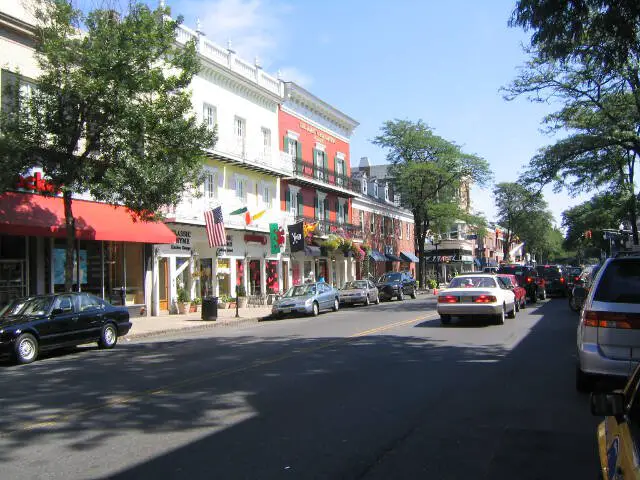
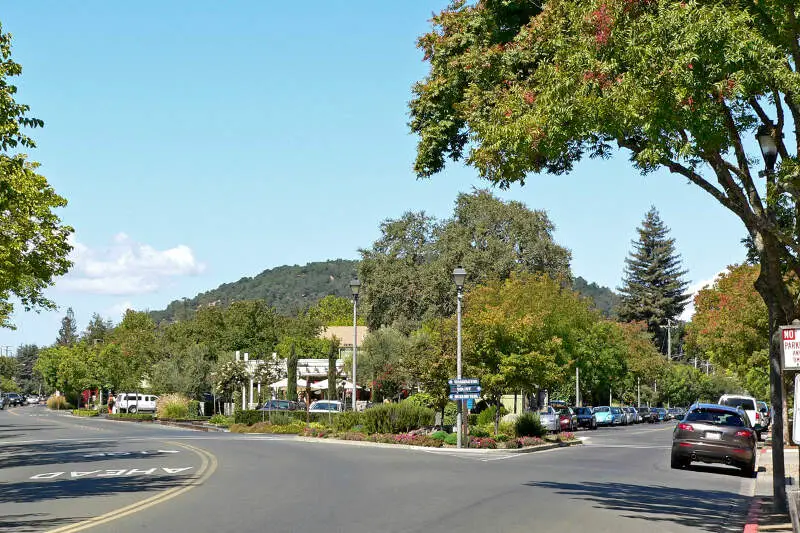
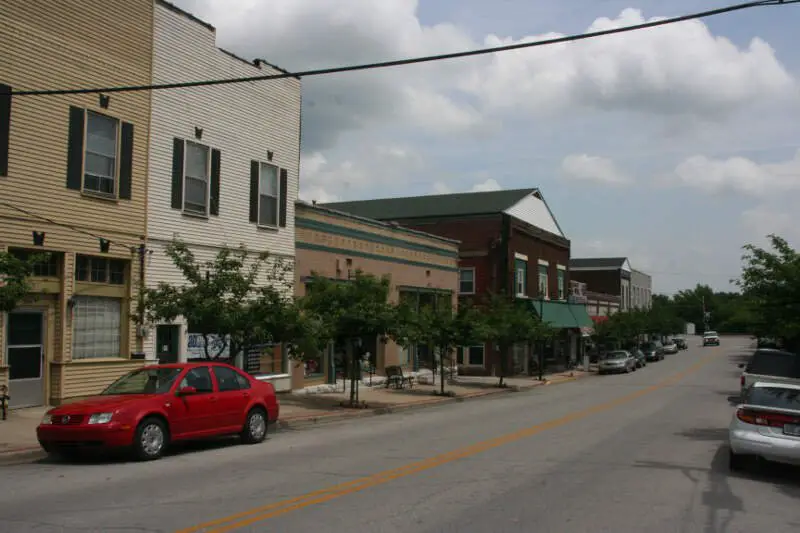
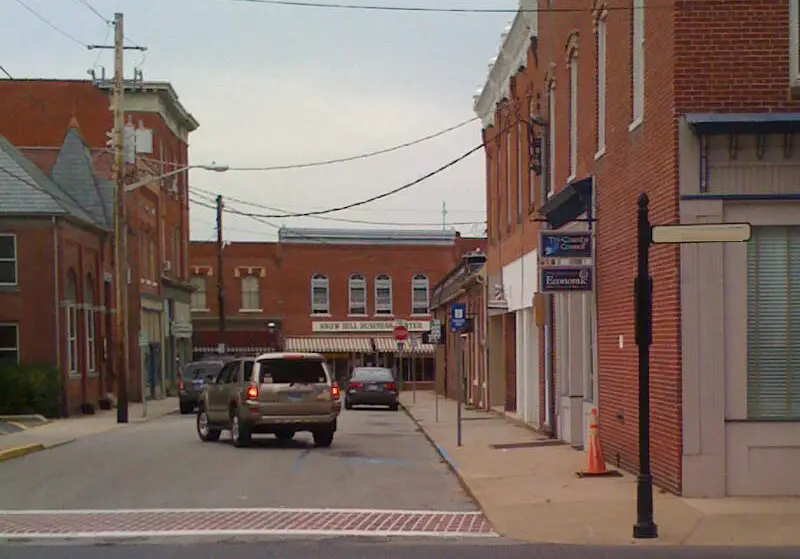
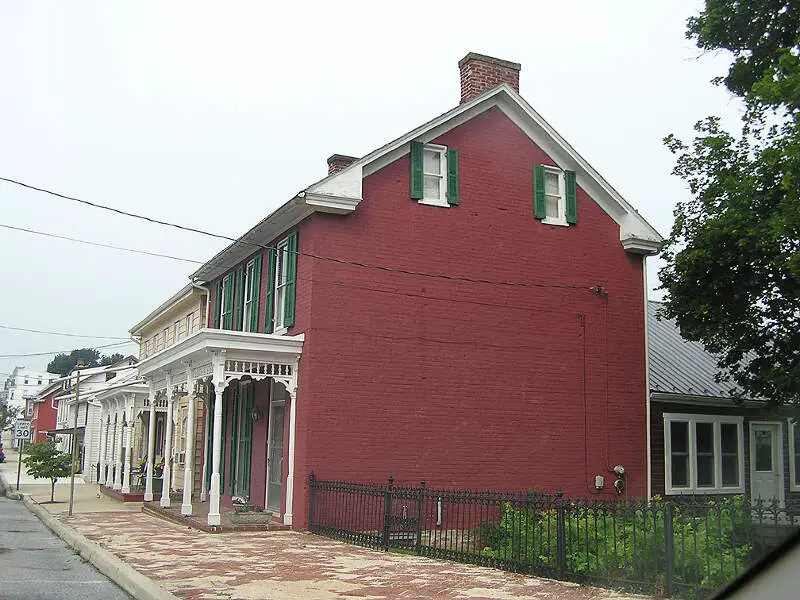
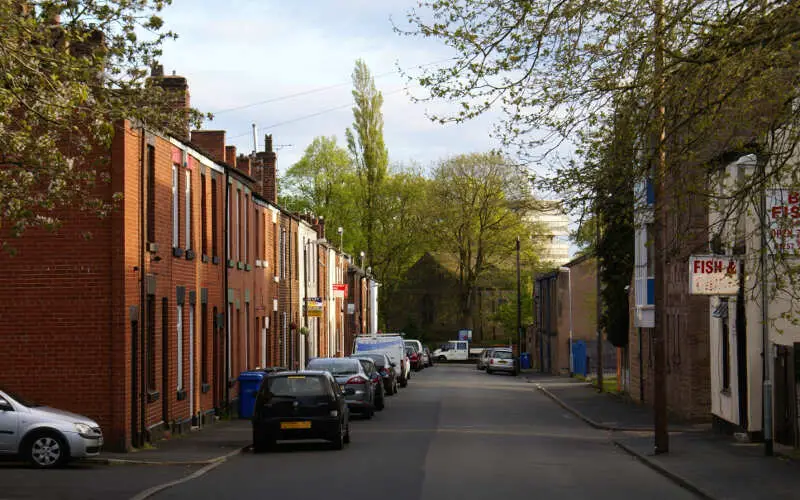
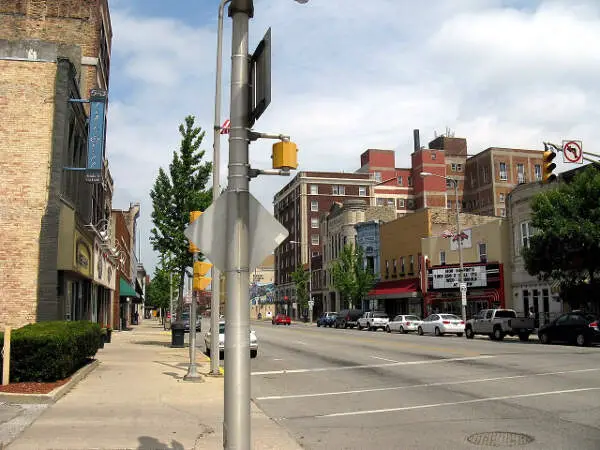
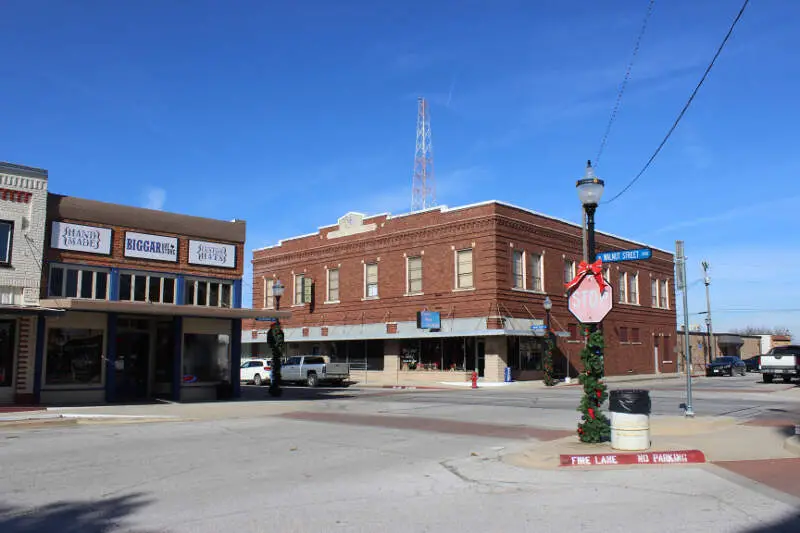
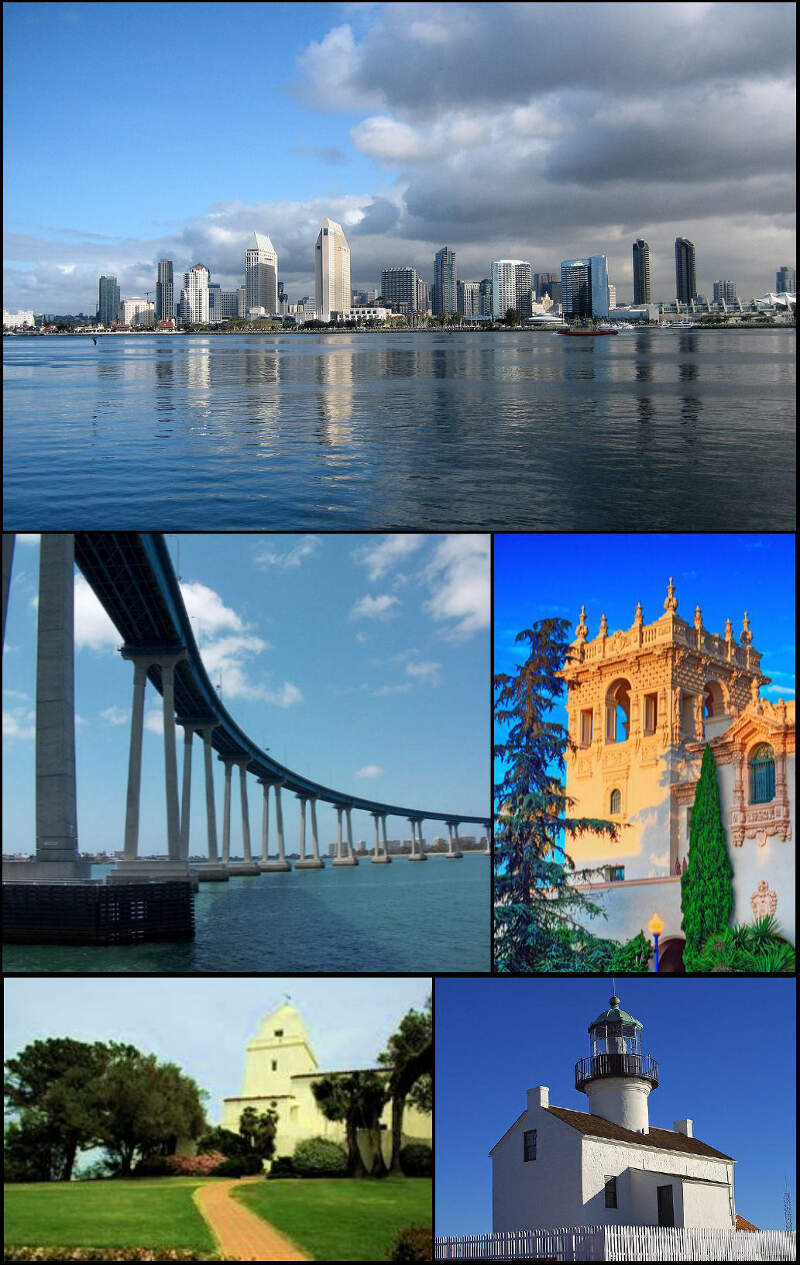
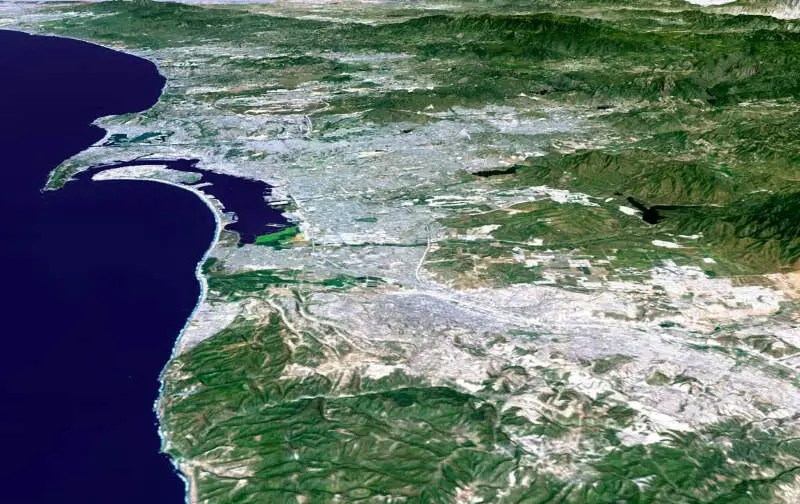
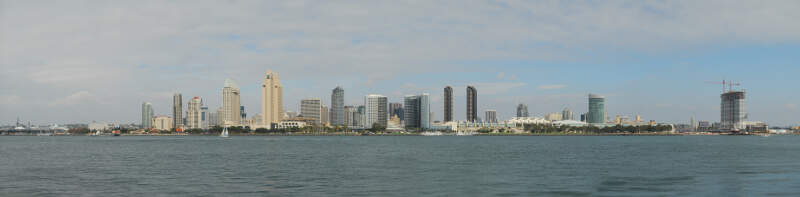
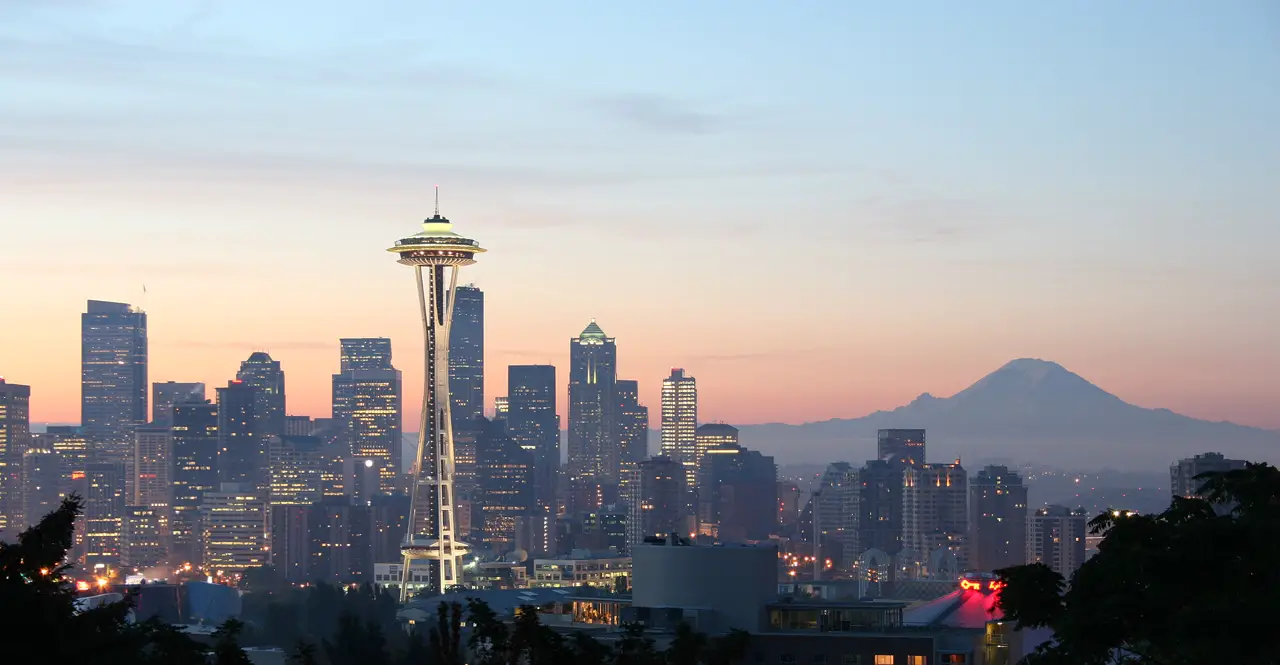
San Diego vs. Seattle in photos
A side-by-side look at each city.


Cost of living
San Diego is the cheaper city overall — 3% higher in Seattle than its rival. Index baseline: 100 = national average.
| Living expense | San Diego | Seattle | US average |
|---|---|---|---|
| Overall | 175 | 181 | 100 |
| Services | 121 | 107 | 100 |
| Groceries | 121 | 111 | 100 |
| Health | 296 | 326 | 100 |
| Housing | 127 | 125 | 100 |
| Transportation | 131 | 112 | 100 |
| Utilities | 135 | 123 | 100 |
Lower index = cheaper. 100 = U.S. national average. Bar inside each cell scales relative to the highest value in the table.
Sources: HomeSnacks Cost of Living indices, normalized so 100 = U.S. national average. Drill in: San Diego cost of living, Seattle cost of living, or the cheapest cities in America.
Housing breakdown
Home prices are higher in Seattle. Compare absolute price and price-to-income — a $500k home in a $100k-income city is very different from one in a $50k-income city.
| Metric | San Diego | Seattle | United States |
|---|---|---|---|
| Median Home Value | $1,001,264 | $868,680 | $332,700 |
| Median Rent | $2,313 | $2,030 | $1,413 |
| Median Income | $108,077 | $123,860 | $80,734 |
| Home Value To Income | 9.3x | 7.0x | 4.1x |
| Rent To Monthly Income | 0.26x | 0.2x | 0.21x |
Source: U.S. Census Bureau ACS 2020-2024. See also states with the highest rent in America.
Crime
San Diego is the safer city — total crime rate of 2,082 per 100k people vs 5,783 for Seattle. US average: 2,119.
| Crime (per 100k) | San Diego | Seattle | US average |
|---|---|---|---|
| Total crime | 2,082 | 5,783 | 2,119 |
| Murder | 3 | 7 | 5 |
| Robbery | 77 | 221 | 61 |
| Aggravated Assault | 311 | 501 | 256 |
| Violent Crime | 412 | 775 | 359 |
| Burglary | 187 | 1,152 | 229 |
| Larceny | 1,087 | 2,882 | 1,272 |
| Car Theft | 396 | 974 | 259 |
| Property Crime | 1,670 | 5,008 | 1,760 |
Lower = safer. Bar inside each cell scales relative to the highest crime rate in the table.
Source: FBI Uniform Crime Reporting (2024). All rates are per 100,000 people. City pages: San Diego crime, Seattle crime. See also: safest cities in America.
Diversity
San Diego is more racially diverse — lower HHI (closer to 0) means a more even mix across groups.
| Group | San Diego | Seattle | United States |
|---|---|---|---|
| White | 40.9% | 58.8% | 57.4% |
| African American | 5.3% | 6.4% | 11.9% |
| American Indian | 0.2% | 0.3% | 0.5% |
| Asian | 17.3% | 17.5% | 5.9% |
| Hawaiian | 0.4% | 0.2% | 0.2% |
| Other | 0.7% | 0.6% | 0.6% |
| Two Or More | 5.5% | 7.7% | 4.3% |
| Hispanic | 29.8% | 8.5% | 19.3% |
Source: U.S. Census ACS 2020-2024. Lower HHI = more even racial mix. See also: most diverse cities in America.
SnackAbility — overall quality of life
Seattle scores higher overall — 8.5/10 vs 8/10. SnackAbility is our 1–10 quality-of-life score; the median U.S. city scores a 7.
Scores are 0–10; both bars share the same scale.
SnackAbility is a HomeSnacks proprietary 1–10 score blending jobs, housing, education, commute, amenities, affordability, crime, and diversity. Median U.S. city ≈ 7. Data: Census, BLS, FBI. See also: best places to live in America.
Getting around: San Diego vs. Seattle
How each city handles commuting, transit, walkability, and car culture — the day-to-day reality that shapes where you'd actually want to live.
San Diego is built around the car. The freeway grid (I-5, I-8, I-15) connects neighborhoods from Chula Vista to Escondido, and the Metropolitan Transit System's Blue, Green, and Orange trolley lines cover downtown, Mission Valley, and the border. Bike infrastructure is improving around Mission Bay, but coverage thins quickly in suburban areas, so you'll likely need a car most days.
Seattle offers a more credible car-free life. Sound Transit's Link Light Rail now stretches from Lynnwood through downtown to Rainier Beach and east to Bellevue and Redmond, putting Amazon's South Lake Union campus and Sea-Tac Airport on the same line. King County Metro buses fill the gaps and the downtown core is walkable, but I-5 through Seattle ranks among the worst bottlenecks in the country: if you commute by car during peak hours, expect it to be slow.
Jobs and careers in San Diego vs. Seattle
The local job market, dominant industries, and which city to choose based on your career.
San Diego's economy runs on defense and life sciences. Northrop Grumman, General Dynamics, and SPAWAR (now NIWC Pacific) collectively employ tens of thousands in engineering and contracting, while Illumina, Pfizer's local campus, and smaller genomics firms cluster in Torrey Pines and Sorrento Valley. Tourism rounds things out, though those jobs skew lower-wage; median household income sits at $108,077.
Seattle's tech sector dominates at a scale that tilts everything else. Amazon's headquarters is in South Lake Union, Microsoft fills Redmond, and a dense network of startups and cloud-services firms has spread across the Eastside; Boeing's commercial division adds a large aerospace workforce. Median household income reaches $123,860, about $15,000 more than San Diego, and if you work in software, data, or cloud infrastructure, Seattle's job market is hard to beat on the West Coast.
Weather and climate
What to expect day-to-day — sun, fog, heat, rain, and the seasonal extremes that shape the lifestyle.
San Diego's climate is the most consistent of any major American city. Expect daytime highs in the mid-60s in January and the mid-70s in August, with roughly 266 sunny days a year and annual rainfall around 10 inches. The main caveat is June Gloom (a marine layer that keeps coastal mornings overcast from late May through July) and the occasional Santa Ana wind event that pushes fire risk and temperatures into the 90s inland.
Seattle runs wetter and grayer, particularly from October through April, when low clouds and drizzle are the default. Annual rainfall is about 38 inches across roughly 150 days with measurable precipitation. If grey winters are a dealbreaker, San Diego wins; if you can handle the dark season, July and August in Seattle are legitimately spectacular, with highs in the mid-70s, low humidity, and daylight stretching past 9 p.m.
Culture, nightlife, and entertainment
Food, music, neighborhoods, and the city vibe that gives each place its personality.
San Diego leans casual and beach-forward. The Gaslamp Quarter covers downtown nightlife (restaurants, clubs, and rooftop bars within walking distance of Petco Park), and North Park is the city's best neighborhood for independent restaurants, craft bars, and live music. San Diego has a legitimate claim to being America's craft beer capital, with Pizza Port, Ballast Point's original digs in Linda Vista, and dozens of neighborhood taprooms; the vibe is relaxed, and late nights are possible but not the dominant mode.
Seattle punches harder on culture. Capitol Hill is one of the Pacific Northwest's best urban neighborhoods, dense with restaurants, queer nightlife, and live music venues, and the city's grunge history still echoes in dive bars and mid-size spots like The Showbox and Neumos. The food scene delivers: excellent Vietnamese in the Rainier Valley, serious ramen in the International District, Pike Place Market as a functioning daily market (touristy but real), and a coffee culture that predates and still outpaces most of the country.
Outdoor activities and day trips
Parks, beaches, hikes, and the weekend escapes that define life outside the city limits.
San Diego's outdoor draw is the coast. You're within 20 minutes of a dozen distinct beaches: La Jolla Cove for snorkeling, Pacific Beach for the boardwalk scene, and Coronado for a quieter stretch of sand. Torrey Pines State Reserve, just north of La Jolla, has coastal bluff trails above one of the last wild stands of Torrey pine, and Mission Trails Regional Park adds serious hiking close to the city; Anza-Borrego Desert State Park, two hours east, is a reasonable day trip for wildflower season or dark-sky stargazing.
Seattle trades the beach for mountains and water. Mount Rainier National Park is roughly two hours south with glacier trails accessible to day-hikers in summer, and the Cascades (Snoqualmie Pass, the Alpine Lakes Wilderness, North Cascades National Park) are within two hours east. Closer in, Discovery Park sits on a bluff above Puget Sound and the city's waterways are good for kayaking and paddleboarding; if skiing, climbing, or backpacking are central to your life, the access to serious terrain is hard to beat.
Bottom line: which city is right for you?
Based on the head-to-head data above, here's the short version — pick the city that lines up with what you actually care about.
Choose San Diego if you prioritize…
- a lower cost of living (cheaper groceries, services, and day-to-day expenses).
- lower crime — a safer place to live, work, and raise a family.
- a more racially diverse community (lower HHI on Census data).
Choose Seattle if you prioritize…
- more affordable housing relative to San Diego.
- a higher overall SnackAbility quality-of-life score.
Methodology: winners are picked from public data — U.S. Census Bureau ACS (income, home value, rent, race/HHI), FBI Uniform Crime Reporting (crime rates per 100k), and HomeSnacks' proprietary SnackAbility quality-of-life score, which blends Bureau of Labor Statistics data with the above.
Other comparisons
Still weighing your options? See how these two cities stack up against other places we've compared head-to-head.