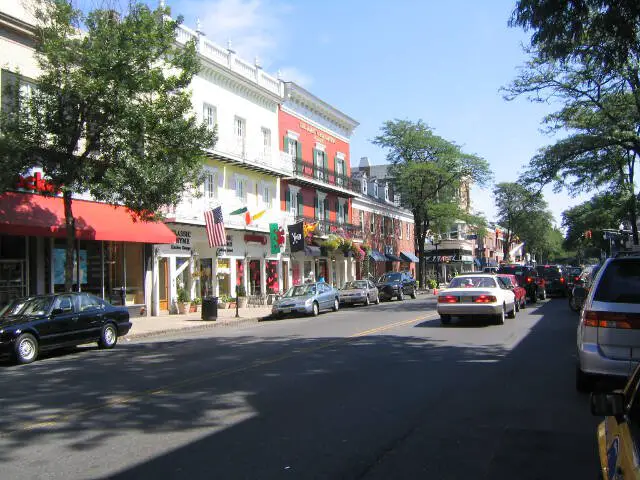
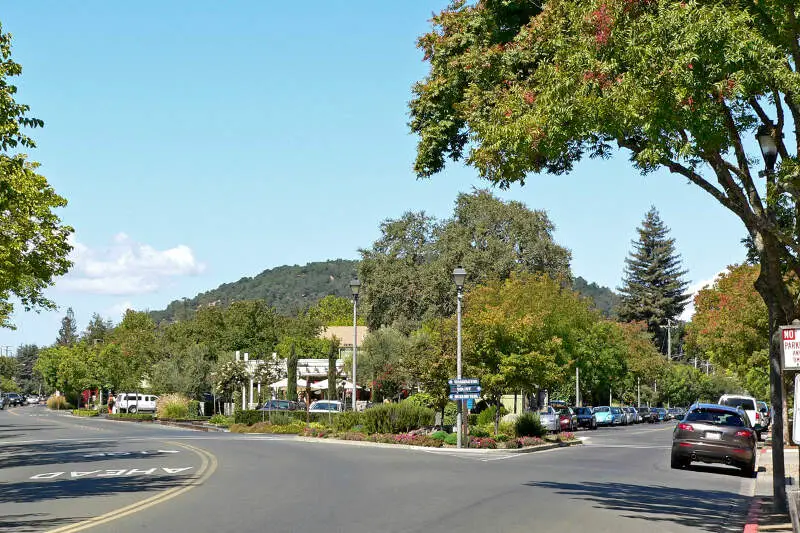
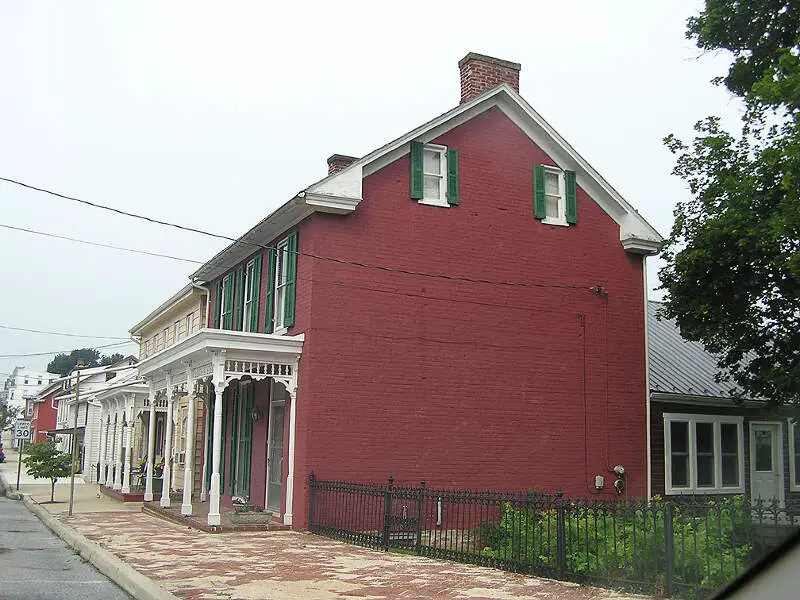
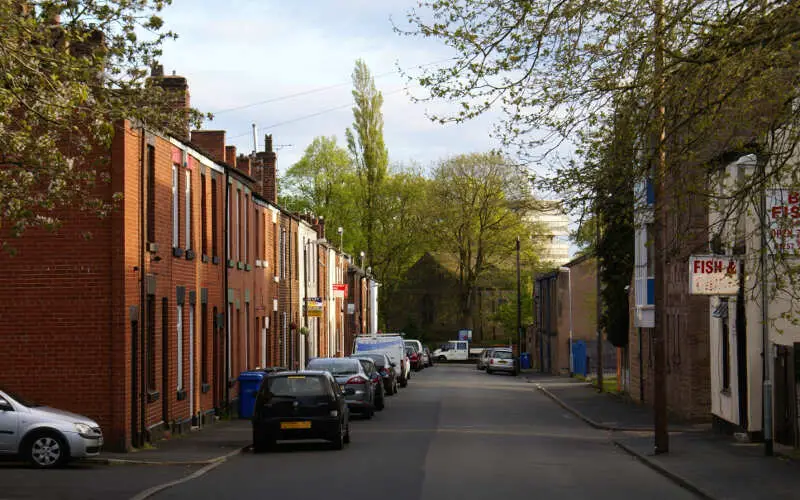
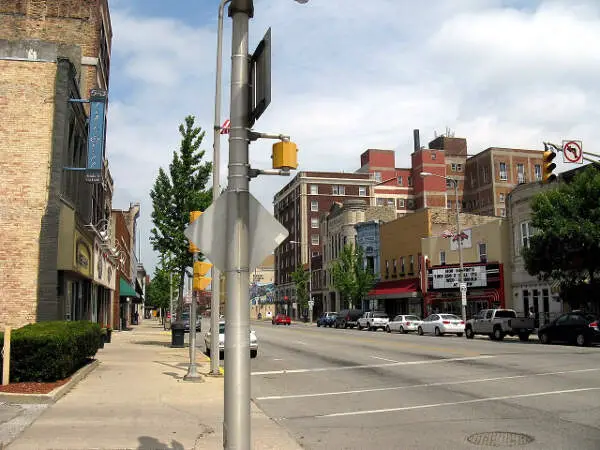
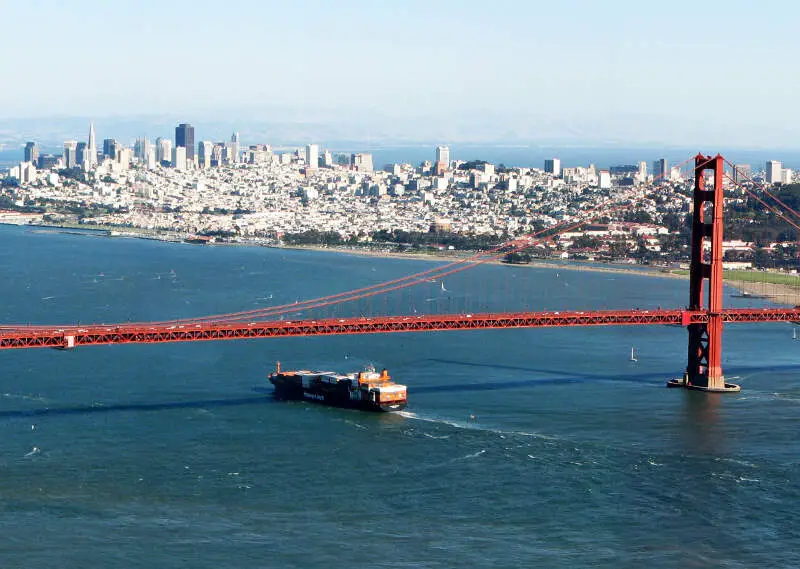
San Francisco vs. Seattle in photos
A side-by-side look at each city.




Cost of living
Seattle is the cheaper city overall — 36% higher in San Francisco than its rival. Index baseline: 100 = national average.
| Living expense | San Francisco | Seattle | US average |
|---|---|---|---|
| Overall | 247 | 181 | 100 |
| Services | 122 | 107 | 100 |
| Groceries | 125 | 111 | 100 |
| Health | 518 | 326 | 100 |
| Housing | 132 | 125 | 100 |
| Transportation | 128 | 112 | 100 |
| Utilities | 139 | 123 | 100 |
Lower index = cheaper. 100 = U.S. national average. Bar inside each cell scales relative to the highest value in the table.
Sources: HomeSnacks Cost of Living indices, normalized so 100 = U.S. national average. Drill in: San Francisco cost of living, Seattle cost of living, or the cheapest cities in America.
Housing breakdown
Home prices are higher in Seattle. Compare absolute price and price-to-income — a $500k home in a $100k-income city is very different from one in a $50k-income city.
| Metric | San Francisco | Seattle | United States |
|---|---|---|---|
| Median Home Value | $1,356,661 | $868,680 | $332,700 |
| Median Rent | $2,476 | $2,030 | $1,413 |
| Median Income | $140,970 | $123,860 | $80,734 |
| Home Value To Income | 9.6x | 7.0x | 4.1x |
| Rent To Monthly Income | 0.21x | 0.2x | 0.21x |
Source: U.S. Census Bureau ACS 2020-2024. See also states with the highest rent in America.
Crime
San Francisco is the safer city — total crime rate of 4,526 per 100k people vs 5,783 for Seattle. US average: 2,119.
| Crime (per 100k) | San Francisco | Seattle | US average |
|---|---|---|---|
| Total crime | 4,526 | 5,783 | 2,119 |
| Murder | 4 | 7 | 5 |
| Robbery | 267 | 221 | 61 |
| Aggravated Assault | 290 | 501 | 256 |
| Violent Crime | 596 | 775 | 359 |
| Burglary | 637 | 1,152 | 229 |
| Larceny | 2,619 | 2,882 | 1,272 |
| Car Theft | 673 | 974 | 259 |
| Property Crime | 3,929 | 5,008 | 1,760 |
Lower = safer. Bar inside each cell scales relative to the highest crime rate in the table.
Source: FBI Uniform Crime Reporting (2024). All rates are per 100,000 people. City pages: San Francisco crime, Seattle crime. See also: safest cities in America.
Diversity
San Francisco is more racially diverse — lower HHI (closer to 0) means a more even mix across groups.
| Group | San Francisco | Seattle | United States |
|---|---|---|---|
| White | 36.8% | 58.8% | 57.4% |
| African American | 4.7% | 6.4% | 11.9% |
| American Indian | 0.2% | 0.3% | 0.5% |
| Asian | 34.9% | 17.5% | 5.9% |
| Hawaiian | 0.3% | 0.2% | 0.2% |
| Other | 0.8% | 0.6% | 0.6% |
| Two Or More | 6.1% | 7.7% | 4.3% |
| Hispanic | 16.2% | 8.5% | 19.3% |
Source: U.S. Census ACS 2020-2024. Lower HHI = more even racial mix. See also: most diverse cities in America.
SnackAbility — overall quality of life
San Francisco and Seattle tied at 8.5/10.
Scores are 0–10; both bars share the same scale.
SnackAbility is a HomeSnacks proprietary 1–10 score blending jobs, housing, education, commute, amenities, affordability, crime, and diversity. Median U.S. city ≈ 7. Data: Census, BLS, FBI. See also: best places to live in America.
Getting around: San Francisco vs. Seattle
How each city handles commuting, transit, walkability, and car culture — the day-to-day reality that shapes where you'd actually want to live.
Getting around San Francisco without a car is genuinely viable. Muni buses and light rail, BART for East Bay and SFO trips, and walkable neighborhoods mean many residents skip car ownership entirely. Muni can be slow and unreliable, though, and parking near downtown often costs as much as a car payment.
Seattle's Link Light Rail now connects Sea-Tac Airport to the University District and beyond, and King County Metro covers most of the city by bus. Seattle's hilly terrain and choke points on I-5 and SR-99 make peak-hour commutes genuinely painful. Both cities are still building out transit, and neither fully eliminates the friction of car ownership for anyone outside the urban core.
Jobs and careers in San Francisco vs. Seattle
The local job market, dominant industries, and which city to choose based on your career.
San Francisco's economy is anchored in tech and finance, with Salesforce, Stripe, and countless startups in SoMa and Mission Bay, plus banking in the Financial District and a fast-growing biotech cluster also around Mission Bay. The median household income of $140,970 reflects those high-paying sectors, though it also reflects the survivor bias of who can actually afford to stay.
Seattle runs on a shorter list of very large employers: Amazon's campus dominates South Lake Union, Microsoft sits across Lake Washington in Redmond, and Boeing anchors aerospace and manufacturing. The median household income of $123,860 is strong by any national standard, and the city has been drawing workers priced out of San Francisco for years. For startup equity upside, SF still has the edge; for stability at scale, Seattle competes hard.
Weather and climate
What to expect day-to-day — sun, fog, heat, rain, and the seasonal extremes that shape the lifestyle.
San Francisco's climate is famously mild and misty. The fog (Karl, as locals call it) rolls in most July mornings and burns off by afternoon, so you'll rarely need air conditioning or a heavy coat. The city's microclimates are real: the Mission can be 10 degrees warmer than the Sunset on the same afternoon, rain falls mostly from November through March, and snow at sea level is essentially nonexistent.
Seattle gets more total rain than San Francisco, spread across a gray season that runs from October well into April. July and August are genuinely spectacular, with long daylight hours and low humidity. If months of overcast drizzle wear you down, factor that into your decision; many transplants find Seattle winters harder than they expected, while San Francisco's chilly but bright winters suit others perfectly.
Culture, nightlife, and entertainment
Food, music, neighborhoods, and the city vibe that gives each place its personality.
San Francisco packs a lot of cultural identity into a small geography. The Castro, the Mission's murals and taquerias, the Italian-American history of North Beach, the galleries of Hayes Valley: each neighborhood feels distinct. The dining scene runs from Michelin-starred tasting menus to $4 burritos, nightlife concentrates in the Mission and SoMa, and the city's counterculture tradition keeps the arts scene experimental.
Seattle's cultural personality is quieter but no less real. Capitol Hill is the arts and LGBTQ hub, with live music venues, coffee shops, and independent restaurants; Pike Place Market anchors the waterfront; and Pioneer Square mixes galleries with nightlife. The dining scene has matured considerably, with Pacific Rim influences you won't find replicated anywhere else on the West Coast, and the city's music legacy (Nirvana, Pearl Jam, Macklemore) still echoes through small venues citywide.
Outdoor activities and day trips
Parks, beaches, hikes, and the weekend escapes that define life outside the city limits.
Living in San Francisco puts good outdoor options in almost every direction. Golden Gate Park has trails, meadows, and the Panhandle for daily use, and the Marin Headlands or Muir Woods are 30 minutes across the bridge. Napa and Sonoma are day trips, Point Reyes is a solid weekend escape, and Yosemite is four hours by car.
Seattle's outdoor access may be even more dramatic. Mount Rainier offers serious alpine hiking and year-round skiing, the Cascades are close enough for day hikes, and you can kayak on Lake Union or Puget Sound without leaving the city. The Olympic Peninsula rewards weekend trips, and if snow sports matter to you, Crystal Mountain, Snoqualmie, and Stevens Pass give Seattle a clear edge.
Bottom line: which city is right for you?
Based on the head-to-head data above, here's the short version — pick the city that lines up with what you actually care about.
Choose San Francisco if you prioritize…
- lower crime — a safer place to live, work, and raise a family.
- a more racially diverse community (lower HHI on Census data).
Choose Seattle if you prioritize…
- a lower cost of living (cheaper groceries, services, and day-to-day expenses).
- more affordable housing relative to San Francisco.
Methodology: winners are picked from public data — U.S. Census Bureau ACS (income, home value, rent, race/HHI), FBI Uniform Crime Reporting (crime rates per 100k), and HomeSnacks' proprietary SnackAbility quality-of-life score, which blends Bureau of Labor Statistics data with the above.
Other comparisons
Still weighing your options? See how these two cities stack up against other places we've compared head-to-head.