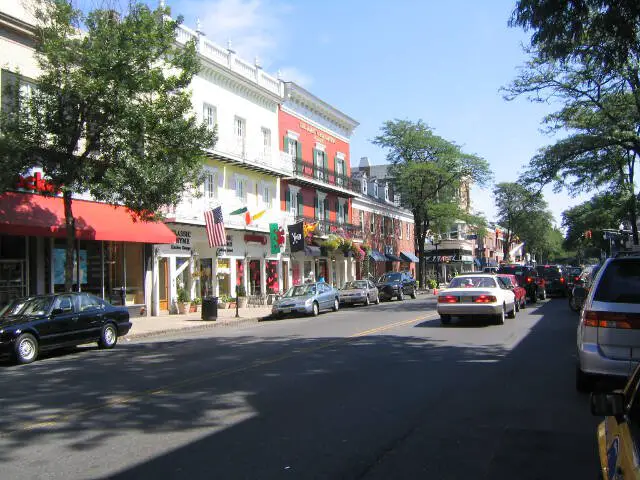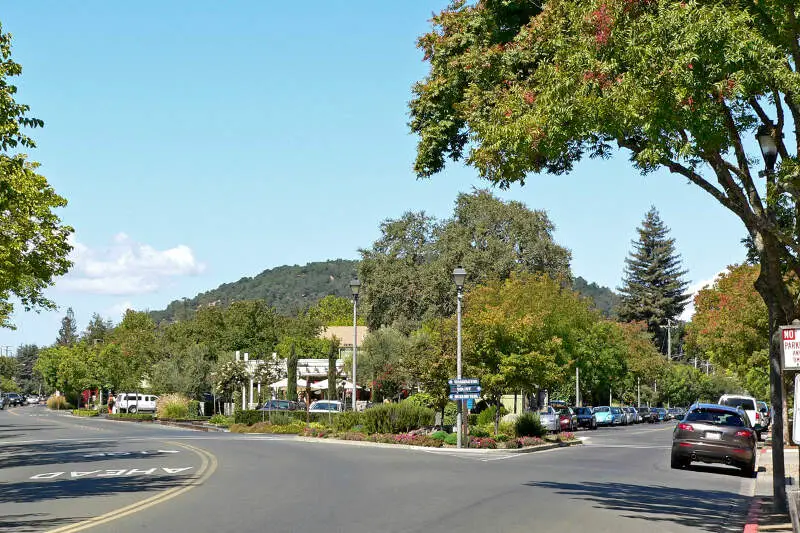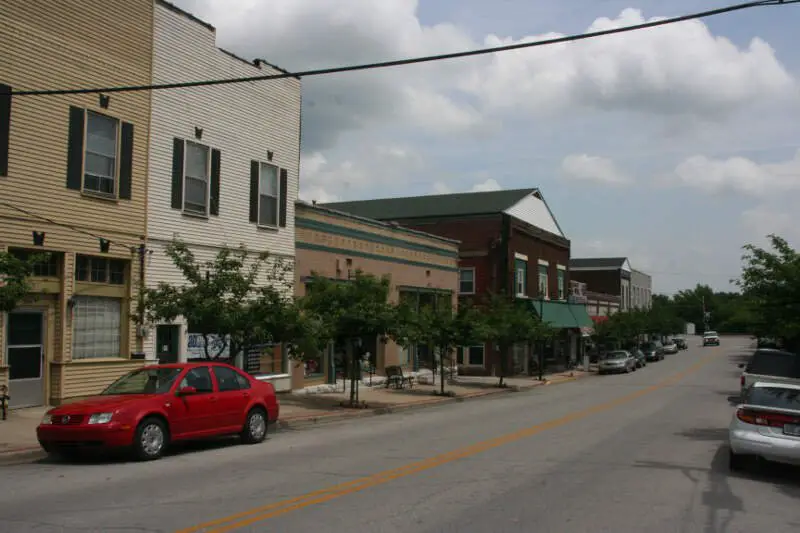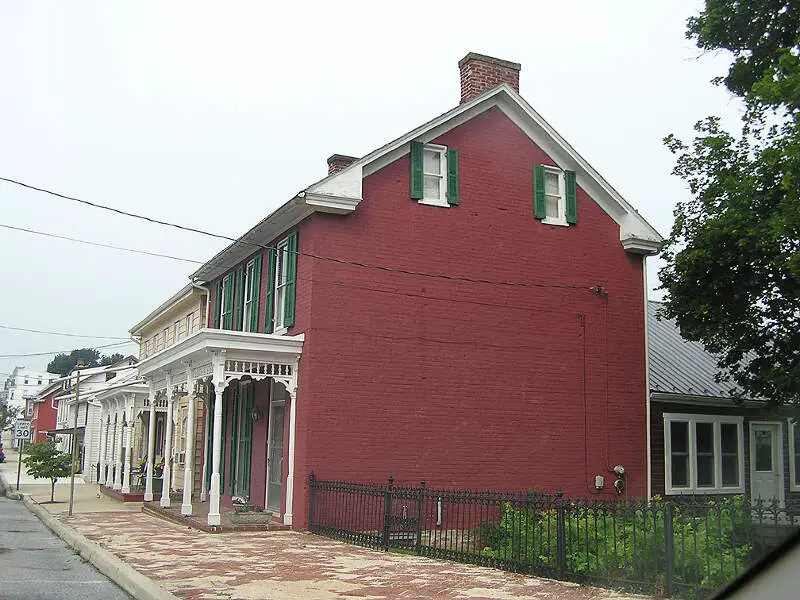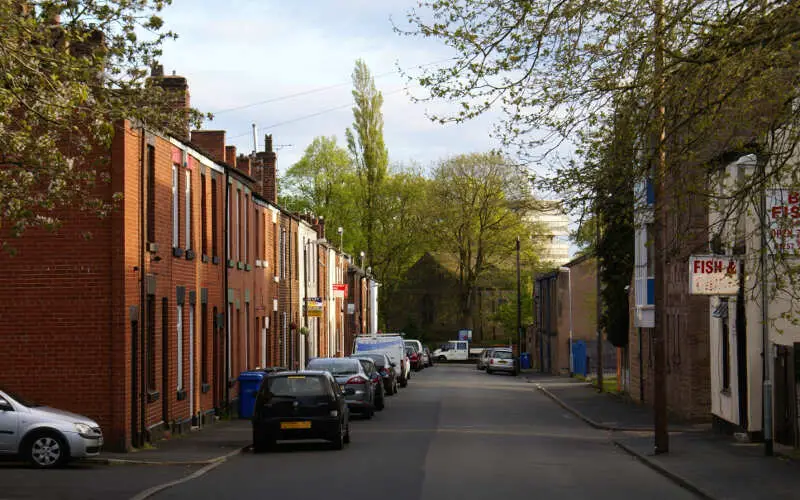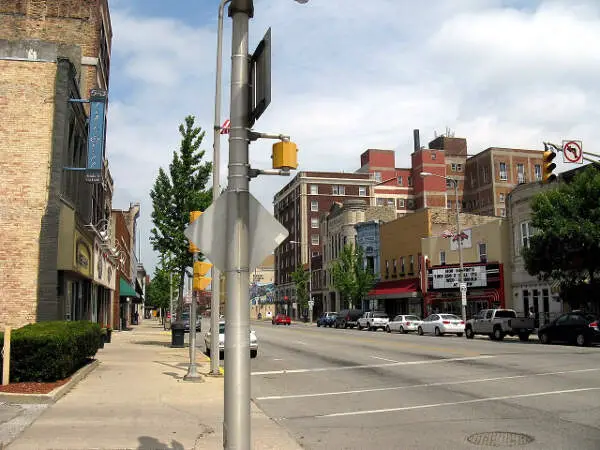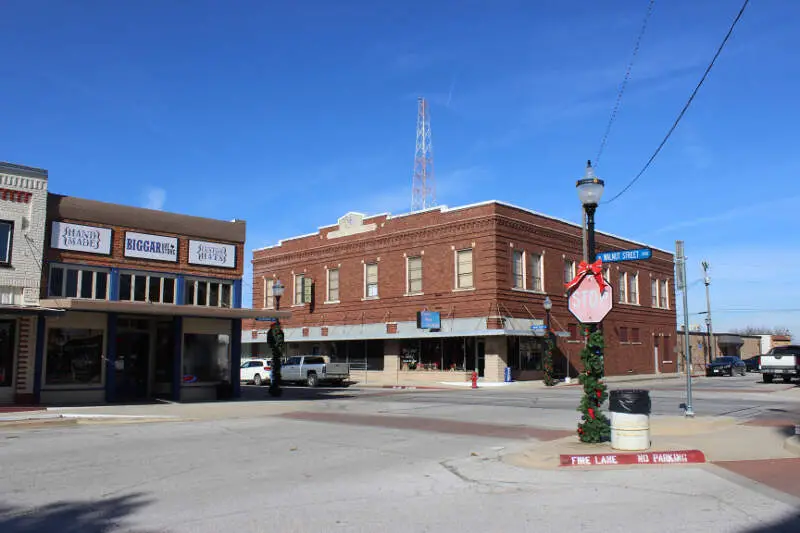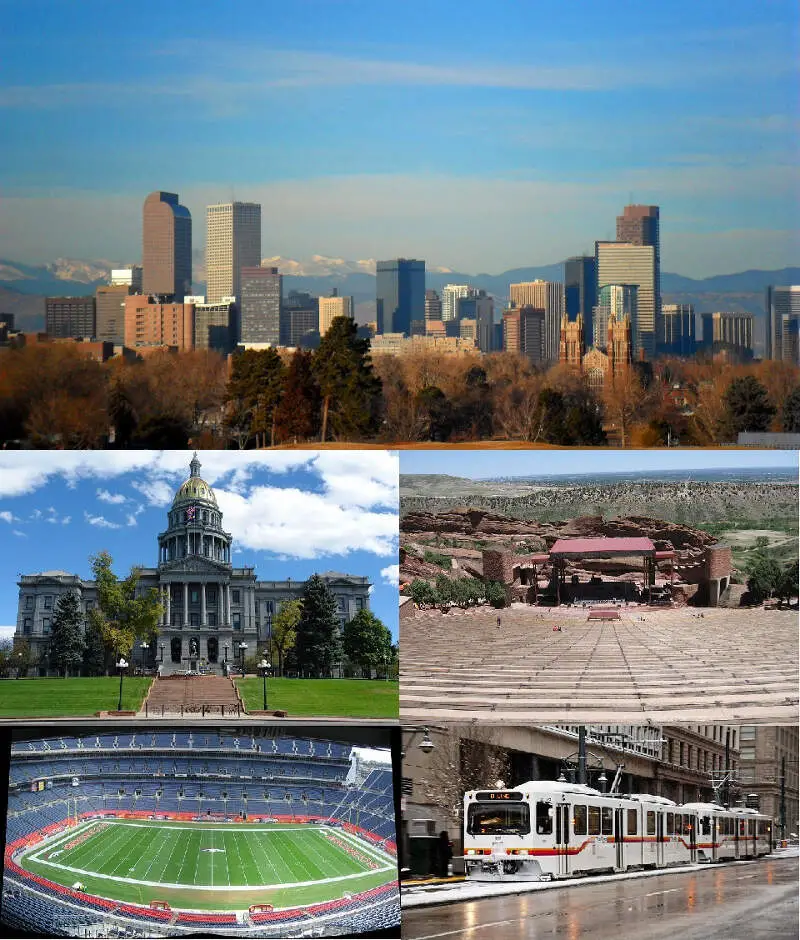
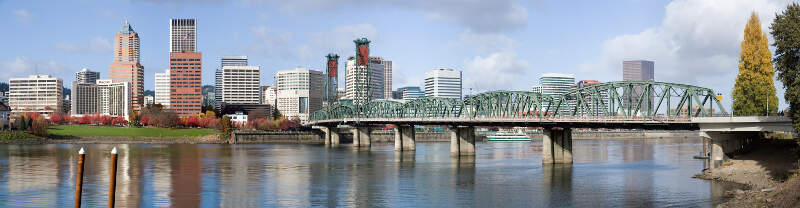
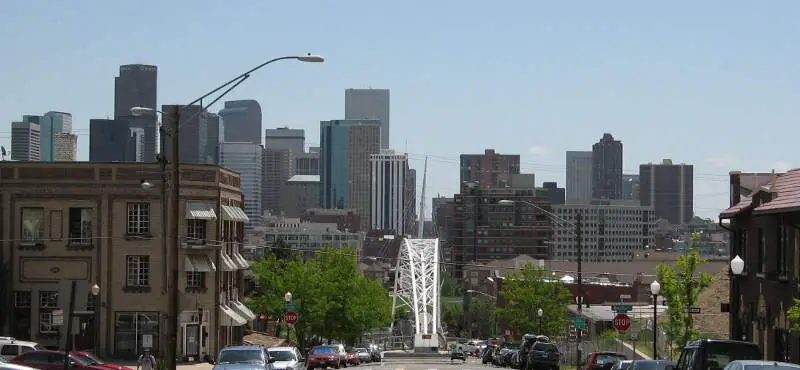
Portland vs. Denver in photos
A side-by-side look at each city.


Cost of living
Portland is the cheaper city overall — 2% higher in Denver than its rival. Index baseline: 100 = national average.
| Living expense | Portland | Denver | US average |
|---|---|---|---|
| Overall | 139 | 142 | 100 |
| Services | 105 | 108 | 100 |
| Groceries | 108 | 107 | 100 |
| Health | 210 | 214 | 100 |
| Housing | 111 | 113 | 100 |
| Transportation | 112 | 110 | 100 |
| Utilities | 112 | 111 | 100 |
Lower index = cheaper. 100 = U.S. national average. Bar inside each cell scales relative to the highest value in the table.
Sources: HomeSnacks Cost of Living indices, normalized so 100 = U.S. national average. Drill in: Portland cost of living, Denver cost of living, or the cheapest cities in America.
Housing breakdown
Home prices are higher in Denver. Compare absolute price and price-to-income — a $500k home in a $100k-income city is very different from one in a $50k-income city.
| Metric | Portland | Denver | United States |
|---|---|---|---|
| Median Home Value | $534,638 | $539,666 | $332,700 |
| Median Rent | $1,655 | $1,831 | $1,413 |
| Median Income | $90,919 | $94,718 | $80,734 |
| Home Value To Income | 5.9x | 5.7x | 4.1x |
| Rent To Monthly Income | 0.22x | 0.23x | 0.21x |
Source: U.S. Census Bureau ACS 2020-2024. See also states with the highest rent in America.
Crime
Denver is the safer city — total crime rate of 5,755 per 100k people vs 6,246 for Portland. US average: 2,119.
| Crime (per 100k) | Portland | Denver | US average |
|---|---|---|---|
| Total crime | 6,246 | 5,755 | 2,119 |
| Murder | 11 | 10 | 5 |
| Robbery | 177 | 176 | 61 |
| Aggravated Assault | 481 | 713 | 256 |
| Violent Crime | 720 | 993 | 359 |
| Burglary | 727 | 708 | 229 |
| Larceny | 3,921 | 2,822 | 1,272 |
| Car Theft | 878 | 1,232 | 259 |
| Property Crime | 5,526 | 4,762 | 1,760 |
Lower = safer. Bar inside each cell scales relative to the highest crime rate in the table.
Source: FBI Uniform Crime Reporting (2024). All rates are per 100,000 people. City pages: Portland crime, Denver crime. See also: safest cities in America.
Diversity
Denver is more racially diverse — lower HHI (closer to 0) means a more even mix across groups.
| Group | Portland | Denver | United States |
|---|---|---|---|
| White | 65.8% | 54.0% | 57.4% |
| African American | 5.5% | 8.6% | 11.9% |
| American Indian | 0.4% | 0.3% | 0.5% |
| Asian | 8.0% | 3.6% | 5.9% |
| Hawaiian | 0.6% | 0.1% | 0.2% |
| Other | 0.6% | 0.5% | 0.6% |
| Two Or More | 7.2% | 4.8% | 4.3% |
| Hispanic | 12.0% | 28.0% | 19.3% |
Source: U.S. Census ACS 2020-2024. Lower HHI = more even racial mix. See also: most diverse cities in America.
SnackAbility — overall quality of life
Portland and Denver tied at 8/10.
Scores are 0–10; both bars share the same scale.
SnackAbility is a HomeSnacks proprietary 1–10 score blending jobs, housing, education, commute, amenities, affordability, crime, and diversity. Median U.S. city ≈ 7. Data: Census, BLS, FBI. See also: best places to live in America.
Getting around: Portland vs. Denver
How each city handles commuting, transit, walkability, and car culture — the day-to-day reality that shapes where you'd actually want to live.
Portland's TriMet system gives you a genuine car-optional lifestyle that Denver can't quite match. The MAX Light Rail connects the airport, downtown, and inner suburbs; the streetcar loops through the Pearl District and NW 23rd; and a dense bus network fills the gaps. Portland consistently ranks among the most bikeable cities in the country, with protected lanes on key corridors, the Springwater Trail for east-side commuters, and a median commute around 25 minutes.
Denver's RTD network has expanded significantly (the A Line to Denver International Airport is a genuine convenience), but metro sprawl means most residents still drive. If you're based in the suburbs or the Denver Tech Center, a car is essentially non-negotiable. Denver's bike infrastructure has grown quickly in neighborhoods like RiNo and Capitol Hill, but Portland's head start on cycling culture and transit density is a real edge for car-free living.
Jobs and careers in Portland vs. Denver
The local job market, dominant industries, and which city to choose based on your career.
Portland and Denver have both moved well past their historical economic bases, but in different directions. Portland leans on tech manufacturing and apparel: Intel's Hillsboro campus, Nike's world headquarters in Beaverton, and Adidas North America's U.S. base are all within commuting range. Oregon Health & Science University anchors a growing biotech and healthcare cluster, median household income sits at $90,919, and the startup scene in the Central Eastside fills in below the big employers.
Denver's economy covers more ground: federal government and defense (Lockheed Martin and Raytheon both have major presences along the I-25 corridor), energy, healthcare systems like UCHealth, and a tech sector centered on the Denver Tech Center. Median household income of $94,718 edges Portland slightly. If you're in aerospace or energy, or want a larger and more varied corporate base, Denver offers more options in a single metro.
Weather and climate
What to expect day-to-day — sun, fog, heat, rain, and the seasonal extremes that shape the lifestyle.
Portland's climate is mild but genuinely gray. From October through June, expect overcast skies and steady drizzle; winters rarely dip below freezing for long, and snow is an event rather than a routine. July and August are reliably sunny, warm, and low-humidity (among the most pleasant urban summers in the country), but if seasonal affective disorder is a concern, that six-month gray stretch is worth weighing seriously.
Denver earns its "300 days of sunshine" reputation, and winters bring real snow that melts fast at altitude (a foot of powder on Tuesday can be gone by Thursday). At 5,280 feet you'll notice thinner air, intense UV year-round, and daily afternoon thunderstorms in summer; budget a few weeks to adjust if you're coming from sea level. Denver gets significantly more sun overall, while Portland trades cloud cover for gentler temperatures.
Culture, nightlife, and entertainment
Food, music, neighborhoods, and the city vibe that gives each place its personality.
Portland punches above its size culturally. The Alberta Arts District, Mississippi Avenue, and Division Street each have a distinct personality, the food cart pod system is one of the most accessible dining formats in any U.S. city, and Powell's Books is a genuine destination. The craft beer scene has more breweries per capita than almost anywhere, the city's weird, independent streak shapes local retail and the music calendar, and median rent of $1,655 keeps creative industries viable here in a way they aren't in pricier coastal cities.
Denver's culture has shifted hard over the past decade. RiNo (River North Art District) and LoDo have gone from industrial to genuinely lively, with serious restaurant and bar density, and Denver has a pro-sports culture Portland lacks: Broncos, Nuggets, Rockies, and Avalanche seasons keep the social calendar packed. Median rent of $1,831 is higher, but you get a faster-moving cultural scene with a larger range of live music venues and festivals.
Outdoor activities and day trips
Parks, beaches, hikes, and the weekend escapes that define life outside the city limits.
Portland's outdoors card is Forest Park, one of the largest urban forests in the country, with 80-plus miles of trails accessible from the west side. The Columbia River Gorge is under an hour east, Mount Hood offers year-round skiing and summer hiking, the Oregon Coast is a two-hour drive, and the Willamette River corridor through the city adds trails, kayaking, and summer swimming holes. You don't need a long drive to feel out of the city.
Denver's outdoor access is even more dramatic. Rocky Mountain National Park, Breckenridge, Keystone, and Vail are all within two hours, Red Rocks Park and Amphitheatre mixes trail running with live concerts, and the Front Range trail network starts at the edge of town (Cherry Creek State Park on the city side, Clear Creek Canyon for climbing). If outdoor recreation is your primary quality-of-life driver, Denver's proximity to the Rockies is hard to argue with.
Bottom line: which city is right for you?
Based on the head-to-head data above, here's the short version — pick the city that lines up with what you actually care about.
Choose Portland if you prioritize…
- a lower cost of living (cheaper groceries, services, and day-to-day expenses).
Choose Denver if you prioritize…
- lower crime — a safer place to live, work, and raise a family.
- more affordable housing relative to Portland.
- a more racially diverse community (lower HHI on Census data).
Methodology: winners are picked from public data — U.S. Census Bureau ACS (income, home value, rent, race/HHI), FBI Uniform Crime Reporting (crime rates per 100k), and HomeSnacks' proprietary SnackAbility quality-of-life score, which blends Bureau of Labor Statistics data with the above.
Other comparisons
Still weighing your options? See how these two cities stack up against other places we've compared head-to-head.