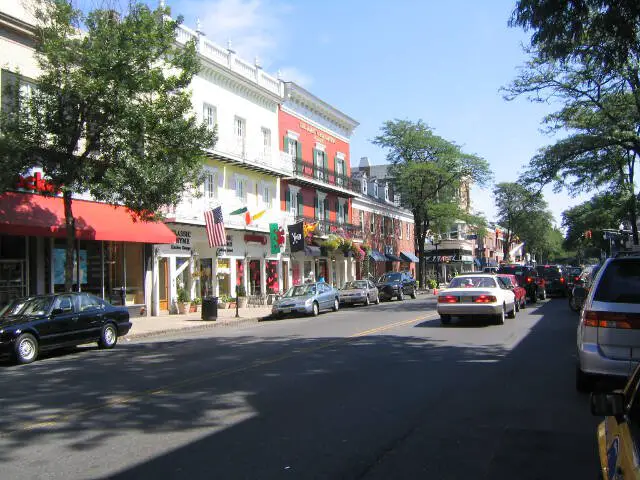
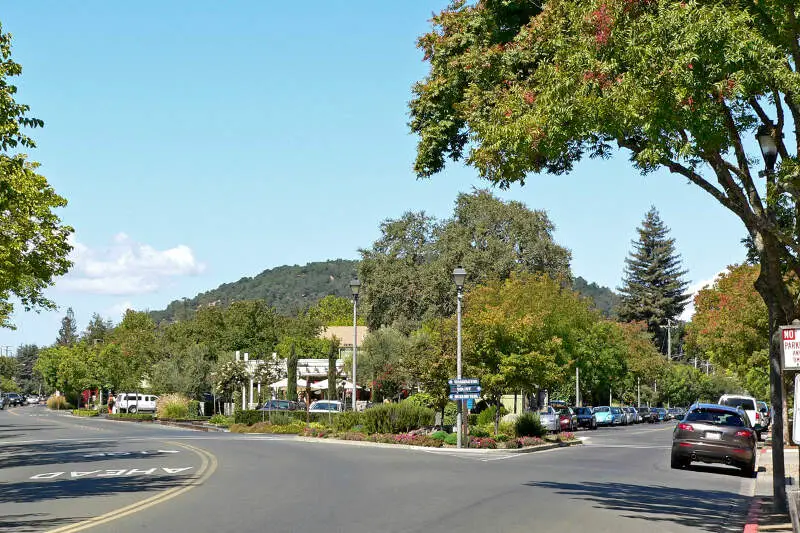
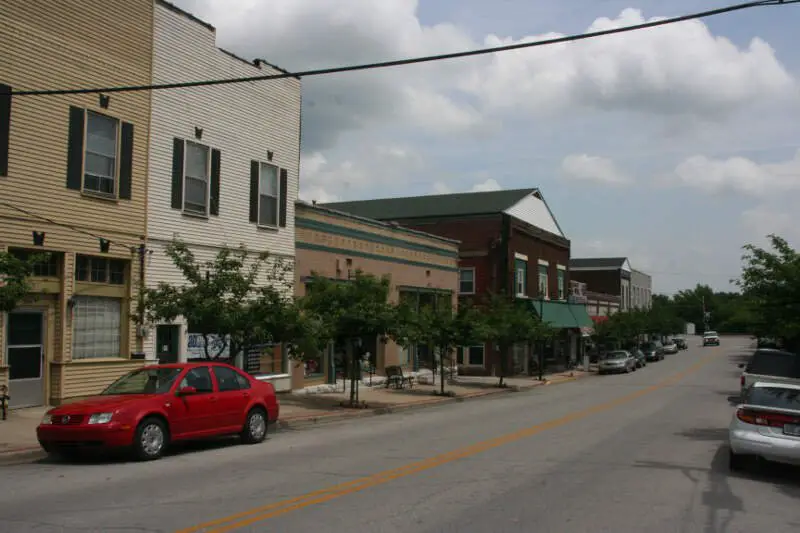
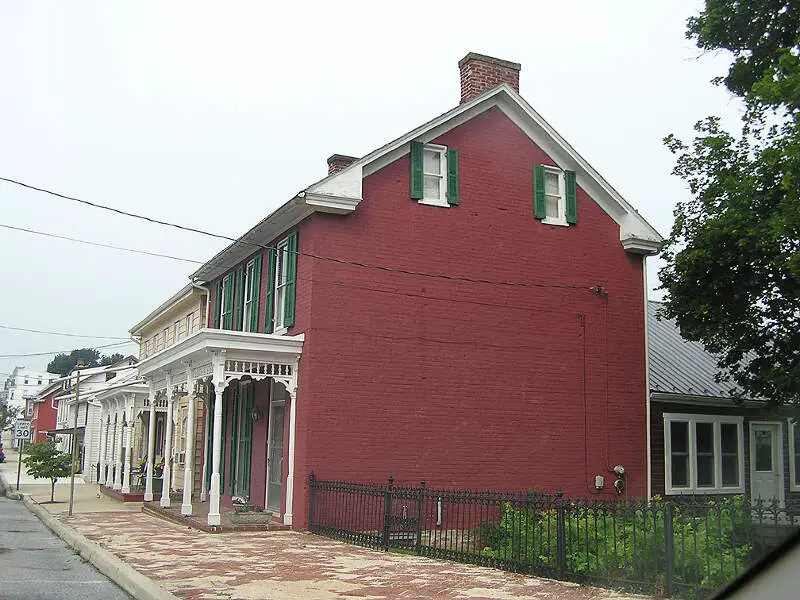
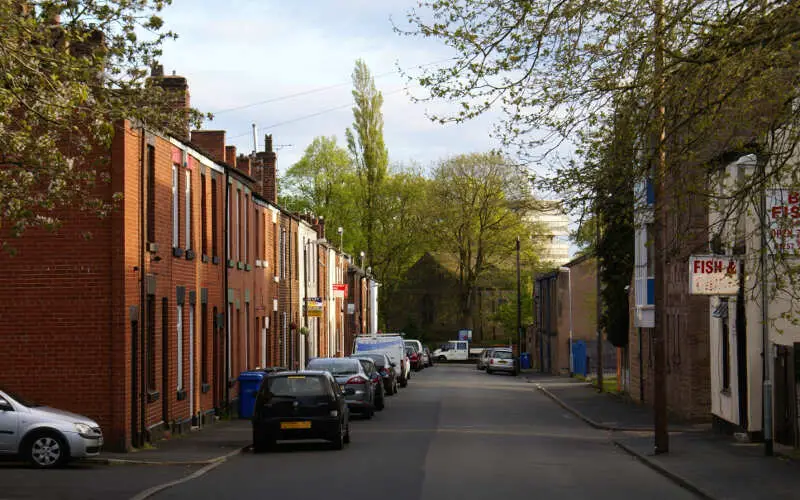
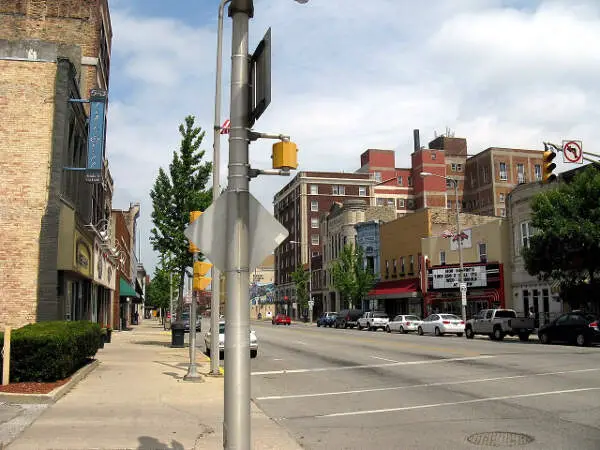
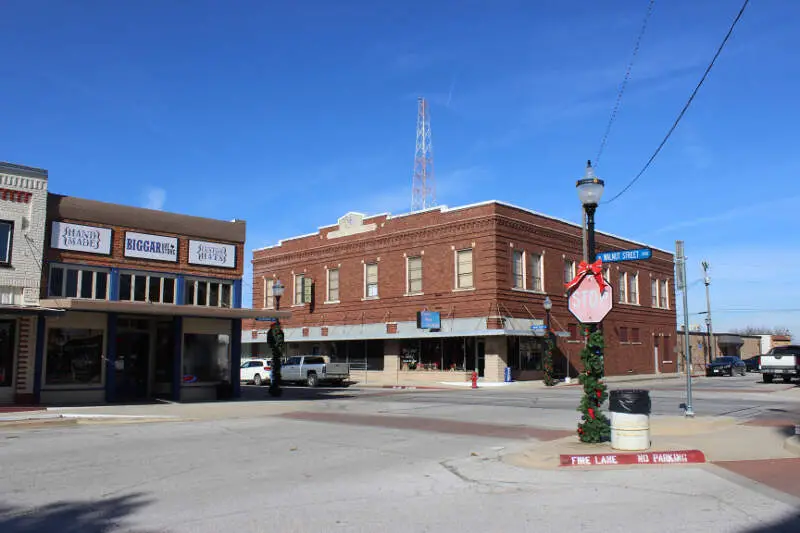
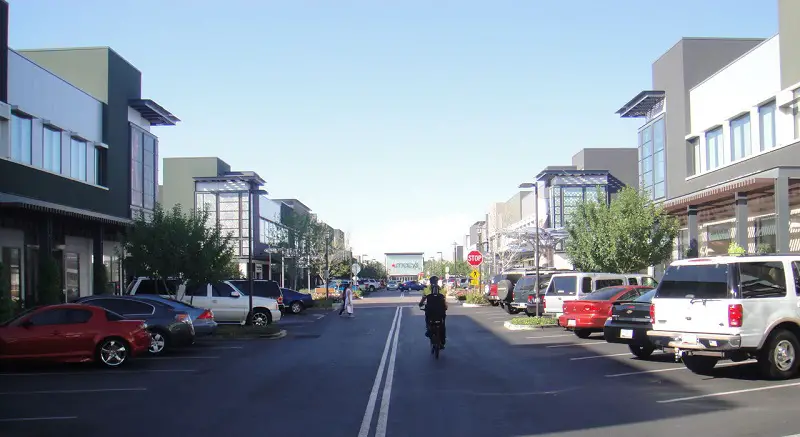
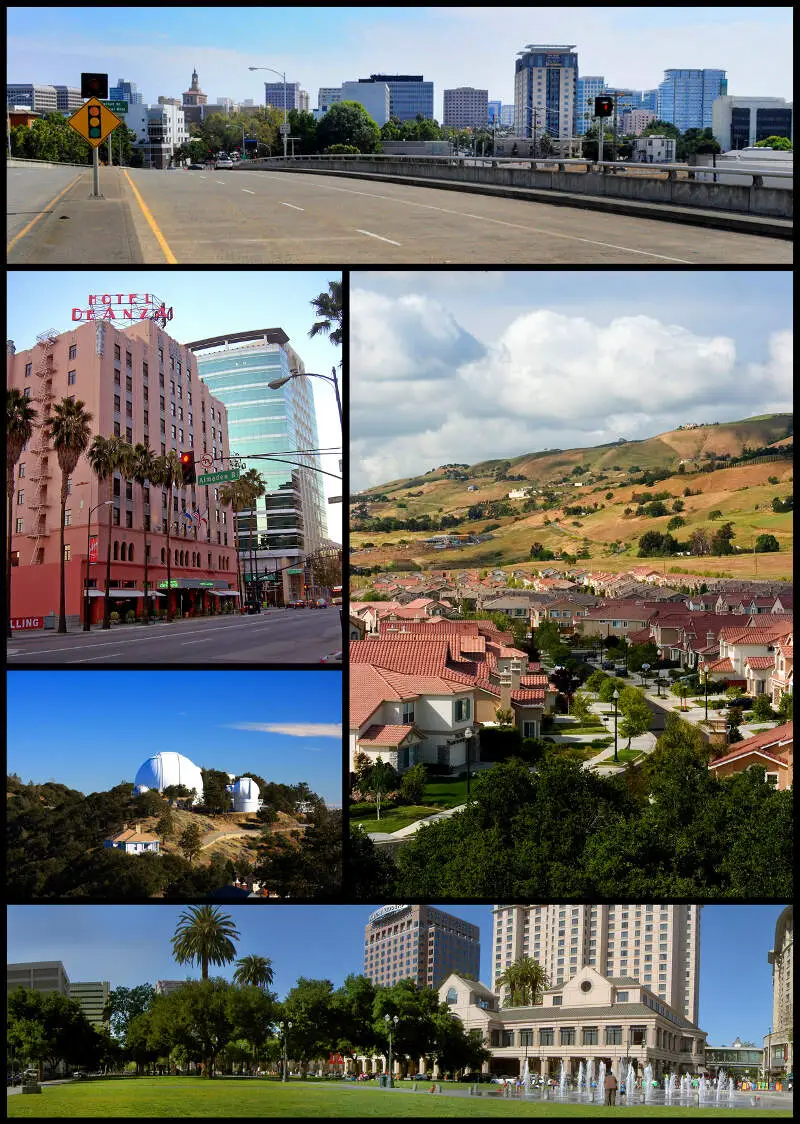
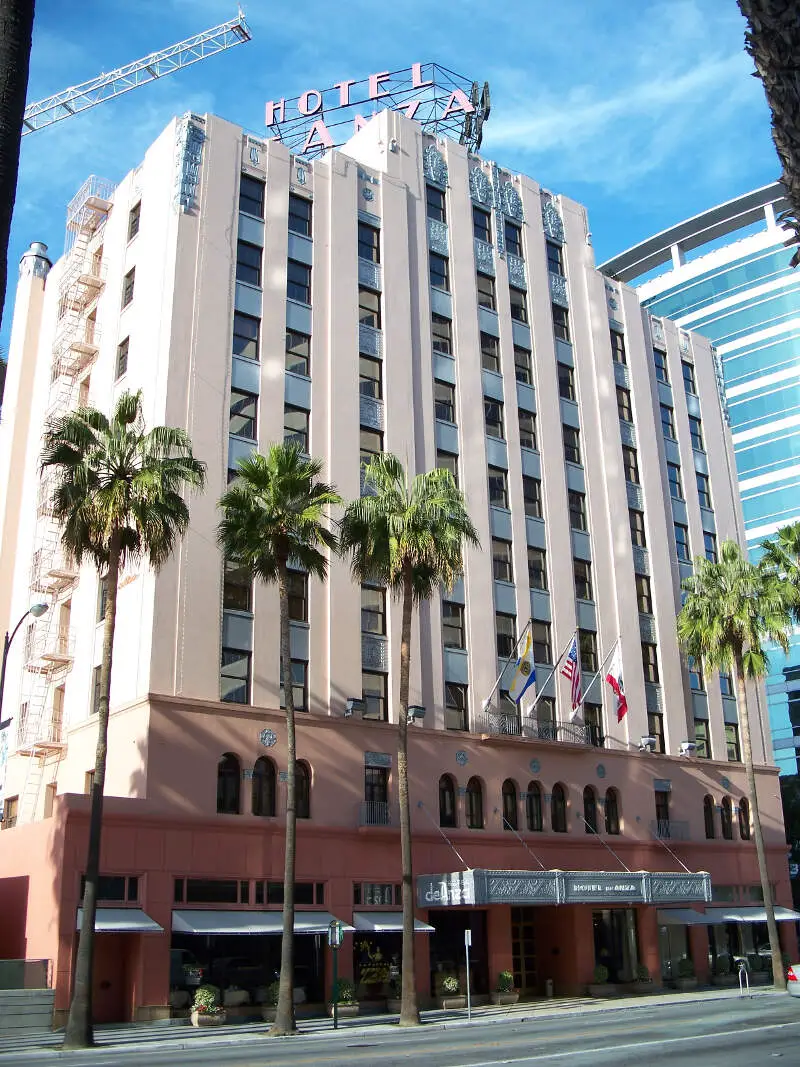
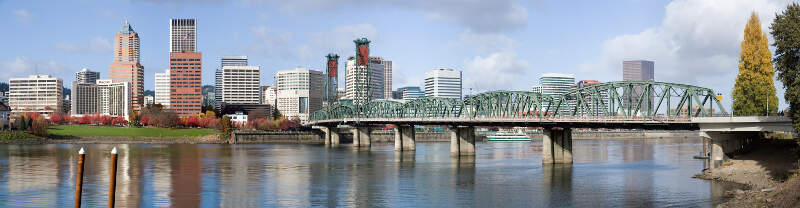
San Jose vs. Portland in photos
A side-by-side look at each city.


Cost of living
Portland is the cheaper city overall — 55% higher in San Jose than its rival. Index baseline: 100 = national average.
| Living expense | San Jose | Portland | US average |
|---|---|---|---|
| Overall | 216 | 139 | 100 |
| Services | 119 | 105 | 100 |
| Groceries | 125 | 108 | 100 |
| Health | 425 | 210 | 100 |
| Housing | 135 | 111 | 100 |
| Transportation | 132 | 112 | 100 |
| Utilities | 136 | 112 | 100 |
Lower index = cheaper. 100 = U.S. national average. Bar inside each cell scales relative to the highest value in the table.
Sources: HomeSnacks Cost of Living indices, normalized so 100 = U.S. national average. Drill in: San Jose cost of living, Portland cost of living, or the cheapest cities in America.
Housing breakdown
Home prices are higher in Portland. Compare absolute price and price-to-income — a $500k home in a $100k-income city is very different from one in a $50k-income city.
| Metric | San Jose | Portland | United States |
|---|---|---|---|
| Median Home Value | $1,463,614 | $534,638 | $332,700 |
| Median Rent | $2,669 | $1,655 | $1,413 |
| Median Income | $146,427 | $90,919 | $80,734 |
| Home Value To Income | 10.0x | 5.9x | 4.1x |
| Rent To Monthly Income | 0.22x | 0.22x | 0.21x |
Source: U.S. Census Bureau ACS 2020-2024. See also states with the highest rent in America.
Crime
San Jose is the safer city — total crime rate of 3,195 per 100k people vs 6,246 for Portland. US average: 2,119.
| Crime (per 100k) | San Jose | Portland | US average |
|---|---|---|---|
| Total crime | 3,195 | 6,246 | 2,119 |
| Murder | 3 | 11 | 5 |
| Robbery | 141 | 177 | 61 |
| Aggravated Assault | 386 | 481 | 256 |
| Violent Crime | 607 | 720 | 359 |
| Burglary | 427 | 727 | 229 |
| Larceny | 1,523 | 3,921 | 1,272 |
| Car Theft | 638 | 878 | 259 |
| Property Crime | 2,588 | 5,526 | 1,760 |
Lower = safer. Bar inside each cell scales relative to the highest crime rate in the table.
Source: FBI Uniform Crime Reporting (2024). All rates are per 100,000 people. City pages: San Jose crime, Portland crime. See also: safest cities in America.
Diversity
San Jose is more racially diverse — lower HHI (closer to 0) means a more even mix across groups.
| Group | San Jose | Portland | United States |
|---|---|---|---|
| White | 22.3% | 65.8% | 57.4% |
| African American | 2.7% | 5.5% | 11.9% |
| American Indian | 0.2% | 0.4% | 0.5% |
| Asian | 39.2% | 8.0% | 5.9% |
| Hawaiian | 0.5% | 0.6% | 0.2% |
| Other | 0.5% | 0.6% | 0.6% |
| Two Or More | 3.8% | 7.2% | 4.3% |
| Hispanic | 30.8% | 12.0% | 19.3% |
Source: U.S. Census ACS 2020-2024. Lower HHI = more even racial mix. See also: most diverse cities in America.
SnackAbility — overall quality of life
San Jose scores higher overall — 8.5/10 vs 8/10. SnackAbility is our 1–10 quality-of-life score; the median U.S. city scores a 7.
Scores are 0–10; both bars share the same scale.
SnackAbility is a HomeSnacks proprietary 1–10 score blending jobs, housing, education, commute, amenities, affordability, crime, and diversity. Median U.S. city ≈ 7. Data: Census, BLS, FBI. See also: best places to live in America.
Getting around: San Jose vs. Portland
How each city handles commuting, transit, walkability, and car culture — the day-to-day reality that shapes where you'd actually want to live.
Getting around San Jose means driving. The VTA light rail and bus network is sparse relative to the metro's sprawl, though the BART extension to Berryessa helps riders heading toward Oakland or San Francisco via Caltrain from downtown. Most residents still drive, which means regular gridlock on US-101, I-280, and I-87 during commute hours, and median rent of $2,669 pushes many workers farther out, adding to those commutes.
Portland's TriMet MAX light rail, with five lines reaching the airport, Beaverton, and Gresham, makes car-free living genuinely practical in a way San Jose's system doesn't. The city is also one of the most bike-friendly in the country, with protected lanes and the Springwater Corridor trail. If you hate driving to work, Portland wins this category clearly.
Jobs and careers in San Jose vs. Portland
The local job market, dominant industries, and which city to choose based on your career.
San Jose sits at the center of Silicon Valley, where the job market is dominated by tech at a scale few cities match. Cisco, Adobe, and eBay are headquartered here, and Apple, Google, and Intel are a short commute away in Cupertino, Mountain View, and Santa Clara. The median household income hits $146,427, well above Portland's $90,919, but the cost of living index of 216 versus the US average means that paycheck has to work much harder.
Portland's economy is more diversified: Nike is headquartered in nearby Beaverton, Adidas North America is based in Portland proper, Intel has a major campus in Hillsboro, and Oregon Health & Science University anchors a growing biotech and healthcare sector. Salaries are lower on average, but so is the cost of living index at 139, which softens the income gap in day-to-day terms.
Weather and climate
What to expect day-to-day — sun, fog, heat, rain, and the seasonal extremes that shape the lifestyle.
San Jose gets roughly 300 sunny days a year. Winters rarely dip below 40°F, summers stay in the low 80s, and rain concentrates in a December-through-March window. Snow is essentially nonexistent at valley level, so you can go most of the year without a heavy coat or an umbrella.
Portland summers are genuinely good: low humidity, long days, temperatures mostly in the 70s from June through September. Fall through spring brings persistent overcast skies and frequent drizzle, and the gray stretch from October to May affects some residents more than others. If sun is a year-round priority, San Jose wins; if you don't mind rain, Portland's summers hold up fine.
Culture, nightlife, and entertainment
Food, music, neighborhoods, and the city vibe that gives each place its personality.
San Jose's cultural identity comes from its ethnic diversity: large Vietnamese, Mexican, and South Asian communities shape the city, and neighborhoods like Little Saigon along Story Road and the Japantown district have some of the most authentic Asian food scenes in the country. The SAP Center hosts major concerts and Sharks hockey, and the SoFA District has a growing arts and live-music corridor. The city still lives somewhat in San Francisco's cultural shadow, though, and nightlife is quieter per capita than you might expect for a metro of nearly a million.
Portland's Pearl District and Mississippi Avenue have dense concentrations of independent restaurants, galleries, and bars. The craft beer scene is nationally recognized, and the food cart pod culture, with hundreds of carts spread across dedicated lots, is genuinely unusual in the US. Powell's Books, the Doug Fir Lounge, and venues like the Crystal Ballroom give the city a creative energy that feels homegrown.
Outdoor activities and day trips
Parks, beaches, hikes, and the weekend escapes that define life outside the city limits.
San Jose's outdoor access is strong for a city its size. Alum Rock Park on the eastern foothills has 13 miles of trails, and Almaden Quicksilver County Park to the south draws mountain bikers and hikers into former mercury-mine terrain. The Santa Cruz Mountains are a short drive west (Skyline Boulevard and Castle Rock State Park are popular weekend destinations), and the South Bay's baylands trails offer flat walking and birdwatching along the water.
Portland's outdoor options are harder to match in an urban context. Forest Park covers over 5,000 acres of ridgeline trails at the edge of the Northwest neighborhood, the Columbia River Gorge (with waterfalls like Multnomah Falls) is under an hour east, and Mount Hood ski areas are roughly 90 minutes away. If proximity to serious hiking, skiing, and river recreation matters, Portland has a clear edge over San Jose.
Bottom line: which city is right for you?
Based on the head-to-head data above, here's the short version — pick the city that lines up with what you actually care about.
Choose San Jose if you prioritize…
- lower crime — a safer place to live, work, and raise a family.
- a more racially diverse community (lower HHI on Census data).
- a higher overall SnackAbility quality-of-life score.
Choose Portland if you prioritize…
- a lower cost of living (cheaper groceries, services, and day-to-day expenses).
- more affordable housing relative to San Jose.
Methodology: winners are picked from public data — U.S. Census Bureau ACS (income, home value, rent, race/HHI), FBI Uniform Crime Reporting (crime rates per 100k), and HomeSnacks' proprietary SnackAbility quality-of-life score, which blends Bureau of Labor Statistics data with the above.
Other comparisons
Still weighing your options? See how these two cities stack up against other places we've compared head-to-head.