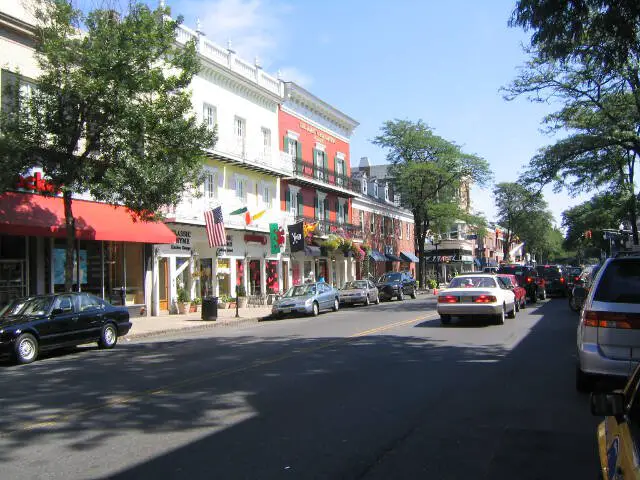
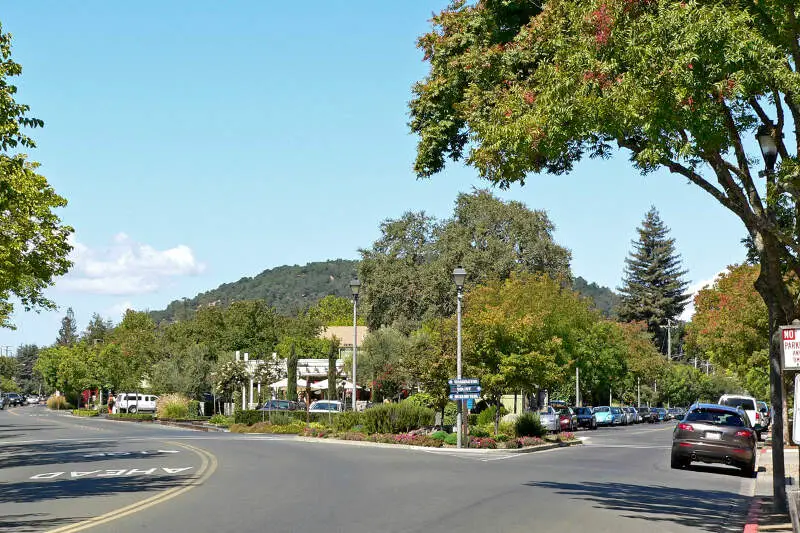
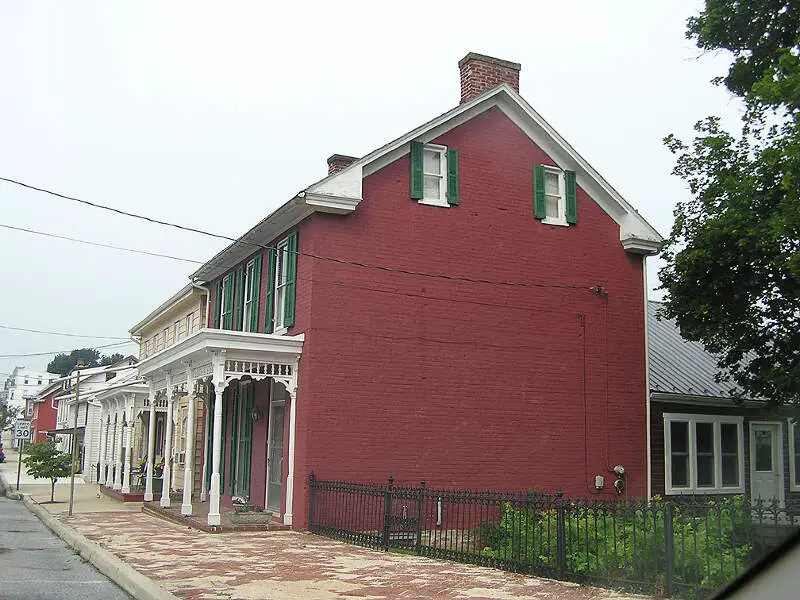
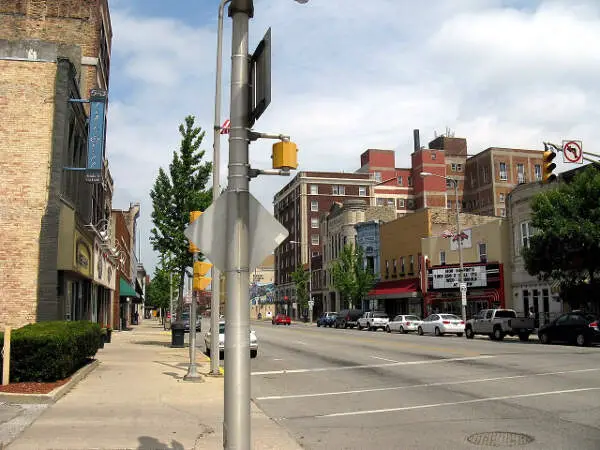
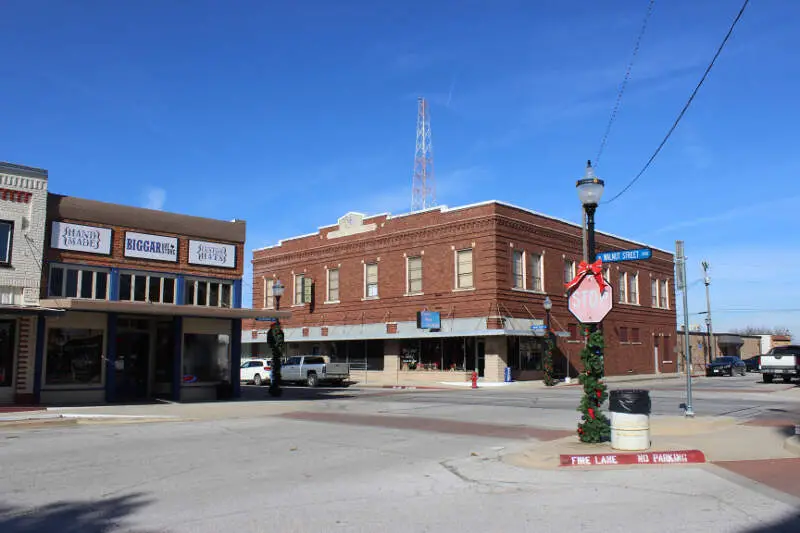
St. Petersburg vs. Tampa in photos
A side-by-side look at each city.

Cost of living
St. Petersburg is the cheaper city overall — 2% higher in Tampa than its rival. Index baseline: 100 = national average.
| Living expense | St. Petersburg | Tampa | US average |
|---|---|---|---|
| Overall | 114 | 116 | 100 |
| Services | 103 | 107 | 100 |
| Groceries | 109 | 105 | 100 |
| Health | 125 | 134 | 100 |
| Housing | 109 | 105 | 100 |
| Transportation | 114 | 113 | 100 |
| Utilities | 110 | 104 | 100 |
Lower index = cheaper. 100 = U.S. national average. Bar inside each cell scales relative to the highest value in the table.
Sources: HomeSnacks Cost of Living indices, normalized so 100 = U.S. national average. Drill in: St. Petersburg cost of living, Tampa cost of living, or the cheapest cities in America.
Housing breakdown
Home prices are higher in Tampa. Compare absolute price and price-to-income — a $500k home in a $100k-income city is very different from one in a $50k-income city.
| Metric | St. Petersburg | Tampa | United States |
|---|---|---|---|
| Median Home Value | $347,963 | $374,888 | $332,700 |
| Median Rent | $1,663 | $1,701 | $1,413 |
| Median Income | $75,192 | $75,475 | $80,734 |
| Home Value To Income | 4.6x | 5.0x | 4.1x |
| Rent To Monthly Income | 0.27x | 0.27x | 0.21x |
Source: U.S. Census Bureau ACS 2020-2024. See also states with the highest rent in America.
Crime
Tampa is the safer city — total crime rate of 1,910 per 100k people vs 3,079 for St. Petersburg. US average: 2,119.
| Crime (per 100k) | St. Petersburg | Tampa | US average |
|---|---|---|---|
| Total crime | 3,079 | 1,910 | 2,119 |
| Murder | 7 | 9 | 5 |
| Robbery | 82 | 59 | 61 |
| Aggravated Assault | 488 | 335 | 256 |
| Violent Crime | 620 | 445 | 359 |
| Burglary | 209 | 167 | 229 |
| Larceny | 2,030 | 1,155 | 1,272 |
| Car Theft | 220 | 143 | 259 |
| Property Crime | 2,459 | 1,465 | 1,760 |
Lower = safer. Bar inside each cell scales relative to the highest crime rate in the table.
Source: FBI Uniform Crime Reporting (2024). All rates are per 100,000 people. City pages: St. Petersburg crime, Tampa crime. See also: safest cities in America.
Diversity
Tampa is more racially diverse — lower HHI (closer to 0) means a more even mix across groups.
| Group | St. Petersburg | Tampa | United States |
|---|---|---|---|
| White | 62.7% | 44.3% | 57.4% |
| African American | 19.0% | 19.5% | 11.9% |
| American Indian | 0.1% | 0.1% | 0.5% |
| Asian | 3.6% | 4.7% | 5.9% |
| Hawaiian | 0.0% | 0.1% | 0.2% |
| Other | 0.7% | 0.7% | 0.6% |
| Two Or More | 4.3% | 4.4% | 4.3% |
| Hispanic | 9.6% | 26.2% | 19.3% |
Source: U.S. Census ACS 2020-2024. Lower HHI = more even racial mix. See also: most diverse cities in America.
SnackAbility — overall quality of life
St. Petersburg scores higher overall — 8/10 vs 6/10. SnackAbility is our 1–10 quality-of-life score; the median U.S. city scores a 7.
Scores are 0–10; both bars share the same scale.
SnackAbility is a HomeSnacks proprietary 1–10 score blending jobs, housing, education, commute, amenities, affordability, crime, and diversity. Median U.S. city ≈ 7. Data: Census, BLS, FBI. See also: best places to live in America.
Getting around: St. Petersburg vs. Tampa
How each city handles commuting, transit, walkability, and car culture — the day-to-day reality that shapes where you'd actually want to live.
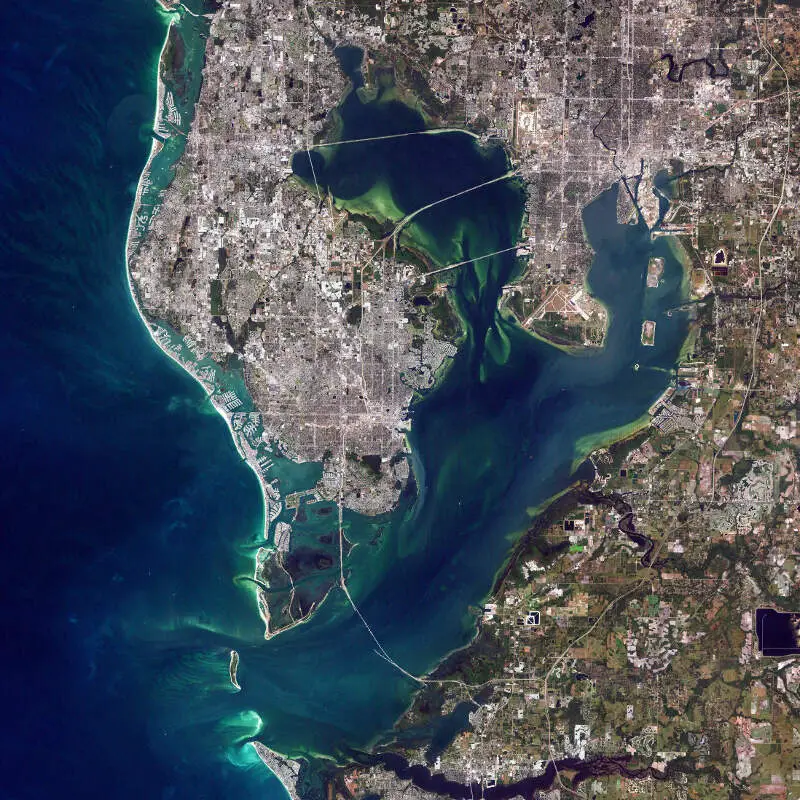
Both cities run on cars. The Howard Frankland Bridge (I-275) and the Gandy Bridge link St. Pete and Tampa across Tampa Bay, and most residents cross one or the other every day.
Within St. Pete, the PSTA's SunRunner BRT runs a rapid-bus corridor from downtown to St. Pete Beach, and the Pinellas Trail handles bike commutes across much of the peninsula.
Tampa's HART bus network is broader but still car-supplementary. The free TECO Line Streetcar loops through Ybor City and downtown, which is handy for nights out but not much help for getting to work.
If you work in downtown Tampa but want to live in St. Pete, budget for bridge time: that 20-mile hop can stretch well past 45 minutes at peak hours. The seasonal Cross Bay Ferry is a pleasant option when it runs, but it's not a daily commuter solution.
Jobs and careers in St. Petersburg vs. Tampa
The local job market, dominant industries, and which city to choose based on your career.
Tampa is the dominant regional job market, with a population of about 401,600 compared to St. Pete's roughly 262,700. Major employers cover finance (Raymond James Financial, USAA, Citigroup operations), healthcare (Tampa General Hospital, AdventHealth), and defense (MacDill Air Force Base). The University of South Florida anchors a growing research and biotech corridor.
Median household income in Tampa is $75,475, nearly identical to St. Pete's $75,192. Those near-matching numbers reflect how intertwined the two labor markets are.
St. Pete punches above its size in certain sectors. Duke Energy Florida is headquartered there, Johns Hopkins All Children's Hospital is a major medical employer, and the Edge District has a real cluster of tech startups and creative agencies.
If your field is finance, defense contracting, or large-scale healthcare, Tampa gives you more depth. If you want a smaller-city feel with a growing entrepreneurial scene, St. Pete competes well.
Weather and climate
What to expect day-to-day — sun, fog, heat, rain, and the seasonal extremes that shape the lifestyle.
Expect subtropical heat in both cities: summers in the low-to-mid 90s°F with humidity that makes it feel hotter. Afternoon thunderstorms roll in most days from June through September.
Winters are the payoff: highs in the low 70s, lows rarely touching 50°F, and stretches of clear weather that would be unusual further north.
Both cities share the same hurricane risk from June through November, so flood insurance and storm prep are practical realities regardless of which side of the bay you choose.
St. Pete's peninsular geography, jutting into Tampa Bay and bordered by the Gulf, gives it a slight edge in sunshine. It has historically logged more consecutive sunny days than almost anywhere in the country, which is why the Sunshine City nickname has stuck.
Tampa sits slightly inland and catches marginally more convective storm activity. The difference is modest day-to-day, but St. Pete's weather reputation is genuinely earned.
Culture, nightlife, and entertainment
Food, music, neighborhoods, and the city vibe that gives each place its personality.
Tampa's Ybor City is the region's nightlife anchor, a historic Cuban-immigrant neighborhood where brick-lined 7th Avenue fills with bars, live music, and late-night restaurants that stay open well past midnight.
The Straz Center for the Performing Arts hosts Broadway touring productions, the opera, and the symphony.
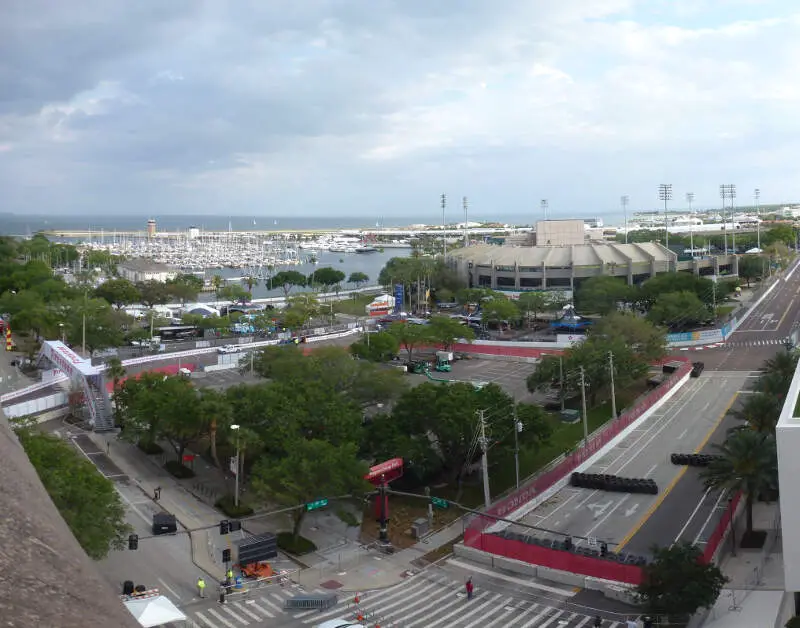
Sports fans can catch the NFL's Buccaneers, the NHL's Lightning, and MLB games at Tropicana Field just across the bay in St. Pete (until the Rays eventually get a new ballpark).
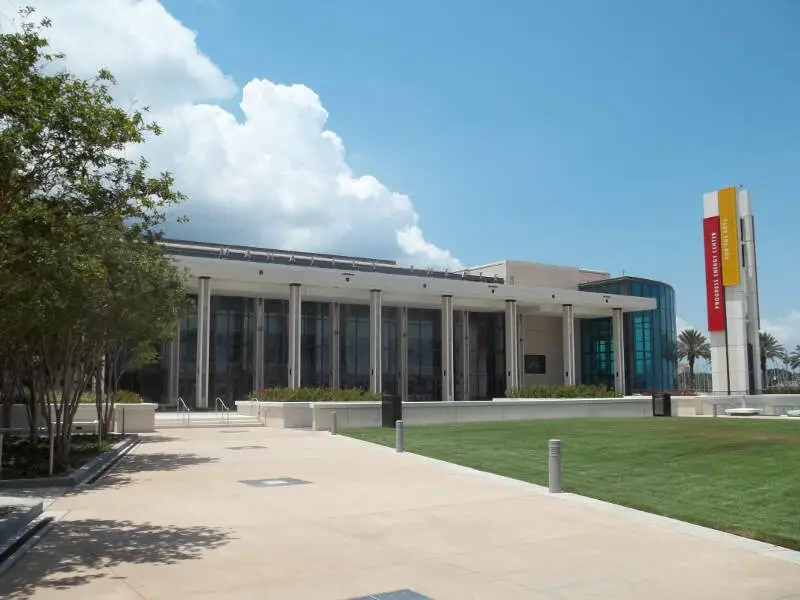
St. Pete has built its own cultural identity. The Salvador Dali Museum is a world-class institution, and the Museum of Fine Arts is a short walk away.
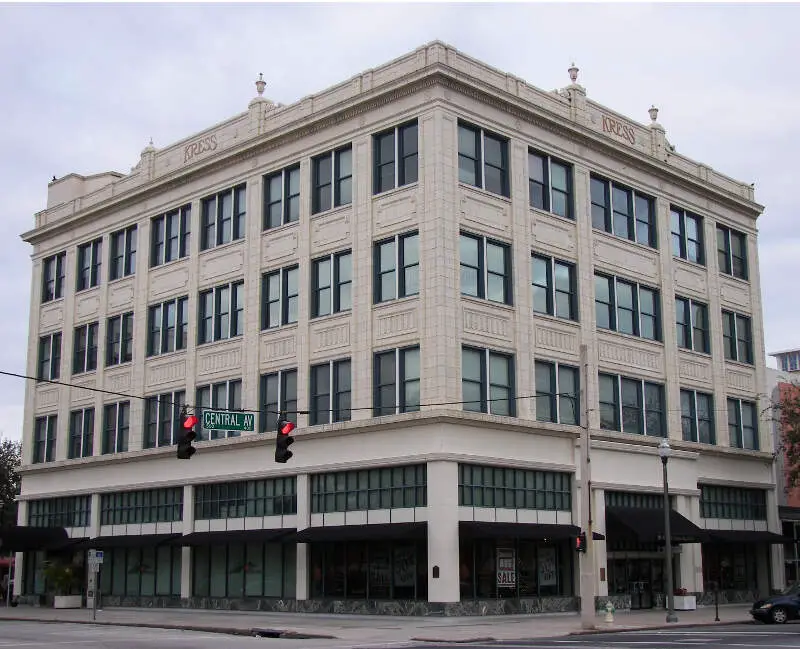
Central Avenue from downtown through the Grand Central District has independent galleries, craft cocktail bars, and weekend art walks. The Saturday Morning Market runs through spring and draws a loyal crowd.
St. Pete's scene is walkable and a bit more low-key than Ybor, which is a real difference in vibe worth weighing.
Outdoor activities and day trips
Parks, beaches, hikes, and the weekend escapes that define life outside the city limits.
St. Pete is the stronger pick for water-and-beach recreation. Fort De Soto Park, at the southern tip of Pinellas County, consistently lands on national best-beach lists: 1,136 acres of trails, a dog beach, kayak launches, and camping.
St. Pete Beach and Treasure Island are a short drive west, and the 38-mile Pinellas Trail connects the peninsula by bike.
Weedon Island Preserve offers quiet paddling through mangrove tunnels a few miles from downtown.
Tampa's outdoor scene leans toward freshwater and greenspace. The Hillsborough River runs through the city, and Lettuce Lake Regional Park is a reliable spot for kayaking and wildlife spotting.
The Riverwalk is a 2.6-mile waterfront path connecting downtown to Armature Works, and it's the city's best recreational corridor.
Day trips are roughly equal from both cities: Clearwater Beach and Caladesi Island State Park are under an hour from either downtown, making the Gulf accessible no matter which side of the bay you land on.
Bottom line: which city is right for you?
Based on the head-to-head data above, here's the short version — pick the city that lines up with what you actually care about.
Choose St. Petersburg if you prioritize…
- a lower cost of living (cheaper groceries, services, and day-to-day expenses).
- a higher overall SnackAbility quality-of-life score.
Choose Tampa if you prioritize…
- lower crime — a safer place to live, work, and raise a family.
- more affordable housing relative to St. Petersburg.
- a more racially diverse community (lower HHI on Census data).
Methodology: winners are picked from public data — U.S. Census Bureau ACS (income, home value, rent, race/HHI), FBI Uniform Crime Reporting (crime rates per 100k), and HomeSnacks' proprietary SnackAbility quality-of-life score, which blends Bureau of Labor Statistics data with the above.
Other comparisons
Still weighing your options? See how these two cities stack up against other places we've compared head-to-head.