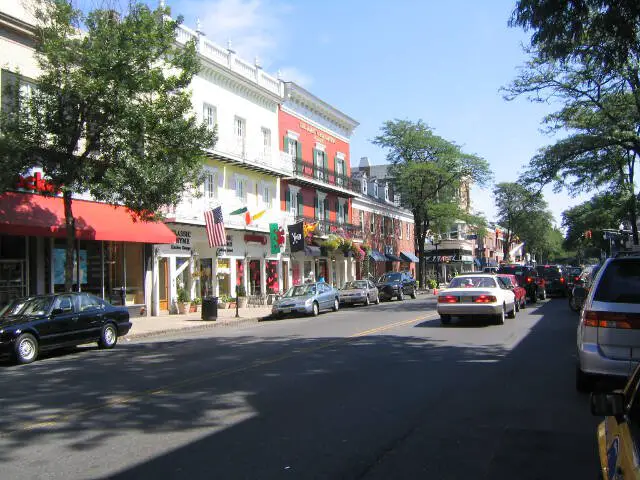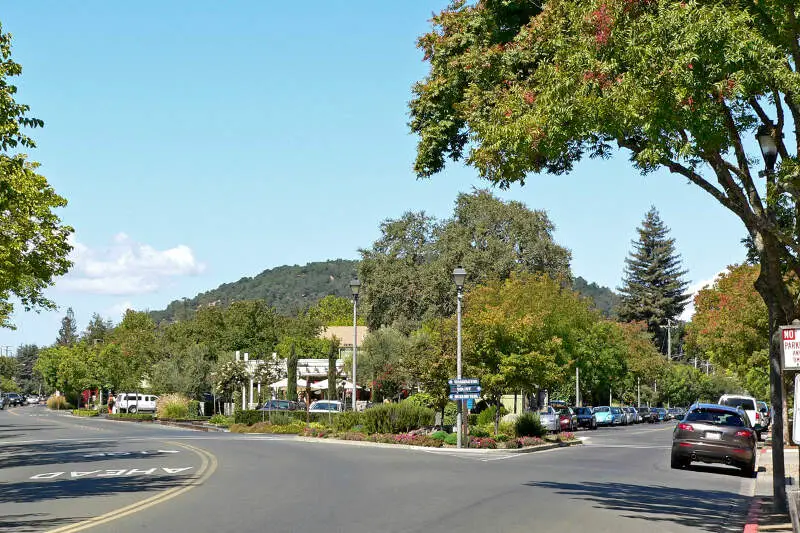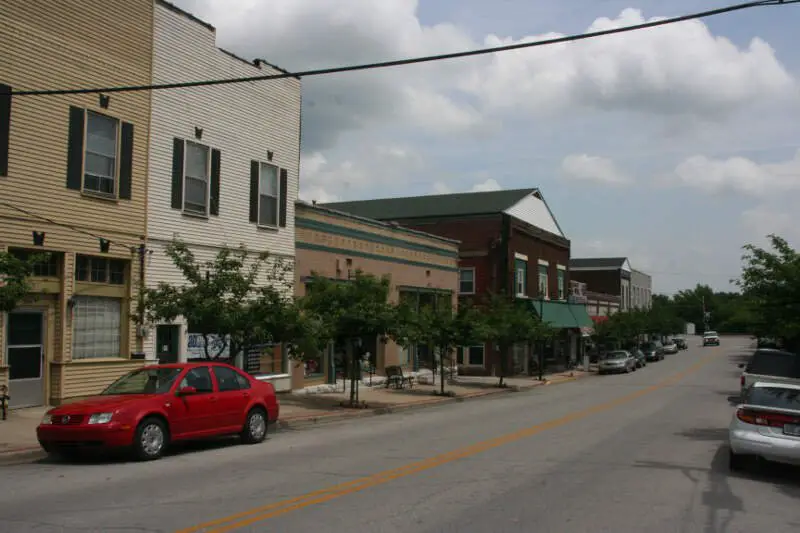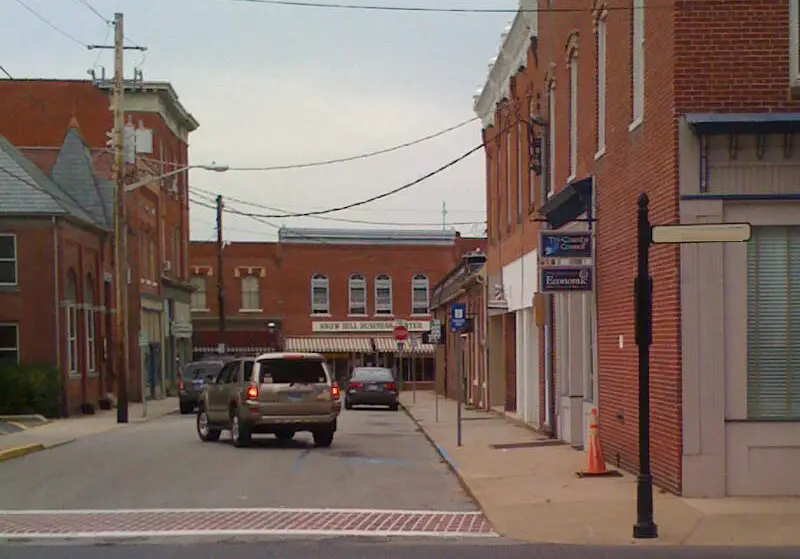
Houston vs. Tampa in photos
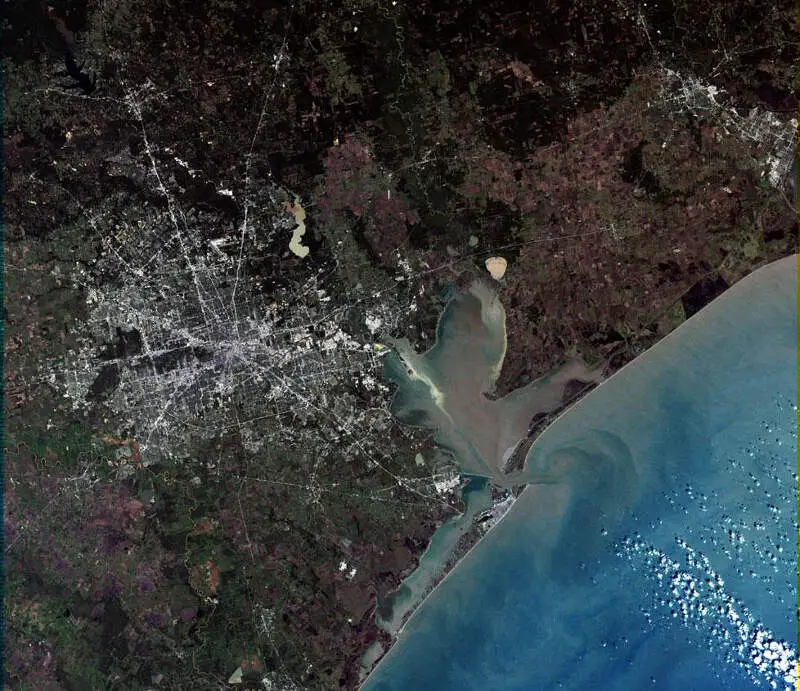
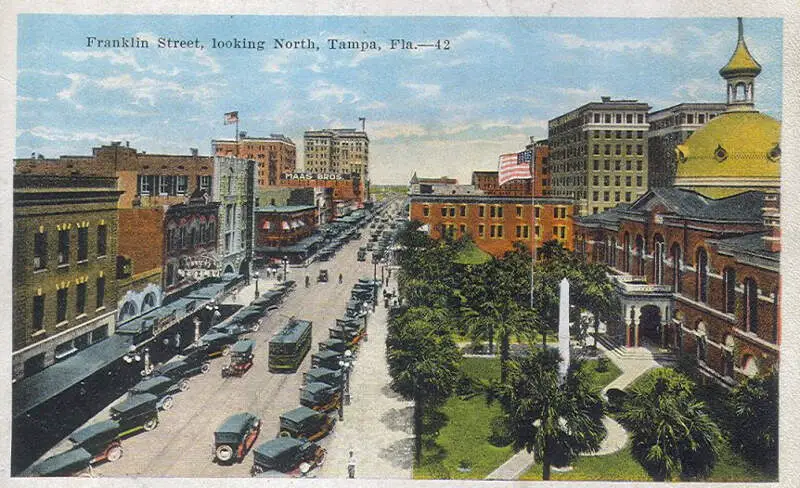
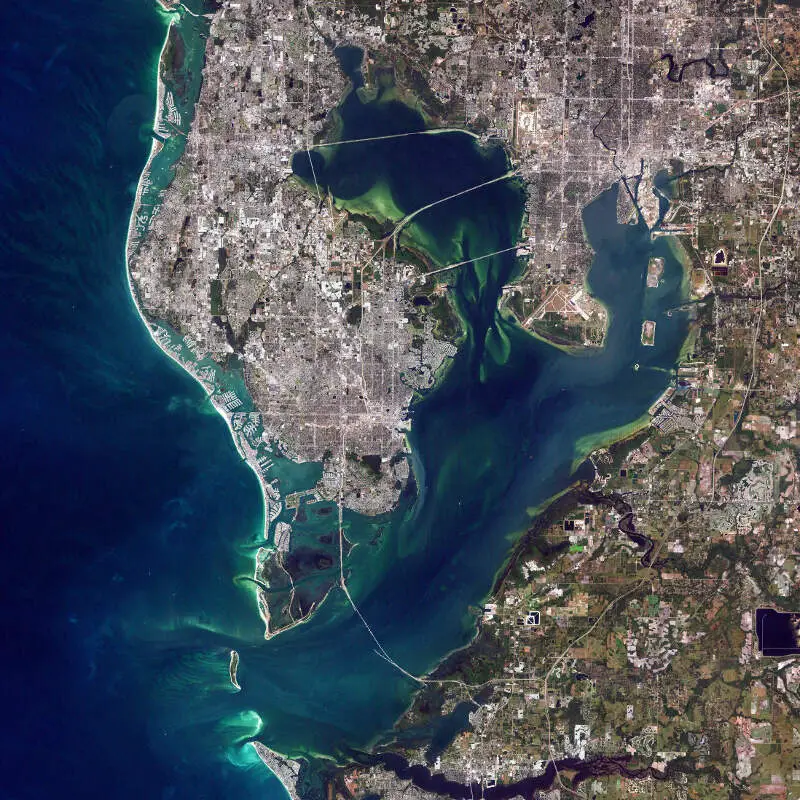
A side-by-side look at each city.


Cost of living
Houston is the cheaper city overall — 10% higher in Tampa than its rival. Index baseline: 100 = national average.
| Living expense | Houston | Tampa | US average |
|---|---|---|---|
| Overall | 104 | 116 | 100 |
| Services | 104 | 107 | 100 |
| Groceries | 98 | 105 | 100 |
| Health | 106 | 134 | 100 |
| Housing | 102 | 105 | 100 |
| Transportation | 104 | 113 | 100 |
| Utilities | 98 | 104 | 100 |
Lower index = cheaper. 100 = U.S. national average. Bar inside each cell scales relative to the highest value in the table.
Sources: HomeSnacks Cost of Living indices, normalized so 100 = U.S. national average. Drill in: Houston cost of living, Tampa cost of living, or the cheapest cities in America.
Housing breakdown
Home prices are higher in Tampa. Compare absolute price and price-to-income — a $500k home in a $100k-income city is very different from one in a $50k-income city.
| Metric | Houston | Tampa | United States |
|---|---|---|---|
| Median Home Value | $264,336 | $374,888 | $332,700 |
| Median Rent | $1,361 | $1,701 | $1,413 |
| Median Income | $64,813 | $75,475 | $80,734 |
| Home Value To Income | 4.1x | 5.0x | 4.1x |
| Rent To Monthly Income | 0.25x | 0.27x | 0.21x |
Source: U.S. Census Bureau ACS 2020-2024. See also states with the highest rent in America.
Crime
Tampa is the safer city — total crime rate of 1,910 per 100k people vs 5,442 for Houston. US average: 2,119.
| Crime (per 100k) | Houston | Tampa | US average |
|---|---|---|---|
| Total crime | 5,442 | 1,910 | 2,119 |
| Murder | 14 | 9 | 5 |
| Robbery | 274 | 59 | 61 |
| Aggravated Assault | 787 | 335 | 256 |
| Violent Crime | 1,148 | 445 | 359 |
| Burglary | 645 | 167 | 229 |
| Larceny | 2,946 | 1,155 | 1,272 |
| Car Theft | 703 | 143 | 259 |
| Property Crime | 4,293 | 1,465 | 1,760 |
Lower = safer. Bar inside each cell scales relative to the highest crime rate in the table.
Source: FBI Uniform Crime Reporting (2024). All rates are per 100,000 people. City pages: Houston crime, Tampa crime. See also: safest cities in America.
Diversity
Houston is more racially diverse — lower HHI (closer to 0) means a more even mix across groups.
| Group | Houston | Tampa | United States |
|---|---|---|---|
| White | 23.2% | 44.3% | 57.4% |
| African American | 22.3% | 19.5% | 11.9% |
| American Indian | 0.1% | 0.1% | 0.5% |
| Asian | 6.9% | 4.7% | 5.9% |
| Hawaiian | 0.1% | 0.1% | 0.2% |
| Other | 0.4% | 0.7% | 0.6% |
| Two Or More | 2.8% | 4.4% | 4.3% |
| Hispanic | 44.2% | 26.2% | 19.3% |
Source: U.S. Census ACS 2020-2024. Lower HHI = more even racial mix. See also: most diverse cities in America.
SnackAbility — overall quality of life
Tampa scores higher overall — 6/10 vs 4/10. SnackAbility is our 1–10 quality-of-life score; the median U.S. city scores a 7.
Scores are 0–10; both bars share the same scale.
SnackAbility is a HomeSnacks proprietary 1–10 score blending jobs, housing, education, commute, amenities, affordability, crime, and diversity. Median U.S. city ≈ 7. Data: Census, BLS, FBI. See also: best places to live in America.
Getting around: Houston vs. Tampa
How each city handles commuting, transit, walkability, and car culture — the day-to-day reality that shapes where you'd actually want to live.
Both Houston and Tampa are built for the car, but Houston's scale makes that dependency much more pronounced. Sprawling across roughly 670 square miles, it means real freeway time: the I-10 Katy corridor and I-45 toward Galveston are infamous for gridlock. METRORail offers a light-rail spine through Midtown, the Museum District, and the Medical Center, but it covers a small fraction of the metro.
If you commute by car in Houston, plan for it.
Tampa is more compact, and the Selmon Crosstown Expressway and I-275 move traffic reasonably well outside peak hours. The HART bus network is sparse, and there's no commuter rail, so a car is still non-negotiable. Tampa's smaller footprint does mean shorter point-to-point distances, which takes some of the edge off driving-only life.
Jobs and careers in Houston vs. Tampa
The local job market, dominant industries, and which city to choose based on your career.
Houston's economy is anchored by energy: Shell, ExxonMobil, and Chevron Phillips Chemical all have major operations here. The Texas Medical Center, the largest medical complex in the world, employs well over 100,000 people and adds a second major pillar alongside the Port of Houston's logistics and trade. Median household income sits at $64,813, and the cost-of-living index of 104 keeps real purchasing power competitive.
Tampa's median household income of $75,475 looks stronger on paper, though a cost-of-living index of 116 erodes some of that advantage. The local economy leans on finance (Raymond James, Citigroup's operations center), healthcare (BayCare Health System, Moffitt Cancer Center), defense through MacDill Air Force Base, and a growing tech corridor downtown. Tampa's job market is diversified and expanding, but Houston's raw volume of openings across industries is simply larger.
Weather and climate
What to expect day-to-day — sun, fog, heat, rain, and the seasonal extremes that shape the lifestyle.
Houston sits deep in the Gulf Coast humidity belt, with summers running May through October and heat indices that regularly top 105°F. Afternoon thunderstorms are almost daily, and winters are mild (January averages around 54°F), though blue northers can drop temperatures 30 degrees in a few hours. Hurricane risk is real: catastrophic flooding events like Harvey in 2017 are part of life here.
Tampa is also subtropical and hurricane-exposed, sitting on a peninsula that makes it one of the higher-risk metros in Florida. Summers are hot and wet, though sea breezes from Tampa Bay take a slight edge off compared to inland Houston. Tampa's bigger draw is winter: January highs average around 71°F versus Houston's 54°F, and if mild, dry winters are your priority, Tampa has a clear edge, though neither city spares you from brutal summer humidity.
Culture, nightlife, and entertainment
Food, music, neighborhoods, and the city vibe that gives each place its personality.
Houston is one of the most culturally diverse cities in the country, and the food scene reflects it: Bellaire's Vietnamese corridor, the Mahatma Gandhi District for South Asian cuisine, and some of the best taquerias in the U.S. spread across the city. Montrose and Midtown anchor the arts, bars, and live music scene, while the Museum District groups the MFAH, the Menil Collection, and a dozen other institutions within walking distance. NRG Stadium and Minute Maid Park handle major-league sports.
Tampa's cultural heart is Ybor City, a historic Cuban cigar-manufacturing district turned nightlife neighborhood with a distinct character. SoHo, Hyde Park Village, Channelside, and the Riverwalk have all matured over the last decade into solid bar and restaurant options. The arts scene is smaller than Houston's, but the Tampa Museum of Art and the Straz Center for the Performing Arts are real anchors, and Bucs, Rays, and Lightning fandom runs deep.
Outdoor activities and day trips
Parks, beaches, hikes, and the weekend escapes that define life outside the city limits.
Houston's outdoor options aren't obvious, but they're there. Buffalo Bayou Park threads through the urban core with 160 acres of trails, and Hermann Park anchors the Museum District with a lake, Japanese garden, and McGovern Centennial Gardens. Galveston is about an hour south for the Gulf Coast, and Big Thicket National Preserve to the northeast offers cypress swamps and pine forests worth the drive.
Tampa's geography is its outdoor advantage: the bay and the Gulf are immediate, not an hour away. Clearwater Beach and St. Pete Beach rank among the best in the country and sit 30 to 45 minutes from downtown, and Hillsborough River State Park is a short drive north for kayaking and cypress-lined paddling. Bayshore Boulevard, a 4.5-mile waterfront path along Tampa Bay, is the city's most popular running and cycling route, and if easy beach and water access matters in your decision, Tampa wins.
Bottom line: which city is right for you?
Based on the head-to-head data above, here's the short version — pick the city that lines up with what you actually care about.
Choose Houston if you prioritize…
- a lower cost of living (cheaper groceries, services, and day-to-day expenses).
- a more racially diverse community (lower HHI on Census data).
Choose Tampa if you prioritize…
- lower crime — a safer place to live, work, and raise a family.
- more affordable housing relative to Houston.
- a higher overall SnackAbility quality-of-life score.
Methodology: winners are picked from public data — U.S. Census Bureau ACS (income, home value, rent, race/HHI), FBI Uniform Crime Reporting (crime rates per 100k), and HomeSnacks' proprietary SnackAbility quality-of-life score, which blends Bureau of Labor Statistics data with the above.
Other comparisons
Still weighing your options? See how these two cities stack up against other places we've compared head-to-head.