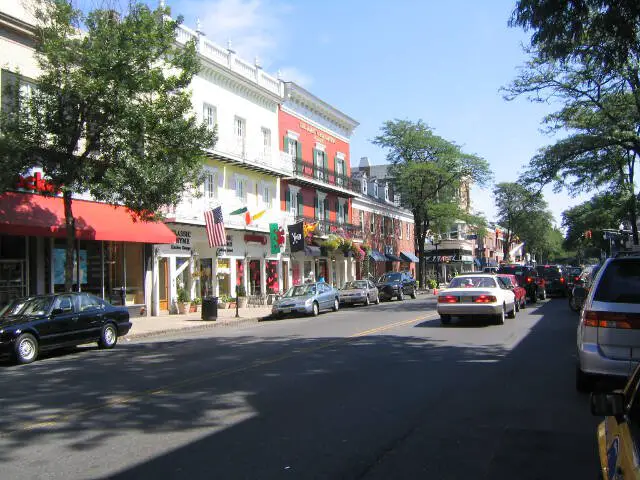
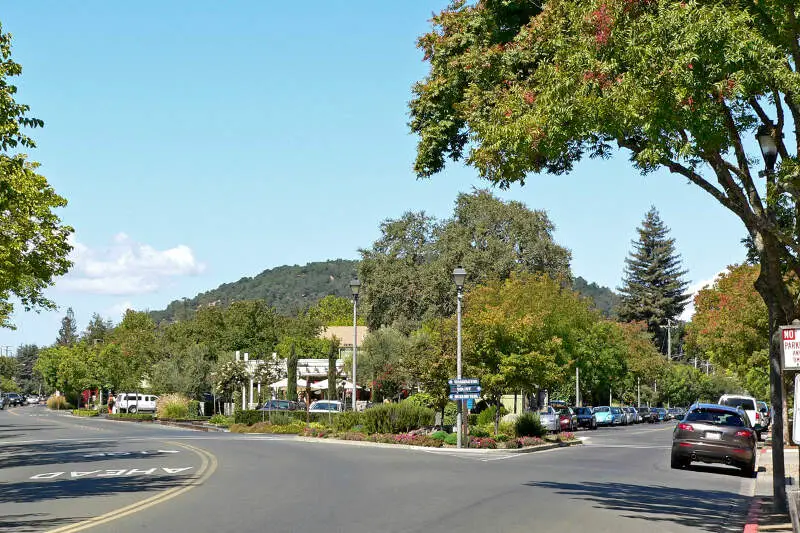
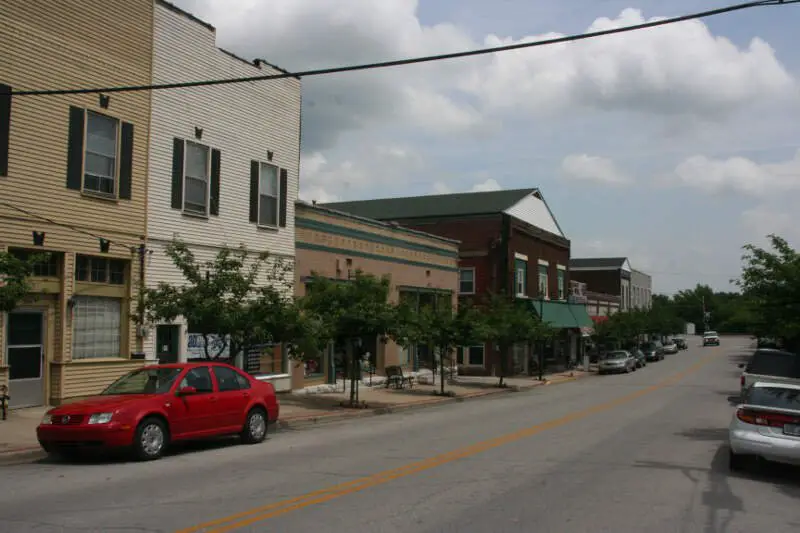
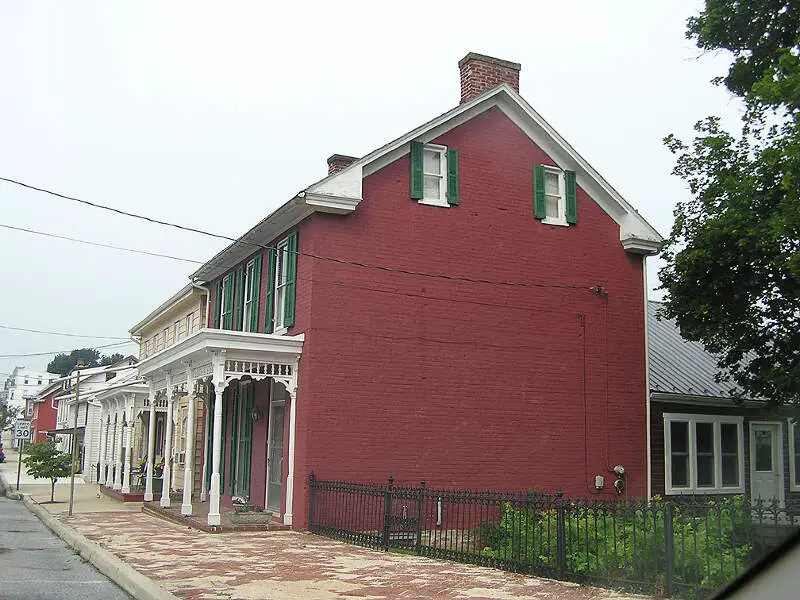
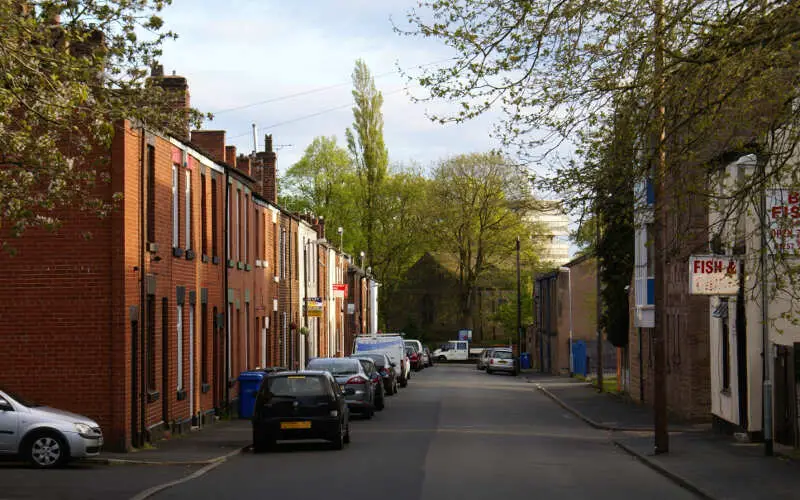
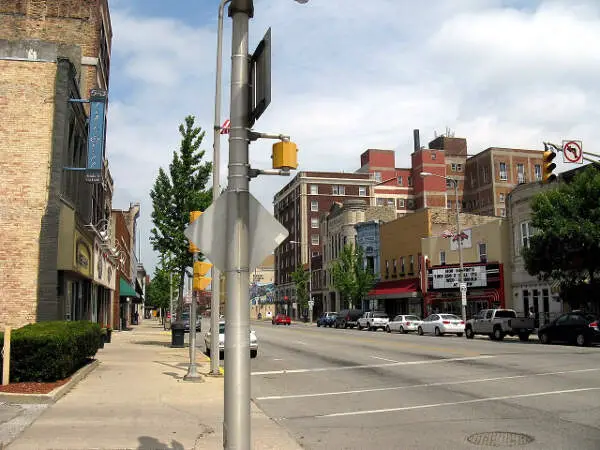
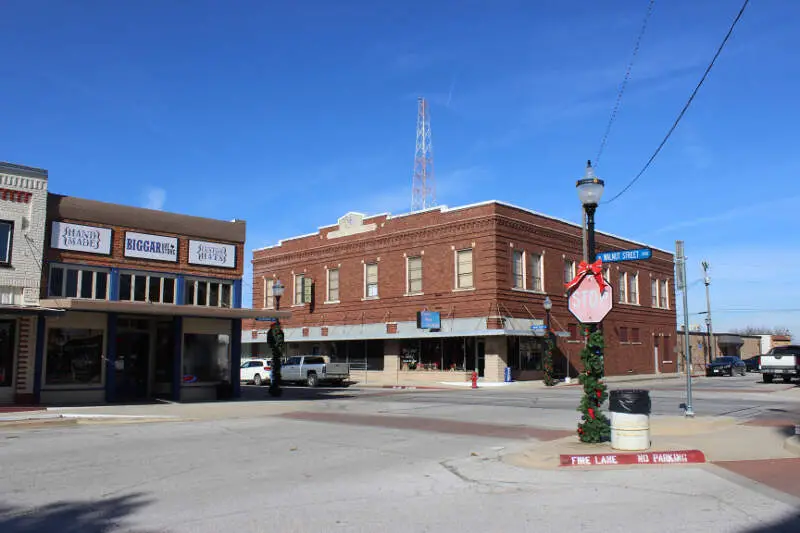
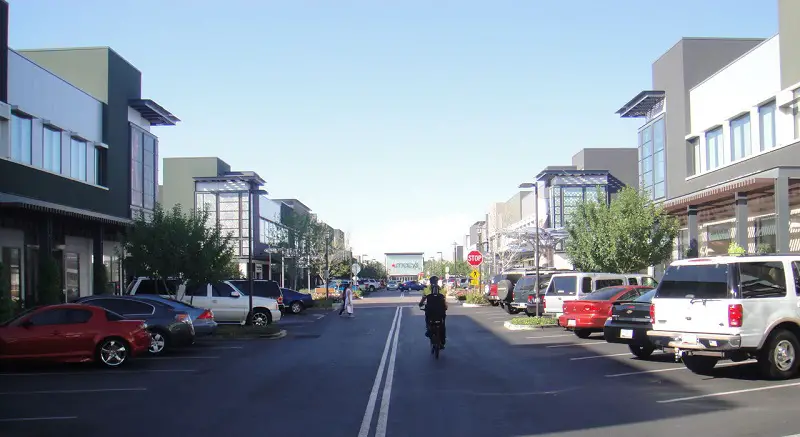
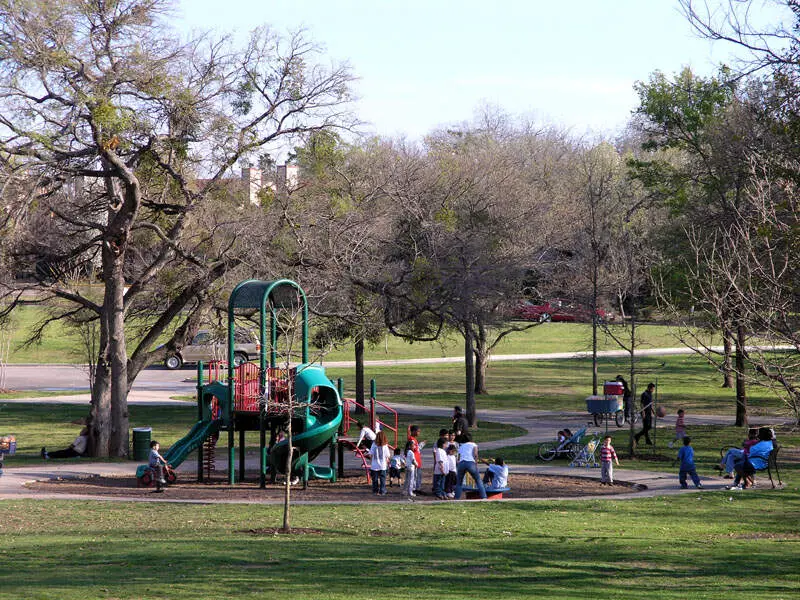
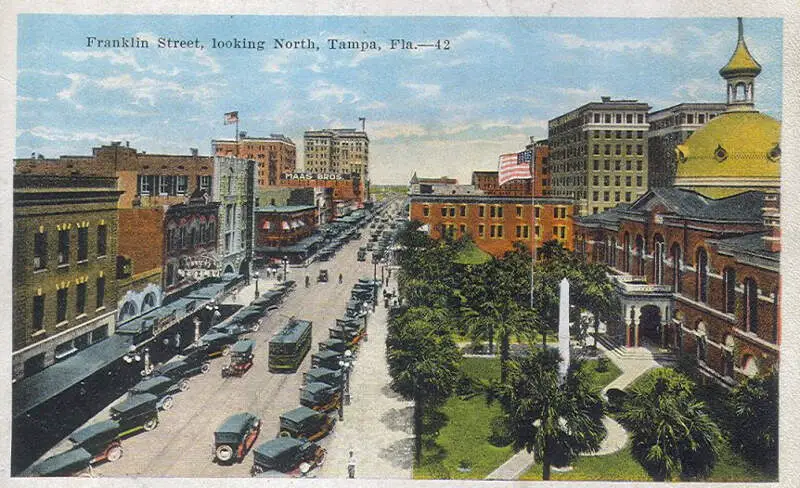
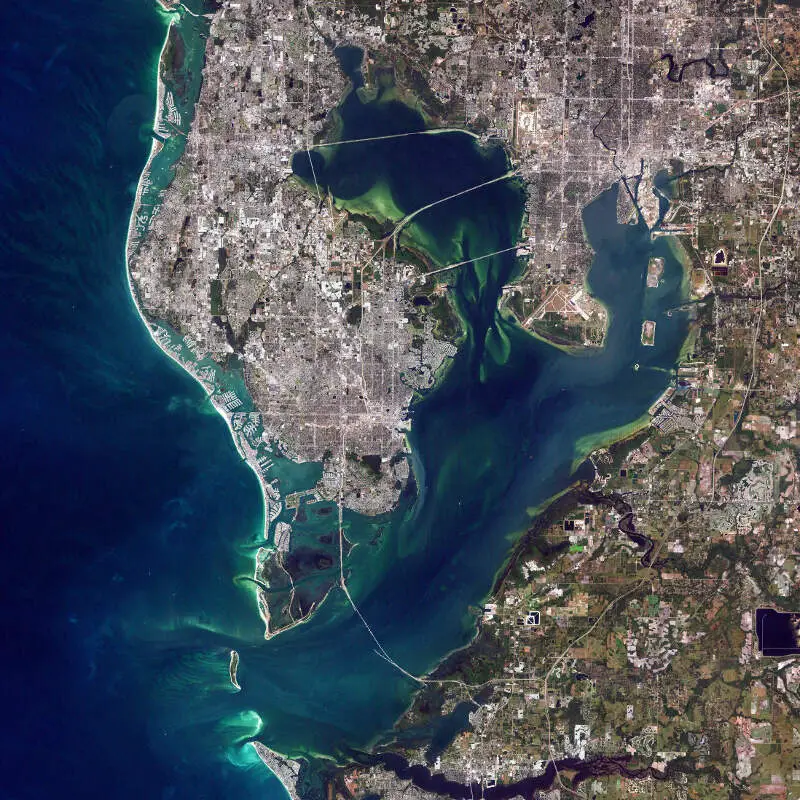
Dallas vs. Tampa in photos
A side-by-side look at each city.



Cost of living
Dallas is the cheaper city overall — 9% higher in Tampa than its rival. Index baseline: 100 = national average.
| Living expense | Dallas | Tampa | US average |
|---|---|---|---|
| Overall | 106 | 116 | 100 |
| Services | 102 | 107 | 100 |
| Groceries | 103 | 105 | 100 |
| Health | 115 | 134 | 100 |
| Housing | 106 | 105 | 100 |
| Transportation | 108 | 113 | 100 |
| Utilities | 104 | 104 | 100 |
Lower index = cheaper. 100 = U.S. national average. Bar inside each cell scales relative to the highest value in the table.
Sources: HomeSnacks Cost of Living indices, normalized so 100 = U.S. national average. Drill in: Dallas cost of living, Tampa cost of living, or the cheapest cities in America.
Housing breakdown
Home prices are higher in Tampa. Compare absolute price and price-to-income — a $500k home in a $100k-income city is very different from one in a $50k-income city.
| Metric | Dallas | Tampa | United States |
|---|---|---|---|
| Median Home Value | $309,420 | $374,888 | $332,700 |
| Median Rent | $1,472 | $1,701 | $1,413 |
| Median Income | $70,518 | $75,475 | $80,734 |
| Home Value To Income | 4.4x | 5.0x | 4.1x |
| Rent To Monthly Income | 0.25x | 0.27x | 0.21x |
Source: U.S. Census Bureau ACS 2020-2024. See also states with the highest rent in America.
Crime
Tampa is the safer city — total crime rate of 1,910 per 100k people vs 4,010 for Dallas. US average: 2,119.
| Crime (per 100k) | Dallas | Tampa | US average |
|---|---|---|---|
| Total crime | 4,010 | 1,910 | 2,119 |
| Murder | 14 | 9 | 5 |
| Robbery | 169 | 59 | 61 |
| Aggravated Assault | 440 | 335 | 256 |
| Violent Crime | 658 | 445 | 359 |
| Burglary | 464 | 167 | 229 |
| Larceny | 1,787 | 1,155 | 1,272 |
| Car Theft | 1,100 | 143 | 259 |
| Property Crime | 3,352 | 1,465 | 1,760 |
Lower = safer. Bar inside each cell scales relative to the highest crime rate in the table.
Source: FBI Uniform Crime Reporting (2024). All rates are per 100,000 people. City pages: Dallas crime, Tampa crime. See also: safest cities in America.
Diversity
Tampa is more racially diverse — lower HHI (closer to 0) means a more even mix across groups.
| Group | Dallas | Tampa | United States |
|---|---|---|---|
| White | 27.6% | 44.3% | 57.4% |
| African American | 22.9% | 19.5% | 11.9% |
| American Indian | 0.2% | 0.1% | 0.5% |
| Asian | 3.8% | 4.7% | 5.9% |
| Hawaiian | 0.1% | 0.1% | 0.2% |
| Other | 0.3% | 0.7% | 0.6% |
| Two Or More | 2.6% | 4.4% | 4.3% |
| Hispanic | 42.6% | 26.2% | 19.3% |
Source: U.S. Census ACS 2020-2024. Lower HHI = more even racial mix. See also: most diverse cities in America.
SnackAbility — overall quality of life
Tampa scores higher overall — 6/10 vs 5/10. SnackAbility is our 1–10 quality-of-life score; the median U.S. city scores a 7.
Scores are 0–10; both bars share the same scale.
SnackAbility is a HomeSnacks proprietary 1–10 score blending jobs, housing, education, commute, amenities, affordability, crime, and diversity. Median U.S. city ≈ 7. Data: Census, BLS, FBI. See also: best places to live in America.
Getting around: Dallas vs. Tampa
How each city handles commuting, transit, walkability, and car culture — the day-to-day reality that shapes where you'd actually want to live.
Dallas runs on cars — DART's light rail covers major corridors from Plano down to the medical district, but if you live outside those lines, expect to drive. The freeway grid (I-35E, I-75, the LBJ, the Tollway) is expansive but regularly gridlocked during rush hour, and the city is simply too spread out for most commuters to avoid a vehicle entirely. Dallas/Fort Worth International and Love Field both sit within reasonable reach of most neighborhoods.
Tampa is equally car-dependent, though its footprint is more compact. Suburban commuters from Wesley Chapel or Brandon will drive, but HART bus routes and the free Tampa Streetcar connect downtown and Ybor City.
Tampa International is consistently ranked among the easiest large airports in the country to navigate. If you work downtown, the Riverwalk and surrounding street grid are genuinely walkable in a way that most of Dallas is not.
Jobs and careers in Dallas vs. Tampa
The local job market, dominant industries, and which city to choose based on your career.
Dallas punches hard on corporate headquarters. AT&T, Toyota North America, Southwest Airlines, and Goldman Sachs all call the metro home, along with a fast-growing fintech and tech corridor along the Tollway.
The median household income sits at $70,518, and the job market spans finance, logistics, tech, and healthcare, with major medical employers anchored near UT Southwestern. The broader DFW economy runs deep enough that layoffs in one sector rarely leave skilled workers stranded for long.
Tampa's economy is smaller but has been diversifying. Raymond James, Publix's regional offices, WellCare, and MacDill Air Force Base anchor the employment base in finance, healthcare, and defense. A growing tech and startup scene has taken hold in the Channel District and around USF.
Tampa's median household income of $75,475 edges out Dallas, though its higher cost of living index (116 vs. 106) means that gap shrinks in take-home purchasing power.
Weather and climate
What to expect day-to-day — sun, fog, heat, rain, and the seasonal extremes that shape the lifestyle.
Dallas summers are brutal in a dry, oven-like way — triple-digit temperatures run from June through September, and the flat terrain offers no relief. Winters are mostly mild, but ice storms hit hard enough to shut down infrastructure that cities farther north handle without blinking.
Spring brings severe thunderstorm and tornado risk along the I-35 corridor. If you don't love heat, budget heavily for air conditioning from May through October.
Tampa's heat is a different animal — subtropical humidity makes summer highs in the high 80s and low 90s feel considerably hotter than the thermometer suggests. Afternoon thunderstorms roll in almost daily from June through September, and Tampa Bay sits squarely in hurricane country.
The winters are genuinely pleasant: January highs hover around 70°F, drawing snowbirds for good reason. If you want warm winters without Dallas's ice-storm roulette, Tampa delivers, as long as you're prepared for storm season.
Culture, nightlife, and entertainment
Food, music, neighborhoods, and the city vibe that gives each place its personality.
Dallas has a real arts infrastructure. The Dallas Arts District is the largest contiguous urban arts district in the country, with the Dallas Museum of Art, the Nasher Sculpture Center, and the Meyerson Symphony Center all within walking distance.
Deep Ellum is the live music hub, with independent venues running blues, hip-hop, and indie rock most nights. Uptown and the Bishop Arts District cover upscale dining and neighborhood cocktail bars. AT&T Stadium in Arlington hosts concerts and events at stadium scale year-round.
Tampa's cultural scene is more concentrated. Ybor City, the historic cigar-manufacturing district, remains the nightlife core — brick streets, late-night bars, and a gritty energy distinct from anything in Dallas.
The Tampa Riverwalk connects the Florida Aquarium, Amalie Arena, and a string of waterfront restaurants in a stretch you can walk end to end. The craft beer scene has grown substantially, and the Straz Center draws touring Broadway productions. Tampa is smaller, but its scene feels less spread out.
Outdoor activities and day trips
Parks, beaches, hikes, and the weekend escapes that define life outside the city limits.
Dallas is landlocked and largely flat, which means outdoor recreation requires some creativity. White Rock Lake and the Trinity River Greenbelt offer cycling and running within city limits, and Klyde Warren Park in Uptown gets steady use as an urban green space.
For bigger escapes, Palo Duro Canyon is a long day trip west, and Lake Texoma to the north draws boaters and anglers. The park system is improving, but hikers and water-sports enthusiasts will feel the geographic constraints.
Tampa has a decisive edge if water access matters to you. Clearwater Beach and St. Pete Beach — among the top-rated Gulf Coast beaches in national rankings — are 30 to 45 minutes away. Fort De Soto Park has camping and kayaking right in the bay.
The Hillsborough River runs through the city itself, with Hillsborough River State Park a short drive north. If your outdoor life involves paddling, fishing, or sand, Tampa puts those options within reach in a way Dallas simply cannot match.
Bottom line: which city is right for you?
Based on the head-to-head data above, here's the short version — pick the city that lines up with what you actually care about.
Choose Dallas if you prioritize…
- a lower cost of living (cheaper groceries, services, and day-to-day expenses).
Choose Tampa if you prioritize…
- lower crime — a safer place to live, work, and raise a family.
- more affordable housing relative to Dallas.
- a more racially diverse community (lower HHI on Census data).
- a higher overall SnackAbility quality-of-life score.
Methodology: winners are picked from public data — U.S. Census Bureau ACS (income, home value, rent, race/HHI), FBI Uniform Crime Reporting (crime rates per 100k), and HomeSnacks' proprietary SnackAbility quality-of-life score, which blends Bureau of Labor Statistics data with the above.
Other comparisons
Still weighing your options? See how these two cities stack up against other places we've compared head-to-head.