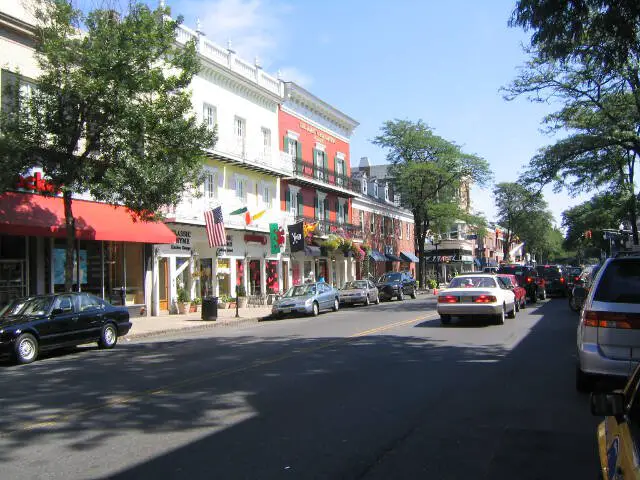
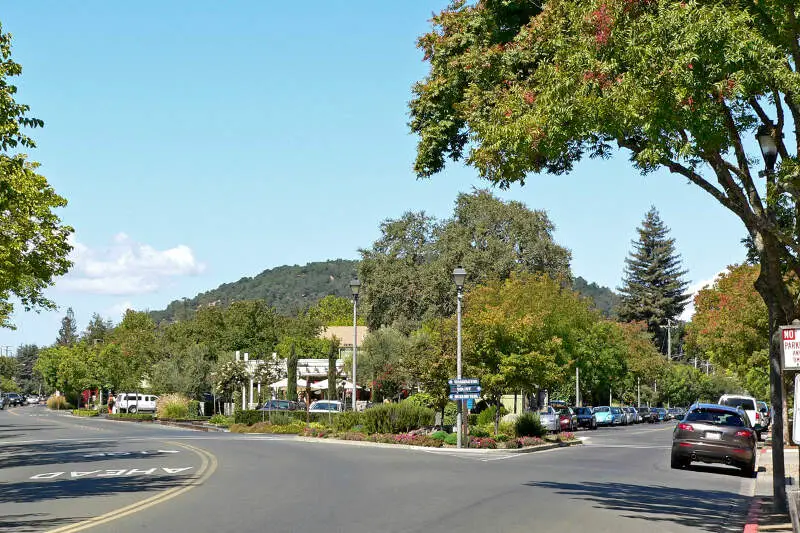
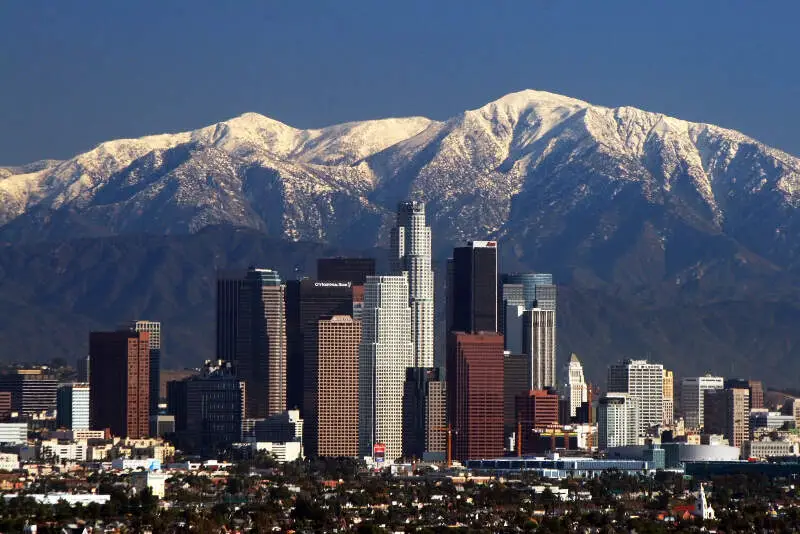
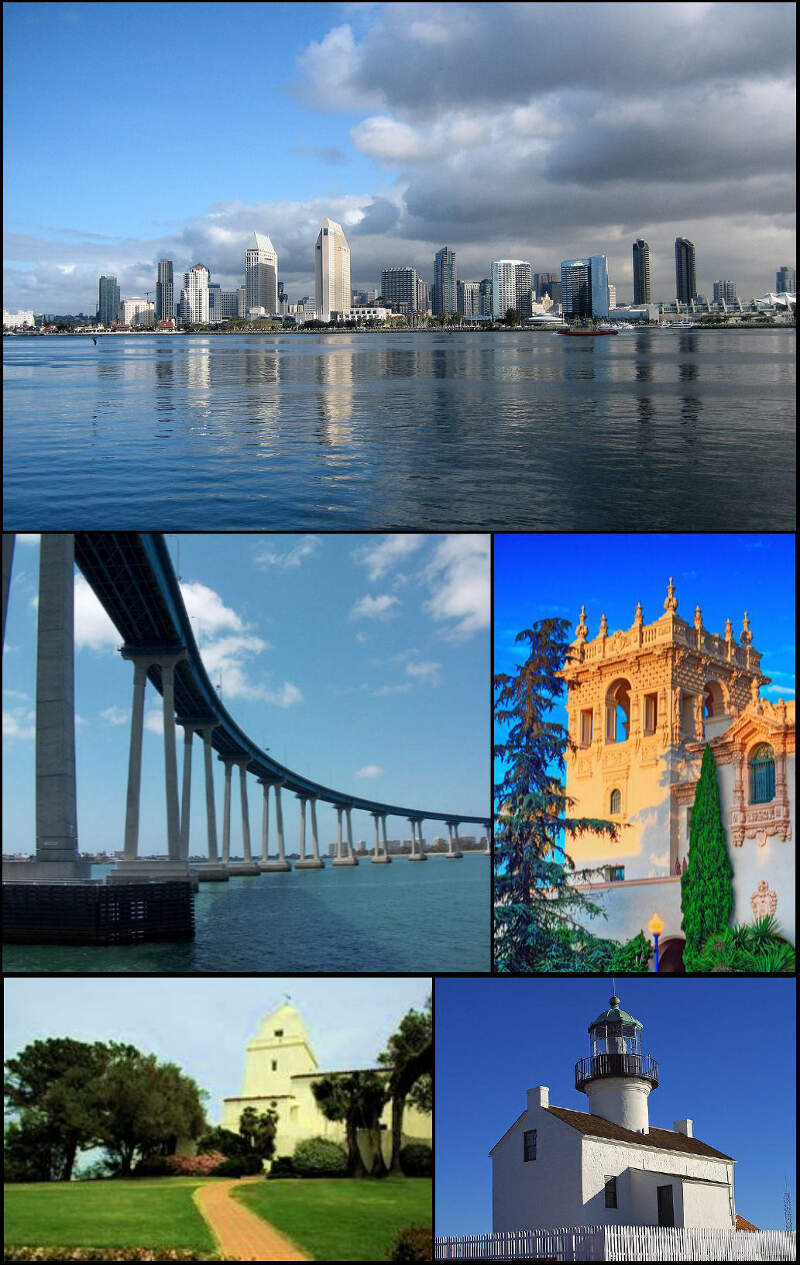
Los Angeles vs. San Diego in photos
A side-by-side look at each city.




Cost of living
San Diego is the cheaper city overall — 2% higher in Los Angeles than its rival. Index baseline: 100 = national average.
| Living expense | Los Angeles | San Diego | US average |
|---|---|---|---|
| Overall | 179 | 175 | 100 |
| Services | 117 | 121 | 100 |
| Groceries | 123 | 121 | 100 |
| Health | 309 | 296 | 100 |
| Housing | 128 | 127 | 100 |
| Transportation | 128 | 131 | 100 |
| Utilities | 134 | 135 | 100 |
Lower index = cheaper. 100 = U.S. national average. Bar inside each cell scales relative to the highest value in the table.
Sources: HomeSnacks Cost of Living indices, normalized so 100 = U.S. national average. Drill in: Los Angeles cost of living, San Diego cost of living, or the cheapest cities in America.
Housing breakdown
Home prices are higher in Los Angeles. Compare absolute price and price-to-income — a $500k home in a $100k-income city is very different from one in a $50k-income city.
| Metric | Los Angeles | San Diego | United States |
|---|---|---|---|
| Median Home Value | $952,183 | $1,001,264 | $332,700 |
| Median Rent | $1,933 | $2,313 | $1,413 |
| Median Income | $81,939 | $108,077 | $80,734 |
| Home Value To Income | 11.6x | 9.3x | 4.1x |
| Rent To Monthly Income | 0.28x | 0.26x | 0.21x |
Source: U.S. Census Bureau ACS 2020-2024. See also states with the highest rent in America.
Crime
San Diego is the safer city — total crime rate of 2,082 per 100k people vs 2,212 for Los Angeles. US average: 2,119.
| Crime (per 100k) | Los Angeles | San Diego | US average |
|---|---|---|---|
| Total crime | 2,212 | 2,082 | 2,119 |
| Murder | 7 | 3 | 5 |
| Robbery | 210 | 77 | 61 |
| Aggravated Assault | 471 | 311 | 256 |
| Violent Crime | 728 | 412 | 359 |
| Burglary | 373 | 187 | 229 |
| Larceny | 852 | 1,087 | 1,272 |
| Car Theft | 260 | 396 | 259 |
| Property Crime | 1,484 | 1,670 | 1,760 |
Lower = safer. Bar inside each cell scales relative to the highest crime rate in the table.
Source: FBI Uniform Crime Reporting (2024). All rates are per 100,000 people. City pages: Los Angeles crime, San Diego crime. See also: safest cities in America.
Diversity
San Diego is more racially diverse — lower HHI (closer to 0) means a more even mix across groups.
| Group | Los Angeles | San Diego | United States |
|---|---|---|---|
| White | 28.1% | 40.9% | 57.4% |
| African American | 8.1% | 5.3% | 11.9% |
| American Indian | 0.1% | 0.2% | 0.5% |
| Asian | 11.9% | 17.3% | 5.9% |
| Hawaiian | 0.1% | 0.4% | 0.2% |
| Other | 0.7% | 0.7% | 0.6% |
| Two Or More | 3.8% | 5.5% | 4.3% |
| Hispanic | 47.2% | 29.8% | 19.3% |
Source: U.S. Census ACS 2020-2024. Lower HHI = more even racial mix. See also: most diverse cities in America.
SnackAbility — overall quality of life
San Diego scores higher overall — 8/10 vs 6/10. SnackAbility is our 1–10 quality-of-life score; the median U.S. city scores a 7.
Scores are 0–10; both bars share the same scale.
SnackAbility is a HomeSnacks proprietary 1–10 score blending jobs, housing, education, commute, amenities, affordability, crime, and diversity. Median U.S. city ≈ 7. Data: Census, BLS, FBI. See also: best places to live in America.
Getting around: Los Angeles vs. San Diego
How each city handles commuting, transit, walkability, and car culture — the day-to-day reality that shapes where you'd actually want to live.
Getting around Los Angeles almost always means a car. The 405, 10, and 101 freeways are infamous for stop-and-go commutes, and even with Metro Rail lines connecting Downtown, Hollywood, and the Westside, most residents drive by necessity.
If you work in a transit corridor, say from Koreatown to downtown, the Purple or Red Line can spare you some misery, but the network still has significant gaps.
San Diego is also car-dependent, but the scale works in your favor. The MTS Trolley covers major corridors including Old Town, Mission Valley, and the border, and you're rarely sitting in traffic for two hours just to cross town.
If you commute by car, San Diego's surface streets and freeways move noticeably better than LA's. For cyclists, both cities have invested in lanes, though San Diego's flatter coastal terrain makes two-wheel commuting more practical day-to-day.
Jobs and careers in Los Angeles vs. San Diego
The local job market, dominant industries, and which city to choose based on your career.
Los Angeles is one of the largest job markets in the country. Entertainment and media dominate, with studios in Burbank and Culver City, plus aerospace along the South Bay and logistics tied to the Port of LA. A growing tech scene has taken hold in Silicon Beach around Playa Vista and Santa Monica.
The tradeoff is a median household income of $81,939 stretched against a cost of living index of 179.
San Diego punches above its size on income. At $108,077 median household income, it's driven largely by the biotech and life sciences sector around Torrey Pines Mesa, home to Illumina, Pfizer's local campus, and dozens of startups. A large military presence anchored by Naval Base San Diego and a solid tourism economy round out the picture.
If you're in life sciences or defense contracting, San Diego offers good career options with less competition than LA's talent-dense market.
Weather and climate
What to expect day-to-day — sun, fog, heat, rain, and the seasonal extremes that shape the lifestyle.
Both cities share a Mediterranean climate, but San Diego earns its "America's Finest City" nickname largely on weather consistency. Expect highs in the mid-60s to low 70s most of the year along the coast, with summer rarely cracking 80°F near the water and winters that barely dip below 50°F.
Los Angeles is more variable than people expect. The coastal neighborhoods of Santa Monica and Pacific Palisades enjoy a similar mild marine climate, but head inland to the San Fernando Valley or the Inland Empire and summer highs routinely push 100°F. The marine layer, known locally as "June Gloom," blankets LA's Westside in morning fog through late spring.
Both cities are drought-prone with minimal rainfall, but if you want reliable, mild weather without much seasonal drama, San Diego edges ahead.
Culture, nightlife, and entertainment
Food, music, neighborhoods, and the city vibe that gives each place its personality.
Los Angeles is a world-class cultural city: the entertainment capital, but also home to the Getty Center, LACMA, and the Broad, with dining from Koreatown's BBQ row to the San Gabriel Valley's Chinese restaurant scene and nightlife anchored by Silver Lake, West Hollywood, and the Arts District. The scale alone means more concerts, more restaurant openings, more festivals.
San Diego has a tighter but distinctive scene. The Gaslamp Quarter handles late-night bars; North Park has become a solid food and indie bar corridor; Little Italy draws weekend brunchers; and Hillcrest anchors an established LGBTQ+ community.
San Diego leans more relaxed and outdoors-oriented than LA's hustle-focused social scene. If you want maximum variety and don't mind navigating a giant city, LA wins. If you prefer walkable neighborhoods with a laid-back pace, San Diego is the easier fit.
Outdoor activities and day trips
Parks, beaches, hikes, and the weekend escapes that define life outside the city limits.
San Diego's outdoor access is hard to beat. Balboa Park offers 1,200 acres of trails, gardens, and museums inside the city; Mission Trails Regional Park puts serious hiking within 20 minutes of most zip codes; and beaches from Pacific Beach to La Jolla Cove to Coronado range from surf breaks to calm snorkeling coves. Day trips to Anza-Borrego Desert State Park or the Julian apple orchards take under two hours.
Los Angeles has serious outdoor assets too. Griffith Park covers over 4,200 acres, the Santa Monica Mountains run right through the city, and beaches stretch from Malibu through Venice and Manhattan Beach. Joshua Tree National Park is a classic LA-area weekend trip, though most of LA's outdoor access means accepting real traffic.
On outdoor quality per square mile and ease of access, San Diego holds the advantage for the average weekend adventurer.
Bottom line: which city is right for you?
Based on the head-to-head data above, here's the short version — pick the city that lines up with what you actually care about.
Choose Los Angeles if you prioritize…
- more affordable housing relative to San Diego.
Choose San Diego if you prioritize…
- a lower cost of living (cheaper groceries, services, and day-to-day expenses).
- lower crime — a safer place to live, work, and raise a family.
- a more racially diverse community (lower HHI on Census data).
- a higher overall SnackAbility quality-of-life score.
Methodology: winners are picked from public data — U.S. Census Bureau ACS (income, home value, rent, race/HHI), FBI Uniform Crime Reporting (crime rates per 100k), and HomeSnacks' proprietary SnackAbility quality-of-life score, which blends Bureau of Labor Statistics data with the above.
Other comparisons
Still weighing your options? See how these two cities stack up against other places we've compared head-to-head.