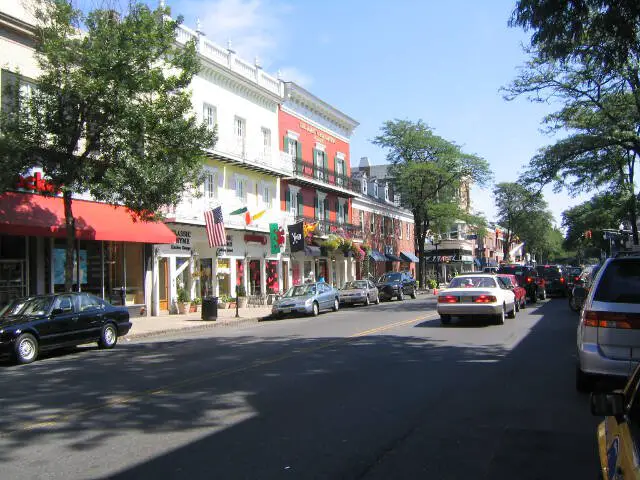
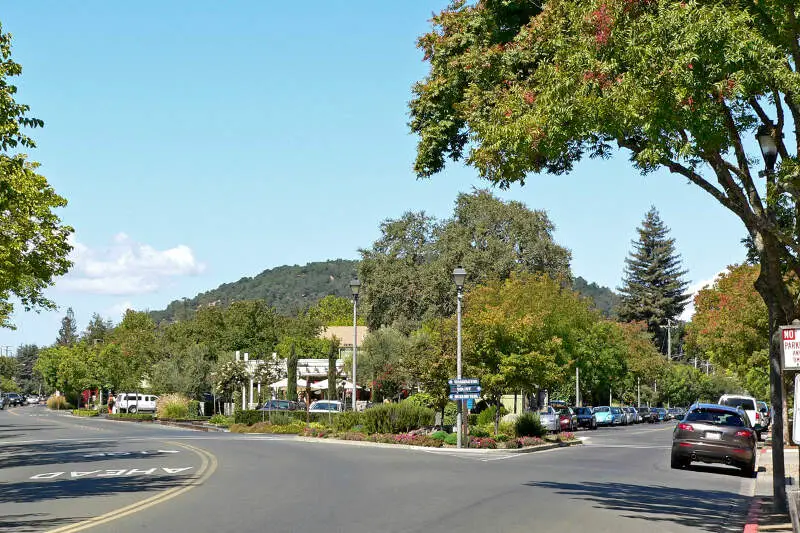
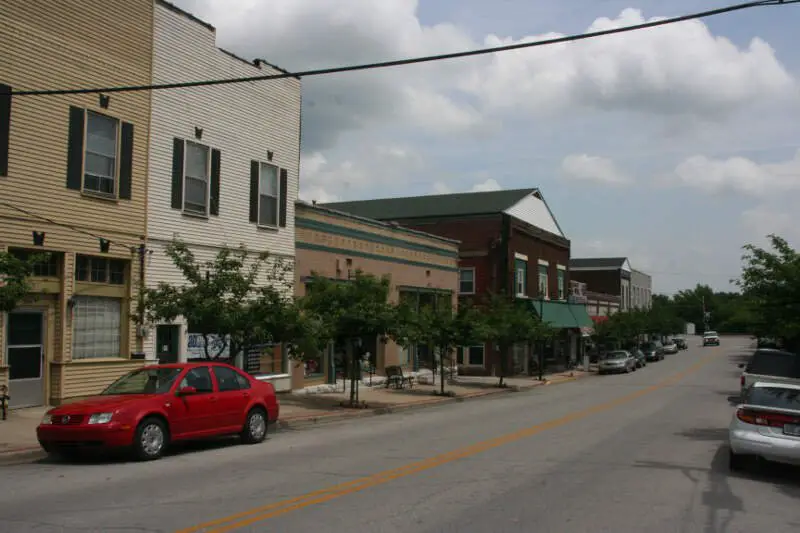
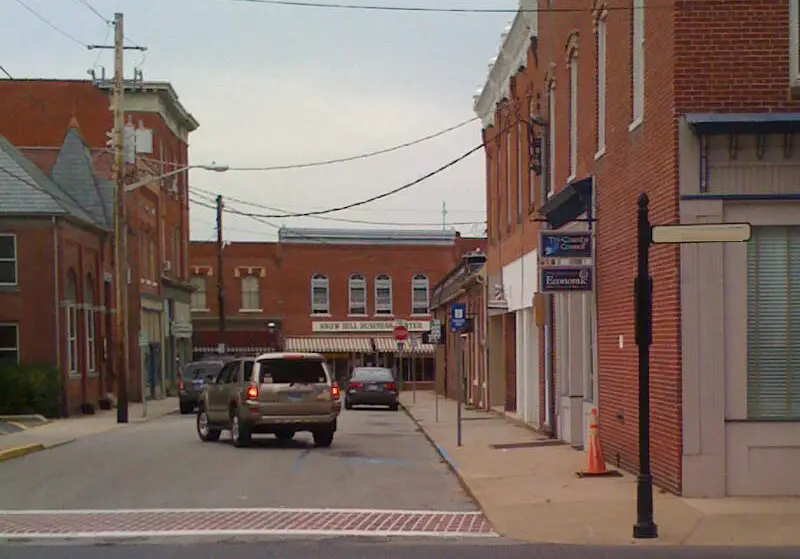
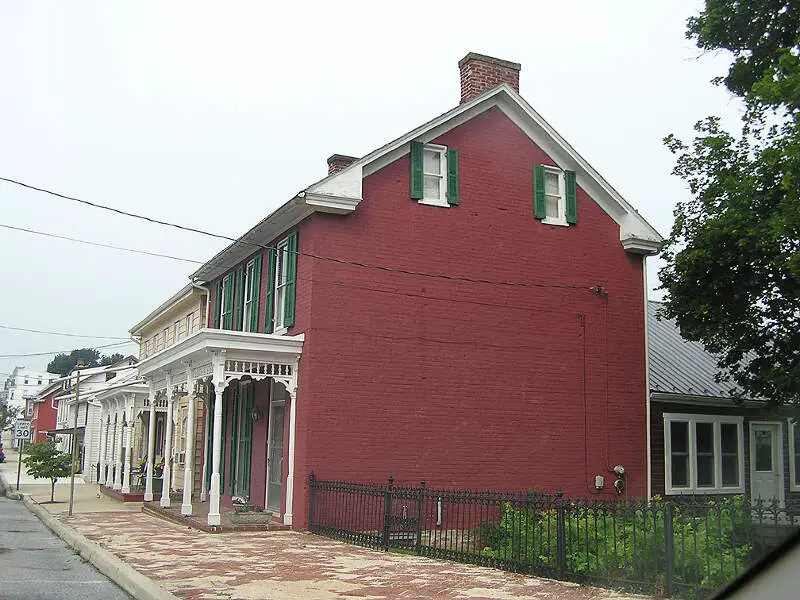
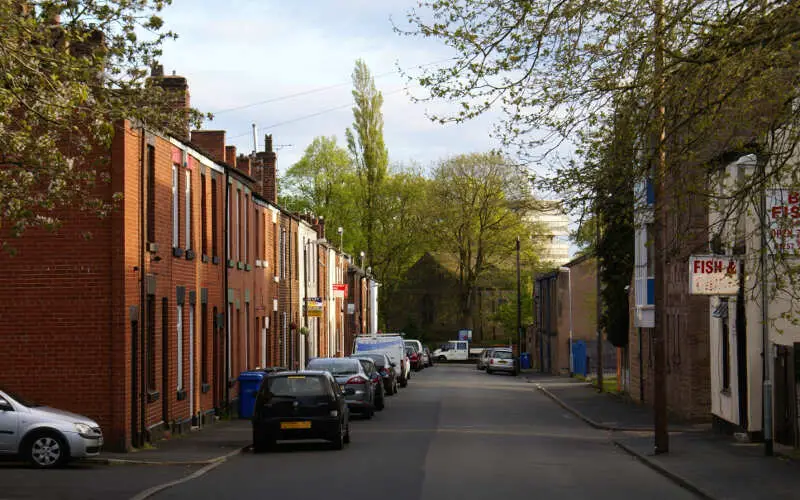
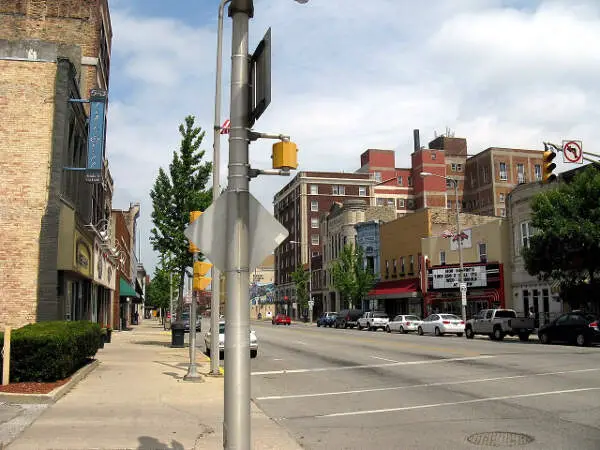
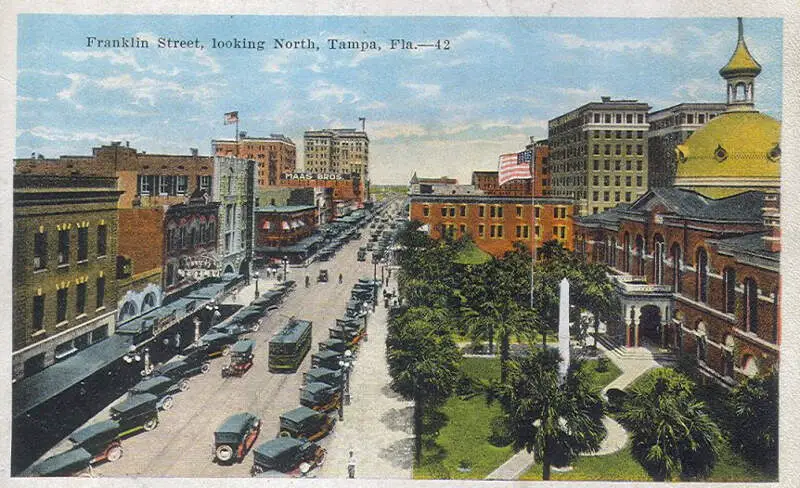
Oakland vs. Tampa in photos
A side-by-side look at each city.




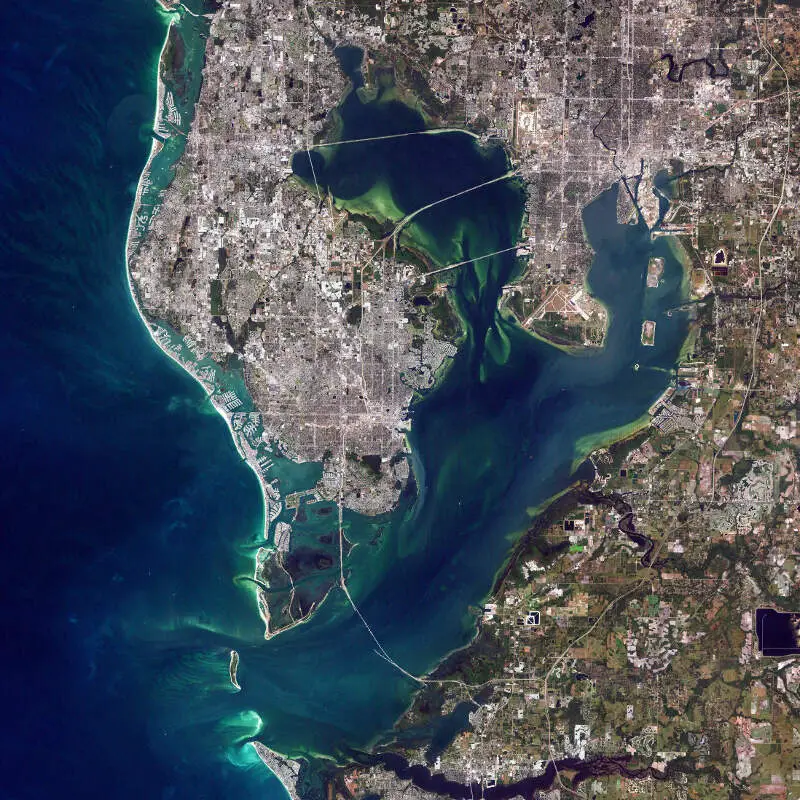
Cost of living
Tampa is the cheaper city overall — 64% higher in Oakland than its rival. Index baseline: 100 = national average.
| Living expense | Oakland | Tampa | US average |
|---|---|---|---|
| Overall | 190 | 116 | 100 |
| Services | 115 | 107 | 100 |
| Groceries | 121 | 105 | 100 |
| Health | 334 | 134 | 100 |
| Housing | 128 | 105 | 100 |
| Transportation | 124 | 113 | 100 |
| Utilities | 134 | 104 | 100 |
Lower index = cheaper. 100 = U.S. national average. Bar inside each cell scales relative to the highest value in the table.
Sources: HomeSnacks Cost of Living indices, normalized so 100 = U.S. national average. Drill in: Oakland cost of living, Tampa cost of living, or the cheapest cities in America.
Housing breakdown
Home prices are higher in Oakland. Compare absolute price and price-to-income — a $500k home in a $100k-income city is very different from one in a $50k-income city.
| Metric | Oakland | Tampa | United States |
|---|---|---|---|
| Median Home Value | $716,248 | $374,888 | $332,700 |
| Median Rent | $1,979 | $1,701 | $1,413 |
| Median Income | $101,600 | $75,475 | $80,734 |
| Home Value To Income | 7.0x | 5.0x | 4.1x |
| Rent To Monthly Income | 0.23x | 0.27x | 0.21x |
Source: U.S. Census Bureau ACS 2020-2024. See also states with the highest rent in America.
Crime
Tampa is the safer city — total crime rate of 1,910 per 100k people vs 9,156 for Oakland. US average: 2,119.
| Crime (per 100k) | Oakland | Tampa | US average |
|---|---|---|---|
| Total crime | 9,156 | 1,910 | 2,119 |
| Murder | 19 | 9 | 5 |
| Robbery | 680 | 59 | 61 |
| Aggravated Assault | 1,158 | 335 | 256 |
| Violent Crime | 1,925 | 445 | 359 |
| Burglary | 787 | 167 | 229 |
| Larceny | 4,165 | 1,155 | 1,272 |
| Car Theft | 2,279 | 143 | 259 |
| Property Crime | 7,230 | 1,465 | 1,760 |
Lower = safer. Bar inside each cell scales relative to the highest crime rate in the table.
Source: FBI Uniform Crime Reporting (2024). All rates are per 100,000 people. City pages: Oakland crime, Tampa crime. See also: safest cities in America.
Diversity
Oakland is more racially diverse — lower HHI (closer to 0) means a more even mix across groups.
| Group | Oakland | Tampa | United States |
|---|---|---|---|
| White | 27.8% | 44.3% | 57.4% |
| African American | 19.7% | 19.5% | 11.9% |
| American Indian | 0.3% | 0.1% | 0.5% |
| Asian | 15.7% | 4.7% | 5.9% |
| Hawaiian | 0.4% | 0.1% | 0.2% |
| Other | 0.9% | 0.7% | 0.6% |
| Two Or More | 6.6% | 4.4% | 4.3% |
| Hispanic | 28.7% | 26.2% | 19.3% |
Source: U.S. Census ACS 2020-2024. Lower HHI = more even racial mix. See also: most diverse cities in America.
SnackAbility — overall quality of life
Oakland scores higher overall — 7/10 vs 6/10. SnackAbility is our 1–10 quality-of-life score; the median U.S. city scores a 7.
Scores are 0–10; both bars share the same scale.
SnackAbility is a HomeSnacks proprietary 1–10 score blending jobs, housing, education, commute, amenities, affordability, crime, and diversity. Median U.S. city ≈ 7. Data: Census, BLS, FBI. See also: best places to live in America.
Getting around: Oakland vs. Tampa
How each city handles commuting, transit, walkability, and car culture — the day-to-day reality that shapes where you'd actually want to live.
Oakland is at the center of the Bay Area's transit network, which gives you real options if you'd rather not drive. BART connects you to San Francisco in under 30 minutes, and AC Transit covers local bus routes across the city. Walkable neighborhoods like Temescal, Grand Lake, and Uptown mean many residents can handle daily errands without a car.
Bay Bridge traffic is a legitimate daily stressor if you do commute by car, so the transit options genuinely matter.
Tampa runs on cars. The HART bus system exists, and the TECO Line Streetcar runs a short loop through downtown and Ybor City, but driving is essentially required for most residents. The Selmon Expressway and I-275 are your daily companions, and if you're relocating from a transit-heavy city, budget for higher transportation costs and plan for an adjustment period.
Jobs and careers in Oakland vs. Tampa
The local job market, dominant industries, and which city to choose based on your career.
Oakland's median household income of $101,600 comes with access to one of the world's top tech economies. You don't have to work in San Francisco: Kaiser Permanente (headquartered in Oakland), Clorox, and the Port of Oakland all hire locally, and BART puts the full Bay Area job market within reach. Healthcare, logistics, and creative industries are well represented.
Tampa's median household income of $75,475 is lower, but the cost of living index of 116 versus Oakland's 190 means your dollar goes considerably further. Raymond James, USAA's regional operations, Citigroup's Tampa campus, and a cluster of financial-services and defense firms anchor the local economy. BayCare and AdventHealth lead a large healthcare sector, though high-paying tech roles remain more concentrated in Oakland and the broader Bay Area.
Weather and climate
What to expect day-to-day — sun, fog, heat, rain, and the seasonal extremes that shape the lifestyle.
Oakland has one of the most temperate climates in the continental United States. Summers are mild and dry (you'll rarely need air conditioning), though June and July can be foggier than you'd expect for California. Winters are gentle, with most rain falling between November and March.
The catch: Oakland's summer warmth can feel muted, and if you want beach weather you'll be driving.
Tampa's winters are legitimately warm and sunny, with daytime highs regularly in the low 70s. Summers are hot, humid, and hit with near-daily afternoon thunderstorms between June and September. Hurricane season runs June through November and is a real planning consideration.
If mild, dry air is your priority, Oakland wins; if you want warm winters and can handle summer humidity, Tampa delivers.
Culture, nightlife, and entertainment
Food, music, neighborhoods, and the city vibe that gives each place its personality.
Oakland outperforms its size on culture. The Uptown district is a dense arts and nightlife corridor: the Fox Theater hosts national touring acts, and the surrounding blocks have bars, live music venues, and independent restaurants. Fruitvale has one of the Bay Area's best concentrations of Mexican food and culture, and Oakland's Chinatown is a daily-use neighborhood, not a tourist attraction.
The city has a distinct identity, separate from and not overshadowed by San Francisco.
Ybor City is Tampa's most distinctive neighborhood, a historic Cuban and Spanish immigrant area that now has clubs, craft bars, and the occasional free-roaming chicken. Downtown's Riverwalk and Armature Works food hall have improved waterfront dining considerably. Tampa is also a serious sports town: the Buccaneers, Lightning, and Rays all play here, and game nights carry a genuine communal energy.
The nightlife skews younger and louder than Oakland's, with fewer experimental arts venues but strong restaurant growth.
Outdoor activities and day trips
Parks, beaches, hikes, and the weekend escapes that define life outside the city limits.
Oakland has strong outdoor access for a city its size. Lake Merritt is inside the city and good for flat walking and kayaking year-round. Ten minutes into the hills puts you in Redwood Regional Park, with old-growth redwood groves and miles of trail.
The East Bay Regional Parks system covers over 125,000 acres, from ridge hiking to reservoirs. Day trips to Point Reyes, Muir Woods, or Mount Tamalpais are under two hours.
Tampa's outdoors are built around water. The Hillsborough River runs through the city and is paddleable from within town, and Hillsborough River State Park has shaded trail hiking close to the urban core. The bigger draw is the Gulf: Clearwater Beach and Caladesi Island State Park are less than an hour away, and St. Pete's waterfront is even closer.
If saltwater, kayaking, and year-round beach access matter more to you than mountain trails and redwoods, Tampa has the edge.
Bottom line: which city is right for you?
Based on the head-to-head data above, here's the short version — pick the city that lines up with what you actually care about.
Choose Oakland if you prioritize…
- more affordable housing relative to Tampa.
- a more racially diverse community (lower HHI on Census data).
- a higher overall SnackAbility quality-of-life score.
Choose Tampa if you prioritize…
- a lower cost of living (cheaper groceries, services, and day-to-day expenses).
- lower crime — a safer place to live, work, and raise a family.
Methodology: winners are picked from public data — U.S. Census Bureau ACS (income, home value, rent, race/HHI), FBI Uniform Crime Reporting (crime rates per 100k), and HomeSnacks' proprietary SnackAbility quality-of-life score, which blends Bureau of Labor Statistics data with the above.
Other comparisons
Still weighing your options? See how these two cities stack up against other places we've compared head-to-head.