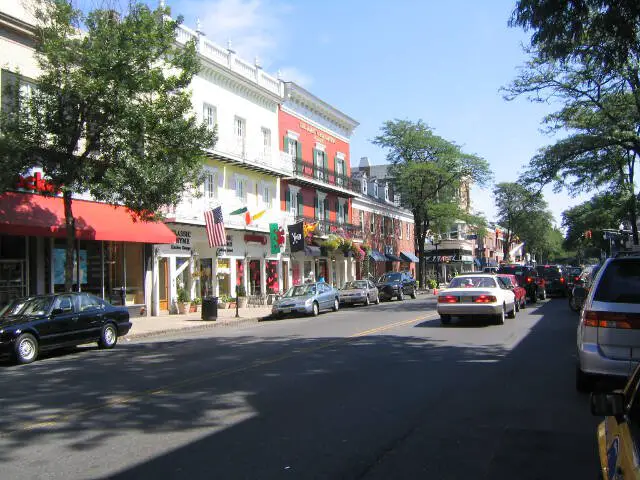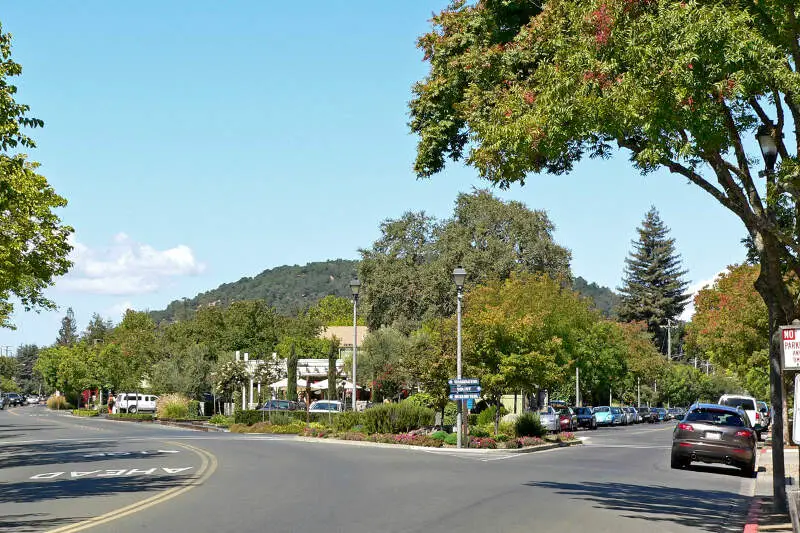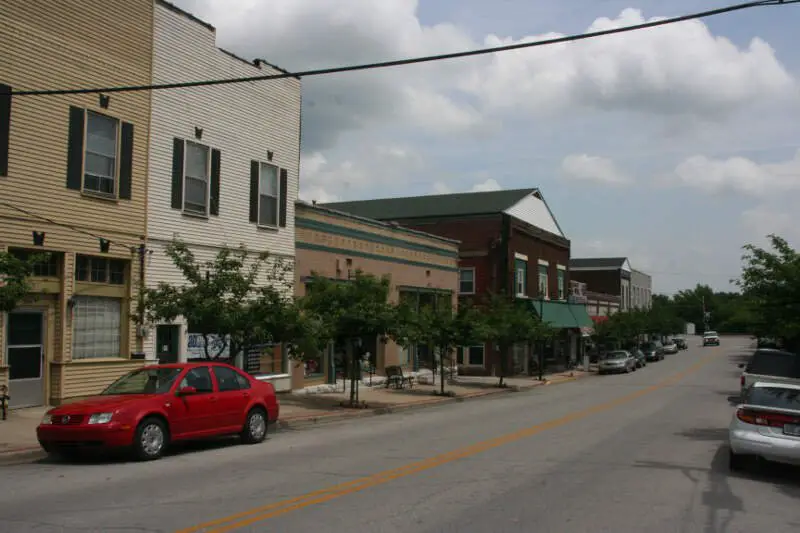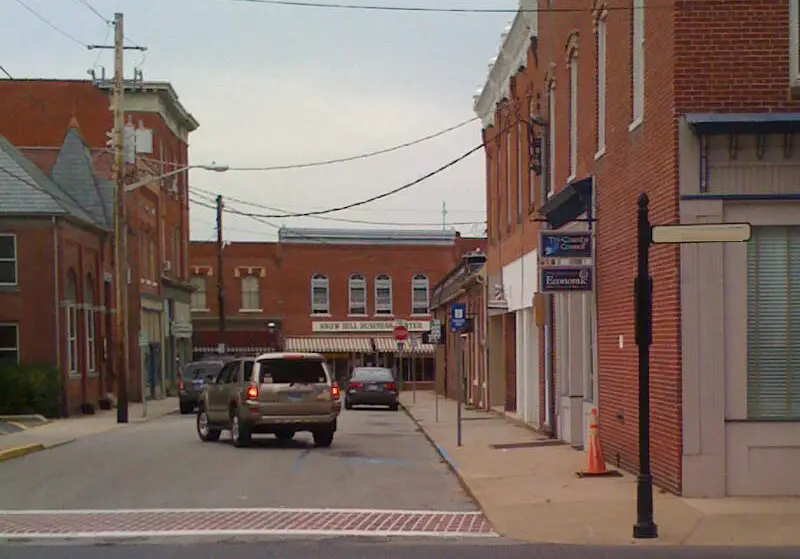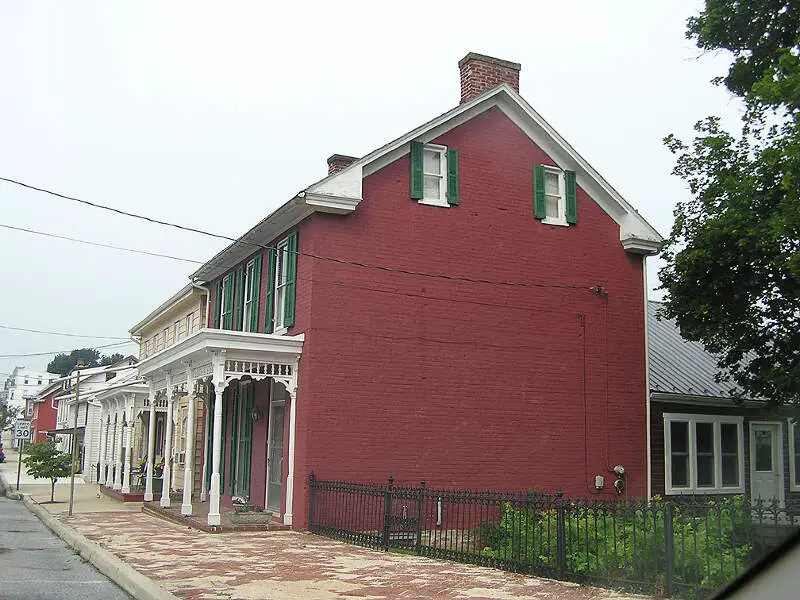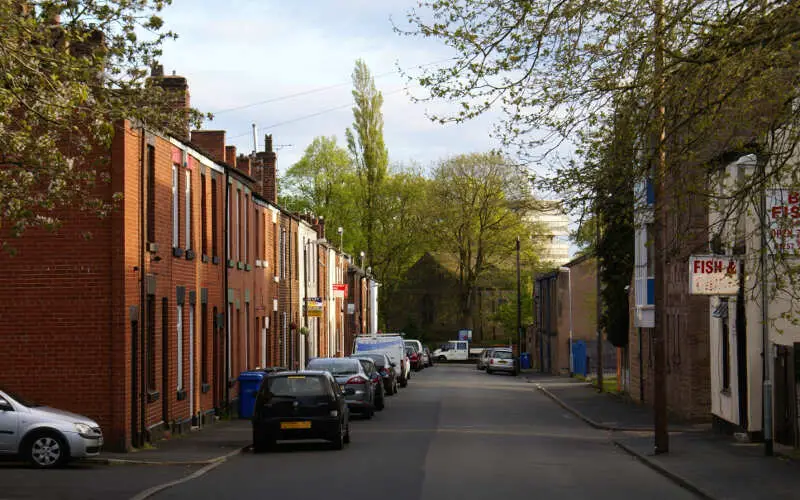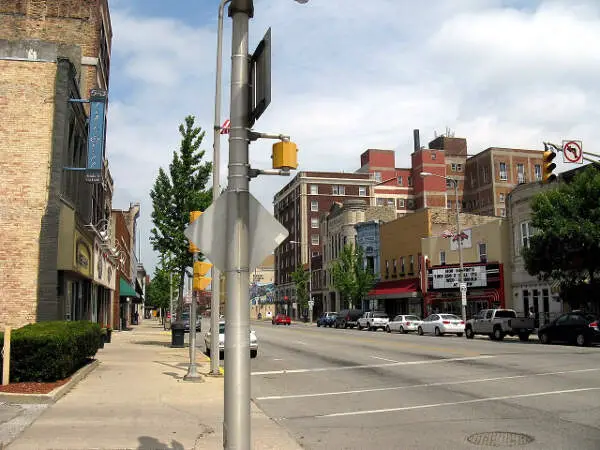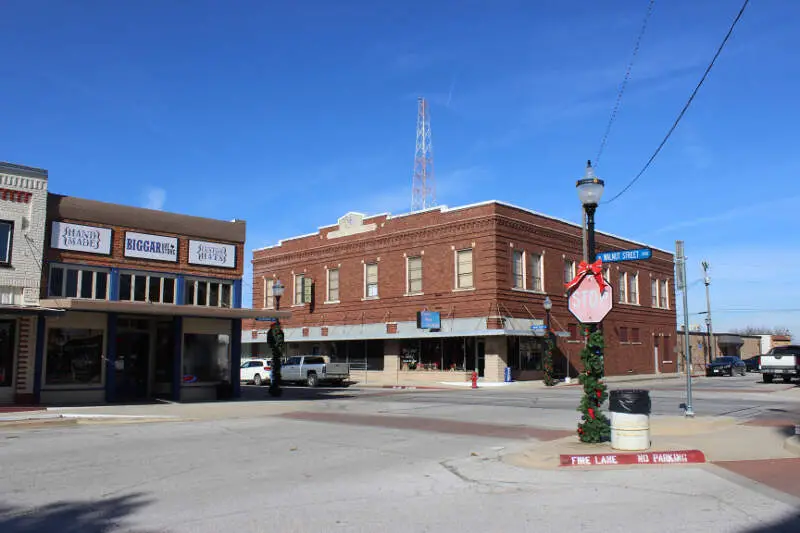
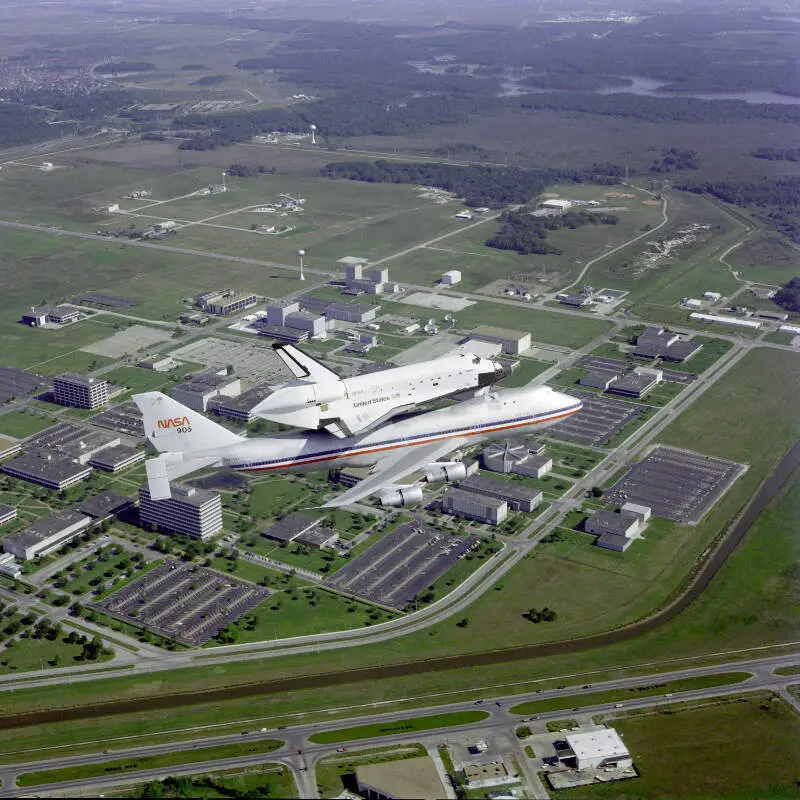
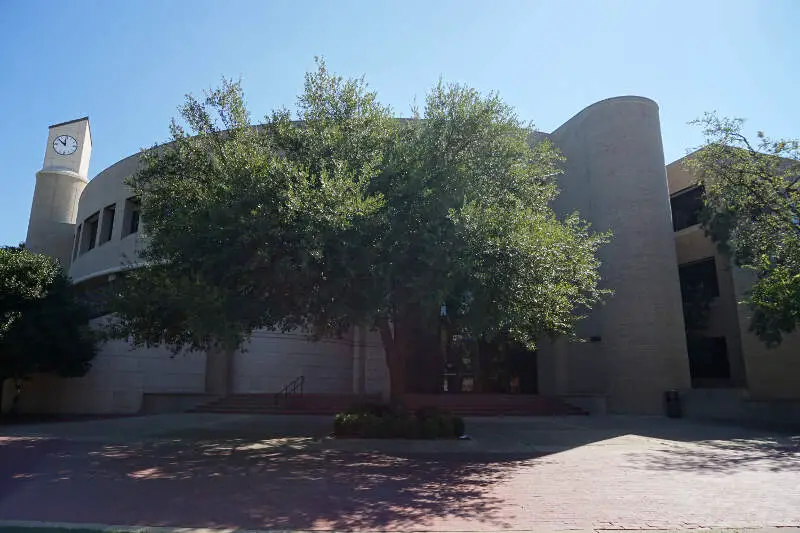
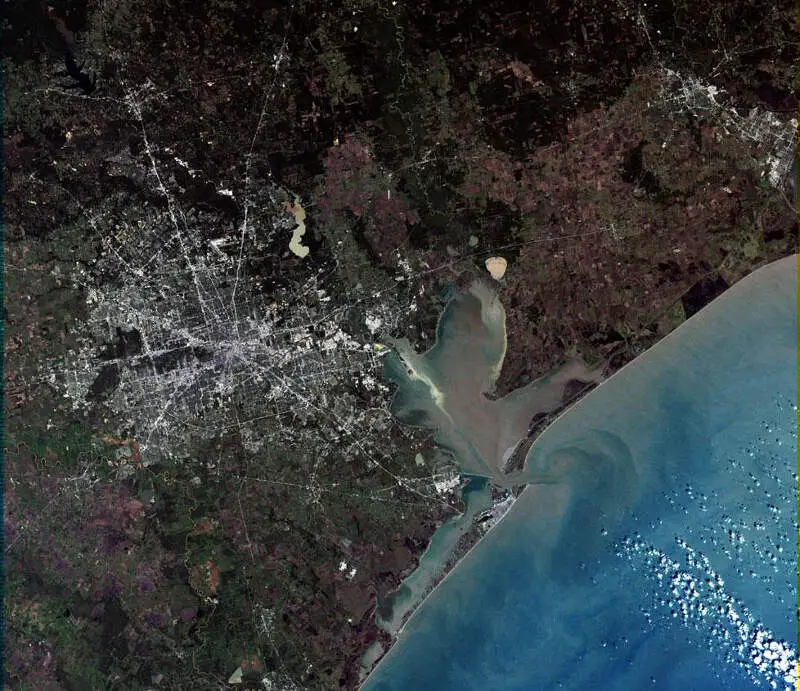
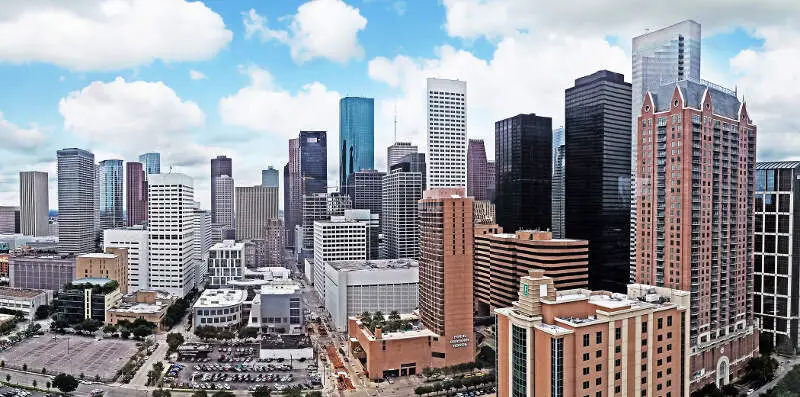
Plano vs. Houston in photos
A side-by-side look at each city.

Cost of living
Houston is the cheaper city overall — 15% higher in Plano than its rival. Index baseline: 100 = national average.
| Living expense | Plano | Houston | US average |
|---|---|---|---|
| Overall | 120 | 104 | 100 |
| Services | 97 | 104 | 100 |
| Groceries | 99 | 98 | 100 |
| Health | 176 | 106 | 100 |
| Housing | 101 | 102 | 100 |
| Transportation | 100 | 104 | 100 |
| Utilities | 105 | 98 | 100 |
Lower index = cheaper. 100 = U.S. national average. Bar inside each cell scales relative to the highest value in the table.
Sources: HomeSnacks Cost of Living indices, normalized so 100 = U.S. national average. Drill in: Plano cost of living, Houston cost of living, or the cheapest cities in America.
Housing breakdown
Home prices are higher in Plano. Compare absolute price and price-to-income — a $500k home in a $100k-income city is very different from one in a $50k-income city.
| Metric | Plano | Houston | United States |
|---|---|---|---|
| Median Home Value | $498,989 | $264,336 | $332,700 |
| Median Rent | $1,841 | $1,361 | $1,413 |
| Median Income | $112,253 | $64,813 | $80,734 |
| Home Value To Income | 4.4x | 4.1x | 4.1x |
| Rent To Monthly Income | 0.2x | 0.25x | 0.21x |
Source: U.S. Census Bureau ACS 2020-2024. See also states with the highest rent in America.
Crime
Plano is the safer city — total crime rate of 1,618 per 100k people vs 5,442 for Houston. US average: 2,119.
| Crime (per 100k) | Plano | Houston | US average |
|---|---|---|---|
| Total crime | 1,618 | 5,442 | 2,119 |
| Murder | 1 | 14 | 5 |
| Robbery | 27 | 274 | 61 |
| Aggravated Assault | 91 | 787 | 256 |
| Violent Crime | 152 | 1,148 | 359 |
| Burglary | 161 | 645 | 229 |
| Larceny | 1,163 | 2,946 | 1,272 |
| Car Theft | 142 | 703 | 259 |
| Property Crime | 1,466 | 4,293 | 1,760 |
Lower = safer. Bar inside each cell scales relative to the highest crime rate in the table.
Source: FBI Uniform Crime Reporting (2024). All rates are per 100,000 people. City pages: Plano crime, Houston crime. See also: safest cities in America.
Diversity
Houston is more racially diverse — lower HHI (closer to 0) means a more even mix across groups.
| Group | Plano | Houston | United States |
|---|---|---|---|
| White | 46.6% | 23.2% | 57.4% |
| African American | 8.7% | 22.3% | 11.9% |
| American Indian | 0.2% | 0.1% | 0.5% |
| Asian | 23.6% | 6.9% | 5.9% |
| Hawaiian | 0.0% | 0.1% | 0.2% |
| Other | 0.7% | 0.4% | 0.6% |
| Two Or More | 3.5% | 2.8% | 4.3% |
| Hispanic | 16.7% | 44.2% | 19.3% |
Source: U.S. Census ACS 2020-2024. Lower HHI = more even racial mix. See also: most diverse cities in America.
SnackAbility — overall quality of life
Plano scores higher overall — 8.5/10 vs 4/10. SnackAbility is our 1–10 quality-of-life score; the median U.S. city scores a 7.
Scores are 0–10; both bars share the same scale.
SnackAbility is a HomeSnacks proprietary 1–10 score blending jobs, housing, education, commute, amenities, affordability, crime, and diversity. Median U.S. city ≈ 7. Data: Census, BLS, FBI. See also: best places to live in America.
Getting around: Plano vs. Houston
How each city handles commuting, transit, walkability, and car culture — the day-to-day reality that shapes where you'd actually want to live.
Getting around Plano means owning a car: the city is built around the Dallas North Tollway, US-75, and the Sam Rayburn Tollway, and most errands are not walkable. Plano is better-served than most Dallas suburbs on DART's Red and Orange light rail lines, with stations at Downtown Plano, Parker Road, and others that reach central Dallas without fighting I-635. Intra-Plano trips, though, are almost always by car.
Houston takes car dependency to another level. It's one of the largest cities in the country with minimal zoning, and the freeway grid (I-610, I-10, I-45, Beltway 8) is sprawling and frequently congested. METRORail exists but covers a limited footprint.
If you commute by car in Houston, budget real time for it, especially along the 290 or 59 corridors during peak hours.
Jobs and careers in Plano vs. Houston
The local job market, dominant industries, and which city to choose based on your career.
Plano is a legitimate corporate hub for a city its size. Toyota's North American headquarters, JPMorgan Chase's regional campus, Liberty Mutual, Frito-Lay, and Ericsson are all anchored in or near the Legacy and Legacy West corridor. That concentration of white-collar employers shows up in the numbers: median household income runs $112,253, nearly double Houston's $64,813.
If you work in finance, tech, or corporate operations, Plano's job market is genuinely competitive.
Houston's economy is broader and deeper, driven by energy (ExxonMobil, Shell, Chevron Phillips), the Texas Medical Center (the largest medical complex in the world), and a growing aerospace sector around NASA's Johnson Space Center. The income gap reflects Houston's wider mix of industries and wage levels, not a lack of opportunity. For engineers, physicians, energy professionals, and logistics workers, Houston offers a scale of options Plano simply cannot match.
Weather and climate
What to expect day-to-day — sun, fog, heat, rain, and the seasonal extremes that shape the lifestyle.
Plano sits in the DFW Metroplex, where summers are long, hot, and dry. Expect triple-digit days from June through August, ice storms that can shut down the area for days in winter, and real tornado risk in spring. Relative humidity runs lower than further south, which makes the heat more bearable on many days.
Houston runs hotter and considerably wetter. The Gulf of Mexico keeps humidity high year-round, and summers can feel oppressive even by Texas standards. Hurricane season runs June through November: Harvey in 2017 brought catastrophic flooding that affected nearly every neighborhood in the city.
Winters in Houston are mild, rarely dipping near freezing for long. If you hate cold, Houston wins; if you need to breathe on a July afternoon, the DFW climate is a marginal step up.
Culture, nightlife, and entertainment
Food, music, neighborhoods, and the city vibe that gives each place its personality.
Plano has more going on culturally than its suburban reputation suggests. The Courtyard Theater and the Art Centre of Plano anchor a small but active downtown arts scene, and Legacy West is a mixed-use district with upscale dining and regular events. Nightlife is quiet compared to Dallas proper, but Shops at Legacy and downtown Plano's restaurants give you solid local options without a long drive.
Houston's cultural depth is real. The Museum District puts the Museum of Fine Arts, the Menil Collection, and the Houston Museum of Natural Science within walking distance of each other. Montrose and Midtown carry the bulk of the bar and live-music scene, while The Heights draws a food-focused crowd.
Houston is routinely cited as one of the most ethnically diverse cities in the country, and the restaurant scene reflects that directly: Vietnamese in Midtown, Tex-Mex everywhere, and a James Beard-recognized fine dining circuit that still surprises people.
Outdoor activities and day trips
Parks, beaches, hikes, and the weekend escapes that define life outside the city limits.
Plano is a well-kept park city by suburban standards. Arbor Hills Nature Preserve offers 200 acres of wooded trails, and Oak Point Park and Nature Preserve along Rowlett Creek is another solid spot for hiking and cycling. Lake Lavon and Lake Ray Hubbard are short drives east for bigger water.
The Plano Balloon Festival and outdoor concerts at Haggard Park fill the calendar, but big-wilderness day trips mean heading toward Oklahoma or the Piney Woods.
Houston's outdoor scene benefits from the city's scale and Gulf Coast access. Buffalo Bayou Park threads through the urban core with kayak rentals, trails, and skyline views. Hermann Park borders the Museum District and connects to the Houston Zoo and Miller Outdoor Theatre.
For day trips, Galveston Island is about an hour south, Brazos Bend State Park has serious birdwatching and alligators, and Big Thicket National Preserve is a half-day drive for genuine forest hiking. Houston's flat terrain isn't dramatic, but the variety of accessible escapes is hard to beat.
Bottom line: which city is right for you?
Based on the head-to-head data above, here's the short version — pick the city that lines up with what you actually care about.
Choose Plano if you prioritize…
- lower crime — a safer place to live, work, and raise a family.
- more affordable housing relative to Houston.
- a higher overall SnackAbility quality-of-life score.
Choose Houston if you prioritize…
- a lower cost of living (cheaper groceries, services, and day-to-day expenses).
- a more racially diverse community (lower HHI on Census data).
Methodology: winners are picked from public data — U.S. Census Bureau ACS (income, home value, rent, race/HHI), FBI Uniform Crime Reporting (crime rates per 100k), and HomeSnacks' proprietary SnackAbility quality-of-life score, which blends Bureau of Labor Statistics data with the above.
Other comparisons
Still weighing your options? See how these two cities stack up against other places we've compared head-to-head.