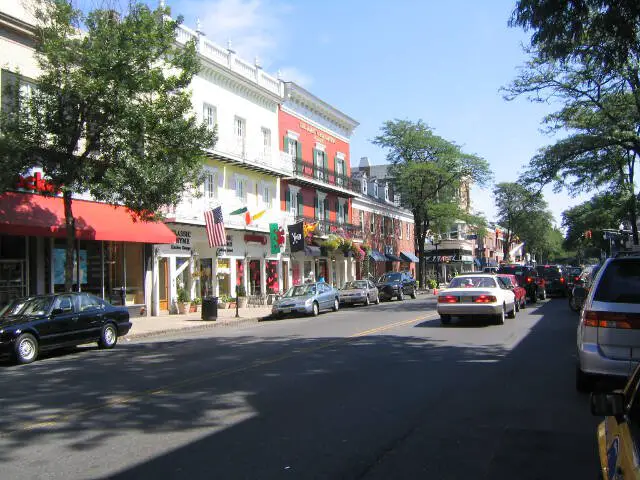
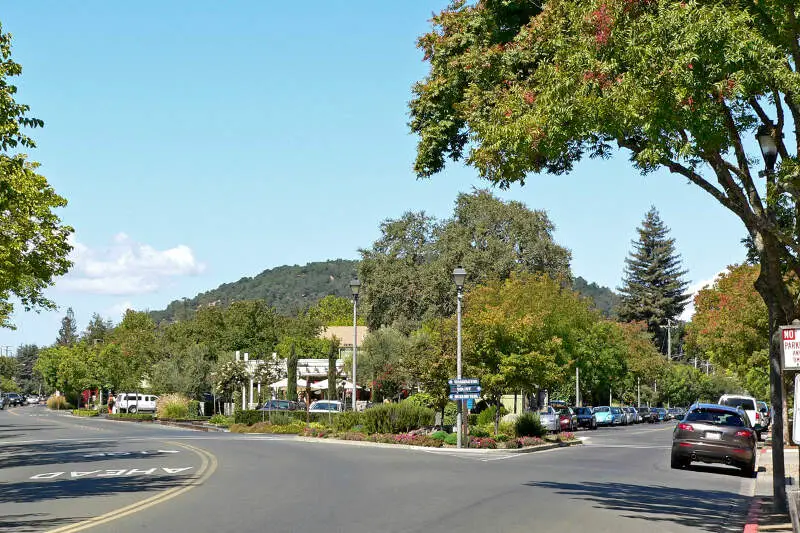
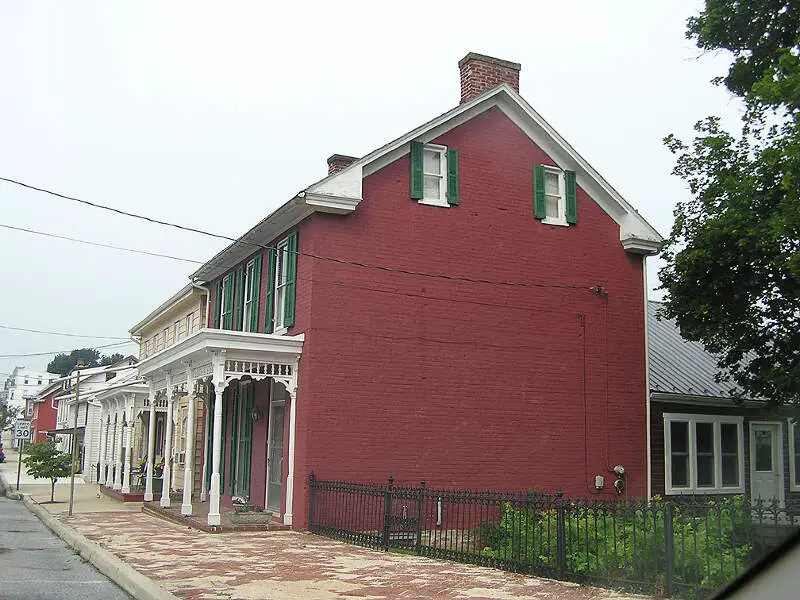
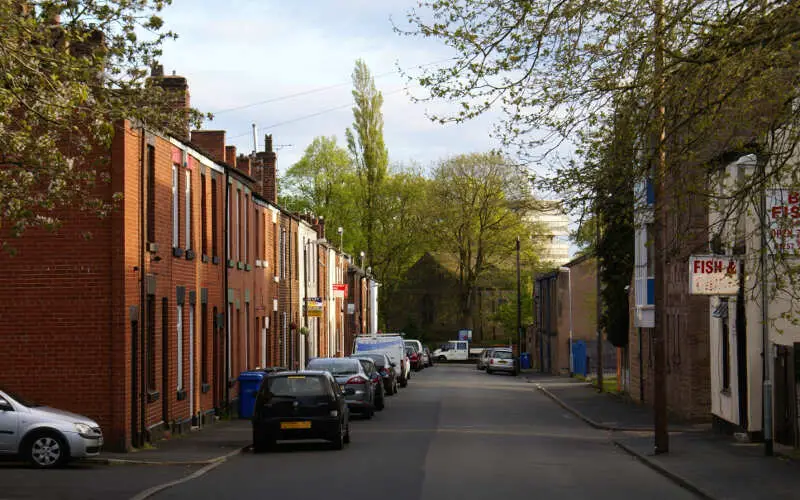
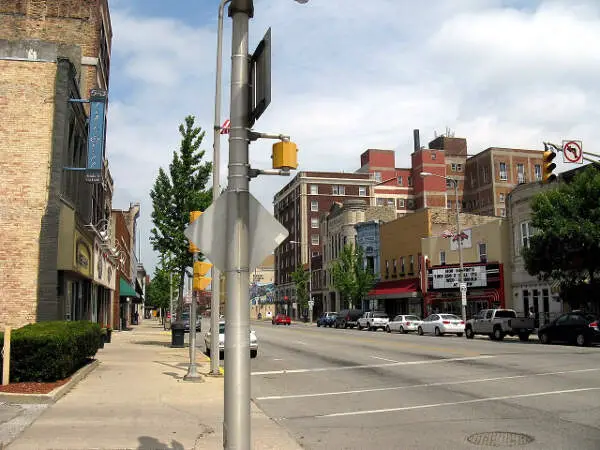
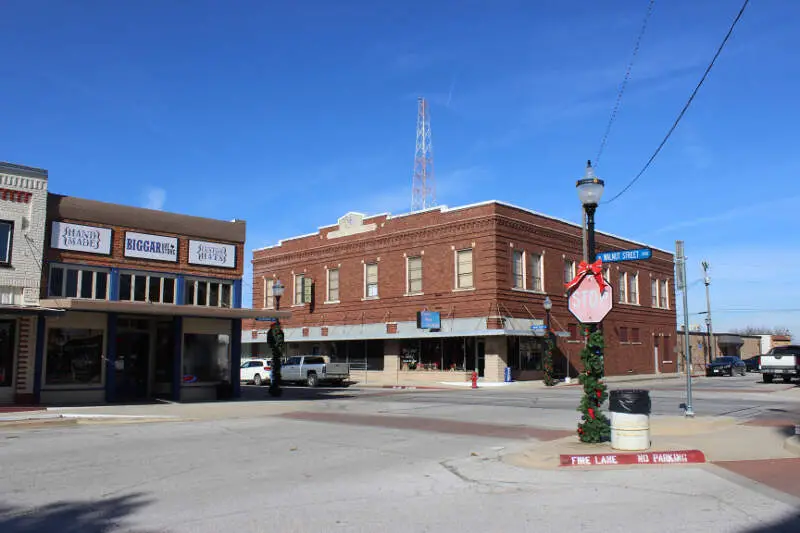
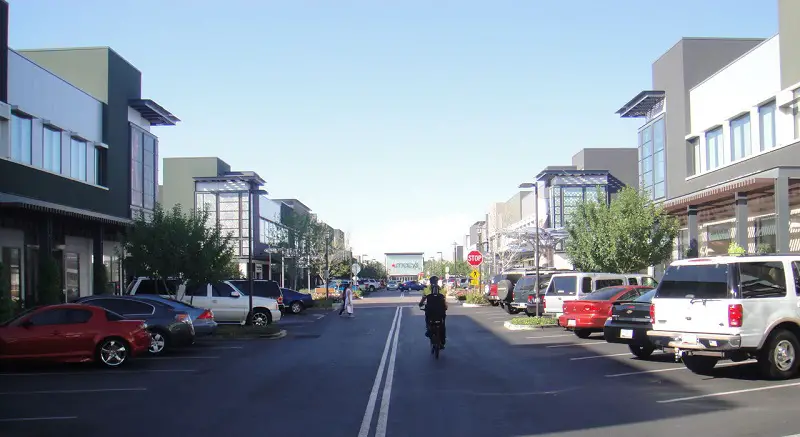
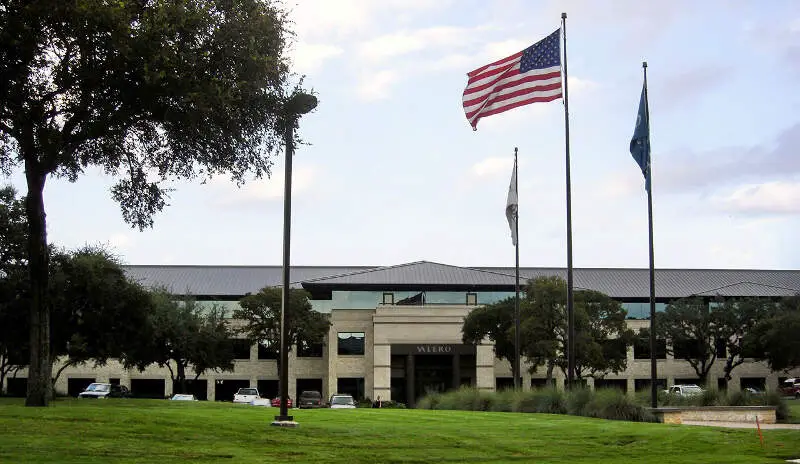
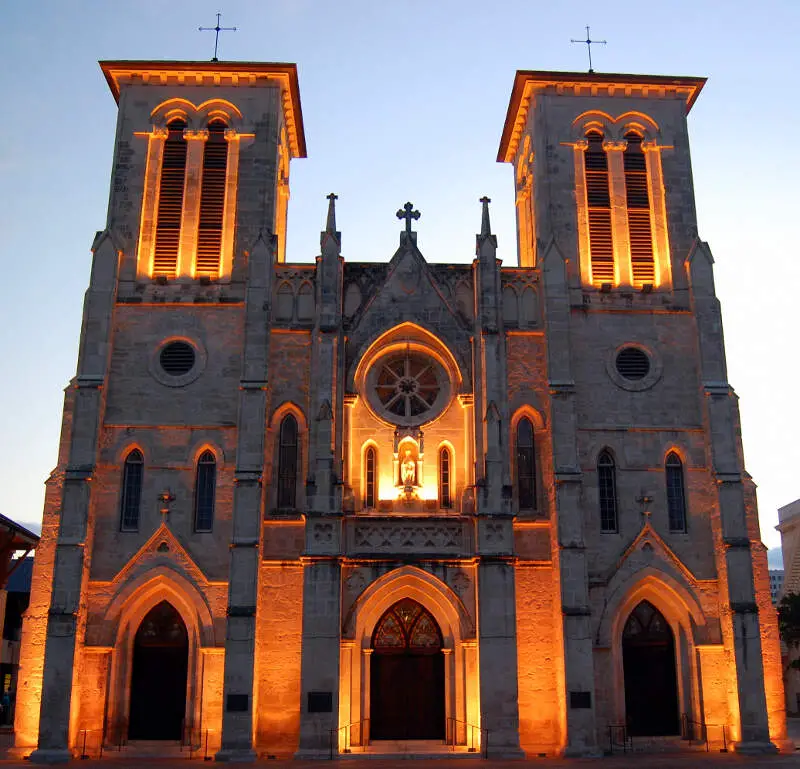
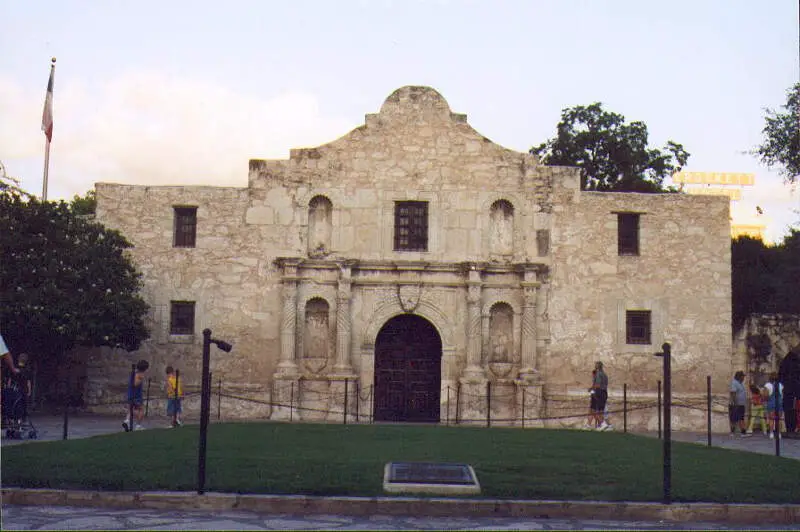
San Antonio vs. Dallas in photos
A side-by-side look at each city.


Cost of living
San Antonio is the cheaper city overall — 8% higher in Dallas than its rival. Index baseline: 100 = national average.
| Living expense | San Antonio | Dallas | US average |
|---|---|---|---|
| Overall | 98 | 106 | 100 |
| Services | 103 | 102 | 100 |
| Groceries | 101 | 103 | 100 |
| Health | 91 | 115 | 100 |
| Housing | 106 | 106 | 100 |
| Transportation | 103 | 108 | 100 |
| Utilities | 101 | 104 | 100 |
Lower index = cheaper. 100 = U.S. national average. Bar inside each cell scales relative to the highest value in the table.
Sources: HomeSnacks Cost of Living indices, normalized so 100 = U.S. national average. Drill in: San Antonio cost of living, Dallas cost of living, or the cheapest cities in America.
Housing breakdown
Home prices are higher in Dallas. Compare absolute price and price-to-income — a $500k home in a $100k-income city is very different from one in a $50k-income city.
| Metric | San Antonio | Dallas | United States |
|---|---|---|---|
| Median Home Value | $249,809 | $309,420 | $332,700 |
| Median Rent | $1,324 | $1,472 | $1,413 |
| Median Income | $65,056 | $70,518 | $80,734 |
| Home Value To Income | 3.8x | 4.4x | 4.1x |
| Rent To Monthly Income | 0.24x | 0.25x | 0.21x |
Source: U.S. Census Bureau ACS 2020-2024. See also states with the highest rent in America.
Crime
Dallas is the safer city — total crime rate of 4,010 per 100k people vs 5,218 for San Antonio. US average: 2,119.
| Crime (per 100k) | San Antonio | Dallas | US average |
|---|---|---|---|
| Total crime | 5,218 | 4,010 | 2,119 |
| Murder | 8 | 14 | 5 |
| Robbery | 108 | 169 | 61 |
| Aggravated Assault | 394 | 440 | 256 |
| Violent Crime | 594 | 658 | 359 |
| Burglary | 496 | 464 | 229 |
| Larceny | 3,292 | 1,787 | 1,272 |
| Car Theft | 836 | 1,100 | 259 |
| Property Crime | 4,624 | 3,352 | 1,760 |
Lower = safer. Bar inside each cell scales relative to the highest crime rate in the table.
Source: FBI Uniform Crime Reporting (2024). All rates are per 100,000 people. City pages: San Antonio crime, Dallas crime. See also: safest cities in America.
Diversity
Dallas is more racially diverse — lower HHI (closer to 0) means a more even mix across groups.
| Group | San Antonio | Dallas | United States |
|---|---|---|---|
| White | 23.0% | 27.6% | 57.4% |
| African American | 6.4% | 22.9% | 11.9% |
| American Indian | 0.1% | 0.2% | 0.5% |
| Asian | 2.9% | 3.8% | 5.9% |
| Hawaiian | 0.1% | 0.1% | 0.2% |
| Other | 0.5% | 0.3% | 0.6% |
| Two Or More | 2.4% | 2.6% | 4.3% |
| Hispanic | 64.6% | 42.6% | 19.3% |
Source: U.S. Census ACS 2020-2024. Lower HHI = more even racial mix. See also: most diverse cities in America.
SnackAbility — overall quality of life
Dallas scores higher overall — 5/10 vs 4/10. SnackAbility is our 1–10 quality-of-life score; the median U.S. city scores a 7.
Scores are 0–10; both bars share the same scale.
SnackAbility is a HomeSnacks proprietary 1–10 score blending jobs, housing, education, commute, amenities, affordability, crime, and diversity. Median U.S. city ≈ 7. Data: Census, BLS, FBI. See also: best places to live in America.
Getting around: San Antonio vs. Dallas
How each city handles commuting, transit, walkability, and car culture — the day-to-day reality that shapes where you'd actually want to live.
Both San Antonio and Dallas are car-first Texas metros, so expect real time on the highway regardless of where you land. San Antonio's VIA Metropolitan Transit runs buses across the city but has no light rail, which puts the Wurzbach Parkway and Loop 1604 squarely in your daily routine. The city is more compact than Dallas, which can take the edge off drive times in less congested corridors.
Dallas has a genuine rail option through DART: the light-rail network connects Downtown, Uptown, Deep Ellum, and the Cedars, and reaches suburbs like Plano and Irving near DFW Airport. Most Dallas residents still drive, though, and the I-35/I-635 interchange is reliably punishing during peak hours. If nonstop flight options matter, Dallas/Fort Worth International has more of them than San Antonio International.
Jobs and careers in San Antonio vs. Dallas
The local job market, dominant industries, and which city to choose based on your career.
San Antonio's economy runs on the military, healthcare, and tourism. Joint Base San Antonio (combining Fort Sam Houston, Lackland, and Randolph) is the largest military installation complex in the U.S. and one of the city's biggest employers. USAA, Valero Energy, and H-E-B are the major private anchors, and the South Texas Medical Center employs tens of thousands.
The median household income in San Antonio is $65,056, which trails Dallas. Dallas runs on finance, tech, and corporate headquarters: AT&T, Toyota North America, and American Airlines are all based in the metro. The Uptown and Legacy West corridors have drawn a steady flow of financial firms and tech companies, pushing the median household income to $70,518.
If you're early-career or working in fintech, logistics, or professional services, Dallas tends to offer a wider and higher-paying set of opportunities.
Weather and climate
What to expect day-to-day — sun, fog, heat, rain, and the seasonal extremes that shape the lifestyle.
Both cities are hot: this is central Texas. San Antonio averages around 220 sunny days a year, and summers routinely push into the upper 90s, sometimes cracking 100 degrees for stretches in July and August. Humidity rises in early summer but is generally drier than Houston.
Winters in San Antonio are mild. Freezes happen but rarely stick, and the city sees little snow most years.
Dallas runs hotter in aggregate once you factor in humidity and urban heat, and spring brings genuine severe-weather risk: supercells, large hail, and occasional tornadoes come with living on the southern edge of Tornado Alley. Ice storms can paralyze the city every few years, as the 2021 freeze made painfully clear. If you prefer mild, stable winters over dramatic spring weather, San Antonio has a slight edge.
Culture, nightlife, and entertainment
Food, music, neighborhoods, and the city vibe that gives each place its personality.
San Antonio's cultural identity is shaped by its Hispanic heritage and its history as an 18th-century Spanish colonial city. The River Walk is downtown's social spine, but real local energy lives in the Pearl District (a renovated brewery campus with restaurants, a farmers market, and Hotel Emma) and around Southtown and St. Paul Square. The annual Fiesta celebration draws over a million people and is one of the most distinctive civic festivals in the South.
Dallas trends more cosmopolitan. Deep Ellum is the live-music and art hub, with independent venues alongside murals and galleries that have made it a genuine creative district.
The Dallas Arts District is the largest contiguous arts district in the country, anchoring institutions like the Nasher Sculpture Center and the AT&T Performing Arts Center. Uptown's restaurant and bar density rivals any neighborhood in Texas if that's your scene.
Outdoor activities and day trips
Parks, beaches, hikes, and the weekend escapes that define life outside the city limits.
San Antonio's biggest outdoor asset is its immediate access to the Texas Hill Country. Drive 45 minutes northwest and you're at Enchanted Rock, Guadalupe River tubing, or the wineries around Fredericksburg.
Inside city limits, Government Canyon State Natural Area offers serious hiking, and Brackenridge Park sits along the upper San Antonio River with trails, the zoo, and Sunken Garden Theater. Natural Bridge Caverns, just north of the city, is a legitimate day trip worth doing once a year.
Dallas works harder for its nature but has built real urban greenspace over the last decade. White Rock Lake is the go-to for running, kayaking, and cycling on the east side, while Klyde Warren Park above the Woodall Rodgers Freeway has become the city's central park.
Lake Ray Hubbard and Lake Lewisville give boaters and anglers options within 30 minutes. The Trinity River Corridor is still being developed but adds miles of trail access cutting through the city's core.
Bottom line: which city is right for you?
Based on the head-to-head data above, here's the short version — pick the city that lines up with what you actually care about.
Choose San Antonio if you prioritize…
- a lower cost of living (cheaper groceries, services, and day-to-day expenses).
Choose Dallas if you prioritize…
- lower crime — a safer place to live, work, and raise a family.
- more affordable housing relative to San Antonio.
- a more racially diverse community (lower HHI on Census data).
- a higher overall SnackAbility quality-of-life score.
Methodology: winners are picked from public data — U.S. Census Bureau ACS (income, home value, rent, race/HHI), FBI Uniform Crime Reporting (crime rates per 100k), and HomeSnacks' proprietary SnackAbility quality-of-life score, which blends Bureau of Labor Statistics data with the above.
Other comparisons
Still weighing your options? See how these two cities stack up against other places we've compared head-to-head.