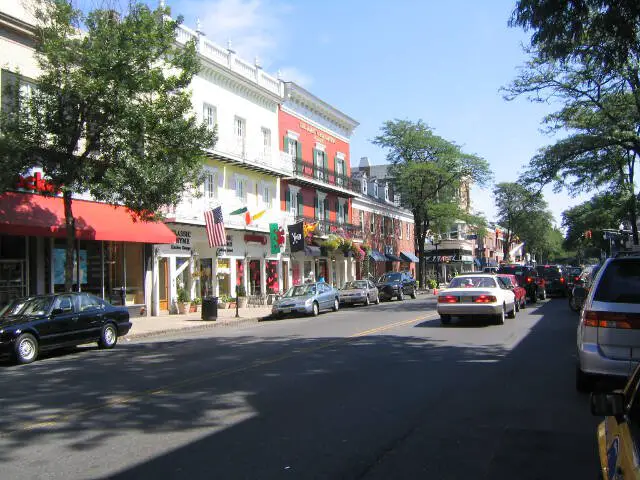
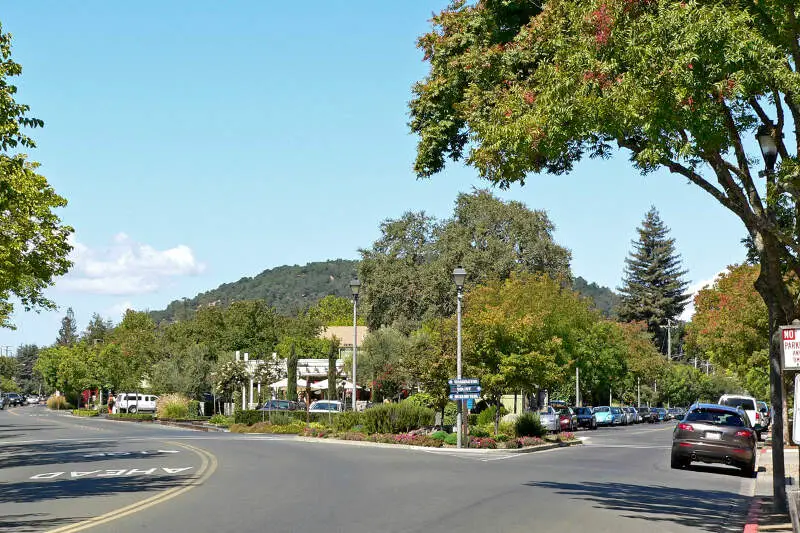
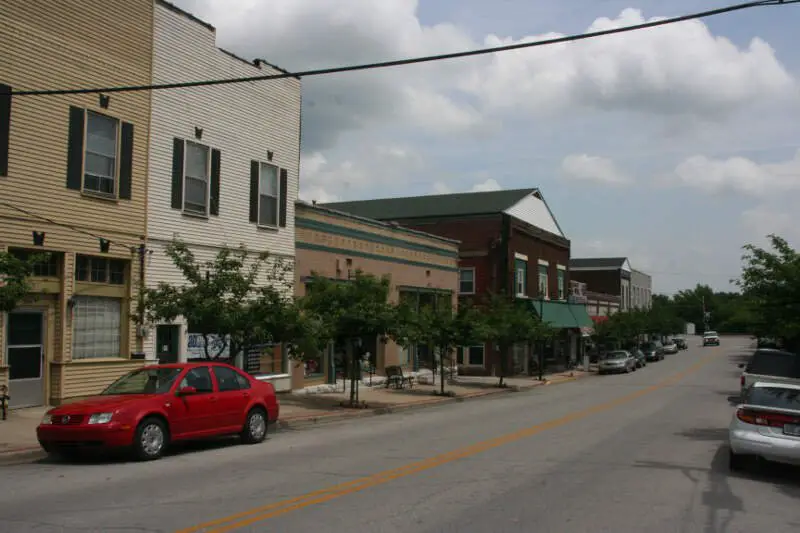
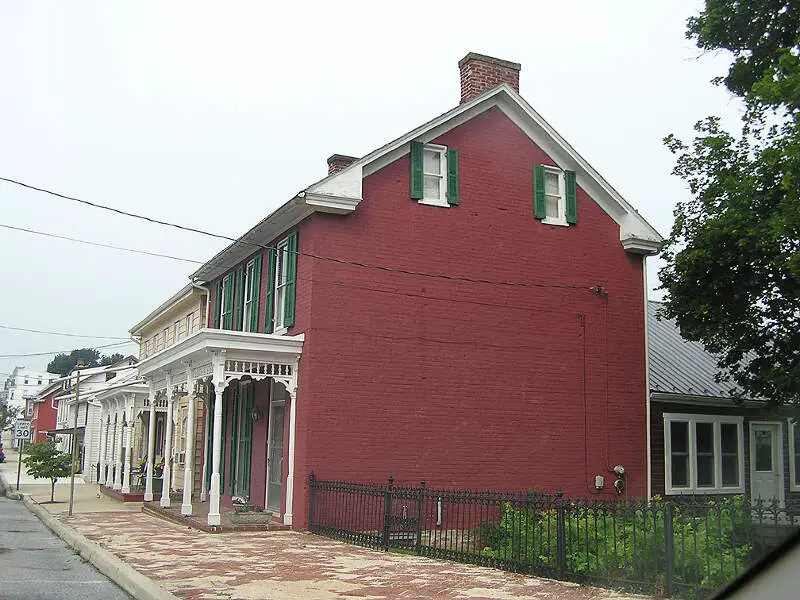
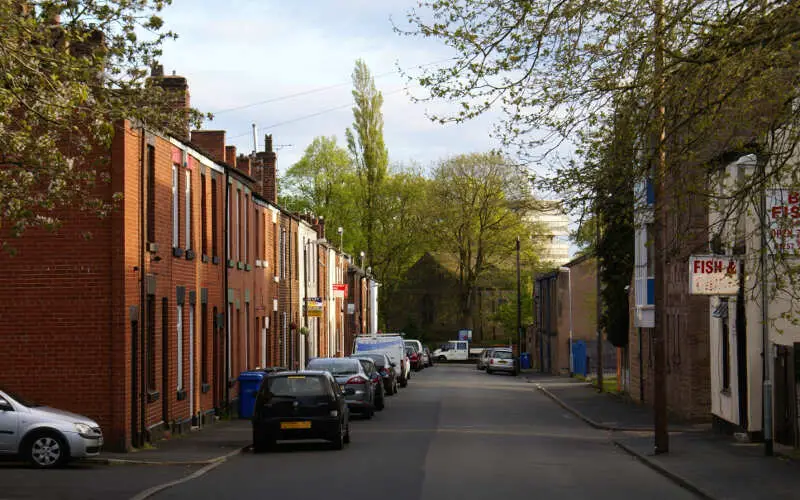
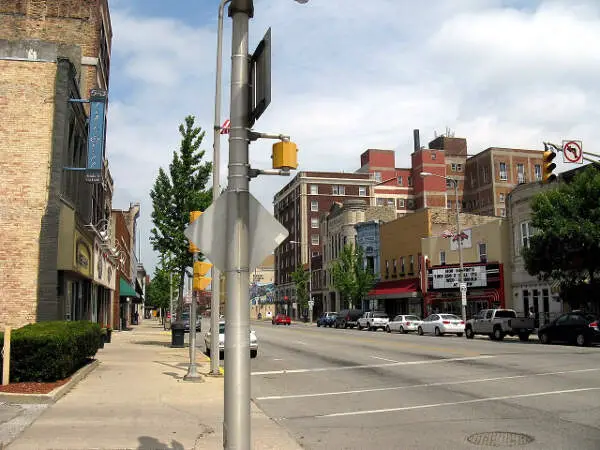
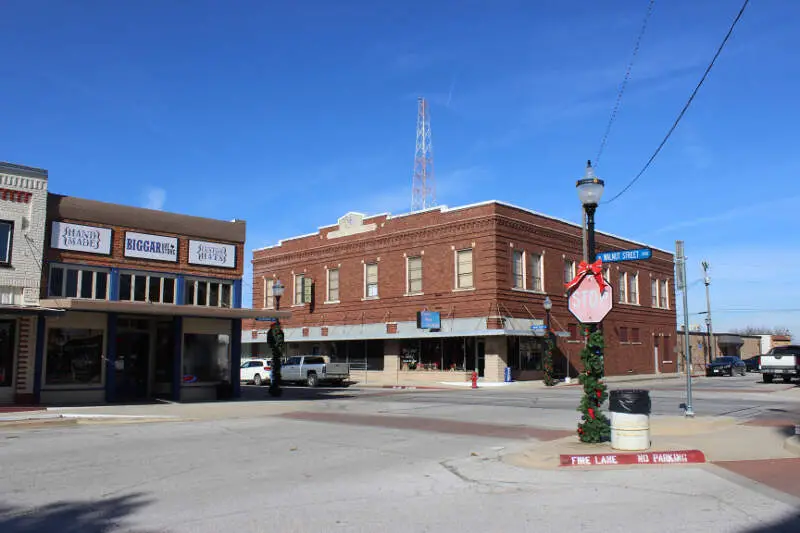
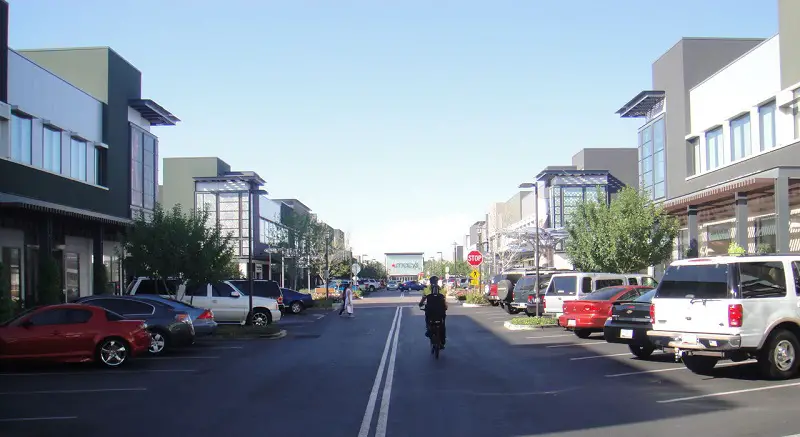
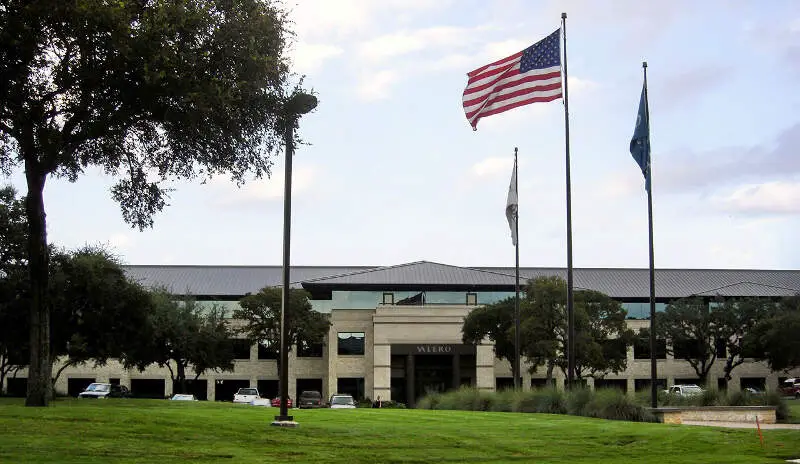
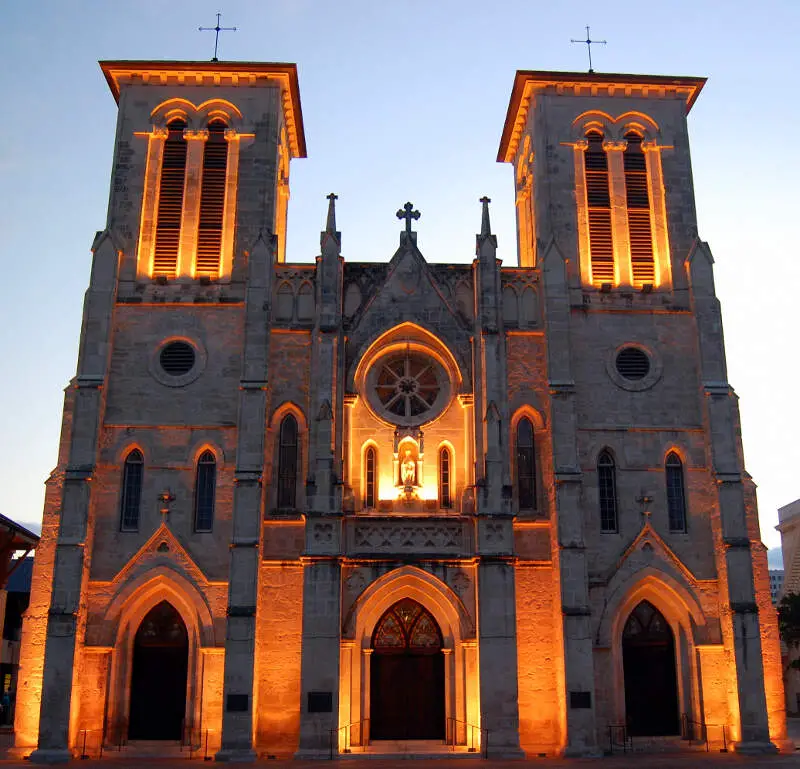
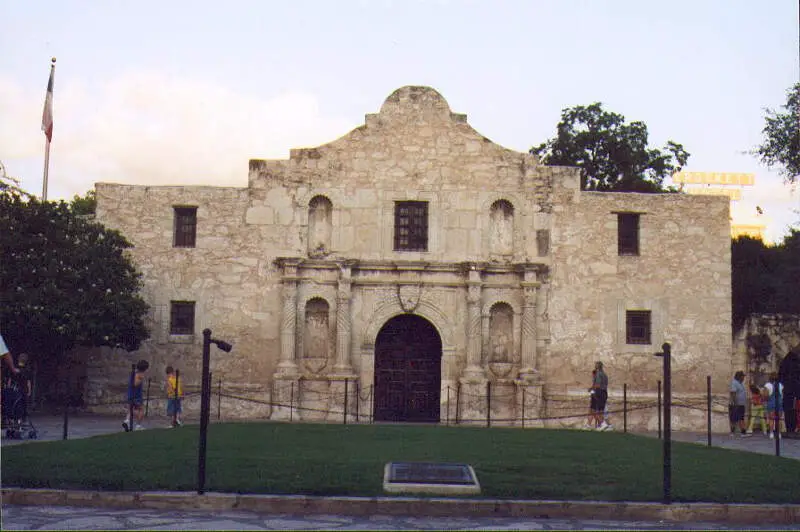
San Antonio vs. Raleigh in photos
A side-by-side look at each city.
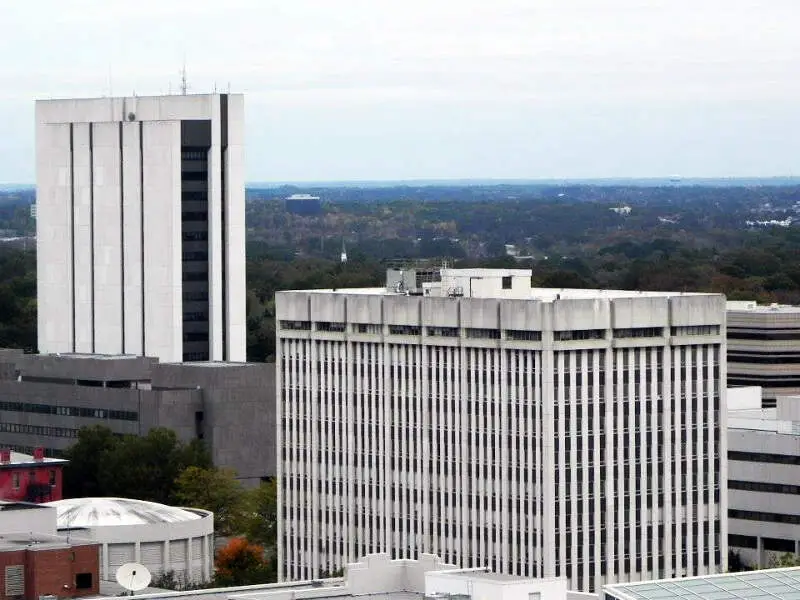
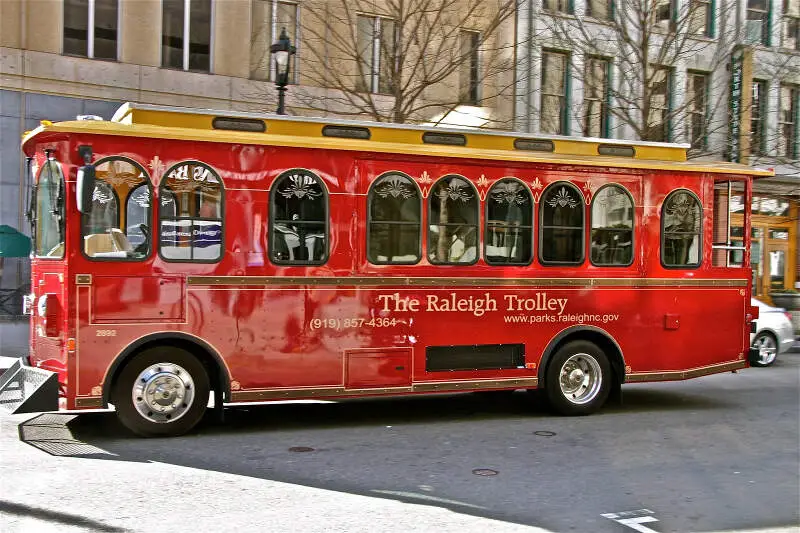

Cost of living
San Antonio is the cheaper city overall — 16% higher in Raleigh than its rival. Index baseline: 100 = national average.
| Living expense | San Antonio | Raleigh | US average |
|---|---|---|---|
| Overall | 98 | 116 | 100 |
| Services | 103 | 101 | 100 |
| Groceries | 101 | 101 | 100 |
| Health | 91 | 144 | 100 |
| Housing | 106 | 106 | 100 |
| Transportation | 103 | 100 | 100 |
| Utilities | 101 | 106 | 100 |
Lower index = cheaper. 100 = U.S. national average. Bar inside each cell scales relative to the highest value in the table.
Sources: HomeSnacks Cost of Living indices, normalized so 100 = U.S. national average. Drill in: San Antonio cost of living, Raleigh cost of living, or the cheapest cities in America.
Housing breakdown
Home prices are higher in Raleigh. Compare absolute price and price-to-income — a $500k home in a $100k-income city is very different from one in a $50k-income city.
| Metric | San Antonio | Raleigh | United States |
|---|---|---|---|
| Median Home Value | $249,809 | $433,996 | $332,700 |
| Median Rent | $1,324 | $1,572 | $1,413 |
| Median Income | $65,056 | $85,395 | $80,734 |
| Home Value To Income | 3.8x | 5.1x | 4.1x |
| Rent To Monthly Income | 0.24x | 0.22x | 0.21x |
Source: U.S. Census Bureau ACS 2020-2024. See also states with the highest rent in America.
Crime
Raleigh is the safer city — total crime rate of 3,308 per 100k people vs 5,218 for San Antonio. US average: 2,119.
| Crime (per 100k) | San Antonio | Raleigh | US average |
|---|---|---|---|
| Total crime | 5,218 | 3,308 | 2,119 |
| Murder | 8 | 5 | 5 |
| Robbery | 108 | 87 | 61 |
| Aggravated Assault | 394 | 361 | 256 |
| Violent Crime | 594 | 489 | 359 |
| Burglary | 496 | 279 | 229 |
| Larceny | 3,292 | 2,059 | 1,272 |
| Car Theft | 836 | 481 | 259 |
| Property Crime | 4,624 | 2,819 | 1,760 |
Lower = safer. Bar inside each cell scales relative to the highest crime rate in the table.
Source: FBI Uniform Crime Reporting (2024). All rates are per 100,000 people. City pages: San Antonio crime, Raleigh crime. See also: safest cities in America.
Diversity
Raleigh is more racially diverse — lower HHI (closer to 0) means a more even mix across groups.
| Group | San Antonio | Raleigh | United States |
|---|---|---|---|
| White | 23.0% | 51.1% | 57.4% |
| African American | 6.4% | 26.0% | 11.9% |
| American Indian | 0.1% | 0.2% | 0.5% |
| Asian | 2.9% | 5.2% | 5.9% |
| Hawaiian | 0.1% | 0.0% | 0.2% |
| Other | 0.5% | 0.5% | 0.6% |
| Two Or More | 2.4% | 4.4% | 4.3% |
| Hispanic | 64.6% | 12.6% | 19.3% |
Source: U.S. Census ACS 2020-2024. Lower HHI = more even racial mix. See also: most diverse cities in America.
SnackAbility — overall quality of life
Raleigh scores higher overall — 8/10 vs 4/10. SnackAbility is our 1–10 quality-of-life score; the median U.S. city scores a 7.
Scores are 0–10; both bars share the same scale.
SnackAbility is a HomeSnacks proprietary 1–10 score blending jobs, housing, education, commute, amenities, affordability, crime, and diversity. Median U.S. city ≈ 7. Data: Census, BLS, FBI. See also: best places to live in America.
Getting around: San Antonio vs. Raleigh
How each city handles commuting, transit, walkability, and car culture — the day-to-day reality that shapes where you'd actually want to live.
San Antonio runs on cars. VIA Metropolitan Transit operates a bus network, but routes are infrequent outside the urban core, and the city's sprawling footprint makes driving the default for nearly everyone. Budget for heavy traffic on I-410, I-35, and Loop 1604 during rush hour.
Raleigh is also car-first, but its more compact geography and continued investment in GoRaleigh bus service and the GoTriangle regional network make non-driving trips more realistic, especially if you work downtown or near Research Triangle Park. Neither city has light rail yet, though Raleigh has a Bus Rapid Transit line in development along New Bern Avenue.
If minimizing car dependence is a priority, Raleigh edges ahead slightly, but don't expect to go car-free in either place. Both reward having a reliable vehicle.
Jobs and careers in San Antonio vs. Raleigh
The local job market, dominant industries, and which city to choose based on your career.
Raleigh's median household income is $85,395, well above San Antonio's $65,056. Raleigh anchors the Research Triangle alongside Durham and Chapel Hill, drawing tech, biotech, and software talent to SAS Institute, Red Hat (now part of IBM), Cisco, and a growing startup ecosystem. NC State drives research-linked hiring across engineering and life sciences.
San Antonio's economy runs on the military. Joint Base San Antonio is one of the largest installations in the country, and the economy also runs through University Health, Methodist, USAA in financial services, and a large hospitality sector tied to the River Walk.
Cost of living matters here too: Raleigh's index is 116 versus San Antonio's 98, so higher salaries in Raleigh come with noticeably higher expenses. For tech and life-sciences careers, Raleigh wins on opportunity; for defense, federal contracting, and healthcare administration, San Antonio is a stronger fit.
Weather and climate
What to expect day-to-day — sun, fog, heat, rain, and the seasonal extremes that shape the lifestyle.
San Antonio runs hot. Summers regularly push past 100°F for weeks at a stretch, and the city logs over 220 sunny days a year: pleasant from October through April, punishing from June through September. Winters are mild, with hard freezes rare enough that a single ice event can bring the city to a standstill, as February 2021 demonstrated.
Raleigh delivers four proper seasons: humid summers in the upper 80s to low 90s, colorful and cool falls, occasional snow and ice between December and February, and some of the best spring weather on the East Coast.
If extreme heat is your dealbreaker, Raleigh is the more comfortable choice. If cold winters are what you're escaping, San Antonio wins, though both cities carry summer humidity and the possibility of severe thunderstorms rolling through with little warning.
Culture, nightlife, and entertainment
Food, music, neighborhoods, and the city vibe that gives each place its personality.
San Antonio's identity is shaped by its Hispanic heritage, military history, and a food culture built around Tex-Mex, breakfast tacos, and the puffy taco. Locals spend time in the Pearl District's restaurants and weekend farmers market, wander the historic King William neighborhood, and turn out en masse for Fiesta each April (a two-week citywide celebration that feels genuinely local rather than manufactured for tourists).
Raleigh's cultural identity is still taking shape after a decade of fast growth and a steady influx of transplants. The Glenwood South strip and the Warehouse District anchor the bar and restaurant scene, and a farm-to-table dining culture has taken real hold. The North Carolina Museum of Art offers free outdoor concerts and a respected permanent collection.
Raleigh feels younger, faster-changing, and more eclectic; San Antonio feels more rooted, with a stronger and more distinctive sense of place.
Outdoor activities and day trips
Parks, beaches, hikes, and the weekend escapes that define life outside the city limits.
San Antonio's best outdoor experiences sit just outside city limits. The Texas Hill Country is 45 minutes west, where you can tube the Guadalupe River near New Braunfels, hike the domes at Enchanted Rock State Natural Area, or explore the vineyards around Fredericksburg. Inside the city, Brackenridge Park and the Mission Trails along the San Antonio River provide accessible green space, and Natural Bridge Caverns makes a reliable day trip.
Raleigh's outdoor scene leans toward greenways and water: William B. Umstead State Park sits right inside the metro, Falls Lake draws paddlers and anglers year-round, and the city's paved greenway network links neighborhoods in a way San Antonio's trail system doesn't yet match. The Blue Ridge Parkway is about three hours west for serious mountain hiking and fall foliage. If mountains within a half-day drive matter to you, Raleigh holds a clear advantage.
Bottom line: which city is right for you?
Based on the head-to-head data above, here's the short version — pick the city that lines up with what you actually care about.
Choose San Antonio if you prioritize…
- a lower cost of living (cheaper groceries, services, and day-to-day expenses).
Choose Raleigh if you prioritize…
- lower crime — a safer place to live, work, and raise a family.
- more affordable housing relative to San Antonio.
- a more racially diverse community (lower HHI on Census data).
- a higher overall SnackAbility quality-of-life score.
Methodology: winners are picked from public data — U.S. Census Bureau ACS (income, home value, rent, race/HHI), FBI Uniform Crime Reporting (crime rates per 100k), and HomeSnacks' proprietary SnackAbility quality-of-life score, which blends Bureau of Labor Statistics data with the above.
Other comparisons
Still weighing your options? See how these two cities stack up against other places we've compared head-to-head.