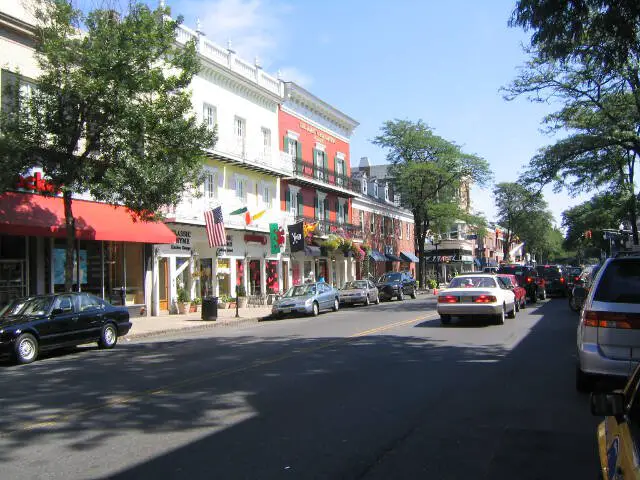
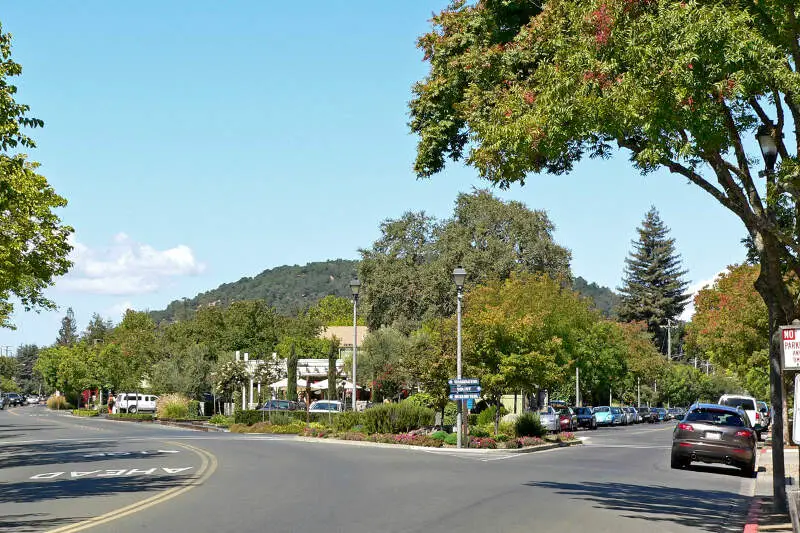
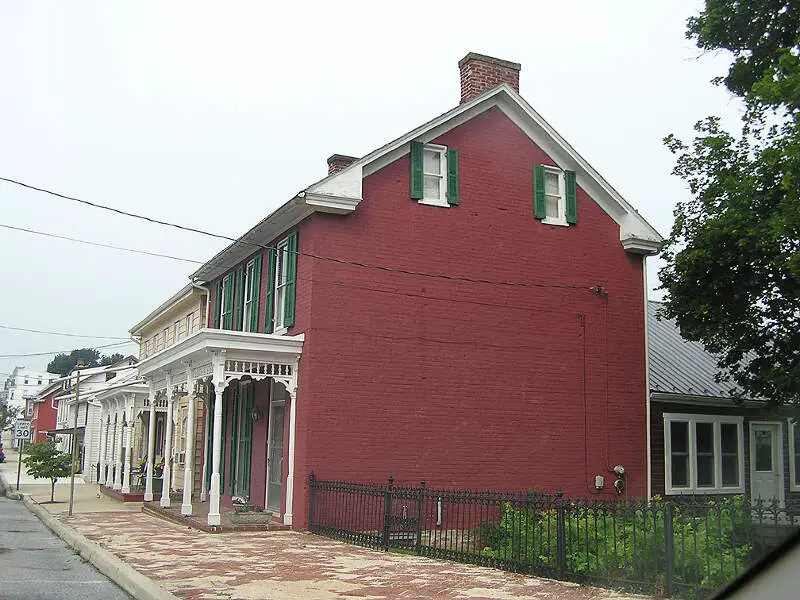
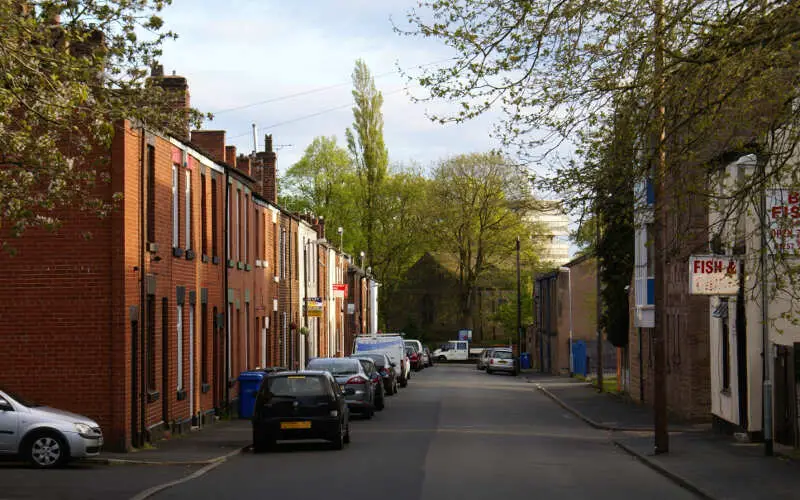
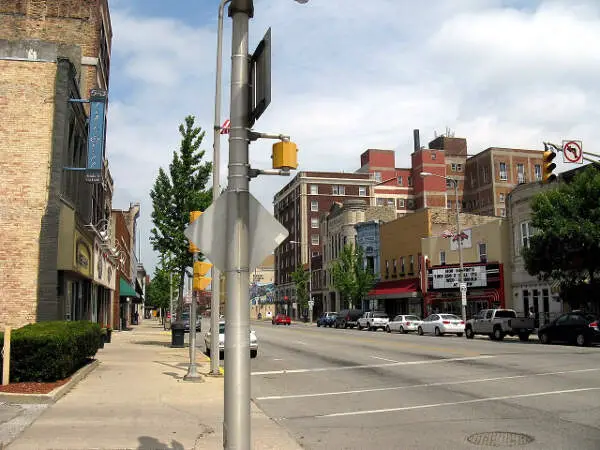
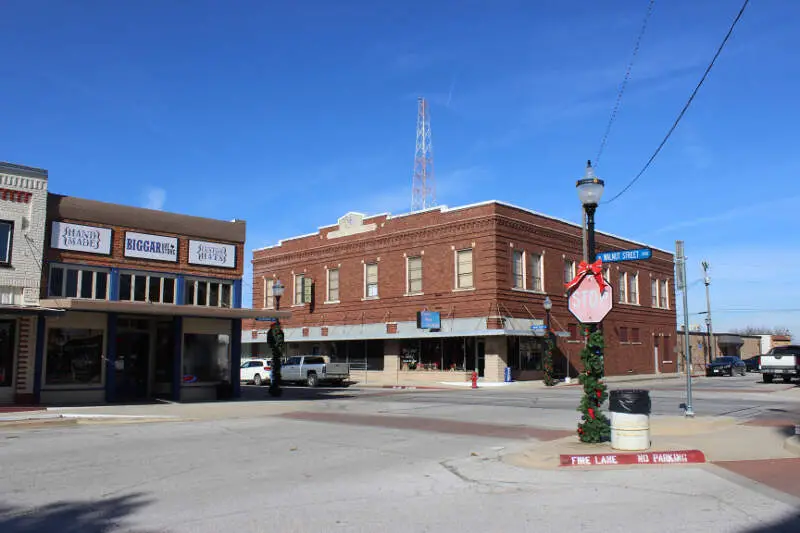
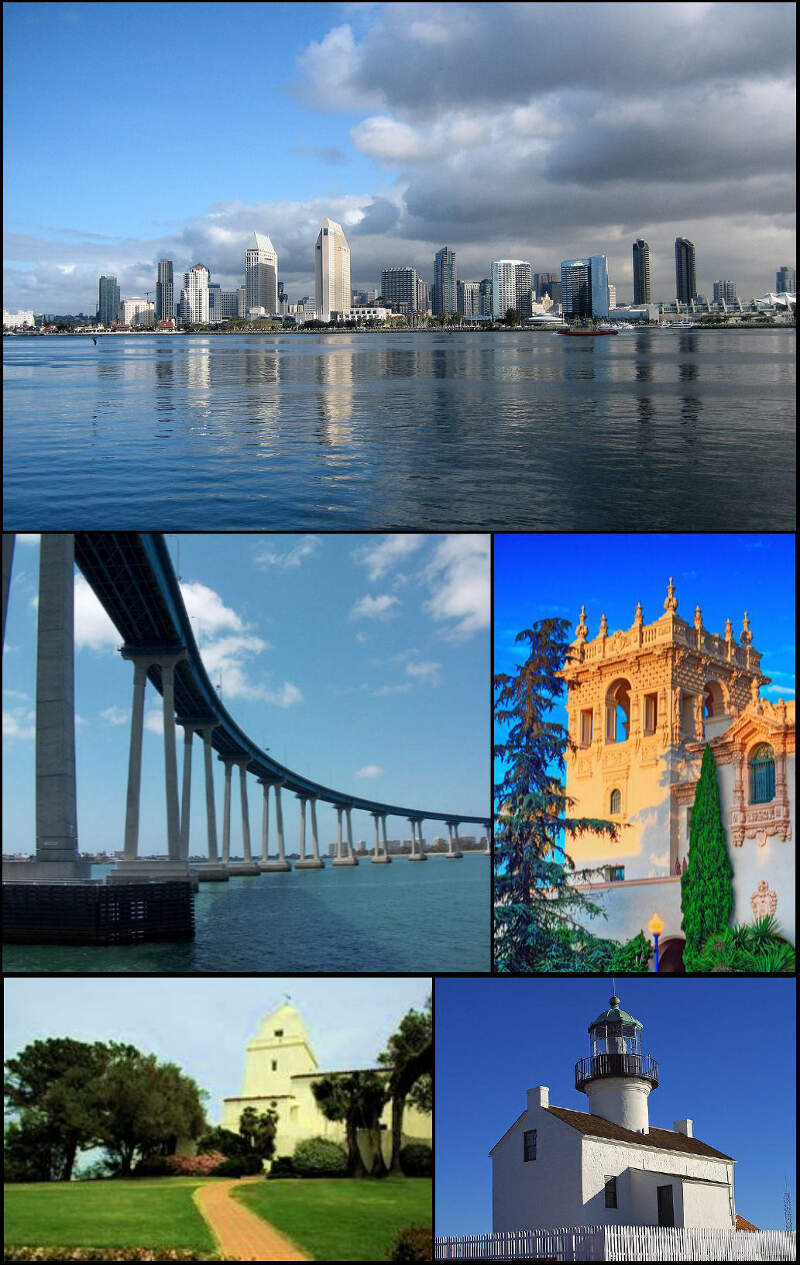
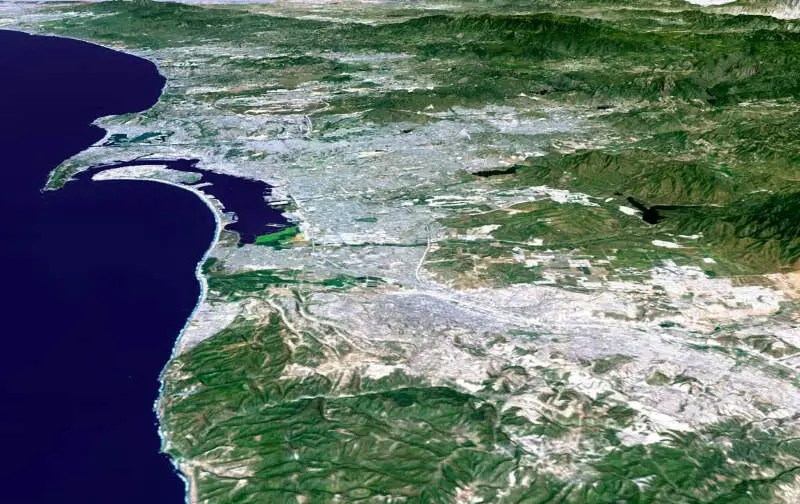
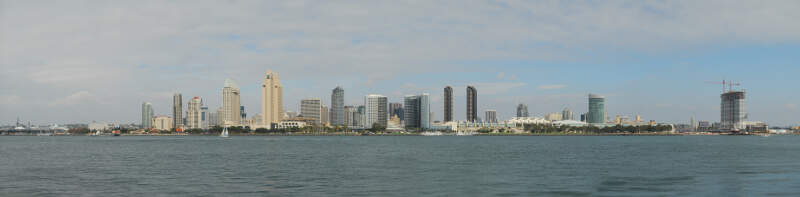
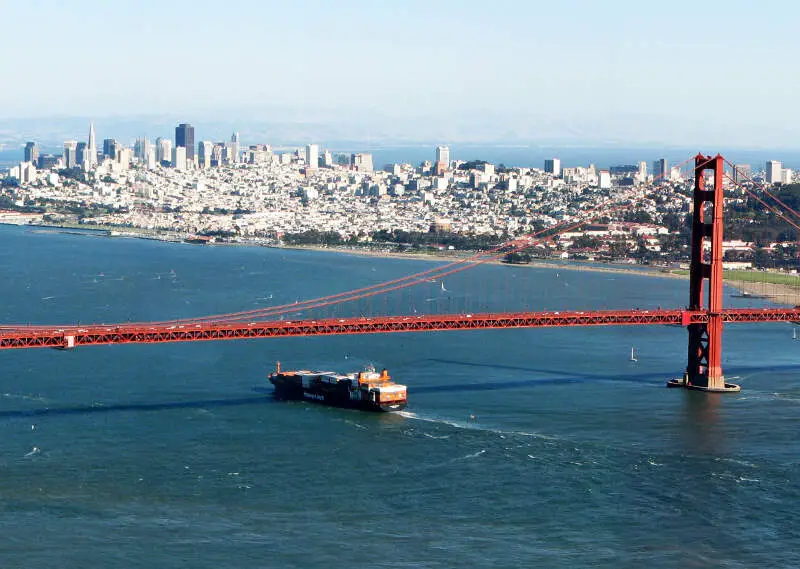
San Diego vs. San Francisco in photos
A side-by-side look at each city.


Cost of living
San Diego is the cheaper city overall — 29% higher in San Francisco than its rival. Index baseline: 100 = national average.
| Living expense | San Diego | San Francisco | US average |
|---|---|---|---|
| Overall | 175 | 247 | 100 |
| Services | 121 | 122 | 100 |
| Groceries | 121 | 125 | 100 |
| Health | 296 | 518 | 100 |
| Housing | 127 | 132 | 100 |
| Transportation | 131 | 128 | 100 |
| Utilities | 135 | 139 | 100 |
Lower index = cheaper. 100 = U.S. national average. Bar inside each cell scales relative to the highest value in the table.
Sources: HomeSnacks Cost of Living indices, normalized so 100 = U.S. national average. Drill in: San Diego cost of living, San Francisco cost of living, or the cheapest cities in America.
Housing breakdown
Home prices are higher in San Francisco. Compare absolute price and price-to-income — a $500k home in a $100k-income city is very different from one in a $50k-income city.
| Metric | San Diego | San Francisco | United States |
|---|---|---|---|
| Median Home Value | $1,001,264 | $1,356,661 | $332,700 |
| Median Rent | $2,313 | $2,476 | $1,413 |
| Median Income | $108,077 | $140,970 | $80,734 |
| Home Value To Income | 9.3x | 9.6x | 4.1x |
| Rent To Monthly Income | 0.26x | 0.21x | 0.21x |
Source: U.S. Census Bureau ACS 2020-2024. See also states with the highest rent in America.
Crime
San Diego is the safer city — total crime rate of 2,082 per 100k people vs 4,526 for San Francisco. US average: 2,119.
| Crime (per 100k) | San Diego | San Francisco | US average |
|---|---|---|---|
| Total crime | 2,082 | 4,526 | 2,119 |
| Murder | 3 | 4 | 5 |
| Robbery | 77 | 267 | 61 |
| Aggravated Assault | 311 | 290 | 256 |
| Violent Crime | 412 | 596 | 359 |
| Burglary | 187 | 637 | 229 |
| Larceny | 1,087 | 2,619 | 1,272 |
| Car Theft | 396 | 673 | 259 |
| Property Crime | 1,670 | 3,929 | 1,760 |
Lower = safer. Bar inside each cell scales relative to the highest crime rate in the table.
Source: FBI Uniform Crime Reporting (2024). All rates are per 100,000 people. City pages: San Diego crime, San Francisco crime. See also: safest cities in America.
Diversity
San Francisco is more racially diverse — lower HHI (closer to 0) means a more even mix across groups.
| Group | San Diego | San Francisco | United States |
|---|---|---|---|
| White | 40.9% | 36.8% | 57.4% |
| African American | 5.3% | 4.7% | 11.9% |
| American Indian | 0.2% | 0.2% | 0.5% |
| Asian | 17.3% | 34.9% | 5.9% |
| Hawaiian | 0.4% | 0.3% | 0.2% |
| Other | 0.7% | 0.8% | 0.6% |
| Two Or More | 5.5% | 6.1% | 4.3% |
| Hispanic | 29.8% | 16.2% | 19.3% |
Source: U.S. Census ACS 2020-2024. Lower HHI = more even racial mix. See also: most diverse cities in America.
SnackAbility — overall quality of life
San Francisco scores higher overall — 8.5/10 vs 8/10. SnackAbility is our 1–10 quality-of-life score; the median U.S. city scores a 7.
Scores are 0–10; both bars share the same scale.
SnackAbility is a HomeSnacks proprietary 1–10 score blending jobs, housing, education, commute, amenities, affordability, crime, and diversity. Median U.S. city ≈ 7. Data: Census, BLS, FBI. See also: best places to live in America.
Getting around: San Diego vs. San Francisco
How each city handles commuting, transit, walkability, and car culture — the day-to-day reality that shapes where you'd actually want to live.
San Diego is built for drivers. The freeway grid (I-5, I-8, I-15) is extensive, and parking is far more manageable than in San Francisco. Without a car, commuting to Sorrento Valley or Chula Vista gets frustrating fast.
The Metropolitan Transit System runs buses and the Trolley (Green, Blue, and Orange lines), but coverage outside Downtown, Mission Valley, and SDSU is thin.
San Francisco demands less car dependency. BART connects the East Bay and SFO to downtown, while Muni Metro, the F Market streetcar, and a dense bus network cover most neighborhoods. Parking garages can run $40 a day, and owning a car in the Richmond or the Mission often feels more trouble than it's worth.
For transit commuters, SF is the clear pick; for anyone driving regionally, San Diego is far less punishing.
Jobs and careers in San Diego vs. San Francisco
The local job market, dominant industries, and which city to choose based on your career.
San Diego's economy runs on defense and aerospace (Northrop Grumman, SPAWAR, General Atomics), biotech and life sciences (the Torrey Pines Mesa corridor is one of the densest biopharma clusters in the country), and tourism tied to the Port and hospitality sector. The median household income is $108,077, and the growing tech presence in Sorrento Valley is attracting software talent priced out of the Bay Area.
San Francisco pays more: median household income hits $140,970, driven by the Finance District's investment firms and tech companies in SoMa and across the broader peninsula. Salesforce, Stripe, and Airbnb all maintain major SF offices. A cost of living index of 247 versus San Diego's 175 means those bigger paychecks disappear fast, and tech layoffs hit SF disproportionately hard.
Weather and climate
What to expect day-to-day — sun, fog, heat, rain, and the seasonal extremes that shape the lifestyle.
San Diego gets roughly 266 sunny days a year, temperatures that rarely dip below 50°F or climb past 85°F, and almost no rain outside December through February. June Gloom (a marine layer that settles over the coast each morning in early summer) catches newcomers off guard, but it usually burns off by noon.
San Francisco is harder to read. Mark Twain's alleged quip about the coldest winter being a San Francisco summer holds up in the Sunset and Richmond districts, where Karl the Fog can park for days. Neighborhoods matter a lot: the Mission runs 10°F warmer than Ocean Beach on the same afternoon.
If year-round outdoor comfort is your priority, San Diego wins. If you don't mind layering up and like dramatic, moody skies, SF has its appeal.
Culture, nightlife, and entertainment
Food, music, neighborhoods, and the city vibe that gives each place its personality.
San Diego skews casual. The Gaslamp Quarter is the main nightlife hub, dense with bars, clubs, and restaurants along Fifth Avenue, while North Park and South Park offer a grittier, indie-leaning scene with craft breweries (San Diego has a legitimate claim to being the craft beer capital of the U.S.), art galleries, and live music. The city's large military population and proximity to the border give it a cultural texture you won't find in SF.
San Francisco has a more layered arts and nightlife scene. The Castro, the Mission's 24th Street corridor, Hayes Valley, and North Beach each have distinct characters and decades of history behind them. The SFMOMA, the Symphony at Davies Hall, and the Fillmore are genuine institutions.
SF does carry higher street-level disorder: a total crime rate of 4,526 per 100k versus San Diego's 2,082, worth factoring in when choosing where to spend a night out.
Outdoor activities and day trips
Parks, beaches, hikes, and the weekend escapes that define life outside the city limits.
San Diego's outdoor life revolves around the coast and canyons. Balboa Park gives you 1,200 acres of trails, museums, and gardens minutes from downtown; Mission Trails Regional Park is a legitimate wilderness escape inside city limits. The beaches (La Jolla Cove, Pacific Beach, Coronado) are warm enough to use year-round, and the drive to Anza-Borrego Desert State Park or the Laguna Mountains takes under two hours.
San Francisco counters with Golden Gate Park (larger than Central Park), easy access to the Marin Headlands via the Golden Gate Bridge, and Point Reyes National Seashore about an hour north. Mount Tamalpais has 50+ miles of trails with bay views, and Muir Woods puts old-growth redwoods within 30 minutes of the city.
The water is too cold for comfortable swimming, but surfing, sea kayaking, and kiteboarding at Crissy Field are popular. For beach days and warm-weather paddling, San Diego wins; for rugged hiking variety near a major city, the two are genuinely close.
Bottom line: which city is right for you?
Based on the head-to-head data above, here's the short version — pick the city that lines up with what you actually care about.
Choose San Diego if you prioritize…
- a lower cost of living (cheaper groceries, services, and day-to-day expenses).
- lower crime — a safer place to live, work, and raise a family.
Choose San Francisco if you prioritize…
- more affordable housing relative to San Diego.
- a more racially diverse community (lower HHI on Census data).
- a higher overall SnackAbility quality-of-life score.
Methodology: winners are picked from public data — U.S. Census Bureau ACS (income, home value, rent, race/HHI), FBI Uniform Crime Reporting (crime rates per 100k), and HomeSnacks' proprietary SnackAbility quality-of-life score, which blends Bureau of Labor Statistics data with the above.
Other comparisons
Still weighing your options? See how these two cities stack up against other places we've compared head-to-head.