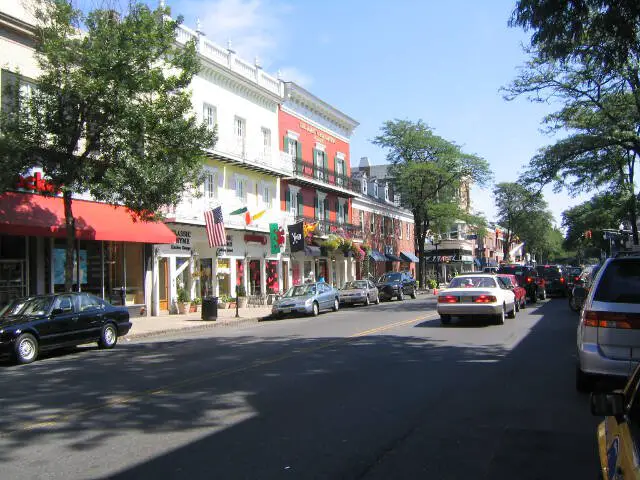
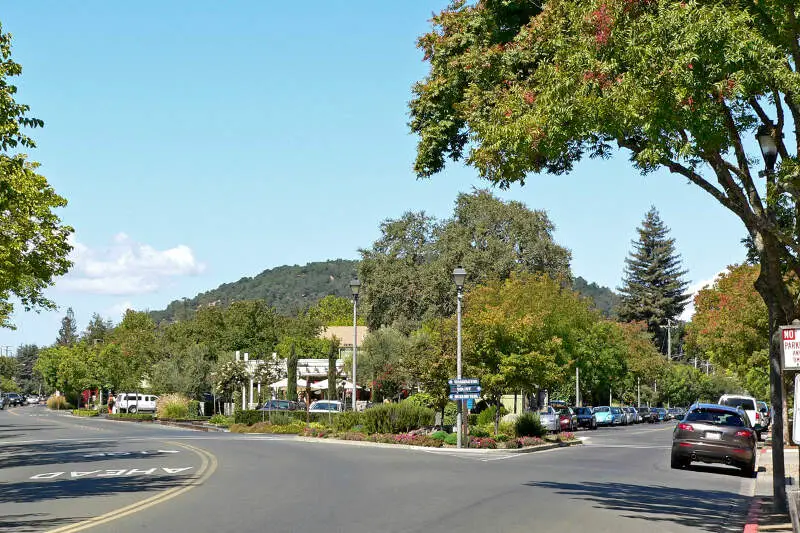
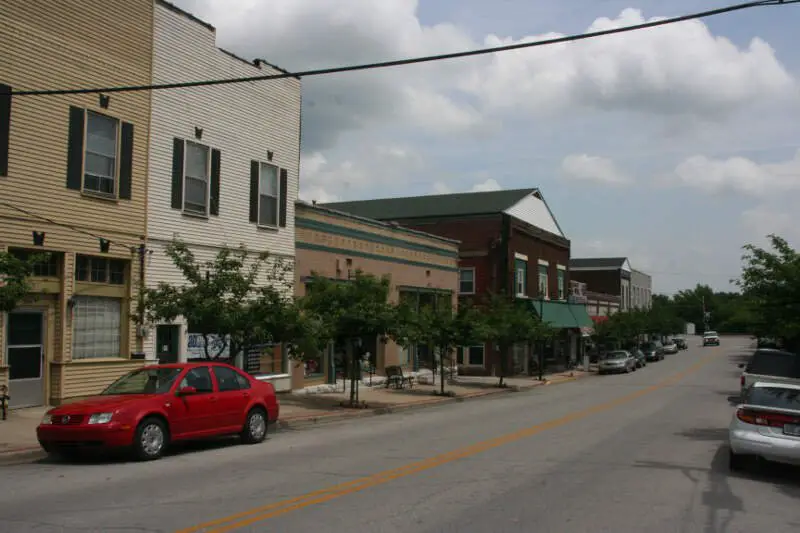
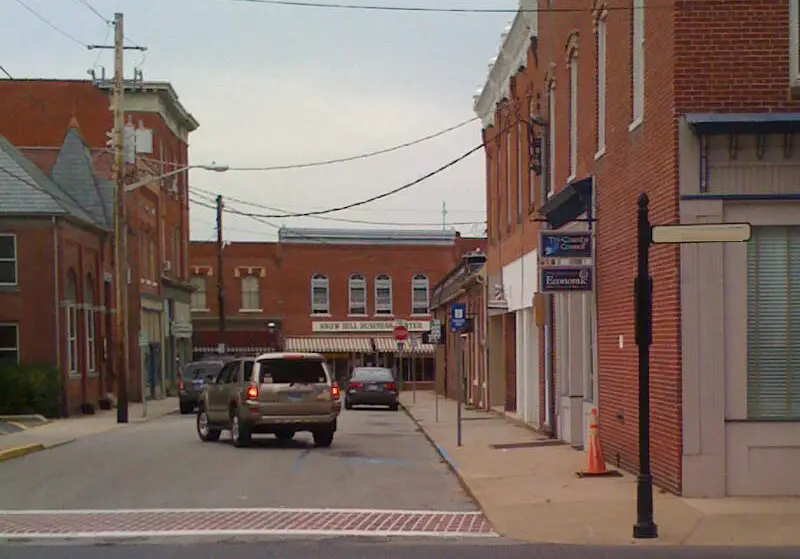
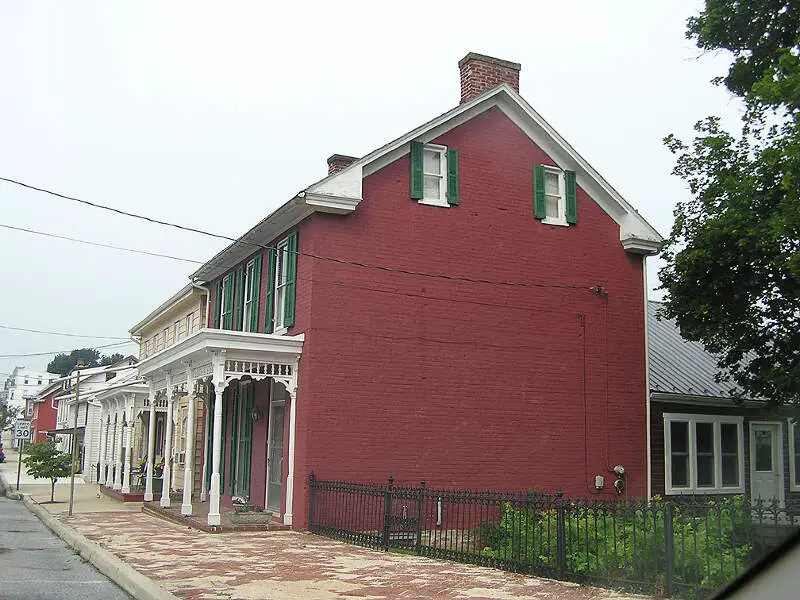
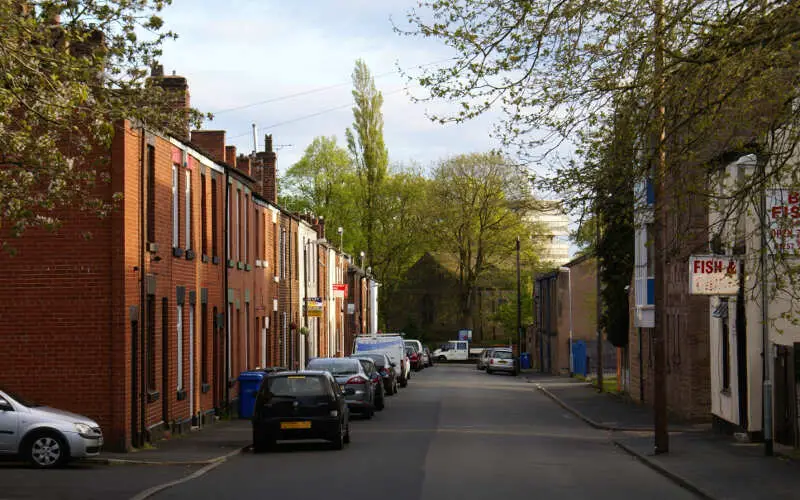
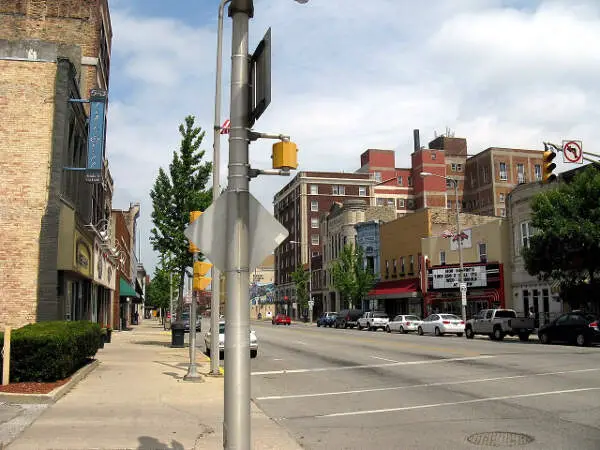
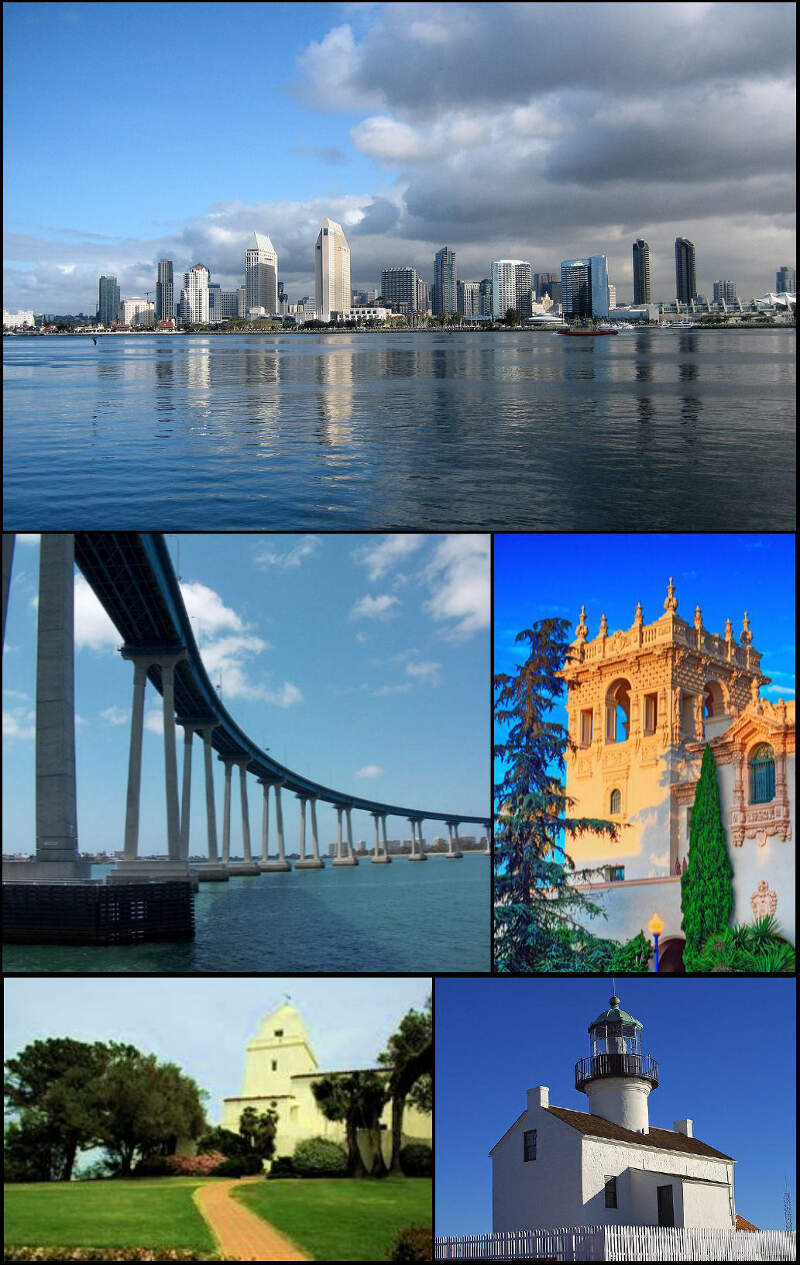
San Diego vs. San Jose in photos
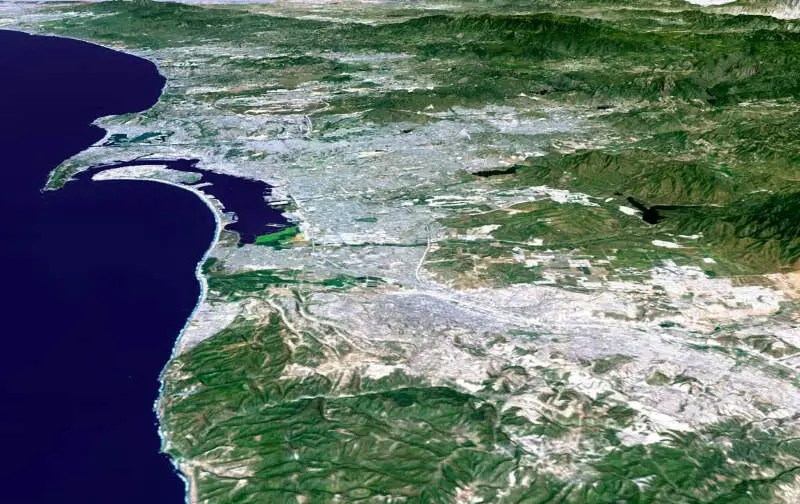
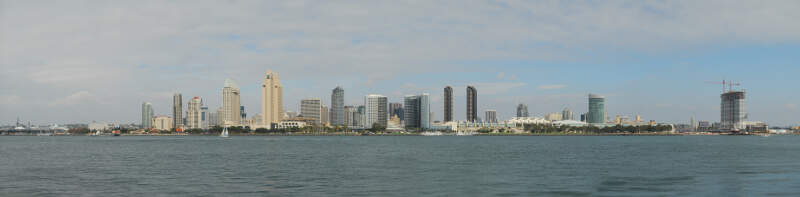
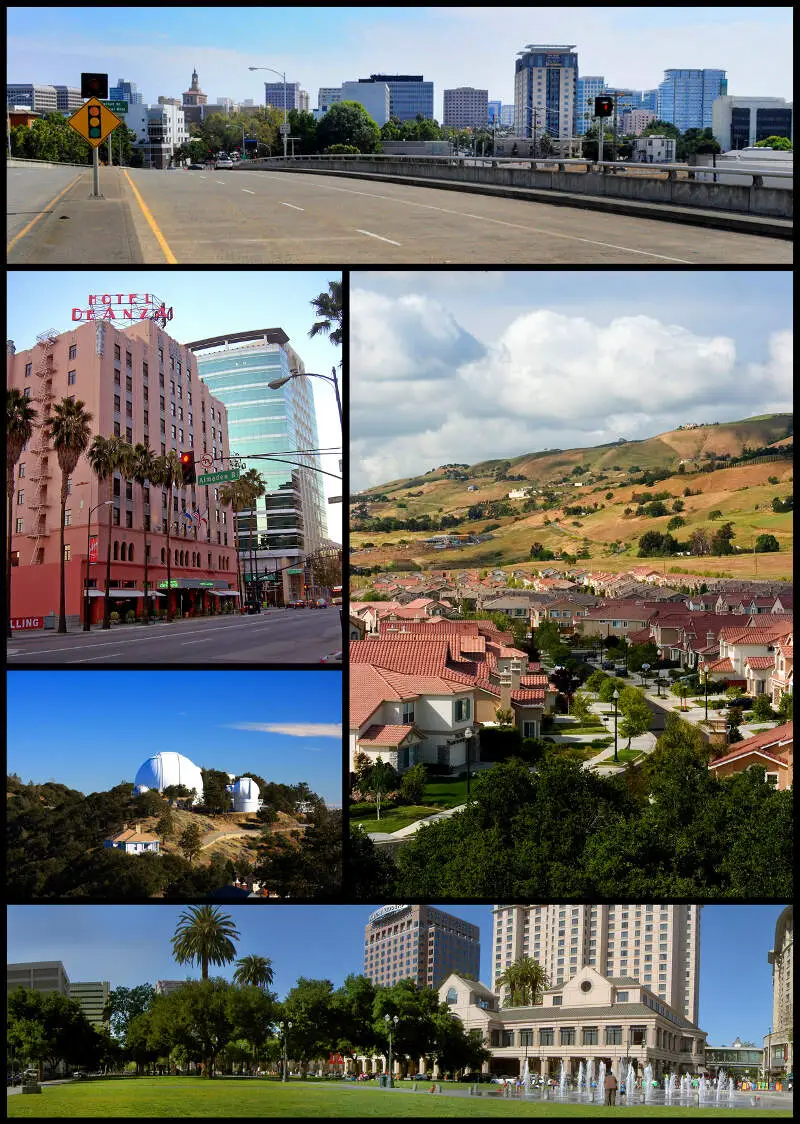
A side-by-side look at each city.


Cost of living
San Diego is the cheaper city overall — 19% higher in San Jose than its rival. Index baseline: 100 = national average.
| Living expense | San Diego | San Jose | US average |
|---|---|---|---|
| Overall | 175 | 216 | 100 |
| Services | 121 | 119 | 100 |
| Groceries | 121 | 125 | 100 |
| Health | 296 | 425 | 100 |
| Housing | 127 | 135 | 100 |
| Transportation | 131 | 132 | 100 |
| Utilities | 135 | 136 | 100 |
Lower index = cheaper. 100 = U.S. national average. Bar inside each cell scales relative to the highest value in the table.
Sources: HomeSnacks Cost of Living indices, normalized so 100 = U.S. national average. Drill in: San Diego cost of living, San Jose cost of living, or the cheapest cities in America.
Housing breakdown
Home prices are higher in San Jose. Compare absolute price and price-to-income — a $500k home in a $100k-income city is very different from one in a $50k-income city.
| Metric | San Diego | San Jose | United States |
|---|---|---|---|
| Median Home Value | $1,001,264 | $1,463,614 | $332,700 |
| Median Rent | $2,313 | $2,669 | $1,413 |
| Median Income | $108,077 | $146,427 | $80,734 |
| Home Value To Income | 9.3x | 10.0x | 4.1x |
| Rent To Monthly Income | 0.26x | 0.22x | 0.21x |
Source: U.S. Census Bureau ACS 2020-2024. See also states with the highest rent in America.
Crime
San Diego is the safer city — total crime rate of 2,082 per 100k people vs 3,195 for San Jose. US average: 2,119.
| Crime (per 100k) | San Diego | San Jose | US average |
|---|---|---|---|
| Total crime | 2,082 | 3,195 | 2,119 |
| Murder | 3 | 3 | 5 |
| Robbery | 77 | 141 | 61 |
| Aggravated Assault | 311 | 386 | 256 |
| Violent Crime | 412 | 607 | 359 |
| Burglary | 187 | 427 | 229 |
| Larceny | 1,087 | 1,523 | 1,272 |
| Car Theft | 396 | 638 | 259 |
| Property Crime | 1,670 | 2,588 | 1,760 |
Lower = safer. Bar inside each cell scales relative to the highest crime rate in the table.
Source: FBI Uniform Crime Reporting (2024). All rates are per 100,000 people. City pages: San Diego crime, San Jose crime. See also: safest cities in America.
Diversity
San Diego is more racially diverse — lower HHI (closer to 0) means a more even mix across groups.
| Group | San Diego | San Jose | United States |
|---|---|---|---|
| White | 40.9% | 22.3% | 57.4% |
| African American | 5.3% | 2.7% | 11.9% |
| American Indian | 0.2% | 0.2% | 0.5% |
| Asian | 17.3% | 39.2% | 5.9% |
| Hawaiian | 0.4% | 0.5% | 0.2% |
| Other | 0.7% | 0.5% | 0.6% |
| Two Or More | 5.5% | 3.8% | 4.3% |
| Hispanic | 29.8% | 30.8% | 19.3% |
Source: U.S. Census ACS 2020-2024. Lower HHI = more even racial mix. See also: most diverse cities in America.
SnackAbility — overall quality of life
San Jose scores higher overall — 8.5/10 vs 8/10. SnackAbility is our 1–10 quality-of-life score; the median U.S. city scores a 7.
Scores are 0–10; both bars share the same scale.
SnackAbility is a HomeSnacks proprietary 1–10 score blending jobs, housing, education, commute, amenities, affordability, crime, and diversity. Median U.S. city ≈ 7. Data: Census, BLS, FBI. See also: best places to live in America.
Getting around: San Diego vs. San Jose
How each city handles commuting, transit, walkability, and car culture — the day-to-day reality that shapes where you'd actually want to live.
San Diego runs on the MTS network: three trolley lines (Blue, Green, Orange) plus an extensive bus grid. The Coaster commuter rail links downtown to Oceanside for North County commuters, and the city has put in protected bike lanes in neighborhoods like North Park and Mission Valley. Most residents still drive, and freeway congestion on the 5, 8, and 163 is a daily reality.
San Jose offers more regional connectivity, which matters if your job is elsewhere in the Bay Area. VTA light rail and buses serve the city, Caltrain runs up the Peninsula to San Francisco, and the BART extension now reaches Berryessa and Milpitas. Even so, San Jose is fundamentally car-dependent, and commuting to Apple's campus in Cupertino or Google in Mountain View almost always means sitting on the 101 or 85.
Jobs and careers in San Diego vs. San Jose
The local job market, dominant industries, and which city to choose based on your career.
San Diego's economy runs on defense and aerospace (General Atomics, Northrop Grumman, SAIC, and L3Harris all have major operations here), life sciences and biotech (the Torrey Pines and Sorrento Valley corridors are among the densest biotech clusters in the country), and tourism and hospitality. UC San Diego and its affiliated research hospitals anchor a deep healthcare sector. The median household income is $108,077, solid but noticeably below San Jose.
San Jose sits at the center of Silicon Valley, and the job market reflects it. Cisco, Adobe, and PayPal are headquartered here, and Apple, Google, Intel, and Meta are within a short commute — that concentration of high-wage tech employment pushes the median household income to $146,427, about $38,000 more than San Diego. The catch is cost of living: San Jose's index hits 216 against the US average of 100, versus San Diego's already-elevated 175, so those bigger paychecks get absorbed quickly by housing and day-to-day expenses.
Weather and climate
What to expect day-to-day — sun, fog, heat, rain, and the seasonal extremes that shape the lifestyle.
San Diego's weather reputation is largely deserved: mild and sunny most of the year, with warm summers kept in check by the marine layer off the Pacific and cool but not cold winters. Rainfall comes mostly between December and March. If you're sensitive to grey mornings, the coastal "May Gray / June Gloom" pattern can drag on, but it usually burns off by midday.
San Jose sits inland from San Francisco Bay, and the climate is Mediterranean but with more temperature swing. Summers regularly push into the mid-90s (the South Bay bakes during heat waves in a way the San Diego coast never does), and winters are mild but often foggy; annual rainfall is comparable to San Diego's, concentrated in winter. If beach-moderated temperatures are non-negotiable, San Diego has a clear edge; if you just want warmth without humidity, either city works.
Culture, nightlife, and entertainment
Food, music, neighborhoods, and the city vibe that gives each place its personality.
San Diego punches above its weight on culture and nightlife for a city its size. The Gaslamp Quarter is the traditional downtown hub, but North Park and South Park have become the more interesting destinations, dense with independent bars, craft breweries, live music venues, and walkable restaurant blocks. Balboa Park alone hosts 17 museums, the Old Globe Theatre, and the San Diego Zoo.
San Jose's downtown has improved considerably, anchored by the SAP Center (home of the Sharks), San Pedro Square Market, and a growing restaurant scene around South First Street; Santana Row adds a polished dining and shopping strip. The city's population is younger and internationally diverse, which shows in the food: some of the best Vietnamese, Indian, and Mexican restaurants in Northern California are scattered across its neighborhoods. Nightlife is still more limited than San Francisco's, and many residents make the drive north for a bigger night out.
Outdoor activities and day trips
Parks, beaches, hikes, and the weekend escapes that define life outside the city limits.
San Diego's outdoor options are hard to match on the West Coast. You can surf at Pacific Beach or Ocean Beach in the morning, hike at Torrey Pines State Natural Reserve by afternoon, and mountain bike in Mission Trails Regional Park on the weekend. Anza-Borrego Desert State Park is a two-hour drive for a genuinely different landscape (wildflowers in spring, stark canyon hiking year-round), and the coastline from La Jolla Cove to Coronado is close enough to make a beach day a realistic weekday option.
San Jose's outdoors scene relies more on proximity than what's within city limits. Alum Rock Park offers solid hiking close in, but the bigger draws are nearby: Castle Rock State Park and Big Basin Redwoods in the Santa Cruz Mountains are under an hour away, and Lake Tahoe is a four-hour drive for skiing or summer hiking. If you want mountains, ocean, and desert within a short radius, San Diego covers more bases; if Tahoe and Napa wine country matter more, San Jose's Bay Area location is a genuine advantage.
Bottom line: which city is right for you?
Based on the head-to-head data above, here's the short version — pick the city that lines up with what you actually care about.
Choose San Diego if you prioritize…
- a lower cost of living (cheaper groceries, services, and day-to-day expenses).
- lower crime — a safer place to live, work, and raise a family.
- a more racially diverse community (lower HHI on Census data).
Choose San Jose if you prioritize…
- more affordable housing relative to San Diego.
- a higher overall SnackAbility quality-of-life score.
Methodology: winners are picked from public data — U.S. Census Bureau ACS (income, home value, rent, race/HHI), FBI Uniform Crime Reporting (crime rates per 100k), and HomeSnacks' proprietary SnackAbility quality-of-life score, which blends Bureau of Labor Statistics data with the above.
Other comparisons
Still weighing your options? See how these two cities stack up against other places we've compared head-to-head.