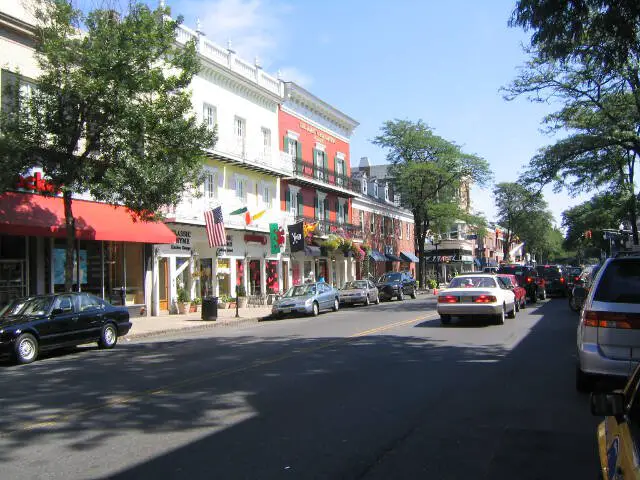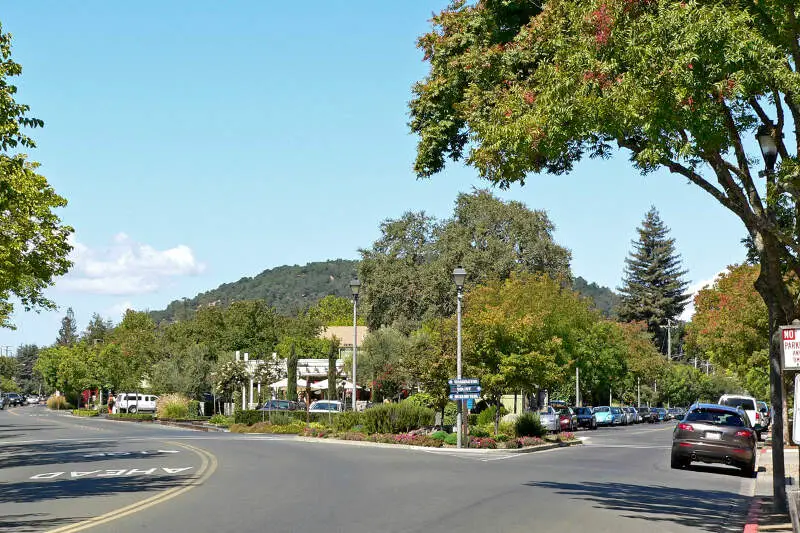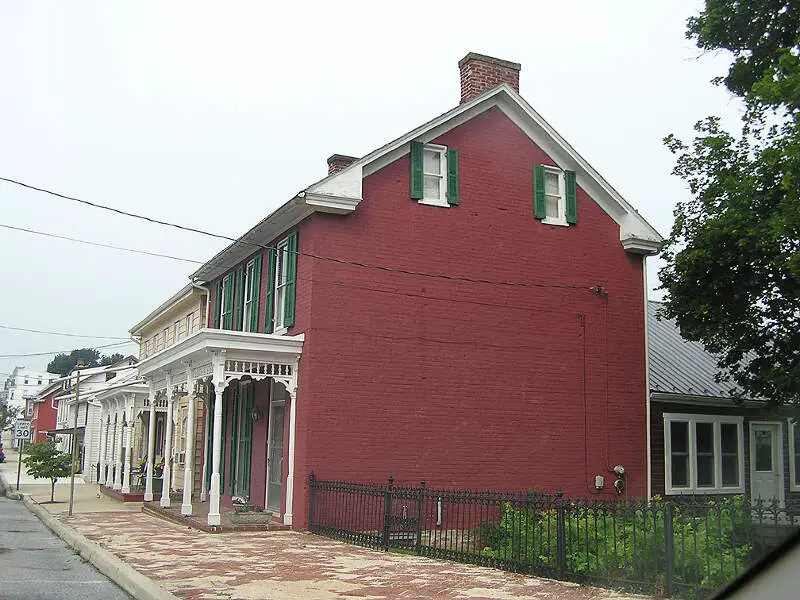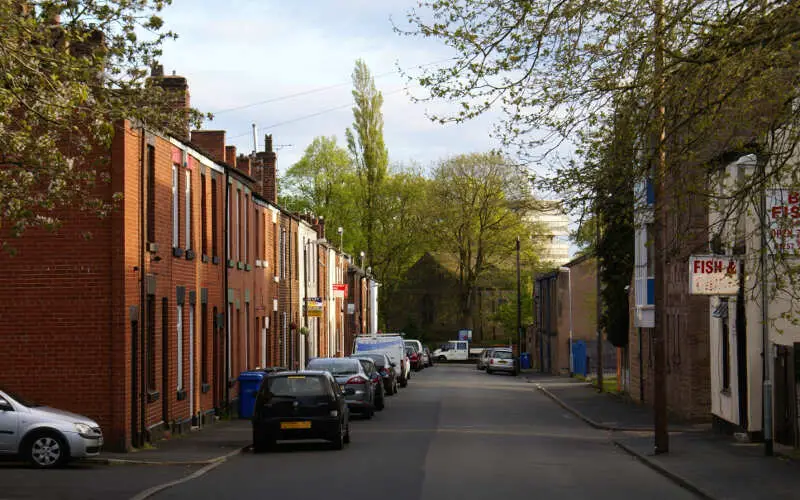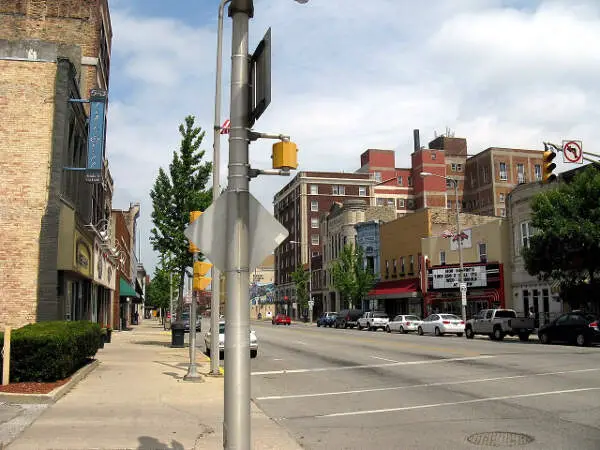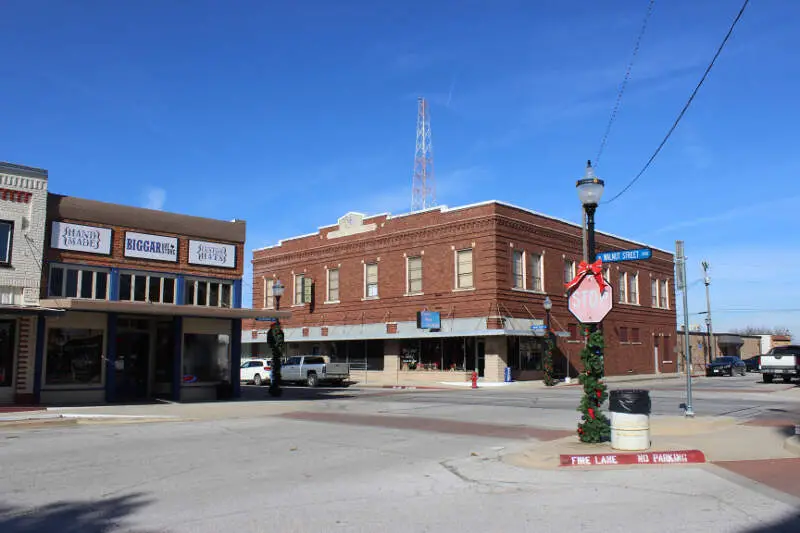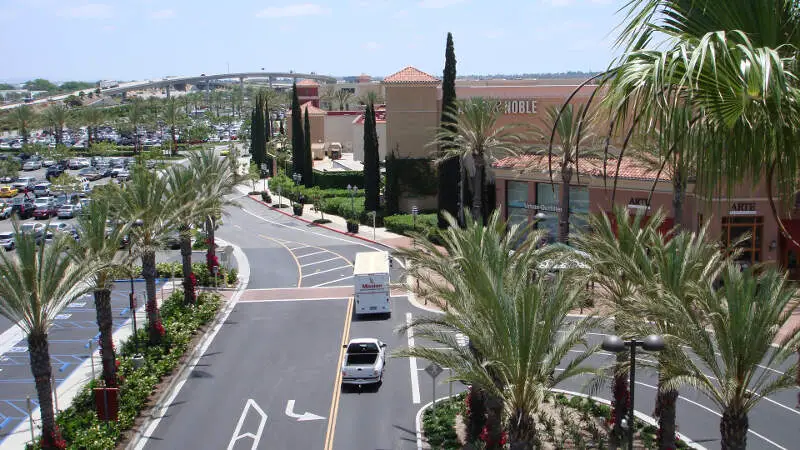
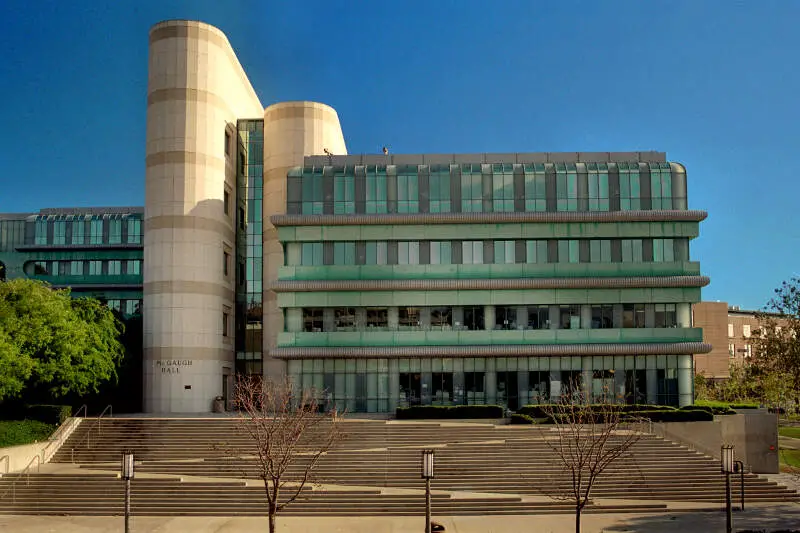
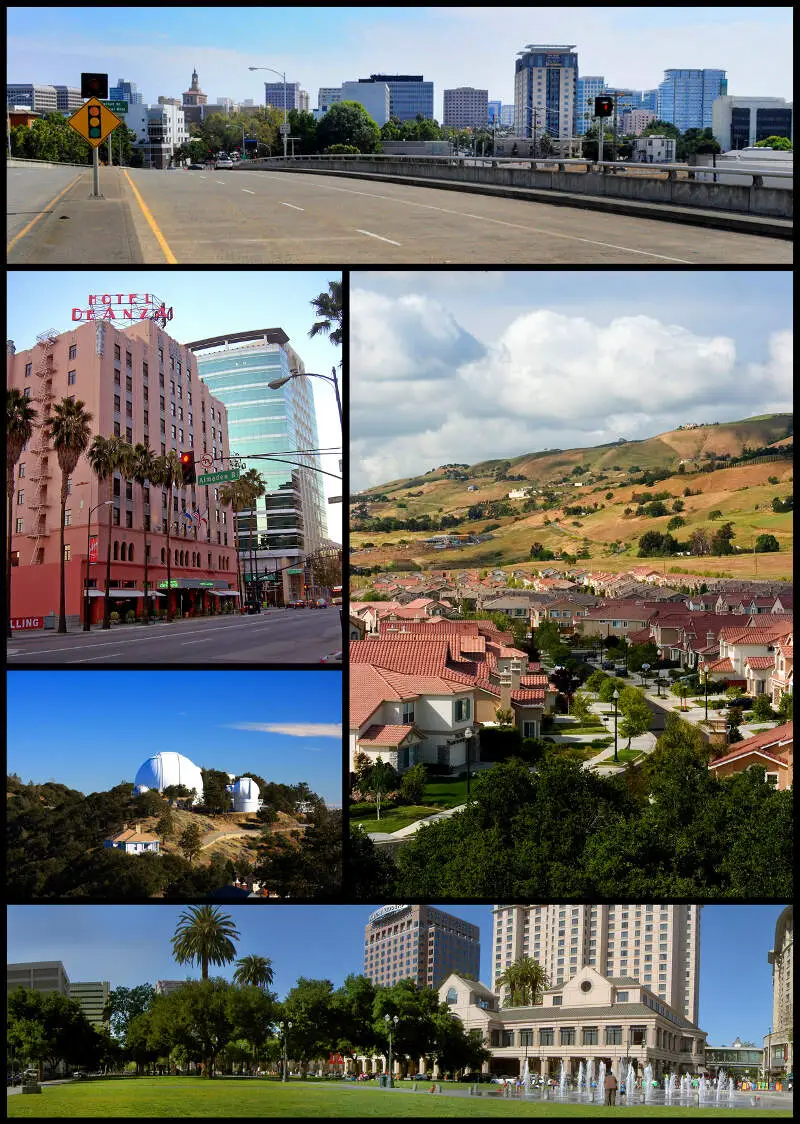
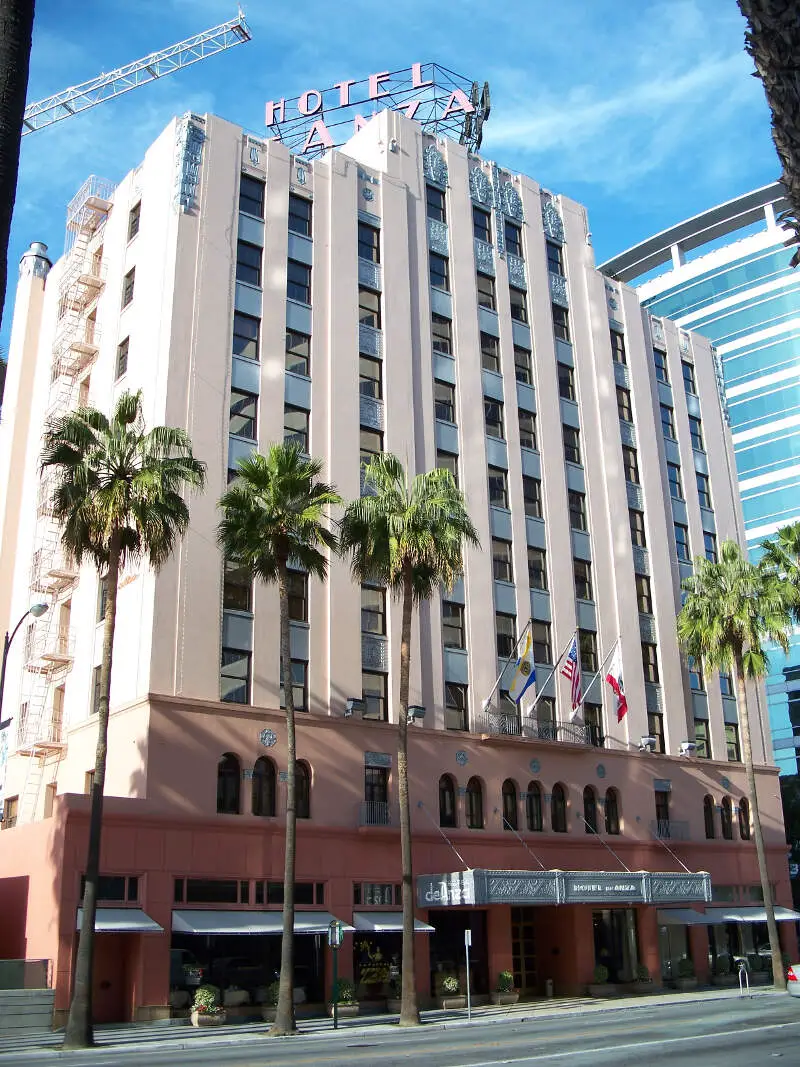
Irvine vs. San Jose in photos
A side-by-side look at each city.


Cost of living
Irvine is the cheaper city overall — 3% higher in San Jose than its rival. Index baseline: 100 = national average.
| Living expense | Irvine | San Jose | US average |
|---|---|---|---|
| Overall | 209 | 216 | 100 |
| Services | 119 | 119 | 100 |
| Groceries | 120 | 125 | 100 |
| Health | 409 | 425 | 100 |
| Housing | 124 | 135 | 100 |
| Transportation | 125 | 132 | 100 |
| Utilities | 129 | 136 | 100 |
Lower index = cheaper. 100 = U.S. national average. Bar inside each cell scales relative to the highest value in the table.
Sources: HomeSnacks Cost of Living indices, normalized so 100 = U.S. national average. Drill in: Irvine cost of living, San Jose cost of living, or the cheapest cities in America.
Housing breakdown
Home prices are higher in Irvine. Compare absolute price and price-to-income — a $500k home in a $100k-income city is very different from one in a $50k-income city.
| Metric | Irvine | San Jose | United States |
|---|---|---|---|
| Median Home Value | $1,557,981 | $1,463,614 | $332,700 |
| Median Rent | $2,997 | $2,669 | $1,413 |
| Median Income | $136,719 | $146,427 | $80,734 |
| Home Value To Income | 11.4x | 10.0x | 4.1x |
| Rent To Monthly Income | 0.26x | 0.22x | 0.21x |
Source: U.S. Census Bureau ACS 2020-2024. See also states with the highest rent in America.
Crime
Irvine is the safer city — total crime rate of 1,474 per 100k people vs 3,195 for San Jose. US average: 2,119.
| Crime (per 100k) | Irvine | San Jose | US average |
|---|---|---|---|
| Total crime | 1,474 | 3,195 | 2,119 |
| Murder | 2 | 3 | 5 |
| Robbery | 22 | 141 | 61 |
| Aggravated Assault | 47 | 386 | 256 |
| Violent Crime | 84 | 607 | 359 |
| Burglary | 198 | 427 | 229 |
| Larceny | 1,122 | 1,523 | 1,272 |
| Car Theft | 70 | 638 | 259 |
| Property Crime | 1,390 | 2,588 | 1,760 |
Lower = safer. Bar inside each cell scales relative to the highest crime rate in the table.
Source: FBI Uniform Crime Reporting (2024). All rates are per 100,000 people. City pages: Irvine crime, San Jose crime. See also: safest cities in America.
Diversity
San Jose is more racially diverse — lower HHI (closer to 0) means a more even mix across groups.
| Group | Irvine | San Jose | United States |
|---|---|---|---|
| White | 34.3% | 22.3% | 57.4% |
| African American | 1.9% | 2.7% | 11.9% |
| American Indian | 0.1% | 0.2% | 0.5% |
| Asian | 44.6% | 39.2% | 5.9% |
| Hawaiian | 0.4% | 0.5% | 0.2% |
| Other | 0.8% | 0.5% | 0.6% |
| Two Or More | 6.4% | 3.8% | 4.3% |
| Hispanic | 11.4% | 30.8% | 19.3% |
Source: U.S. Census ACS 2020-2024. Lower HHI = more even racial mix. See also: most diverse cities in America.
SnackAbility — overall quality of life
Irvine scores higher overall — 9/10 vs 8.5/10. SnackAbility is our 1–10 quality-of-life score; the median U.S. city scores a 7.
Scores are 0–10; both bars share the same scale.
SnackAbility is a HomeSnacks proprietary 1–10 score blending jobs, housing, education, commute, amenities, affordability, crime, and diversity. Median U.S. city ≈ 7. Data: Census, BLS, FBI. See also: best places to live in America.
Getting around: Irvine vs. San Jose
How each city handles commuting, transit, walkability, and car culture — the day-to-day reality that shapes where you'd actually want to live.
Both Irvine and San Jose are car-forward cities, but San Jose has meaningfully more public transit infrastructure. San Jose sits at the hub of the VTA light rail network, connects to San Francisco via Caltrain from Diridon Station, and has limited BART access through the Berryessa extension, useful if you work in the East Bay or downtown SF. If you commute by car, Highway 101 and I-280 are your daily companions, and congestion toward Palo Alto or Santa Clara is a real time cost.
Irvine is a master-planned city built around the car. The 405, 5, and 241 toll roads are the primary arteries; OCTA bus routes and the Metrolink Inland Empire–Orange County line exist but see light use. Irvine's grid-style street design and abundant parking make driving feel less chaotic than San Jose's older urban core, and if your job is in the Irvine Spectrum, the Airport Area, or the Research Park, the commute can be short and surprisingly painless.
Jobs and careers in Irvine vs. San Jose
The local job market, dominant industries, and which city to choose based on your career.
San Jose is the economic capital of Silicon Valley. Apple, Cisco, Adobe, and eBay anchor the region, and the density of venture-backed startups means opportunities span every corner of tech; a median household income of $146,427 reflects that concentration. If you're in software engineering, product management, or semiconductor design, San Jose puts you at the center of a professional network with lateral move options rarely available elsewhere.
Irvine competes more than most people expect. It hosts major employers in life sciences (Edwards Lifesciences, Masimo), cybersecurity (Cylance, Blizzard Entertainment until recently), finance (Pacific Premier Bank), and automotive tech (Hyundai Capital America), and the University of California, Irvine anchors a growing research-and-biotech corridor. Median household income sits at $136,719, and the slightly lower cost of living index (209 versus San Jose's 216) means your paycheck stretches marginally further in Irvine.
Weather and climate
What to expect day-to-day — sun, fog, heat, rain, and the seasonal extremes that shape the lifestyle.
Irvine deals the better weather hand by most metrics. Summers run in the low 80s with low humidity, and winters are mild enough that locals complain about 55-degree evenings. Rainfall is scarce and concentrated from December through March, and if you want 280 days of sunshine and zero need for a winter coat, Irvine delivers.
San Jose is also pleasant, but Bay Area microclimates complicate the picture. Summers in the South Bay are warmer and sunnier than San Francisco proper, often reaching the high 80s, though the Delta breeze can drop temperatures 20 degrees by evening, and June fog occasionally lingers into July (locals call it June Gloom). Winters are cooler than Irvine, with overnight lows dipping into the 40s regularly; both cities are essentially frost-free, but if warmth and sunshine consistency matter to you, Irvine edges ahead.
Culture, nightlife, and entertainment
Food, music, neighborhoods, and the city vibe that gives each place its personality.
San Jose punches harder culturally for a city its size. The SAP Center hosts Sharks hockey and major touring concerts; the San Jose Museum of Art and the Tech Interactive museum anchor the downtown core; and San Pedro Square Market and the SoFA District give you walkable dining, live music, and late-night options. Japantown and Little Saigon offer some of the best Vietnamese and Japanese food in Northern California.
Irvine's cultural life is polished but more planned. The Irvine Spectrum Center is the social hub: outdoor dining, a Ferris wheel, and a multiplex, and UCI's Claire Trevor School of the Arts brings legitimate performing arts to the area. Neighborhoods like Rancho Santa Margarita and nearby Newport Beach broaden your dining and bar options, but Irvine's vibe skews quieter and more suburban than San Jose's, and if walkable nightlife and spontaneous cultural programming matter to you, San Jose has a clear edge.
Outdoor activities and day trips
Parks, beaches, hikes, and the weekend escapes that define life outside the city limits.
Irvine's location in Orange County puts some of Southern California's best outdoor recreation within easy reach. Crystal Cove State Park is about 15 minutes away: tide pools, hiking trails, and a stretch of relatively uncrowded beach, and Laguna Beach's hiking and coastline is another short drive. Closer to home, the Irvine Open Space Preserve has 50-plus miles of trails through coastal sage scrub, and the OC Parks system includes Irvine Regional Park for family-friendly day use.
San Jose's outdoor options lean toward the rugged and varied. Alum Rock Park, the oldest municipal park in California, sits right at the city's edge with canyon trails and mineral springs; Almaden Quicksilver County Park has serious ridge hiking with Bay views; and drive 45 minutes over Highway 17 and you're surfing or kayaking at Santa Cruz, or two hours east to Yosemite Valley. The Santa Cruz Mountains, home to Castle Rock State Park and Big Basin, are essentially in San Jose's backyard, giving it a real advantage over Irvine's flatter inland access for hikers and weekend road-trippers.
Bottom line: which city is right for you?
Based on the head-to-head data above, here's the short version — pick the city that lines up with what you actually care about.
Choose Irvine if you prioritize…
- a lower cost of living (cheaper groceries, services, and day-to-day expenses).
- lower crime — a safer place to live, work, and raise a family.
- more affordable housing relative to San Jose.
- a higher overall SnackAbility quality-of-life score.
Choose San Jose if you prioritize…
- a more racially diverse community (lower HHI on Census data).
Methodology: winners are picked from public data — U.S. Census Bureau ACS (income, home value, rent, race/HHI), FBI Uniform Crime Reporting (crime rates per 100k), and HomeSnacks' proprietary SnackAbility quality-of-life score, which blends Bureau of Labor Statistics data with the above.
Other comparisons
Still weighing your options? See how these two cities stack up against other places we've compared head-to-head.