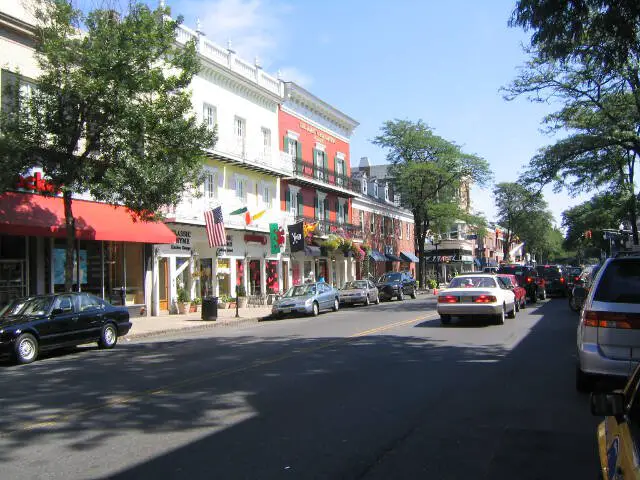
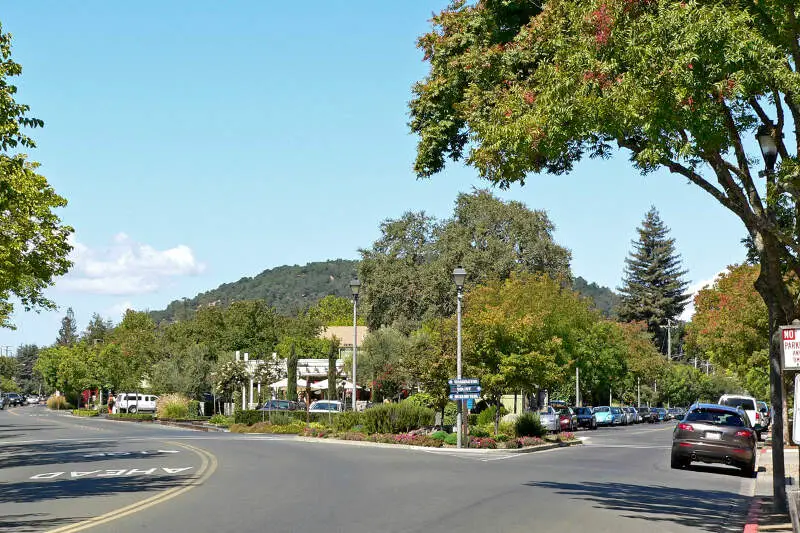
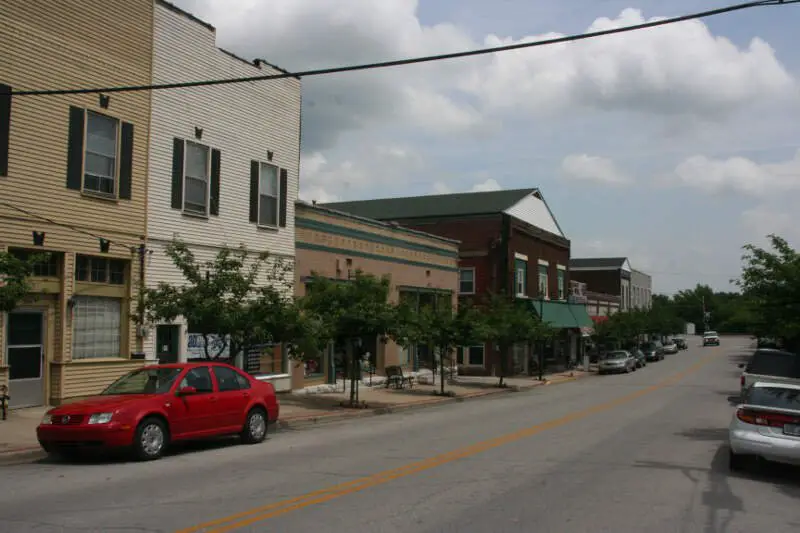
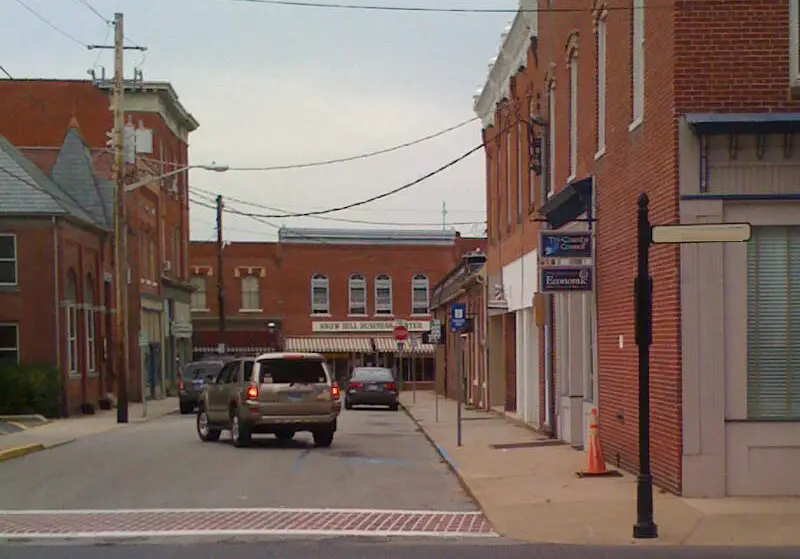
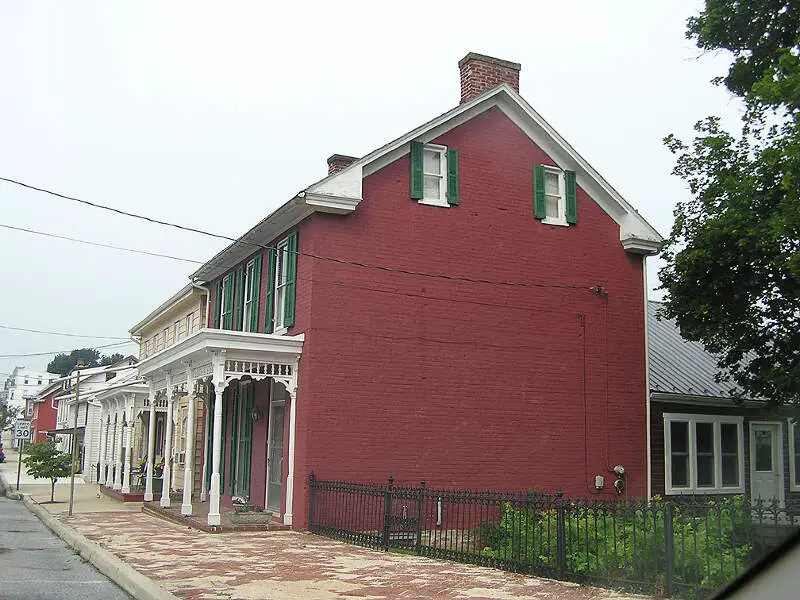
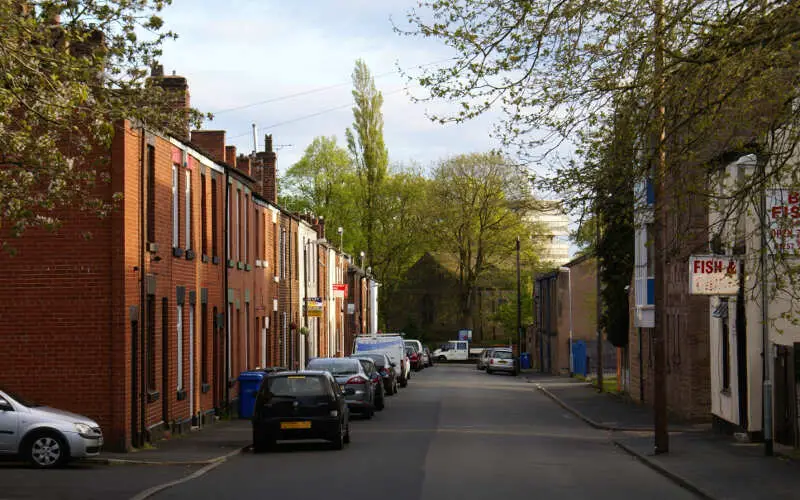
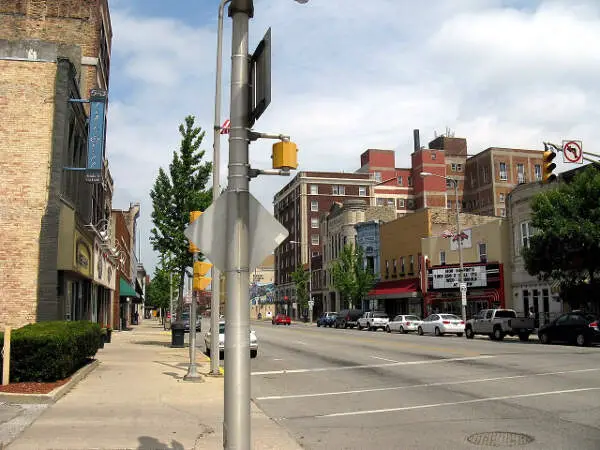
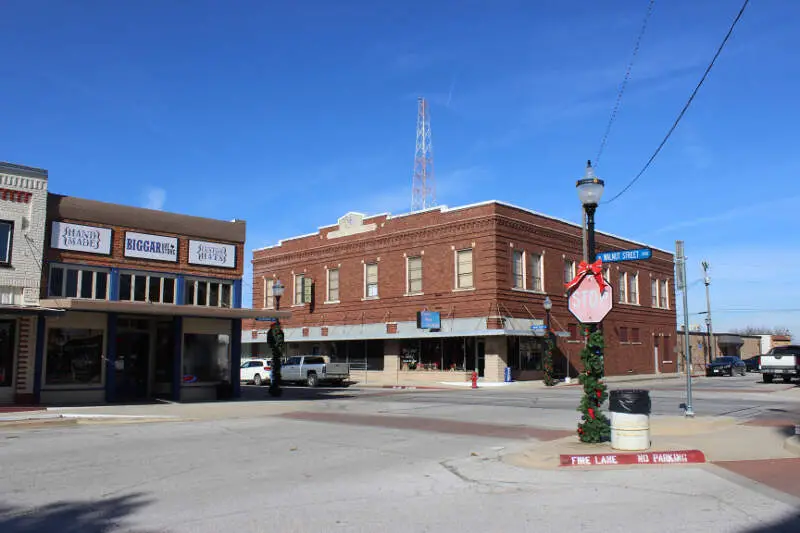
San Francisco vs. New Orleans in photos
A side-by-side look at each city.
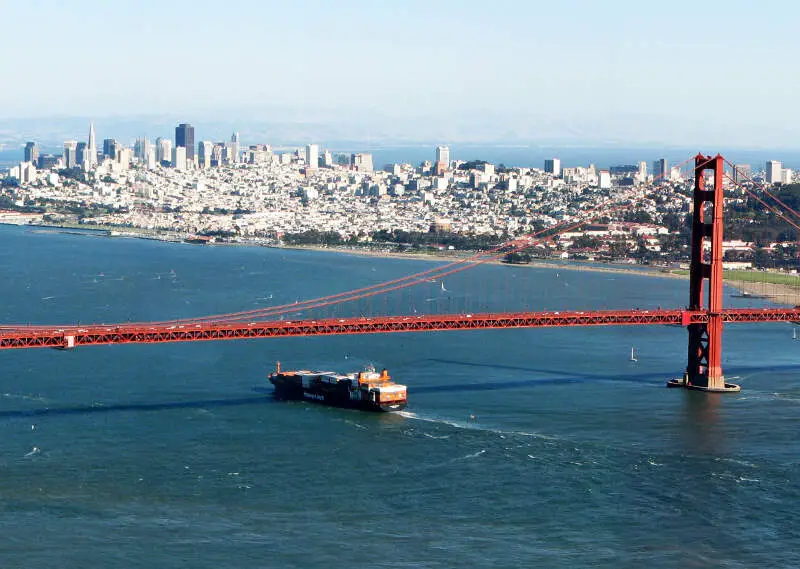




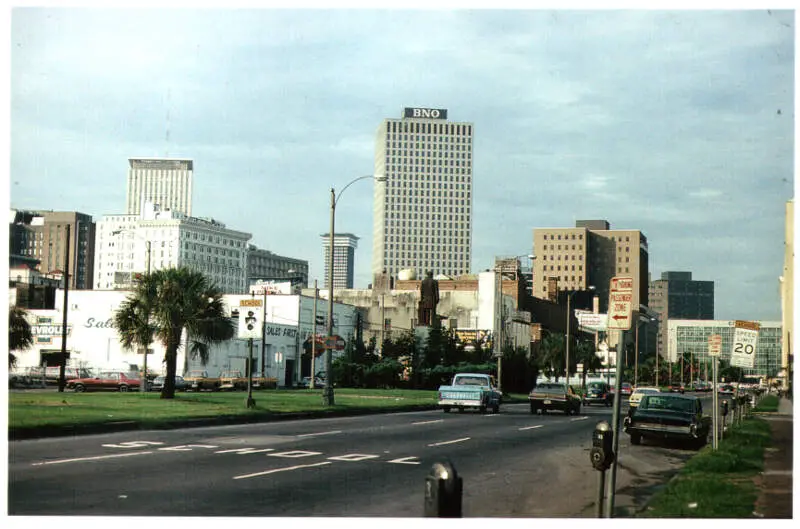
Cost of living
New Orleans is the cheaper city overall — 129% higher in San Francisco than its rival. Index baseline: 100 = national average.
| Living expense | San Francisco | New Orleans | US average |
|---|---|---|---|
| Overall | 247 | 108 | 100 |
| Services | 122 | 100 | 100 |
| Groceries | 125 | 99 | 100 |
| Health | 518 | 128 | 100 |
| Housing | 132 | 94 | 100 |
| Transportation | 128 | 97 | 100 |
| Utilities | 139 | 96 | 100 |
Lower index = cheaper. 100 = U.S. national average. Bar inside each cell scales relative to the highest value in the table.
Sources: HomeSnacks Cost of Living indices, normalized so 100 = U.S. national average. Drill in: San Francisco cost of living, New Orleans cost of living, or the cheapest cities in America.
Housing breakdown
Home prices are higher in New Orleans. Compare absolute price and price-to-income — a $500k home in a $100k-income city is very different from one in a $50k-income city.
| Metric | San Francisco | New Orleans | United States |
|---|---|---|---|
| Median Home Value | $1,356,661 | $242,492 | $332,700 |
| Median Rent | $2,476 | $1,251 | $1,413 |
| Median Income | $140,970 | $56,631 | $80,734 |
| Home Value To Income | 9.6x | 4.3x | 4.1x |
| Rent To Monthly Income | 0.21x | 0.27x | 0.21x |
Source: U.S. Census Bureau ACS 2020-2024. See also states with the highest rent in America.
Crime
San Francisco is the safer city — total crime rate of 4,526 per 100k people vs 6,451 for New Orleans. US average: 2,119.
| Crime (per 100k) | San Francisco | New Orleans | US average |
|---|---|---|---|
| Total crime | 4,526 | 6,451 | 2,119 |
| Murder | 4 | 53 | 5 |
| Robbery | 267 | 180 | 61 |
| Aggravated Assault | 290 | 941 | 256 |
| Violent Crime | 596 | 1,361 | 359 |
| Burglary | 637 | 478 | 229 |
| Larceny | 2,619 | 2,771 | 1,272 |
| Car Theft | 673 | 1,840 | 259 |
| Property Crime | 3,929 | 5,090 | 1,760 |
Lower = safer. Bar inside each cell scales relative to the highest crime rate in the table.
Source: FBI Uniform Crime Reporting (2024). All rates are per 100,000 people. City pages: San Francisco crime, New Orleans crime. See also: safest cities in America.
Diversity
San Francisco is more racially diverse — lower HHI (closer to 0) means a more even mix across groups.
| Group | San Francisco | New Orleans | United States |
|---|---|---|---|
| White | 36.8% | 30.1% | 57.4% |
| African American | 4.7% | 53.9% | 11.9% |
| American Indian | 0.2% | 0.1% | 0.5% |
| Asian | 34.9% | 2.8% | 5.9% |
| Hawaiian | 0.3% | 0.0% | 0.2% |
| Other | 0.8% | 1.0% | 0.6% |
| Two Or More | 6.1% | 4.0% | 4.3% |
| Hispanic | 16.2% | 8.2% | 19.3% |
Source: U.S. Census ACS 2020-2024. Lower HHI = more even racial mix. See also: most diverse cities in America.
SnackAbility — overall quality of life
San Francisco scores higher overall — 8.5/10 vs 4/10. SnackAbility is our 1–10 quality-of-life score; the median U.S. city scores a 7.
Scores are 0–10; both bars share the same scale.
SnackAbility is a HomeSnacks proprietary 1–10 score blending jobs, housing, education, commute, amenities, affordability, crime, and diversity. Median U.S. city ≈ 7. Data: Census, BLS, FBI. See also: best places to live in America.
Getting around: San Francisco vs. New Orleans
How each city handles commuting, transit, walkability, and car culture — the day-to-day reality that shapes where you'd actually want to live.
Getting around San Francisco without a car is genuinely practical. BART connects the city to the East Bay and SFO, Muni buses and light rail cover most neighborhoods, and the historic cable cars still run through Nob Hill and the Financial District. Bike infrastructure has grown, and many residents in the Mission or the Sunset go car-free entirely.
When you do drive, expect scarce street parking and some of the highest garage rates in the country.
New Orleans has the St. Charles streetcar line (one of the oldest continuously operating street railways in the world) and a handful of bus routes, but most residents still commute by car. The city is extremely flat, which makes cycling genuinely popular in neighborhoods like Bywater and Mid-City.
Outside the French Quarter and Uptown corridor, transit coverage is thin. If you're moving from SF expecting a robust network, adjust your expectations.
Jobs and careers in San Francisco vs. New Orleans
The local job market, dominant industries, and which city to choose based on your career.
San Francisco sits at the center of the global tech economy. Salesforce, Uber, Lyft, Stripe, and dozens of high-growth startups are headquartered here or maintain major offices, and the broader Bay Area adds biotech, finance, and venture capital to the mix. The median household income is $140,970, but a cost of living index of 247 (more than double the national average) means that salary doesn't stretch as far as it looks on paper.
New Orleans tells a different career story. Tourism, hospitality, healthcare systems like Ochsner and LCMC, maritime and energy companies along the Gulf Coast, and a growing film and television production industry anchor the economy. The median household income of $56,631 is well below the national median.
A cost of living index of 108 means day-to-day expenses are far more manageable. Median rent is $1,251 versus San Francisco's $2,476, which makes the gap concrete. If your career is remote or location-flexible, that affordability advantage is real.
Weather and climate
What to expect day-to-day — sun, fog, heat, rain, and the seasonal extremes that shape the lifestyle.
San Francisco's climate is mild and misty. Summers are cool: the city rarely breaks 70 degrees, and Karl the Fog rolls through the Golden Gate and blankets neighborhoods like the Sunset and Richmond on many July mornings. Winters seldom drop below the mid-40s.
The tradeoff is that sunshine can feel rationed, and the marine layer takes some adjustment if you're used to warm, bright summers.
New Orleans goes in the opposite direction. Summers are long, hot, and humid, with heat indices regularly climbing past 100 degrees from June through September. January highs typically sit around 62 degrees, which most residents consider genuinely mild.
Hurricane season runs June through November, and flooding risk is real. It shapes everything from insurance costs to neighborhood choice. If you want warmth and sunshine year-round and can plan around storm season, New Orleans delivers; if you want temperate and predictable, San Francisco wins.
Culture, nightlife, and entertainment
Food, music, neighborhoods, and the city vibe that gives each place its personality.
San Francisco packs a lot of distinct cultural identity into 49 square miles. The Castro has a decades-long history as an LGBTQ+ anchor neighborhood, Chinatown is one of the oldest and densest in North America, and the Mission blends Latino heritage with a strong restaurant and mural scene.
SFMOMA and the de Young sit alongside smaller experimental galleries. SoMa and the Mission have club venues, cocktail bars, and late-night dining, though the nightlife scene has thinned compared to its peak years.
New Orleans has a culture that doesn't quite resemble any other American city. The city invented jazz, and on Frenchmen Street in the Marigny you can hear live music every night of the week without a cover charge. Mardi Gras and Jazz Fest are national events.
The food culture, rooted in Creole and Cajun traditions, is the daily draw. Commanders Palace, Dooky Chase, and countless neighborhood spots serve dishes tied to a culinary lineage that San Francisco can't replicate. If deeply rooted cultural tradition matters to you, New Orleans is in a class by itself.
Outdoor activities and day trips
Parks, beaches, hikes, and the weekend escapes that define life outside the city limits.
San Francisco has unusually good outdoor access for a city its size. Golden Gate Park stretches nearly three miles through the city and holds botanical gardens, lakes, and weekend farmer's markets. The Marin Headlands and Muir Woods are just across the Golden Gate Bridge, with serious hiking within 30 minutes of downtown.
Point Reyes National Seashore, Napa Valley wine country, and Lake Tahoe are all manageable day or weekend trips. Ocean Beach gives you a wild, windswept stretch of Pacific coastline, and the bay is a hub for sailing, windsurfing, and kayaking.
New Orleans takes a flatter, more leisurely approach to the outdoors. Audubon Park and City Park, with ancient live oaks draped in Spanish moss, are good places to run, picnic, and spend an afternoon. Bayou St. John puts you on the water in an environment that feels nothing like any other American city.
Lake Pontchartrain's north shore has beach access and hiking, and the Atchafalaya Basin is a couple of hours away and worth the swamp tour. It's not the mountain-and-coast variety you get around San Francisco, but the natural environment here is like nothing else in the country.
Bottom line: which city is right for you?
Based on the head-to-head data above, here's the short version — pick the city that lines up with what you actually care about.
Choose San Francisco if you prioritize…
- lower crime — a safer place to live, work, and raise a family.
- a more racially diverse community (lower HHI on Census data).
- a higher overall SnackAbility quality-of-life score.
Choose New Orleans if you prioritize…
- a lower cost of living (cheaper groceries, services, and day-to-day expenses).
- more affordable housing relative to San Francisco.
Methodology: winners are picked from public data — U.S. Census Bureau ACS (income, home value, rent, race/HHI), FBI Uniform Crime Reporting (crime rates per 100k), and HomeSnacks' proprietary SnackAbility quality-of-life score, which blends Bureau of Labor Statistics data with the above.
Other comparisons
Still weighing your options? See how these two cities stack up against other places we've compared head-to-head.