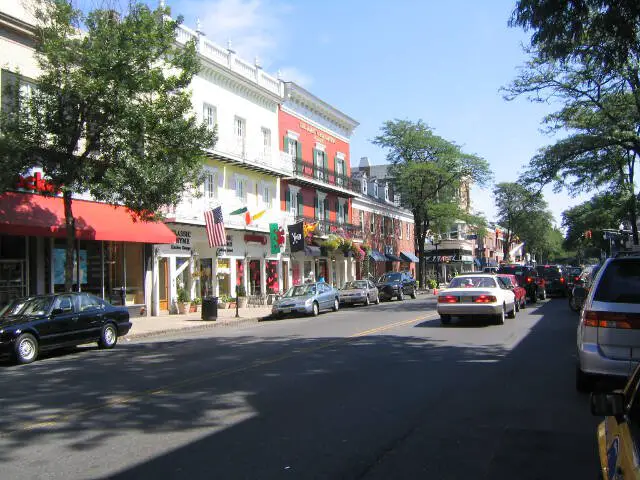
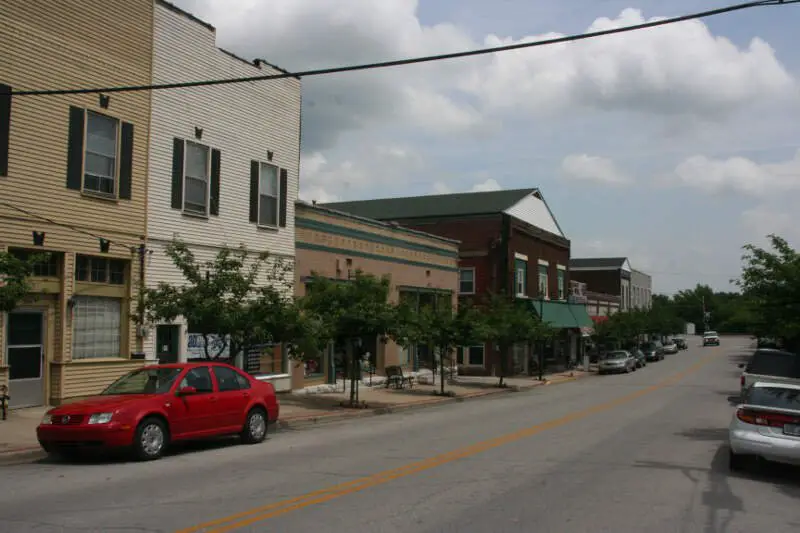
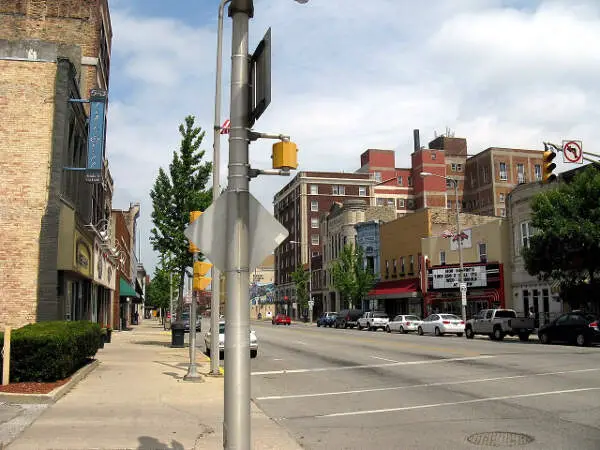
Tampa vs. Miami in photos
A side-by-side look at each city.

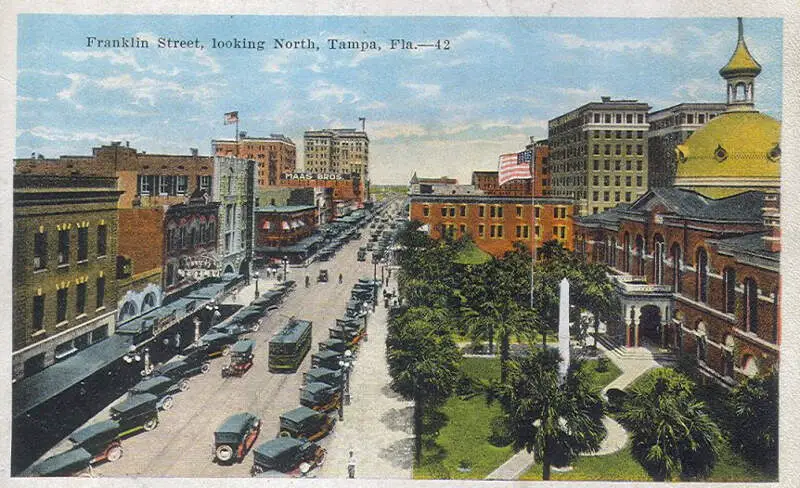
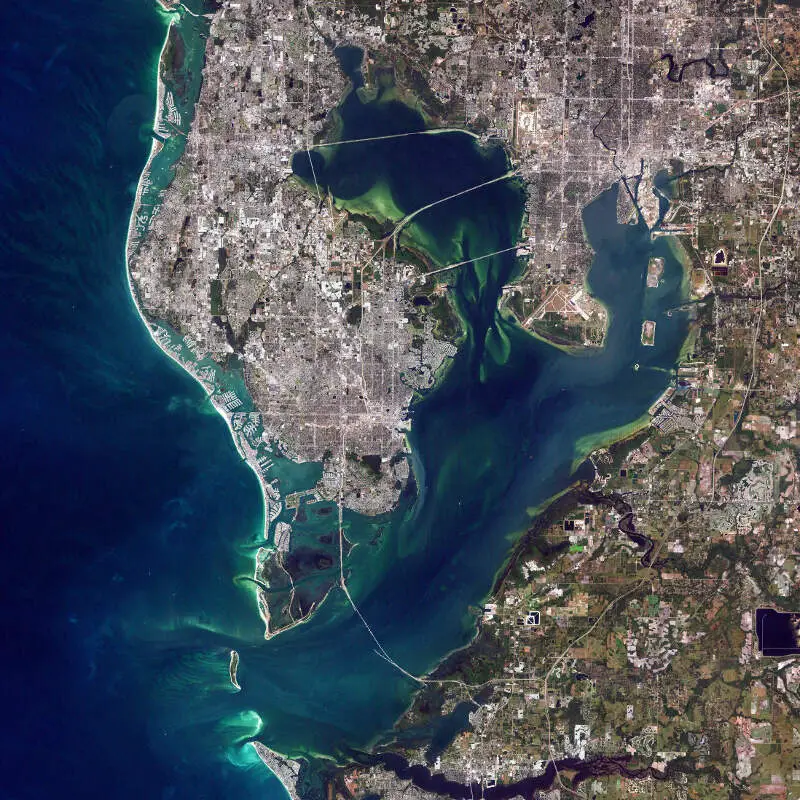
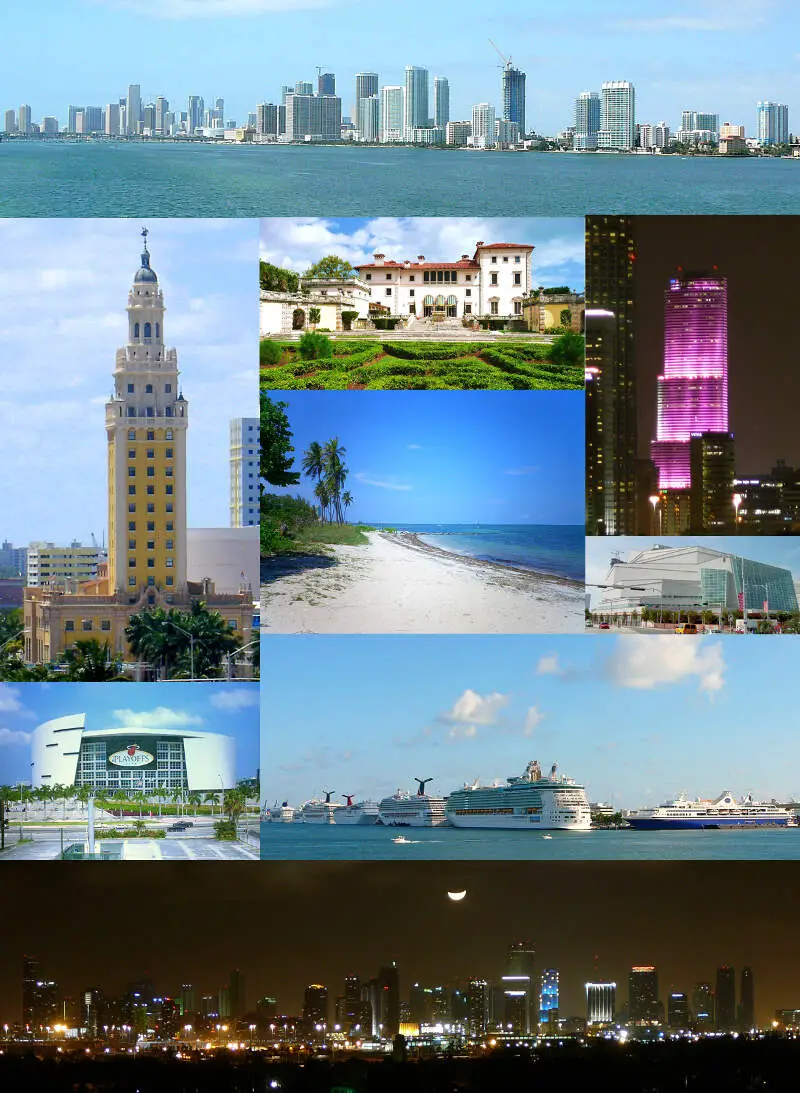
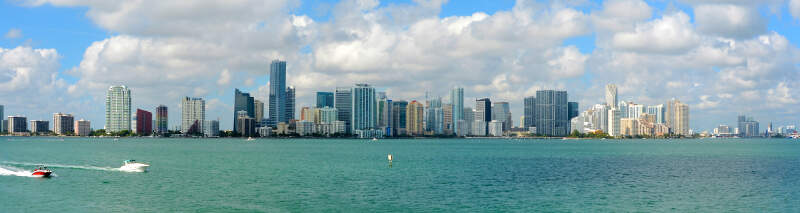

Cost of living
Tampa is the cheaper city overall — 11% higher in Miami than its rival. Index baseline: 100 = national average.
| Living expense | Tampa | Miami | US average |
|---|---|---|---|
| Overall | 116 | 131 | 100 |
| Services | 107 | 106 | 100 |
| Groceries | 105 | 110 | 100 |
| Health | 134 | 169 | 100 |
| Housing | 105 | 108 | 100 |
| Transportation | 113 | 121 | 100 |
| Utilities | 104 | 120 | 100 |
Lower index = cheaper. 100 = U.S. national average. Bar inside each cell scales relative to the highest value in the table.
Sources: HomeSnacks Cost of Living indices, normalized so 100 = U.S. national average. Drill in: Tampa cost of living, Miami cost of living, or the cheapest cities in America.
Housing breakdown
Home prices are higher in Miami. Compare absolute price and price-to-income — a $500k home in a $100k-income city is very different from one in a $50k-income city.
| Metric | Tampa | Miami | United States |
|---|---|---|---|
| Median Home Value | $374,888 | $579,563 | $332,700 |
| Median Rent | $1,701 | $1,758 | $1,413 |
| Median Income | $75,475 | $62,462 | $80,734 |
| Home Value To Income | 5.0x | 9.3x | 4.1x |
| Rent To Monthly Income | 0.27x | 0.34x | 0.21x |
Source: U.S. Census Bureau ACS 2020-2024. See also states with the highest rent in America.
Crime
Tampa is the safer city — total crime rate of 1,910 per 100k people vs 3,468 for Miami. US average: 2,119.
| Crime (per 100k) | Tampa | Miami | US average |
|---|---|---|---|
| Total crime | 1,910 | 3,468 | 2,119 |
| Murder | 9 | 6 | 5 |
| Robbery | 59 | 95 | 61 |
| Aggravated Assault | 335 | 348 | 256 |
| Violent Crime | 445 | 473 | 359 |
| Burglary | 167 | 294 | 229 |
| Larceny | 1,155 | 2,290 | 1,272 |
| Car Theft | 143 | 410 | 259 |
| Property Crime | 1,465 | 2,995 | 1,760 |
Lower = safer. Bar inside each cell scales relative to the highest crime rate in the table.
Source: FBI Uniform Crime Reporting (2024). All rates are per 100,000 people. City pages: Tampa crime, Miami crime. See also: safest cities in America.
Diversity
Tampa is more racially diverse — lower HHI (closer to 0) means a more even mix across groups.
| Group | Tampa | Miami | United States |
|---|---|---|---|
| White | 44.3% | 12.1% | 57.4% |
| African American | 19.5% | 11.9% | 11.9% |
| American Indian | 0.1% | 0.1% | 0.5% |
| Asian | 4.7% | 1.6% | 5.9% |
| Hawaiian | 0.1% | 0.0% | 0.2% |
| Other | 0.7% | 0.6% | 0.6% |
| Two Or More | 4.4% | 2.2% | 4.3% |
| Hispanic | 26.2% | 71.5% | 19.3% |
Source: U.S. Census ACS 2020-2024. Lower HHI = more even racial mix. See also: most diverse cities in America.
SnackAbility — overall quality of life
Tampa scores higher overall — 6/10 vs 5/10. SnackAbility is our 1–10 quality-of-life score; the median U.S. city scores a 7.
Scores are 0–10; both bars share the same scale.
SnackAbility is a HomeSnacks proprietary 1–10 score blending jobs, housing, education, commute, amenities, affordability, crime, and diversity. Median U.S. city ≈ 7. Data: Census, BLS, FBI. See also: best places to live in America.
Getting around: Tampa vs. Miami
How each city handles commuting, transit, walkability, and car culture — the day-to-day reality that shapes where you'd actually want to live.
Both Tampa and Miami are built around the car, but Miami at least gives you a fighting chance without one. Miami's Metrorail connects Kendall to downtown and up to Hialeah, the free Metromover loops through Brickell and downtown, and Metrobus covers most of the urban core. It's workable if you live near a line, and Brightline also connects Miami to Fort Lauderdale and Orlando.
Tampa's HART bus network and the historic Ybor City Streetcar are more novelties than daily commuter tools. If you move here, budget for a car and factor in I-275 and I-4 slowdowns during rush hour.
Tampa Bay's roads tend to move better than Miami's perpetually gridlocked I-95 and SR-836 corridors. Both cities are car-dependent, but the day-to-day grind of driving is notably less painful in Tampa.
Jobs and careers in Tampa vs. Miami
The local job market, dominant industries, and which city to choose based on your career.
Tampa's job market punches well above its size. Median household income runs $75,475 compared to Miami's $62,462, and that gap gets wider when you factor in Tampa's cost of living index of 116 versus Miami's 131.
Raymond James, Citigroup, USAA, and a growing tech and cybersecurity corridor around the USF research park anchor Tampa's economy, alongside major healthcare employers like Tampa General and BayCare.
Miami's economy is bigger and more globally connected, with PortMiami, international banking, tourism, and a growing tech and venture capital scene centered in Brickell and Wynwood. But the lower median income against a higher cost of living means your paycheck often gets stretched thinner.
For those in finance, logistics, or Latin American trade, Miami's network is hard to beat. For most other industries, Tampa's income-to-cost ratio makes more practical sense.
Weather and climate
What to expect day-to-day — sun, fog, heat, rain, and the seasonal extremes that shape the lifestyle.
You're splitting hairs between two subtropical climates, but the differences matter. Both cities share hot, humid summers from June through September, with frequent afternoon thunderstorms and real hurricane risk. Tampa Bay is historically considered one of the most vulnerable metros in the country due to bay geography; Miami has endured direct hits like Hurricane Andrew.
Expect high temperatures in the low 90s with heat indices pushing past 100 during peak summer in both places. Miami runs a touch warmer and more humid year-round, barely dipping below 60 in January, and its wet season is slightly more intense.
Tampa's winters are a bit more varied; occasional cold fronts can push overnight lows into the upper 40s. Both cities offer the same basic trade-off: mostly mild, sunny winters that make the brutal summers worth tolerating for most residents.
Culture, nightlife, and entertainment
Food, music, neighborhoods, and the city vibe that gives each place its personality.
Miami's cultural identity is genuinely its own. Little Havana, Wynwood's murals and galleries, the Art Deco architecture of South Beach, and a nightlife scene on Ocean Drive and in Brickell that runs late into the night add up to something you won't find anywhere else. The city draws an international crowd and hosts Art Basel Miami Beach every December, one of the premier art fairs in the Western Hemisphere.
Tampa's cultural scene is smaller, but it's real and it's growing. Ybor City, a National Historic Landmark District, anchors the nightlife with its brick streets, cigar heritage, and densely packed bars and clubs. The Tampa Museum of Art and the Straz Center for the Performing Arts serve the arts crowd, and the city's Cuban and Latino roots rival Miami's in depth if not in scale.
If world-class clubs and global culture matter most, Miami wins clearly. If you want character without the crowds and cover charges, Tampa delivers.
Outdoor activities and day trips
Parks, beaches, hikes, and the weekend escapes that define life outside the city limits.
Tampa and Miami both offer year-round outdoor living, but the feel is different. Tampa's best move is heading west to the Gulf: Clearwater Beach and St. Pete Beach routinely rank among the best in the country, with calm, warm water and white sand a 30–45 minute drive from downtown. Closer in, Bayshore Boulevard offers a waterfront path for running and cycling, and Hillsborough River State Park puts kayaking and wildlife within easy reach.
Miami's outdoor pull leans more tropical. Biscayne National Park puts snorkeling and reef diving close at hand, Key Biscayne's Bill Baggs State Park is a quieter beach alternative to South Beach, and the Florida Everglades are about an hour west for airboat tours and wildlife.
Both cities are best enjoyed on the water. Tampa wins on accessible, uncrowded Gulf beaches; Miami wins on marine biodiversity and proximity to the Everglades.
Bottom line: which city is right for you?
Based on the head-to-head data above, here's the short version — pick the city that lines up with what you actually care about.
Choose Tampa if you prioritize…
- a lower cost of living (cheaper groceries, services, and day-to-day expenses).
- lower crime — a safer place to live, work, and raise a family.
- a more racially diverse community (lower HHI on Census data).
- a higher overall SnackAbility quality-of-life score.
Choose Miami if you prioritize…
- more affordable housing relative to Tampa.
Methodology: winners are picked from public data — U.S. Census Bureau ACS (income, home value, rent, race/HHI), FBI Uniform Crime Reporting (crime rates per 100k), and HomeSnacks' proprietary SnackAbility quality-of-life score, which blends Bureau of Labor Statistics data with the above.
Other comparisons
Still weighing your options? See how these two cities stack up against other places we've compared head-to-head.