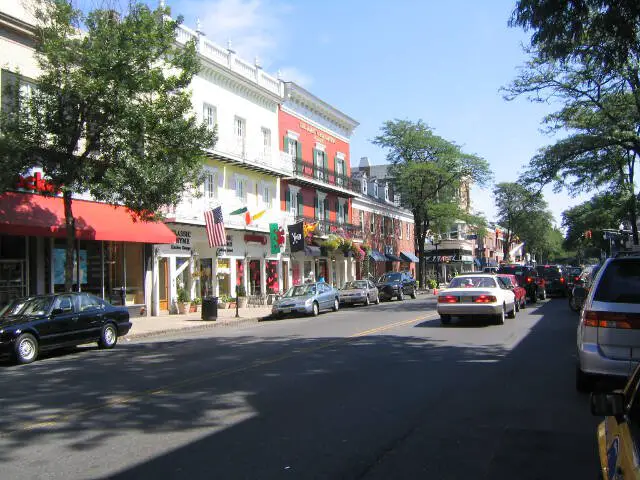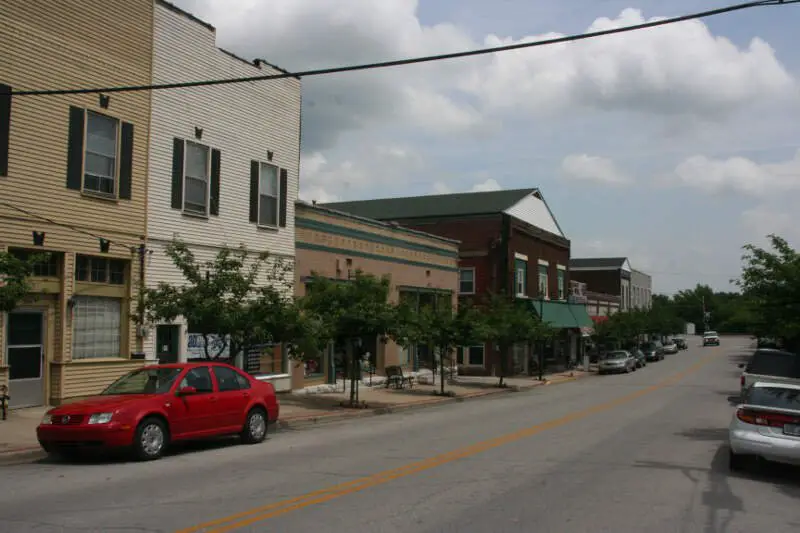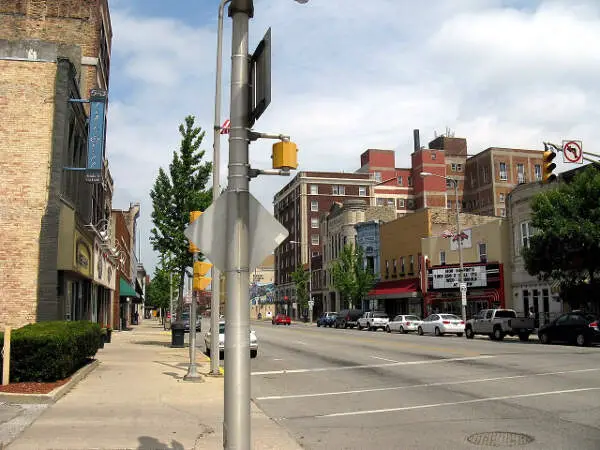
San Antonio vs. Houston in photos
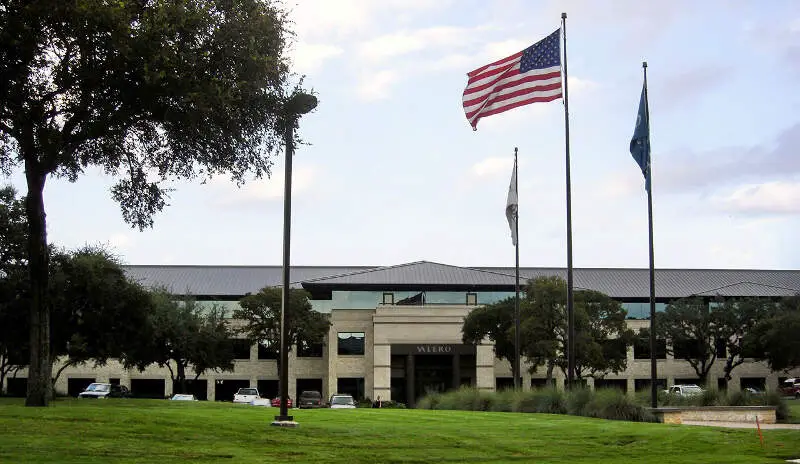
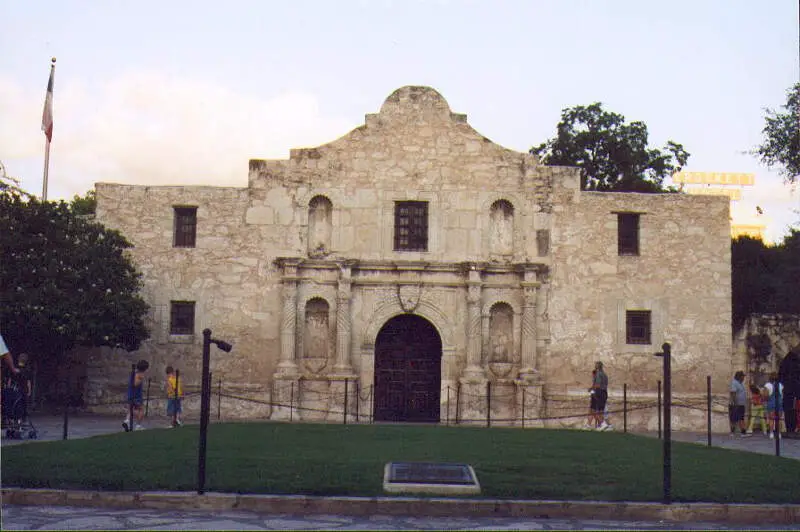
A side-by-side look at each city.



Cost of living
San Antonio is the cheaper city overall — 6% higher in Houston than its rival. Index baseline: 100 = national average.
| Living expense | San Antonio | Houston | US average |
|---|---|---|---|
| Overall | 98 | 104 | 100 |
| Services | 103 | 104 | 100 |
| Groceries | 101 | 98 | 100 |
| Health | 91 | 106 | 100 |
| Housing | 106 | 102 | 100 |
| Transportation | 103 | 104 | 100 |
| Utilities | 101 | 98 | 100 |
Lower index = cheaper. 100 = U.S. national average. Bar inside each cell scales relative to the highest value in the table.
Sources: HomeSnacks Cost of Living indices, normalized so 100 = U.S. national average. Drill in: San Antonio cost of living, Houston cost of living, or the cheapest cities in America.
Housing breakdown
Home prices are higher in Houston. Compare absolute price and price-to-income — a $500k home in a $100k-income city is very different from one in a $50k-income city.
| Metric | San Antonio | Houston | United States |
|---|---|---|---|
| Median Home Value | $249,809 | $264,336 | $332,700 |
| Median Rent | $1,324 | $1,361 | $1,413 |
| Median Income | $65,056 | $64,813 | $80,734 |
| Home Value To Income | 3.8x | 4.1x | 4.1x |
| Rent To Monthly Income | 0.24x | 0.25x | 0.21x |
Source: U.S. Census Bureau ACS 2020-2024. See also states with the highest rent in America.
Crime
San Antonio is the safer city — total crime rate of 5,218 per 100k people vs 5,442 for Houston. US average: 2,119.
| Crime (per 100k) | San Antonio | Houston | US average |
|---|---|---|---|
| Total crime | 5,218 | 5,442 | 2,119 |
| Murder | 8 | 14 | 5 |
| Robbery | 108 | 274 | 61 |
| Aggravated Assault | 394 | 787 | 256 |
| Violent Crime | 594 | 1,148 | 359 |
| Burglary | 496 | 645 | 229 |
| Larceny | 3,292 | 2,946 | 1,272 |
| Car Theft | 836 | 703 | 259 |
| Property Crime | 4,624 | 4,293 | 1,760 |
Lower = safer. Bar inside each cell scales relative to the highest crime rate in the table.
Source: FBI Uniform Crime Reporting (2024). All rates are per 100,000 people. City pages: San Antonio crime, Houston crime. See also: safest cities in America.
Diversity
Houston is more racially diverse — lower HHI (closer to 0) means a more even mix across groups.
| Group | San Antonio | Houston | United States |
|---|---|---|---|
| White | 23.0% | 23.2% | 57.4% |
| African American | 6.4% | 22.3% | 11.9% |
| American Indian | 0.1% | 0.1% | 0.5% |
| Asian | 2.9% | 6.9% | 5.9% |
| Hawaiian | 0.1% | 0.1% | 0.2% |
| Other | 0.5% | 0.4% | 0.6% |
| Two Or More | 2.4% | 2.8% | 4.3% |
| Hispanic | 64.6% | 44.2% | 19.3% |
Source: U.S. Census ACS 2020-2024. Lower HHI = more even racial mix. See also: most diverse cities in America.
SnackAbility — overall quality of life
San Antonio and Houston tied at 4/10.
Scores are 0–10; both bars share the same scale.
SnackAbility is a HomeSnacks proprietary 1–10 score blending jobs, housing, education, commute, amenities, affordability, crime, and diversity. Median U.S. city ≈ 7. Data: Census, BLS, FBI. See also: best places to live in America.
Getting around: San Antonio vs. Houston
How each city handles commuting, transit, walkability, and car culture — the day-to-day reality that shapes where you'd actually want to live.
Both cities are built for cars, but the experience differs. In San Antonio, Loop 410 and Loop 1604 form a manageable ring system, and most residents drive without the gridlock that plagues larger metros. VIA Metropolitan Transit runs buses, but routes are sparse outside central neighborhoods, so if you commute by transit, expect long waits.
Houston's METRORail light rail covers the Main Street corridor and reaches NRG Park, and an extensive Park & Ride network serves suburban commuters. The freeway system (I-10, I-45, the 610 Loop) routinely ranks among the nation's most congested. Houston has more infrastructure investment overall, but San Antonio's smaller footprint means shorter average drive times for most residents day to day.
Jobs and careers in San Antonio vs. Houston
The local job market, dominant industries, and which city to choose based on your career.
San Antonio and Houston post nearly identical median household incomes: $65,056 versus $64,813. The industries behind those numbers look very different, though. San Antonio leans on the military (Joint Base San Antonio is one of the largest installations in the country), healthcare through University Health and the UT Health system, and financial services anchored by USAA and Valero Energy headquarters, with a growing cybersecurity sector.
Houston is a corporate heavyweight: the Texas Medical Center is the largest in the world, and the city hosts more Fortune 500 headquarters than any U.S. city outside New York, with ExxonMobil, Chevron, and Halliburton among them. If your field is energy, biomedical research, or international trade through the Port of Houston, the job market there runs considerably deeper.
Weather and climate
What to expect day-to-day — sun, fog, heat, rain, and the seasonal extremes that shape the lifestyle.
Expect heat from both cities, but with different flavors. San Antonio sits at the edge of the Hill Country and leans drier, averaging around 31 inches of rain per year. Summer temperatures regularly top 100°F during drought years, but the humidity is more tolerable than on the Gulf Coast.
Houston is noticeably muggier, averaging close to 50 inches of annual rainfall, and the heat index in July and August can feel brutal even before noon. Both cities get genuinely mild winters: freezes are rare, though February 2021 reminded everyone that a serious cold snap isn't impossible. Hurricane season is a real factor for Houston residents; San Antonio, roughly 200 miles inland, sees occasional tropical moisture but avoids direct hits.
Culture, nightlife, and entertainment
Food, music, neighborhoods, and the city vibe that gives each place its personality.
San Antonio's cultural identity is rooted in its Tejano and Mexican heritage. The River Walk, the Pearl District's weekend market, and Fiesta (a massive citywide celebration each April) give it a character hard to replicate elsewhere. The food scene punches above its weight, with puffy taco spots, barbacoa on weekend mornings, and a growing craft-beer corridor along the near north side.
Houston is a cosmopolitan city: Montrose and Midtown rival any big-city nightlife strip, and the Museum District puts 19 institutions within walking distance. The international food scene reflects one of the most diverse cities in the country, with Vietnamese restaurants along Bellaire, Nigerian spots in southwest Houston, and Salvadoran food on the north side. If you want big-city cultural range and multiple pro sports teams (Rockets, Astros, Texans), Houston delivers.
Outdoor activities and day trips
Parks, beaches, hikes, and the weekend escapes that define life outside the city limits.
San Antonio's biggest outdoor advantage is proximity to the Texas Hill Country. Drive 30 minutes and you can hike Government Canyon State Natural Area, kayak on Medina Lake, or explore Natural Bridge Caverns. The city itself has the Mission Reach hike-and-bike trail connecting the five UNESCO-listed Spanish missions along the San Antonio River, a genuinely pleasant urban greenway.
Houston's flat geography means the scenery is more subtle, but the parks are well-built. Memorial Park has an extensive trail network, Buffalo Bayou Park runs through the urban core with kayak launches and public art, and Hermann Park adjoins the Museum District for easy weekday runs. Houston's strongest card for outdoor enthusiasts is Galveston Island, a 50-mile drive that puts Gulf Coast beaches within easy reach on a Saturday morning.
Bottom line: which city is right for you?
Based on the head-to-head data above, here's the short version — pick the city that lines up with what you actually care about.
Choose San Antonio if you prioritize…
- a lower cost of living (cheaper groceries, services, and day-to-day expenses).
- lower crime — a safer place to live, work, and raise a family.
Choose Houston if you prioritize…
- more affordable housing relative to San Antonio.
- a more racially diverse community (lower HHI on Census data).
Methodology: winners are picked from public data — U.S. Census Bureau ACS (income, home value, rent, race/HHI), FBI Uniform Crime Reporting (crime rates per 100k), and HomeSnacks' proprietary SnackAbility quality-of-life score, which blends Bureau of Labor Statistics data with the above.
Other comparisons
Still weighing your options? See how these two cities stack up against other places we've compared head-to-head.