

Fire season. Tornado season. Hurricane season. Flooding season. Riot season. Seems like there’s a season for everything here in America, doesn’t it?
Because of our unique geographical and meteorological situation, the United States is a sitting duck for natural weather phenomena. Tornadoes thrive here, hurricanes steer here, it rains a ton, and the west coast is set up perfectly for hot, windy fire seasons every fall.
Of all countries with the MOST natural disasters, only China and India have more of them. Why? Just like us, these countries have large populations on the coast, and are prone to earthquakes, tropical storms, and flooding.
Sort of just bad luck in terms of where you’re located on the planet I suppose.
Anyways, we’re talking about America, so back to that. Here in the US, when you’re measuring the total number of natural disasters, there are ten states which are responsible for a third of disasters and damages. Of course, many of these will be the biggest states and the most populated states, but there’s some surprises in here too.
Table Of Contents: Top Ten | Methodology | Table | Summary
10 States With The Highest Natural Disaster Risk
- California — biggest threat: Earthquake ($14.9B/yr expected loss)
- Texas — biggest threat: Inland Flooding ($4.9B/yr expected loss)
- Florida — biggest threat: Hurricane ($4.3B/yr expected loss)
- Illinois — biggest threat: Inland Flooding ($2.9B/yr expected loss)
- Washington — biggest threat: Earthquake ($2.5B/yr expected loss)
- North Carolina — biggest threat: Inland Flooding ($2.1B/yr expected loss)
- New York — biggest threat: Inland Flooding ($2.8B/yr expected loss)
- Pennsylvania — biggest threat: Inland Flooding ($2.7B/yr expected loss)
- Missouri — biggest threat: Inland Flooding ($1.6B/yr expected loss)
- Arizona — biggest threat: Inland Flooding ($2.0B/yr expected loss)
So, grab your get out bag and get the insurance company on speed dial, we’re going to talk about the disaster capitals of America.
For more reading, check out:
The 10 States With The Most Natural Disasters In America For 2026
1. California
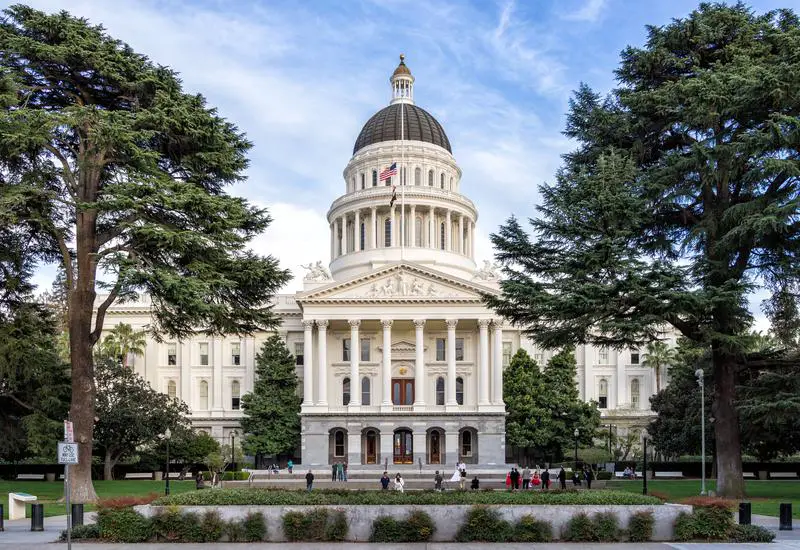
| Population | 39,455,353 |
|---|---|
| FEMA Risk Rating | Very High |
| NRI Score | 100.0 / 100 |
| Expected Annual Loss | $30.2B/yr |
| Buildings Exposed | $7.7T |
| #1 Hazard | Earthquake — $14.9B/yr |
| #2 Hazard | Inland Flooding — $11.7B/yr |
| #3 Hazard | Wildfire — $1.8B/yr |
Speaking of earthquakes – you can’t talk about those without talking about California.
Now I grew up here, and as a kid, there were earthquakes all the time – usually in the middle of the night. And they were big – enough to scare you into running out into the front yard. They’ve had some really big ones here – the most memorable of which were both in San Francisco – in 1906, which pretty much wiped out like the whole city, and in 1989, which happened during the World Series.
I actually felt that one all the way down in my hometown of Highland, which is a long long way away.
Now, the ground’s been eerily quiet. California’s going through an earthquake drought in case you didn’t know. Well, if you live there you know, cause you’re getting ready for the BIG ONE.
But it’s not just earthquakes. It’s floods and dam breakings and freezing and biological warfare and droughts and fishing losses and a hurricane. And tsunamis.
And of course fires. This state goes up in flames every fall.
No wonder everyone’s leaving this state.
2. Texas
| Population | 28,862,581 |
|---|---|
| FEMA Risk Rating | Relatively High |
| NRI Score | 98.2 / 100 |
| Expected Annual Loss | $12.3B/yr |
| Buildings Exposed | $5.3T |
| #1 Hazard | Inland Flooding — $4.9B/yr |
| #2 Hazard | Tornado — $2.4B/yr |
| #3 Hazard | Hurricane — $1.3B/yr |
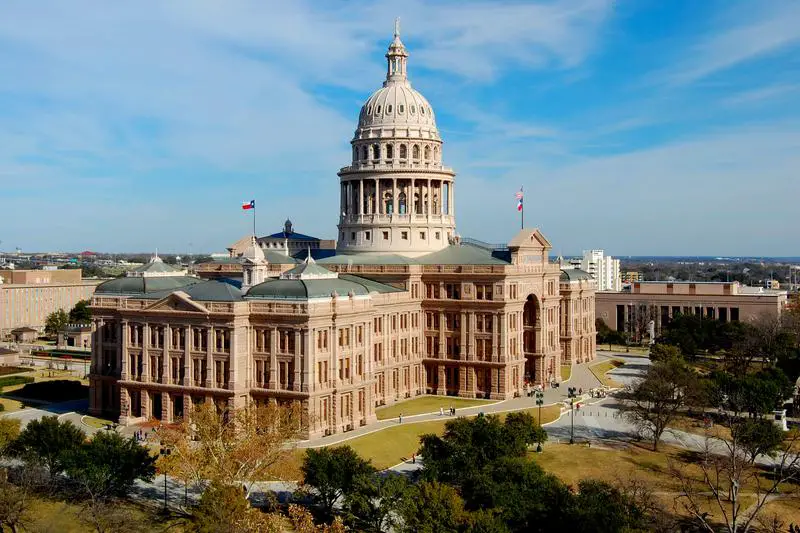
Which state is the one of the most natural disastery? Texas is. The Lone Star state has seen 358 natural disasters since 1953 alone, and 86 of em were MAJOR disaster declarations.
Moments Texans would love to forget go way back to 1900 when the Galveston hurricane came on land and wiped out a ton of stuff. There was the 1953 Waco tornado, the 1950s Texas draught, the 2004 Christmas Eve blizzard, the 2009 Christmas blizzard (why are all of these blizzards on Christmas?), the Black Sunday storm, and of course hurricane after hurricane and tropical storms after tropical storms.
Then there’s hurricane Harvey. Hurricane Harvey dumped 60 inches of rain in some parts of Texas, and some areas have not and will not ever recover from that.
But, despite all of this, Americans have decided Texas is the bees knees, and more people flock here than any other state right now. And more people means more devastation when these natural disasters inevitably come this way.

I live in Texas I have a better quality of life here then in Cali Come on
3. Florida
| Population | 21,339,762 |
|---|---|
| FEMA Risk Rating | Relatively High |
| NRI Score | 96.4 / 100 |
| Expected Annual Loss | $8.8B/yr |
| Buildings Exposed | $3.7T |
| #1 Hazard | Hurricane — $4.3B/yr |
| #2 Hazard | Inland Flooding — $2.8B/yr |
| #3 Hazard | Tornado — $530M/yr |
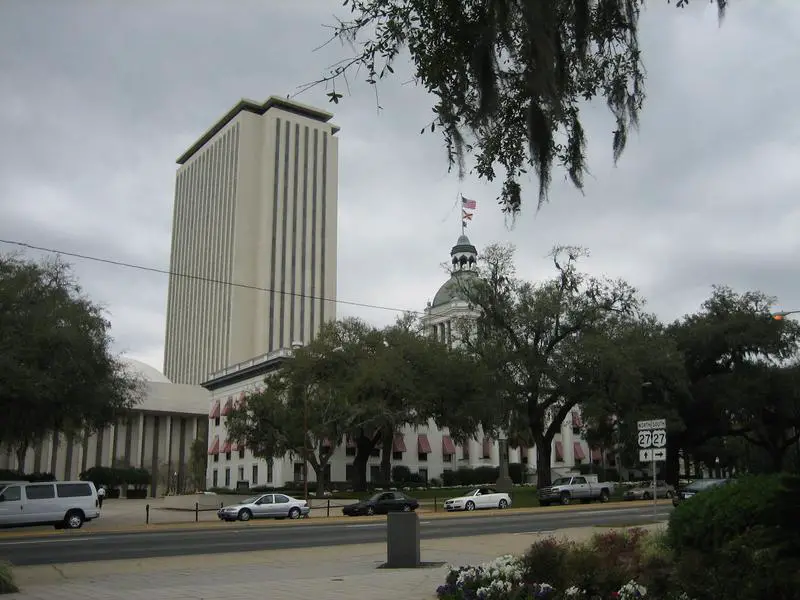
Florida has FEMA on speed dial. The weather here is almost as crazy as the people.
Many of this state’s natural disasters have been fires, but 44 of them have been hurricanes, by far the most of any other state. Dozens of tropical systems have destroyed this state over the past 60 years. Hurricane Andrew in 1992 was a category 5 (look at this thing) which had gusts of 200 miles an hour, which at the time, was the most expensive natural disaster in US history, up until Katrina.
For a long time, hurricanes didn’t even have names. And then they started naming them. Easy was a name of a hurricane. That probably didn’t scare people – why would you name a hurricane Easy? You want people to get prepared, right? Eloise, Opal, Wilma – why do they name these after old ladies.
And they count severe freezes as natural disasters because they wreck such havoc on the state’s citrus crops. In 1985, Florida saw the ‘Freeze of the Century’ which damaged 90% of the state’s oranges and grapefruits. Grapefruit I’m okay with those are gross. But orranges – those are a shame to lose.
Anyways, Florida has gone through a lot over the years, and will undoubtedly go through many, many more disasters over time, so stay on your toes Florida.
I happen to disagree with your Florida placement. Florida is among the best places to live in the country. However, remember this, The more north you go, the more south it gets. I live in South Florida, and I love it. The weather is hot and humid, but that’s how we like it. We have amazing beaches and one of the best cities in the world, Miami. Although we have hurricanes here, most areas are well prepared, or have many ways to add protection from the storm.
Plus, I love typical thunderstorms, the sound/sight of lightning and thunder comforts me. Not to mention Orlando, the home of Disney! Also, amazing, fresh, Florida oranges. Alligators don’t bother us too much. Sure, we get them in lakes and even in our backyards and swimming pools. You are faster than the gator. Come to South Florida, and you will see how great it truly is.
4. Illinois

| Population | 12,821,813 |
|---|---|
| FEMA Risk Rating | Relatively High |
| NRI Score | 94.6 / 100 |
| Expected Annual Loss | $6.4B/yr |
| Buildings Exposed | $3.0T |
| #1 Hazard | Inland Flooding — $2.9B/yr |
| #2 Hazard | Cold Wave — $1.4B/yr |
| #3 Hazard | Tornado — $876M/yr |
5. Washington
| Population | 7,617,364 |
|---|---|
| FEMA Risk Rating | Relatively Moderate |
| NRI Score | 92.9 / 100 |
| Expected Annual Loss | $4.7B/yr |
| Buildings Exposed | $1.6T |
| #1 Hazard | Earthquake — $2.5B/yr |
| #2 Hazard | Inland Flooding — $1.4B/yr |
| #3 Hazard | Tsunami — $231M/yr |
6. North Carolina
| Population | 10,367,022 |
|---|---|
| FEMA Risk Rating | Relatively Moderate |
| NRI Score | 91.1 / 100 |
| Expected Annual Loss | $4.4B/yr |
| Buildings Exposed | $2.3T |
| #1 Hazard | Inland Flooding — $2.1B/yr |
| #2 Hazard | Hurricane — $1.3B/yr |
| #3 Hazard | Tornado — $342M/yr |
I was born in north carolina but grew up in florida. It wasnt bad then, but heard from my dad it gotten worse. Ive lived in alabama and where i lived was a bump, no lie. Lived in myrtle beach in south carolina and there was a murder in the trailer across from where i lived in the same trailer park. Ive lived in alot of places in north carolina since ive been back and nothing is getring much better here either, the crime rate in burlington has gone up and asheboro is slowly getting there with the crime as well.
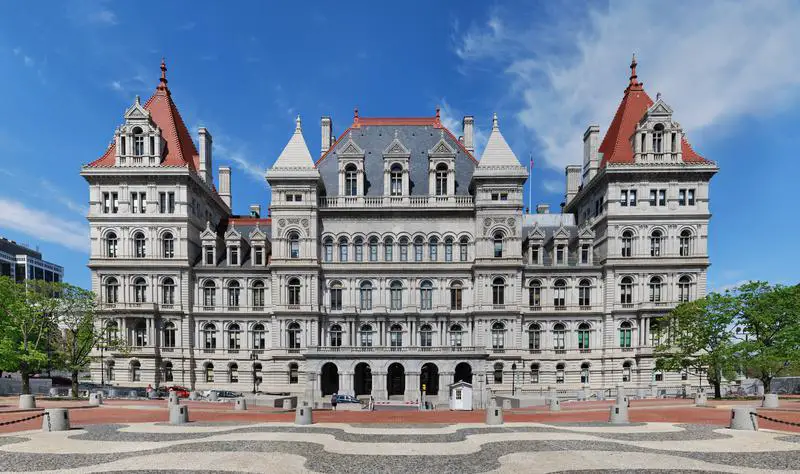
7. New York
| Population | 20,114,745 |
|---|---|
| FEMA Risk Rating | Relatively Moderate |
| NRI Score | 89.3 / 100 |
| Expected Annual Loss | $4.3B/yr |
| Buildings Exposed | $3.8T |
| #1 Hazard | Inland Flooding — $2.8B/yr |
| #2 Hazard | Cold Wave — $310M/yr |
| #3 Hazard | Heat Wave — $270M/yr |
New York has sure been beat up by mother nature. It’s mostly blizzards and tropical storms here, though this state has seen other natural disasters including an earthquake.
In 2012 Superstorm Sandy killed nearly 50 people and caused $40 billion in damage. Sometimes, hurricanes make their way all the way up the east coast. And then there’s nor’easters, which are sort of like hurricanes, but they like cold air, as opposed to hurricanes, which love warm air. Noreasters are mean. They can really wreck a place in a bad way, with the blizzards and heavy winds they carry in. You don’t want to get stuck in one of these suckers.
There is always something going on in NYC. It is the busiest place I have ever been, and it is full of excitement. There are times when I feel it is too crowded, but the pros heavily outweigh the cons, and I feel it is the best place to be as a young professional.
The buildings are massive. There is an endless amount of things to do. The nightlife is unlike any other.
Bad things would include the smell. The traffic.
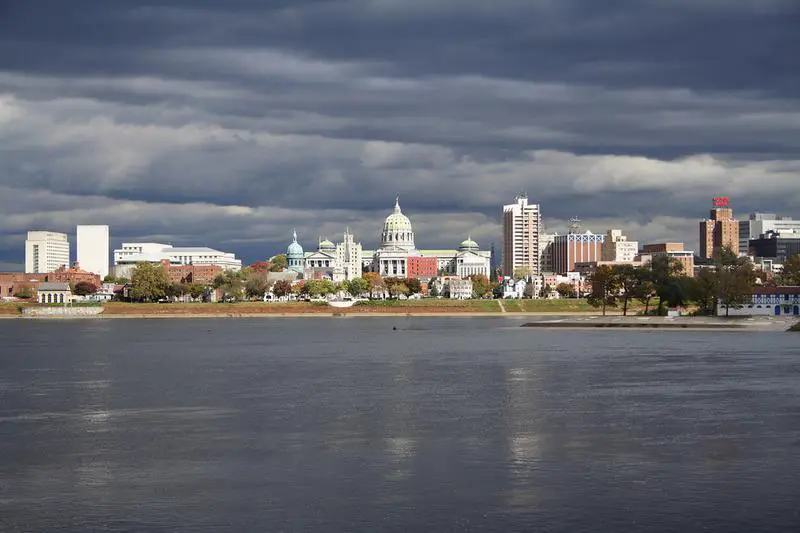
8. Pennsylvania
| Population | 12,970,650 |
|---|---|
| FEMA Risk Rating | Relatively Moderate |
| NRI Score | 87.5 / 100 |
| Expected Annual Loss | $4.1B/yr |
| Buildings Exposed | $3.0T |
| #1 Hazard | Inland Flooding — $2.7B/yr |
| #2 Hazard | Heat Wave — $365M/yr |
| #3 Hazard | Cold Wave — $256M/yr |
I live in Pa, I have been to Georgia and Florida to hang out with my family – and they were both AWESOME. Not sure what this guy is on as far as trashing the weather down there, but I felt it with my own skin and it was great 🙂
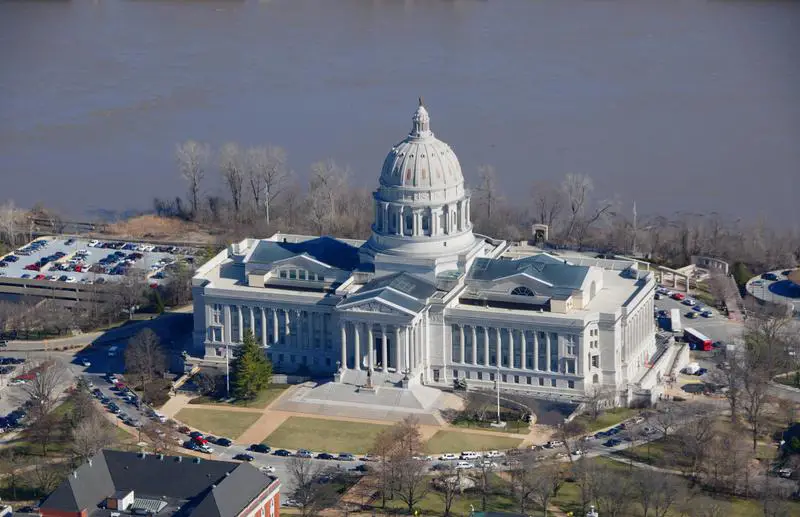
9. Missouri
| Population | 6,141,534 |
|---|---|
| FEMA Risk Rating | Relatively Moderate |
| NRI Score | 85.7 / 100 |
| Expected Annual Loss | $3.9B/yr |
| Buildings Exposed | $1.5T |
| #1 Hazard | Inland Flooding — $1.6B/yr |
| #2 Hazard | Heat Wave — $711M/yr |
| #3 Hazard | Earthquake — $463M/yr |
10. Arizona

| Population | 7,079,203 |
|---|---|
| FEMA Risk Rating | Relatively Moderate |
| NRI Score | 83.9 / 100 |
| Expected Annual Loss | $3.6B/yr |
| Buildings Exposed | $1.4T |
| #1 Hazard | Inland Flooding — $2.0B/yr |
| #2 Hazard | Heat Wave — $1.2B/yr |
| #3 Hazard | Wildfire — $228M/yr |
Arizona!- OH H**L NO!! I live in Arizona, and things are GREAT economically! We have bad public schools, but we have amazing charter schools. We also have great weather. THIS LIST WAS TRASH!!! This may be a coincidence, but there are a lot of conservative states on this list. Also, Oregon is not here, and it is aweful in Eugene and Portland. It has trash weather, a trash economy, and trash schools. The only nice part is the nature.
Methodology: How did we determine the states with the most natural disasters for 2026?
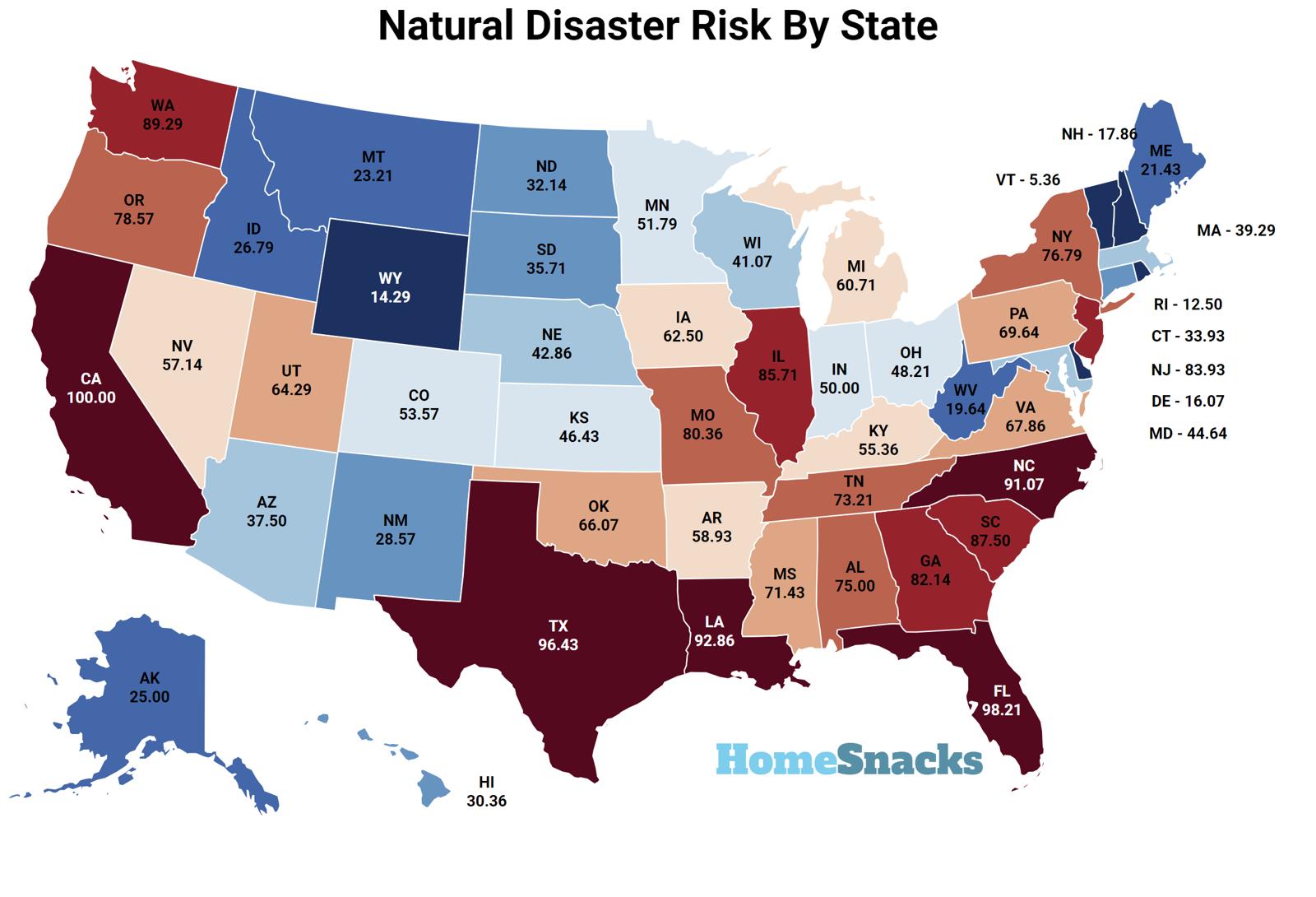
To determine the states with the most natural disasters in the United States, we used Saturday Night Science to look at FEMA’s National Risk Index.
The National Risk Index features a score for each state that compares the probability of disaster with the impact of natural disasters. This index considers the population, building, and land values within the state’s borders.
What state is the most likely to have a major disaster? The state with the highest chance for a natural disaster is California.
Data source: FEMA National Risk Index, December 2025 v1.20.
Each state’s score is FEMA’s Expected Annual Loss percentile across 18 natural hazards (avalanche, coastal & inland flooding, cold wave, drought, earthquake, hail, heat wave, hurricane, ice storm, landslide, lightning, strong wind, tornado, tsunami, volcanic activity, wildfire, winter weather). Higher percentile = higher disaster exposure relative to other states.
Wrapping Up The States With The Most Natural Disasters
That’s a small rundown of the natural disasters which have made their mark on the United States, and the states in which they happen most often. If you live in one of these states, then you should probably leave right now because you are not safe, mister.
If you’re in areas like Rhode Island or Vermont or Wyoming, where you hardly get any fires or earthquakes or tornadoes, or hurricanes, you’re lucky. You can live your quiet peaceful life knowing nothing is going to sneak up on you and make your life miserable – or end it.
In just about every pocket of this country though, you’re at risk for a disaster. Manmade or otherwise.
For more reading, check out:
States With The Most Natural Disasters In The US For 2026
All 50 states ranked by FEMA NRI Expected Annual Loss score. Higher = more disaster exposure.
| Rank | State | Population | NRI Score | Risk Rating | Top Hazard | Annual Loss |
|---|---|---|---|---|---|---|
| 1 | California | 39,455,353 | 100.0 | Very High | Earthquake | $30,194,921,299 |
| 2 | Texas | 28,862,581 | 98.2 | Relatively High | Inland Flooding | $12,347,225,288 |
| 3 | Florida | 21,339,762 | 96.4 | Relatively High | Hurricane | $8,785,878,974 |
| 4 | Illinois | 12,821,813 | 94.6 | Relatively High | Inland Flooding | $6,410,338,020 |
| 5 | Washington | 7,617,364 | 92.9 | Relatively Moderate | Earthquake | $4,688,943,879 |
| 6 | North Carolina | 10,367,022 | 91.1 | Relatively Moderate | Inland Flooding | $4,429,515,350 |
| 7 | New York | 20,114,745 | 89.3 | Relatively Moderate | Inland Flooding | $4,272,807,885 |
| 8 | Pennsylvania | 12,970,650 | 87.5 | Relatively Moderate | Inland Flooding | $4,069,174,295 |
| 9 | Missouri | 6,141,534 | 85.7 | Relatively Moderate | Inland Flooding | $3,937,739,989 |
| 10 | Arizona | 7,079,203 | 83.9 | Relatively Moderate | Inland Flooding | $3,600,033,951 |
| 11 | Louisiana | 4,657,305 | 82.1 | Relatively Moderate | Hurricane | $3,348,143,510 |
| 12 | Georgia | 10,625,615 | 80.4 | Relatively Moderate | Inland Flooding | $3,345,218,573 |
| 13 | New Jersey | 9,234,024 | 78.6 | Relatively Moderate | Inland Flooding | $3,215,449,865 |
| 14 | Ohio | 11,769,923 | 75.0 | Relatively Moderate | Inland Flooding | $3,059,869,667 |
| 15 | Tennessee | 6,859,497 | 73.2 | Relatively Moderate | Inland Flooding | $3,004,306,362 |
| 16 | South Carolina | 5,078,903 | 71.4 | Relatively Moderate | Hurricane | $2,986,664,052 |
| 17 | Michigan | 10,062,512 | 69.6 | Relatively Moderate | Inland Flooding | $2,851,016,055 |
| 18 | Wisconsin | 5,871,661 | 67.9 | Relatively Moderate | Inland Flooding | $2,588,280,427 |
| 19 | Minnesota | 5,670,472 | 66.1 | Relatively Moderate | Inland Flooding | $2,581,628,065 |
| 20 | Oregon | 4,207,177 | 64.3 | Relatively Moderate | Earthquake | $2,524,177,651 |
| 21 | Alabama | 4,997,675 | 62.5 | Relatively Moderate | Inland Flooding | $2,505,515,599 |
| 22 | Indiana | 6,751,340 | 60.7 | Relatively Moderate | Inland Flooding | $2,372,659,440 |
| 23 | Kentucky | 4,494,141 | 58.9 | Relatively Moderate | Inland Flooding | $2,364,406,419 |
| 24 | Oklahoma | 3,948,136 | 57.1 | Relatively Moderate | Inland Flooding | $2,120,925,529 |
| 25 | Colorado | 5,723,176 | 55.4 | Relatively Moderate | Inland Flooding | $2,080,908,844 |
| 26 | Virginia | 8,582,479 | 53.6 | Relatively Low | Inland Flooding | $1,978,483,785 |
| 27 | Iowa | 3,179,090 | 51.8 | Relatively Low | Inland Flooding | $1,834,453,443 |
| 28 | Kansas | 2,932,099 | 50.0 | Relatively Low | Inland Flooding | $1,781,432,063 |
| 29 | Arkansas | 3,006,309 | 48.2 | Relatively Low | Inland Flooding | $1,769,473,890 |
| 30 | Mississippi | 2,967,023 | 46.4 | Relatively Low | Inland Flooding | $1,637,869,008 |
| 31 | Utah | 3,231,370 | 44.6 | Relatively Low | Earthquake | $1,536,394,607 |
| 32 | Massachusetts | 6,991,852 | 42.9 | Relatively Low | Inland Flooding | $1,478,044,953 |
| 33 | Nevada | 3,059,238 | 41.1 | Relatively Low | Inland Flooding | $1,371,295,581 |
| 34 | Nebraska | 1,951,480 | 39.3 | Relatively Low | Inland Flooding | $1,336,726,339 |
| 35 | Connecticut | 3,605,330 | 37.5 | Relatively Low | Inland Flooding | $1,212,876,233 |
| 36 | Hawaii | 1,453,498 | 35.7 | Relatively Low | Inland Flooding | $1,075,536,231 |
| 37 | Maryland | 6,148,545 | 33.9 | Relatively Low | Inland Flooding | $1,062,512,495 |
| 38 | West Virginia | 1,801,049 | 32.1 | Relatively Low | Inland Flooding | $999,272,824 |
| 39 | New Mexico | 2,109,366 | 30.4 | Relatively Low | Inland Flooding | $972,283,002 |
| 40 | Alaska | 735,951 | 28.6 | Relatively Low | Earthquake | $895,808,064 |
| 41 | South Dakota | 881,785 | 26.8 | Relatively Low | Inland Flooding | $768,341,198 |
| 42 | Montana | 1,077,978 | 25.0 | Relatively Low | Inland Flooding | $753,801,508 |
| 43 | Idaho | 1,811,617 | 23.2 | Relatively Low | Inland Flooding | $736,343,195 |
| 44 | North Dakota | 773,344 | 21.4 | Very Low | Cold Wave | $565,396,603 |
| 45 | New Hampshire | 1,372,175 | 19.6 | Very Low | Inland Flooding | $462,485,903 |
| 46 | Maine | 1,357,046 | 17.9 | Very Low | Inland Flooding | $415,881,829 |
| 47 | Delaware | 981,892 | 16.1 | Very Low | Inland Flooding | $377,267,132 |
| 48 | Wyoming | 576,641 | 14.3 | Very Low | Inland Flooding | $329,471,981 |
| 49 | Vermont | 641,637 | 8.9 | Very Low | Inland Flooding | $221,180,601 |
| 50 | Rhode Island | 1,091,949 | 7.1 | Very Low | Inland Flooding | $216,763,372 |