
If you live in one of the fastest-growing states in the United States, you might be in a part of America that’s getting too crowded.
The population of the United States increased by more than 2 million people last year. Natural growth – meaning people being born versus people dying – accounted for most of the population increase in America. In contrast, only a tiny part of our nation’s growth was due to immigration.
Across individual states, population growth was far from even. Some states are growing fast, and some states are shrinking. And it’s regional, too. While populations in the South and West are growing, the Northeast and Midwest are not.
Here’s a look at the ten fastest-growing United States states for 2026.
On the map
The fastest growing states in America, mapped
Source: HomeSnacks
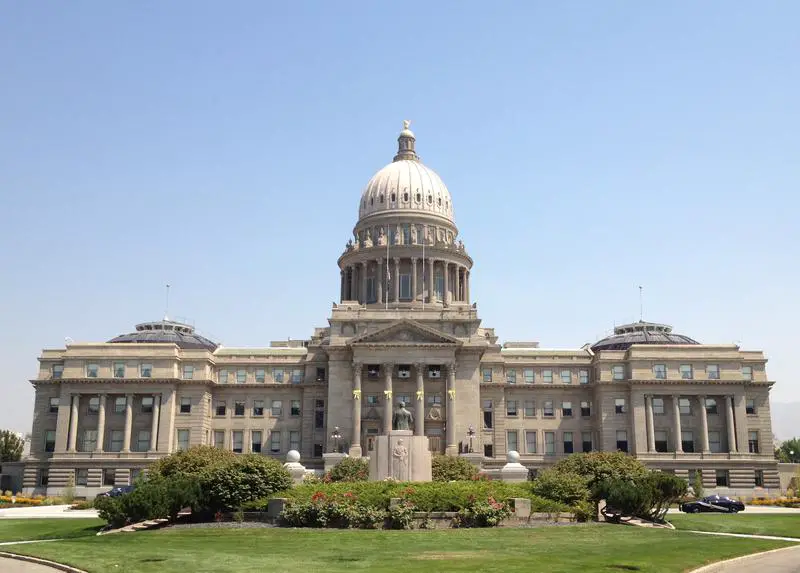
Next up on our expanding expanse takes us to Idaho. Idaho? Yes, Idaho. Here in Idaho, the population has grown a very rapid 23.42% since 2010. But the people in Idaho will tell you – Idaho’s closed.
Now, let’s compare Idaho’s growth rate to that of America’s slowest growing state, West Virginia. Actually, West Virginia is going backwards. The Mountain State has lost 1% of its state population in the same time frame. To put THAT into perspective, the next slowest growing state is Vermont, which has lost .25% of its population. So West Virginia is by far the state that’s losing the most people. West Virginia is the only state where more people died than were born AND is the only state where more people moved away than moved to it. West Virginia has one of the oldest populations of any state, has the highest death rate and one of the lowest birth rates in the country.
So no wonder the population’s shrinking.
Back to Idaho – it’s the opposite here. Idaho has a relatively high birth rate, and a third of its new residents moved TO the Potato State. Another interesting note: Idaho’s population growth has coincided with a big decline in unemployment, too. Not sure what types of jobs you’d do in Idaho, but there are plenty of em.
Sorry Idaho! Secret’s out!
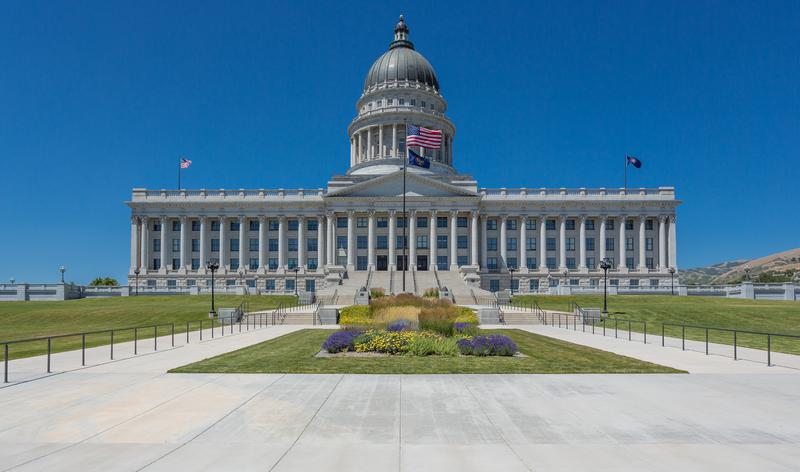
One more Western state as we enter the confines of the always growing state of Utah.
California rejects? No. Mormons.
Utah is growing like a weed. It’s the fastest growing state over the last 5 years, where the population has grown nearly three times the national average. Unlike most fast-growing states, the majority of Utah’s population increase wasn’t because people moved there. It’s due to natural growth. That means babies. Lots and lots of babies. Utah has the largest average family size in the country, and coincidentally, the highest Mormon population of all.
But is it a stereotype that Mormons have a lot of babies. No, it’s true. Mormons make up nearly two-thirds of the state’s population, and the Mormon population typically has 3.4 kids at home, while the average American family has 2.1 kids at home.
Utah is also a very healthy state. So when you have the highest birth rate and the lowest death rate of any other state, you’re gonna grow, just organically.
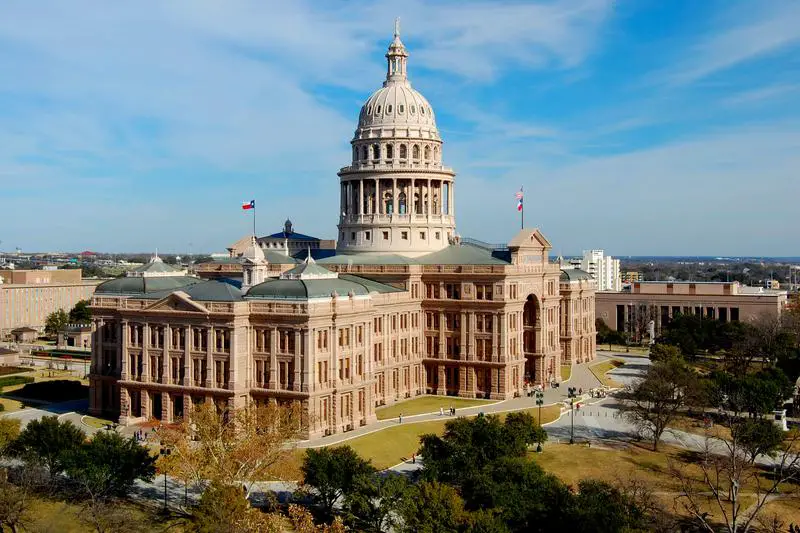
Hee haw. Time to tussle in the great state of Texas. Here, the population has grown 18.96% which is just massive. But it’s a big state, they can handle it, because everything’s big in Texas, right? It makes sense considering that 5 of the nation’s 15 fastest growing cities are all in Texas.
But why? Well tell you. Blue collar Jobs. Oil. Cheap rent. Cheap land. Low taxes. Diversity. Family values. Good weather. There’s no attitude, and most people are friendly. The rules are less strict here, and well, once you’re a Texan, you stick around, as they say.
It’s also a major destination of our growing Hispanic community, which is growing faster than any other race – although somewhat slower of late. In case you didn’t know, the Hispanic population isn’t growing as fast as it once was. Of course, all of this is putting a strain on Texas’ infrastructure. Roads are clogged, schools are overcrowded, and, well they’re even running out of tacos.
But today, more and more people are putting GTT on their doors as they’re heading to the Lone Star State for good. That’s Gone To Texas.
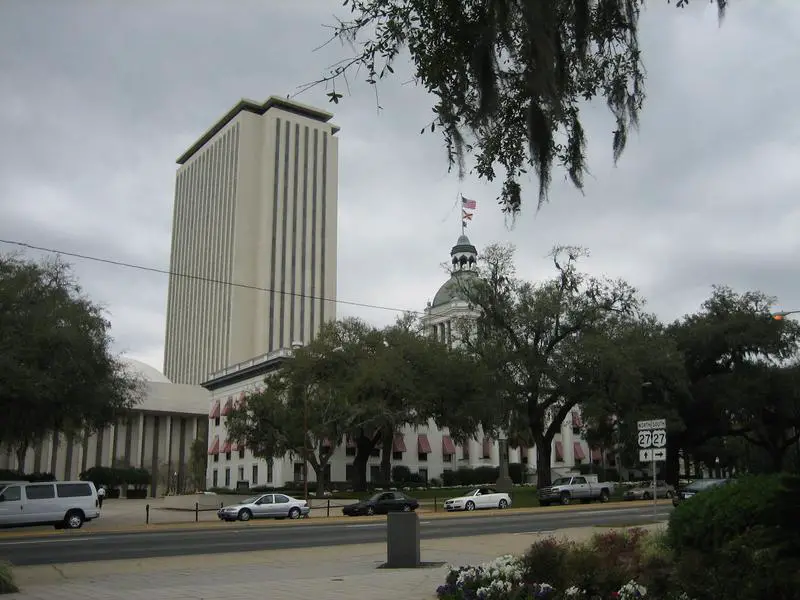
We are heading east for the first time in a long time. This time, we go to the always talked about state of Florida, where the population has grown 18.02%. In 2014, Florida overtook New York as the third most populous state in the country.
Like many of the fastest-growing states, Florida’s rapid population growth was largely due to migration. About 9 in every 10 new Floridians either moved to the state from elsewhere in the United States or from another country. More people move from New York to Florida than any other state.
Of course, there are many many many reasons why Florida is such a popular destination for Americans to move to. It’s hot – too hot actually – taxes are very favorable, there’s a ton to do, and the economy’s great.
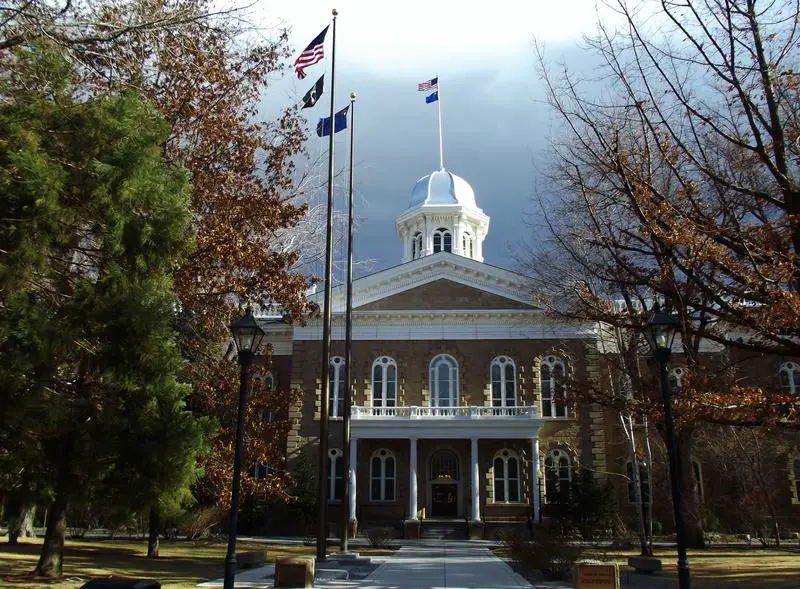
Nevada’s population has grown at a very high clip of 17.54%. Also partly due to — let’s say it together — California rejects. Nevada grew by 0.53% last year alone, so its population’s surging. If we only measured very recent population growth numbers, Nevada would be towards the top.
Despite Nevada’s booming population, it’s economy has shrunk though. It’s entertainment, arts and recreational sectors have gone down, and that’s bad, since Nevada relies on those things the most. But hospitals and schools are opening up at a very fast rate here. Nevada is also towards the top of the states in today’s video in terms of international growth. The desert has become an oasis for both immigrants and younger progressives who want stuff like legal green stuff and liberal politics. It’s also one of the most diverse states, too, a topic we covered not too long ago.
Now, there’s still only 3 million people here, and there’s a lot of room to expand, so you can bet, Nevada is definitely open for business.
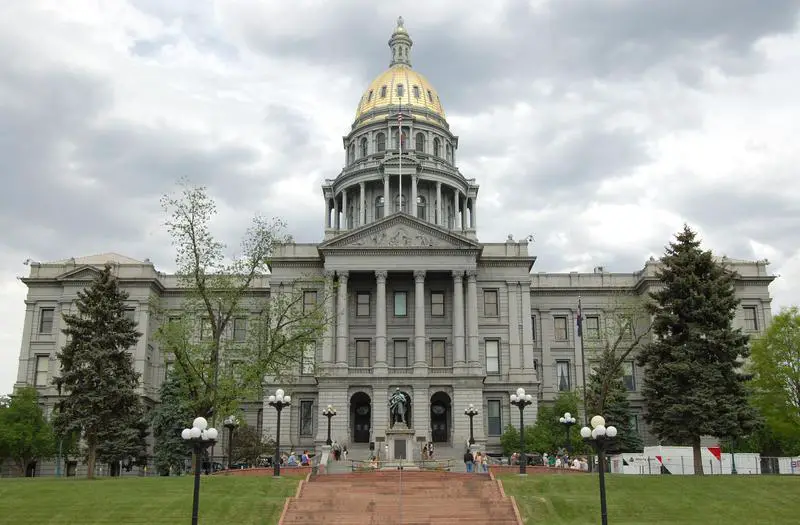
Alright, one more trip out west for a couple more stops. This time, we park it in Colorado, where the population has grown 15.7% since 2010.
A net influx of 792395 Americans relocated to Colorado since 2010. The population growth occurred alongside a steep decline in unemployment, too. Just 3.3% of the Colorado labor force is unemployed, tied with Vermont as the sixth lowest unemployment rate of any state. This somewhat interesting summary pointed out that Denver has the 4th most cranes of any other city? It also states that people are moving here for the mountain scenery.
There’s actually a ton of articles written about why so many people are flocking to Colorado.
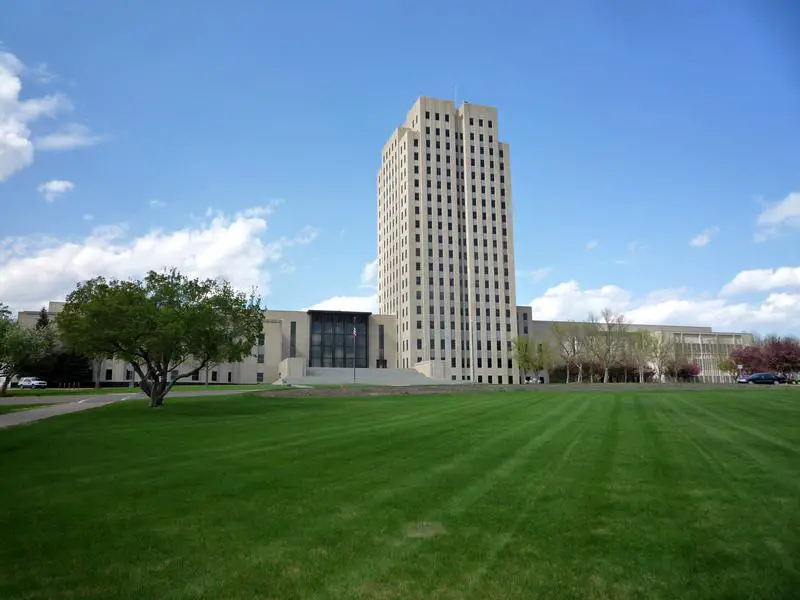
Where is our seventh fastest growing state in America? North Dakota. What in tarnation? North Dakota’s population has surged nearly 15.48% since the turn of the last decade, which is far and above everyone else. When I was a kid growing up, my grandpa Lou used to tell me I was growing so fast, he’d have to put a brick on my head.
North Dakota needs a brick on their head.
Most of or part of that reason has been the huge uptick in the number of blue collar jobs here. Particularly, the oil and natural gas boom. People have come from all over to enjoy amazing pay, low cost of living and a sense of purpose. Then, when the gig is up, they stick around and enjoy the state’s freedoms like legal gambling. Because of all the drilling profits, the state picks up the tab for a lot of stuff so taxes are low. And college kids who graduate around these parts are actually not fleeing North Dakota like they used to. So, now it’s cool to live in North Dakota?
Now there’s still only 783,926 people here, which is basically the size of Seattle, and if the oil and gas dries up, you can bet things will change, but for now, North Dakota is the bees knees.
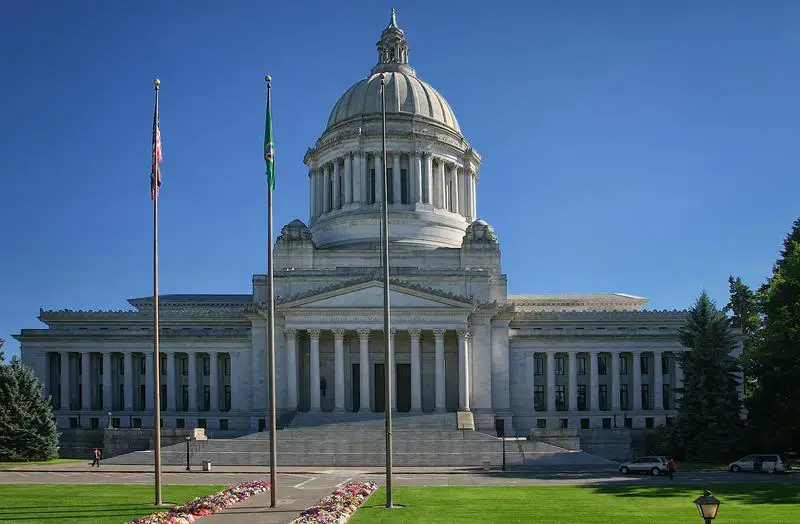
We’re not leaving the west coast for a while, so buckle your seatbelts and stop texting and driving. Our next stop is the state of Washington. Washington’s population has increased by 15.44% since the last decade. Washington’s strong population growth has been accompanied by a substantial increase in GDP, which has grown at an average rate of 2.2% a year — the fourth fastest pace of any state.
Washington’s information sector — which includes industry giants Microsoft, Amazon, and Expedia — grew faster than in any other state other than Pennsylvania over that period. Washington is also one of three states on this list with the highest international growth. Meaning a lot of people are moving to Washington from other countries.
Did you know Seattle has been the nation’s fastest growing city in America for five straight years?

We’re gonna stay on the west side of the country as we visit our ninth fastest growing state, Arizona. Arizona’s population grew by 14.94%, more than twice the national population growth rate. Much of Arizona’s growth was due to new residents migrating to the state. Arizona is the 4th most popular place where other Americans are moving to.
For the third year in a row, Maricopa County led the way of all US counties for population growth. This includes cities like Phoenix, Mesa, Chandler, Scottsdale, Tempe, and Glendale.
But why out west? A number factors affect migration patterns throughout the US. Americans move for economic and educational opportunities as well as quality of life factors such as a warm climate and cost of living. Arizona meets that criteria – it’s relatively affordable, its midsize cities have decent school systems and there are a decent number of jobs here.
Arizona is just one example of how there are simply more Americans moving from the Northeast and Midwest to the South and West.
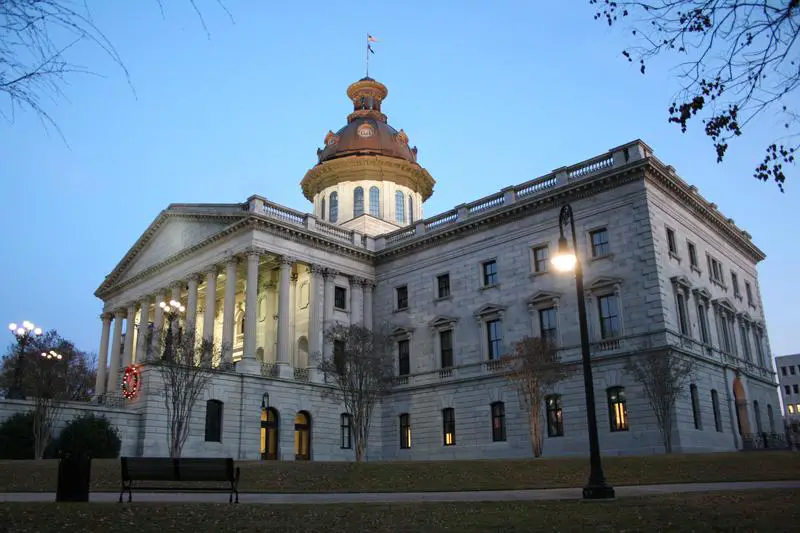
South Carolina doesn’t seem like a place that’s growing that fast, and maybe that’s why it ranks tenth on the list — just barely breaking onto the fastest growing for 2026.
It might also have to do with the lack of one really big city in the state. North Carolina neighbors to the North have Charlotte and Raleigh. There’s Atlanta to the south. But South Carolina’s largest city? Charleston at about 135,000 people ranks only in the top 200-300 biggest in the country. So it doesn’t have any big city name recognition.
That being said, it’s easy to see why people would want to live in South Carolina. Its central location on the East Coast provides easy access to the big cities mentioned, it has a ton of beaches, and the weather is about as moderate as you can get in the US. So it’s a great place to live with plenty to see and do — and worth of a spot on the top ten.
The verdict
So what’s the fastest growing state in America for 2026?
What’s the fastest growing state in America for 2026? The fastest growing state in America is Idaho, based on the most recent Census data.
Read below to see how we crunched the numbers and how your state ranked. Or check out the cheapest states in America.
Saturday Night Science
How We Determined The Fastest Growing States In The US For 2026
The first thing that comes to most people’s minds when they think about determining the fastest growing states is simply how many people have moved there.
So we used Saturday Night Science to compare the population change of each state from the newly released 2020-2024 American Community Survey:
- Population Change Since 2010
We ranked each state from 1 to 50 based on population change since 2010, with one being the fastest growing. We crowned the state with the largest population gain the ‘Fastest Growing State In The US For 2026.’ We updated this article for 2026. This list is our eleventh time ranking the fastest growing states in the United States.
You can learn more about the top ten below or skip to the end to see the rankings for every state.
The full plate
All 50 states, ranked by population change
Click any column to sort. Search by state name.
| Rank | State | Population Now | 1YR Population Change | Population Change Since 2010 |
|---|---|---|---|---|
| 1 | Idaho | 1,964,726 | 0.0% | 0.2% |
| 2 | Utah | 3,417,734 | 0.0% | 0.2% |
| 3 | Texas | 30,503,301 | 0.0% | 0.2% |
| 4 | Florida | 22,610,726 | 0.0% | 0.2% |
| 5 | Nevada | 3,194,176 | 0.0% | 0.2% |
| 6 | Colorado | 5,877,610 | 0.0% | 0.2% |
| 7 | North Dakota | 783,926 | 0.0% | 0.2% |
| 8 | Washington | 7,812,880 | 0.0% | 0.2% |
| 9 | Arizona | 7,431,344 | 0.0% | 0.1% |
| 10 | South Carolina | 5,373,555 | 0.0% | 0.1% |
| 11 | Montana | 1,132,812 | 0.0% | 0.1% |
| 12 | Delaware | 1,031,890 | 0.0% | 0.1% |
| 13 | Georgia | 11,029,227 | 0.0% | 0.1% |
| 14 | North Carolina | 10,835,491 | 0.0% | 0.1% |
| 15 | South Dakota | 919,318 | 0.0% | 0.1% |
| 16 | Tennessee | 7,126,489 | 0.0% | 0.1% |
| 17 | Oregon | 4,233,358 | -0.0% | 0.1% |
| 18 | Virginia | 8,715,698 | 0.0% | 0.1% |
| 19 | Minnesota | 5,737,915 | 0.0% | 0.1% |
| 20 | Nebraska | 1,978,379 | 0.0% | 0.1% |
| 21 | Oklahoma | 4,053,824 | 0.0% | 0.1% |
| 22 | Maryland | 6,180,253 | 0.0% | 0.1% |
| 23 | Massachusetts | 7,001,399 | 0.0% | 0.1% |
| 24 | New Hampshire | 1,402,054 | 0.0% | 0.1% |
| 25 | Alabama | 5,108,468 | 0.0% | 0.1% |
| 26 | Hawaii | 1,435,138 | -0.0% | 0.1% |
| 27 | Indiana | 6,862,199 | 0.0% | 0.1% |
| 28 | New Jersey | 9,290,841 | 0.0% | 0.1% |
| 29 | Iowa | 3,207,004 | 0.0% | 0.0% |
| 30 | Maine | 1,395,722 | 0.0% | 0.0% |
| 31 | California | 38,965,193 | -0.0% | 0.0% |
| 32 | Arkansas | 3,067,732 | 0.0% | 0.0% |
| 33 | Rhode Island | 1,095,962 | 0.0% | 0.0% |
| 34 | Kentucky | 4,526,154 | 0.0% | 0.0% |
| 35 | Wisconsin | 5,910,955 | 0.0% | 0.0% |
| 36 | Vermont | 647,464 | 0.0% | 0.0% |
| 37 | Wyoming | 584,057 | 0.0% | 0.0% |
| 38 | Missouri | 6,196,156 | 0.0% | 0.0% |
| 39 | Kansas | 2,940,546 | 0.0% | 0.0% |
| 40 | Alaska | 733,406 | 0.0% | 0.0% |
| 41 | New Mexico | 2,114,371 | 0.0% | 0.0% |
| 42 | Pennsylvania | 12,961,683 | -0.0% | 0.0% |
| 43 | Ohio | 11,785,935 | 0.0% | 0.0% |
| 44 | Michigan | 10,037,261 | 0.0% | 0.0% |
| 45 | New York | 19,571,216 | -0.0% | 0.0% |
| 46 | Louisiana | 4,573,749 | -0.0% | 0.0% |
| 47 | Connecticut | 3,617,176 | 0.0% | 0.0% |
| 48 | Mississippi | 2,939,690 | 0.0% | -0.0% |
| 49 | Illinois | 12,549,689 | -0.0% | -0.0% |
| 50 | West Virginia | 1,770,071 | -0.0% | -0.0% |
Source: U.S. Census ACS 2020-2024.
There You Have It — The Fastest Growing States In The Country
The fastest growing states in the United States are Idaho, Utah, Texas, Florida, Nevada, Colorado, North Dakota, Washington, Arizona, and South Carolina.
Read on below to see how we crunched the numbers and how your state ranked.
Questions and answers
Fastest Growing States FAQs
What is the fastest growing state in America?
Idaho is the fastest growing state in America for 2026, followed by Utah and Texas. Growth is measured as population change since 2010.
What are the top 10 fastest growing states?
The fastest growing states in the United States are Idaho, Utah, Texas, Florida, Nevada, Colorado, North Dakota, Washington, Arizona, and South Carolina. We ranked all 50 states by population change since 2010.
How do you measure state growth?
We compare each state’s population in the 2010 Census to the latest Census estimates and rank by the percent change. Actual heads counted, not projections.
What is the slowest growing state?
West Virginia posts the smallest population change of all 50 states for 2026. Our fastest shrinking states ranking covers the states actually losing people.
Why measure from 2010?
The 2010 Census is a full head count, which makes it a clean baseline. Measuring from there captures the whole arc of the last decade-plus of American migration.